




Mini Mathur believes ‘your body is in good shape’ if you can do this mobility challenge easily
Beyond physical benefits, mobility exercises also improve body awareness.
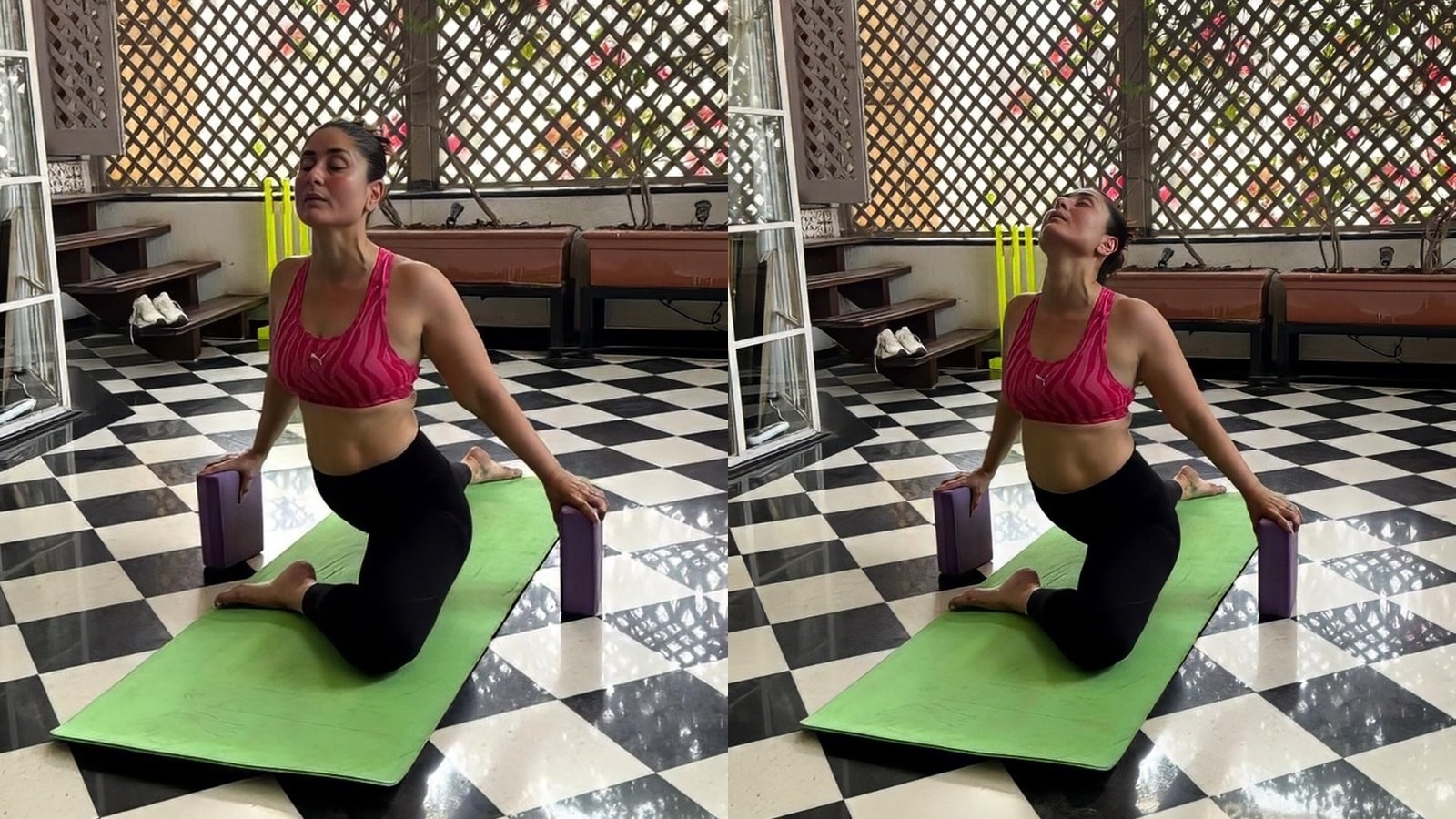
In a world where sedentary lifestyles and repetitive movement have become increasingly common, mobility exercises provide a practical and effective means of maintaining physical activity and health. Whether in sports, exercise, or daily life, better mobility helps the body absorb forces efficiently and move with confidence. Mini Mathur recently took to social media to pose a mobility challenge for her audience, highlighting the importance of maintaining mobility and function into old age.
“Your body is in good shape if you can do this easily,” she captioned the video post on Instagram.
Dr Supriya Patil, Consultant Physiotherapy at Jaslok Hospital & Research Centre, explained that, unlike traditional stretching, which primarily aims to lengthen muscles, mobility exercises train joints to move actively through their full range of motion, thereby combining flexibility, strength, and control. This approach not only improves physical performance but also supports long-term well-being.
At its core, mobility training improves how individual joints function and how different parts of the body work together. “When joints move regularly through their natural range, they remain better lubricated and more resilient. Mobility exercises encourage the circulation of joint fluids, reduce friction, and help muscles and connective tissues adapt to movement demands. The result is smoother, more coordinated motion,” said Dr Patil, adding that everyday activities such as bending, reaching, walking, or climbing stairs become easier and place less strain on the body.
Dr Shreyas Kathrani, HOD Physiotherapy, Jaslok Hospital, mentioned that one of the most noticeable benefits of mobility exercises is their ability to reduce stiffness and discomfort. Prolonged sitting, repetitive tasks, and poor posture often lead to muscle tightness and joint restriction. Over time, this can cause aches, reduced movement, and persistent discomfort.
Structured mobility routines gently challenge joints and muscles to move in controlled ways, helping to release tension and restore natural motion. “Unlike short-term stretching, mobility training supports lasting improvements by encouraging real adaptation in muscles and connective tissues. This makes it particularly useful for people dealing with chronic tightness, work-related strain, or general body stiffness,” she explained.
Beyond physical benefits, mobility exercises also improve body awareness. “As individuals become more attuned to how their joints move, balance and coordination naturally improve, this heightened awareness fosters confidence in movement, whether during exercise, sports, or everyday activities such as walking on uneven surfaces or carrying loads,” the doctor further explained.
Dr Patil added that mobility training also plays a crucial role in injury prevention. According to her, many injuries occur not because of a lack of strength but because of poor movement control or limited joint range. When joints cannot move properly, other areas of the body are forced to compensate, increasing the risk of strain and overuse injuries. By training them, mobility exercises improve stability and coordination. This prepares the body to handle sudden movements, changes in direction, or physical stress more safely.
DISCLAIMER: This article is based on information from the public domain and/or the experts we spoke to. Always consult your fitness practitioner before starting any routine.
In a world where sedentary lifestyles and repetitive movement have become increasingly common, mobility exercises provide a practical and effective means of maintaining physical activity and health. Whether in sports, exercise, or daily life, better mobility helps the body absorb forces efficiently and move with confidence. Mini Mathur recently took to social media to pose a mobility challenge for her audience, highlighting the importance of maintaining mobility and function into old age.
“Your body is in good shape if you can do this easily,” she captioned the video post on Instagram.
Dr Supriya Patil, Consultant Physiotherapy at Jaslok Hospital & Research Centre, explained that, unlike traditional stretching, which primarily aims to lengthen muscles, mobility exercises train joints to move actively through their full range of motion, thereby combining flexibility, strength, and control. This approach not only improves physical performance but also supports long-term well-being.
At its core, mobility training improves how individual joints function and how different parts of the body work together. “When joints move regularly through their natural range, they remain better lubricated and more resilient. Mobility exercises encourage the circulation of joint fluids, reduce friction, and help muscles and connective tissues adapt to movement demands. The result is smoother, more coordinated motion,” said Dr Patil, adding that everyday activities such as bending, reaching, walking, or climbing stairs become easier and place less strain on the body.
Dr Shreyas Kathrani, HOD Physiotherapy, Jaslok Hospital, mentioned that one of the most noticeable benefits of mobility exercises is their ability to reduce stiffness and discomfort. Prolonged sitting, repetitive tasks, and poor posture often lead to muscle tightness and joint restriction. Over time, this can cause aches, reduced movement, and persistent discomfort.
Structured mobility routines gently challenge joints and muscles to move in controlled ways, helping to release tension and restore natural motion. “Unlike short-term stretching, mobility training supports lasting improvements by encouraging real adaptation in muscles and connective tissues. This makes it particularly useful for people dealing with chronic tightness, work-related strain, or general body stiffness,” she explained.
Beyond physical benefits, mobility exercises also improve body awareness. “As individuals become more attuned to how their joints move, balance and coordination naturally improve, this heightened awareness fosters confidence in movement, whether during exercise, sports, or everyday activities such as walking on uneven surfaces or carrying loads,” the doctor further explained.
Dr Patil added that mobility training also plays a crucial role in injury prevention. According to her, many injuries occur not because of a lack of strength but because of poor movement control or limited joint range. When joints cannot move properly, other areas of the body are forced to compensate, increasing the risk of strain and overuse injuries. By training them, mobility exercises improve stability and coordination. This prepares the body to handle sudden movements, changes in direction, or physical stress more safely.
DISCLAIMER: This article is based on information from the public domain and/or the experts we spoke to. Always consult your fitness practitioner before starting any routine.