
Why is the US turning to the UN to reopen the Strait of Hormuz — after months of undermining it?
Earlier this year, Trump assembled a so-called "Board of Peace" as part of a US-brokered plan to end Israel's war on Gaza. When asked by a reporter whether he envisioned the Board replacing the UN, Trump said it "might."
Washington has long dismissed the United Nations as ineffective. Now, with oil prices surging and a fragile ceasefire with Iran hanging by a thread, it wants the very body it scorned to do the heavy lifting.
During peacetime, roughly one-fifth of the world’s oil and natural gas supplies pass through the Strait of Hormuz this narrow chokepoint. Its closure — triggered by Iranian attacks on commercial shipping — has sent oil prices surging and stoked fears of a global economic crisis, according to Al Jazeera.
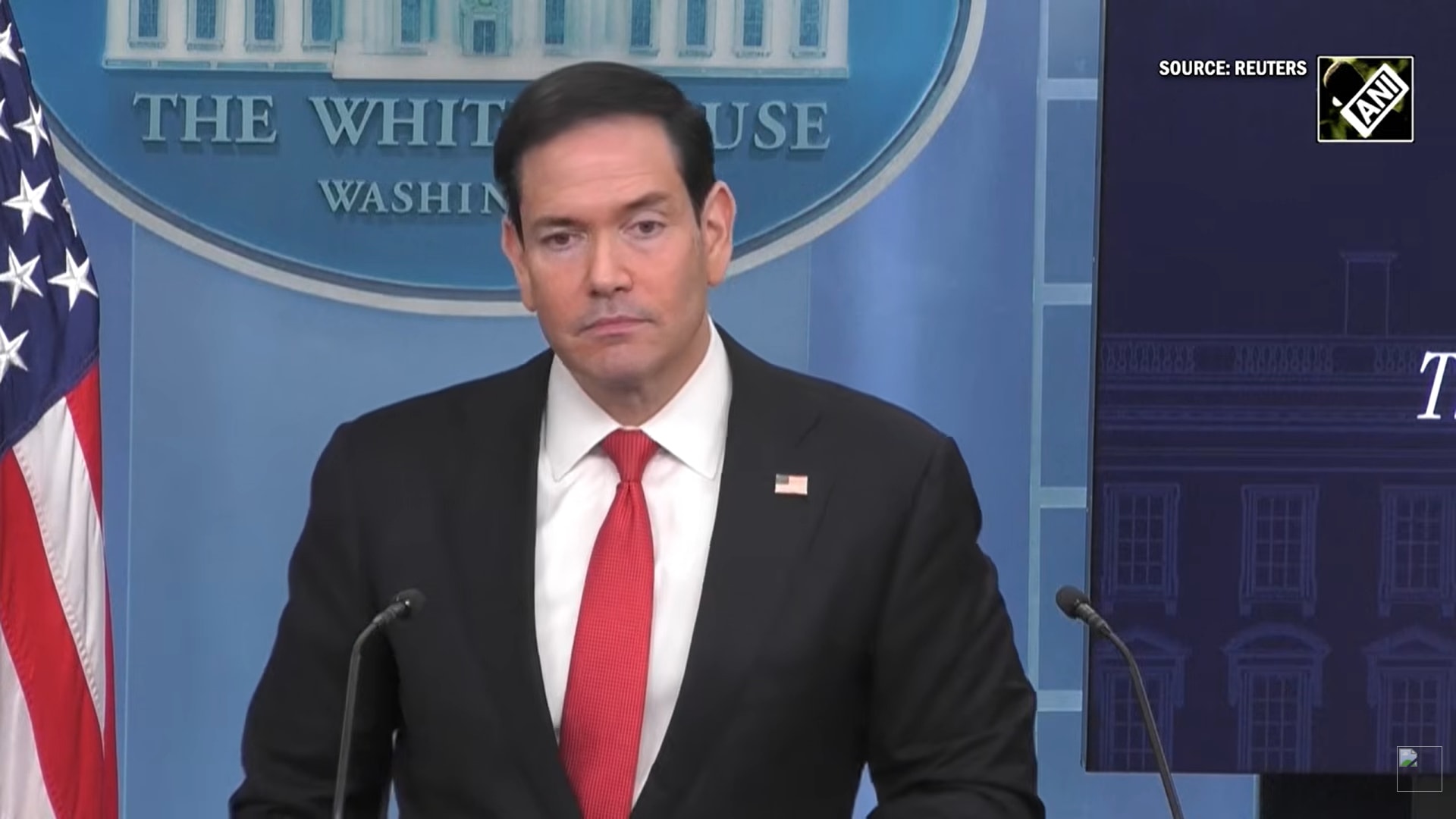
US Secretary of State Marco Rubio has urged the United Nations to pressure Iran to cease attacks in the strait, remove mines, and allow humanitarian relief through the passage, Reuters reported. The US, together with Bahrain, Saudi Arabia, the United Arab Emirates, Kuwait and Qatar, has drafted a Security Council resolution that, if passed, could lead to sanctions against Iran — and potentially authorise the use of force if Tehran continues to threaten commercial shipping.
The draft resolution also demands that Iran immediately participate in and enable UN efforts to establish a humanitarian corridor through the strait for the delivery of vital aid, fertilisers and other essential goods. Under its terms, the UN Secretary-General would report back within 30 days on Iran’s compliance, after which the Security Council would reconvene to consider additional measures.
The US appeal to multilateral institutions sits uneasily against Washington’s recent track record. Since Donald Trump began his second term in January 2025, his administration has taken a consistently hostile posture toward the United Nations. At the UN General Assembly in September 2025, Trump openly questioned the body’s purpose, saying it had “such tremendous potential” but was “not even coming close to living up to that potential.”
Earlier this year, Trump assembled a so-called “Board of Peace” as part of a US-brokered plan to end Israel’s war on Gaza. When asked by a reporter whether he envisioned the Board replacing the UN, Trump said it “might.”
Now, Rubio has framed the Hormuz resolution as a direct test of the UN’s relevance, telling reporters: “If the international community can’t rally behind this and solve something so straightforward, then I don’t know what the utility of the UN system is.”
The US push at the Security Council is not without obstacles. An earlier Bahraini-backed resolution that appeared to open the door to military action against Iran was vetoed last month by Russia and China in the 15-member council. Hours before Washington and Tehran announced a temporary ceasefire in early April, a prior resolution had also been blocked.
The new draft has been carefully recalibrated. It avoids explicit language authorising force while still operating under Chapter VII of the UN Charter, which empowers the Security Council to impose measures ranging from sanctions to military action. Rubio acknowledged that he remained uncertain whether the “slight adjustments” made to the text would be sufficient to avoid another veto from Tehran’s allies.
(With Reuters and AP inputs)
Stay updated with the latest - Click here to follow us on Instagram
Washington has long dismissed the United Nations as ineffective. Now, with oil prices surging and a fragile ceasefire with Iran hanging by a thread, it wants the very body it scorned to do the heavy lifting.
During peacetime, roughly one-fifth of the world’s oil and natural gas supplies pass through the Strait of Hormuz this narrow chokepoint. Its closure — triggered by Iranian attacks on commercial shipping — has sent oil prices surging and stoked fears of a global economic crisis, according to Al Jazeera.
US Secretary of State Marco Rubio has urged the United Nations to pressure Iran to cease attacks in the strait, remove mines, and allow humanitarian relief through the passage, Reuters reported. The US, together with Bahrain, Saudi Arabia, the United Arab Emirates, Kuwait and Qatar, has drafted a Security Council resolution that, if passed, could lead to sanctions against Iran — and potentially authorise the use of force if Tehran continues to threaten commercial shipping.
The draft resolution also demands that Iran immediately participate in and enable UN efforts to establish a humanitarian corridor through the strait for the delivery of vital aid, fertilisers and other essential goods. Under its terms, the UN Secretary-General would report back within 30 days on Iran’s compliance, after which the Security Council would reconvene to consider additional measures.
The US appeal to multilateral institutions sits uneasily against Washington’s recent track record. Since Donald Trump began his second term in January 2025, his administration has taken a consistently hostile posture toward the United Nations. At the UN General Assembly in September 2025, Trump openly questioned the body’s purpose, saying it had “such tremendous potential” but was “not even coming close to living up to that potential.”
Earlier this year, Trump assembled a so-called “Board of Peace” as part of a US-brokered plan to end Israel’s war on Gaza. When asked by a reporter whether he envisioned the Board replacing the UN, Trump said it “might.”
Now, Rubio has framed the Hormuz resolution as a direct test of the UN’s relevance, telling reporters: “If the international community can’t rally behind this and solve something so straightforward, then I don’t know what the utility of the UN system is.”
The US push at the Security Council is not without obstacles. An earlier Bahraini-backed resolution that appeared to open the door to military action against Iran was vetoed last month by Russia and China in the 15-member council. Hours before Washington and Tehran announced a temporary ceasefire in early April, a prior resolution had also been blocked.
The new draft has been carefully recalibrated. It avoids explicit language authorising force while still operating under Chapter VII of the UN Charter, which empowers the Security Council to impose measures ranging from sanctions to military action. Rubio acknowledged that he remained uncertain whether the “slight adjustments” made to the text would be sufficient to avoid another veto from Tehran’s allies.
(With Reuters and AP inputs)