

Vance leaves Islamabad without a deal. What’s next for US and Iran?
Questions that of the future of Iran's nuclear programme, resumption of the war, as well as control over the key global energy route, all remain unanswered.
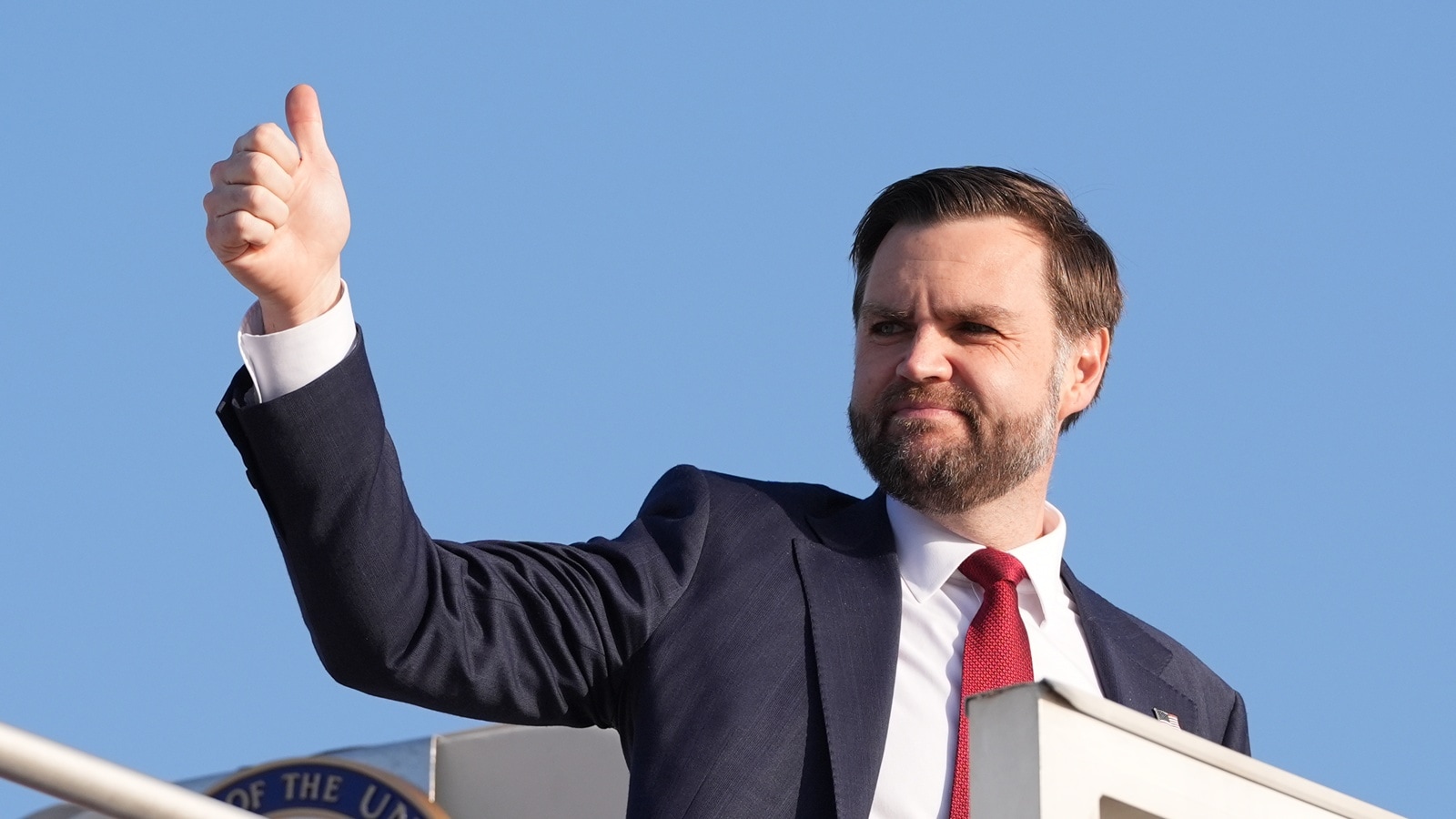
United States Vice President JD Vance left Islamabad on Sunday, after the US and Iran failed to reach an agreement, leaving one of the most urgent issues — the reopening of the Strait of Hormuz — unresolved.
Questions that of the future of Iran’s nuclear programme, resumption of the war, as well as control over the key global energy route, all remain unanswered.
Vance, in his speech, following nearly 21 hours of talks with the Iranian delegation, suggested he had handed them a take-it-or-leave-it proposal to forever terminate their nuclear programme, which they left. White House officials have said they would defer to President Donald Trump to announce the administration’s next move, the New York Times reported.
What do the talks suggest?
The Iranian Foreign Ministry, in a statement following the talks, suggested the country would continue to pursue its interests, given the grave loss of their leadership figures.
The Ministry wrote: “The heavy loss of our great elders, dear ones, and fellow countrymen has made our response to pursue the Iranian nation’s interests and rights firmer than ever before.”
The Ministry’s comments come days after Trump declared himself to be the victor of the war, with special envoy Steve Witkoff suggesting, Iran should simply “capitulate.”
As NYT suggests, the talks on Sunday were nearly the same as the ones held in February 2026 in Geneva, where Washington sought curbs on Tehran’s nuclear ambitions, while Iran insisted it will not abandon uranium enrichment.
The view seems to have strengthened after over 40 days of war, NYT writes.
Here are the next steps:
As the fragile ceasefire comes to an end on April 21, all eyes will be on Trump’s ability to threaten the resumption of combat operations across Iran.
Soon after the talks, Trump shared an article on his Truth Social post highlighting the possibility of a naval blockade against Iran. It argued that Washington could “out-blockade” Iran in the Strait of Hormuz, tightening economic pressure, if Tehran refused US terms.
It is likely to worsen the impact of the war on energy supplies, gas shortages, and largely, on the global economy.
“In the past 24 hours, discussions were held on various dimensions of the main topics, including the Strait of Hormuz, the nuclear issue, war reparations, lifting of sanctions and the complete end to the war against Iran,” according to the statement released by the Iranian Foreign Ministry.
The reopening of the global energy route now depends on the fulfilment of Iran’s other demands from the US. First, the US ought to pay for damage done to Iran during the bombing and missile strikes. Secondly, the US needs to lift more than two decades of sanctions against Iran.
While the US has rejected the first proposal, it said the second could happen only slowly, the NYT reported.
What the talks have made clear is that both sides are firm on considering themselves as victors of the war, leaving no space for compromise.
Stay updated with the latest - Click here to follow us on Instagram
United States Vice President JD Vance left Islamabad on Sunday, after the US and Iran failed to reach an agreement, leaving one of the most urgent issues — the reopening of the Strait of Hormuz — unresolved.
Questions that of the future of Iran’s nuclear programme, resumption of the war, as well as control over the key global energy route, all remain unanswered.
Vance, in his speech, following nearly 21 hours of talks with the Iranian delegation, suggested he had handed them a take-it-or-leave-it proposal to forever terminate their nuclear programme, which they left. White House officials have said they would defer to President Donald Trump to announce the administration’s next move, the New York Times reported.
What do the talks suggest?
The Iranian Foreign Ministry, in a statement following the talks, suggested the country would continue to pursue its interests, given the grave loss of their leadership figures.
The Ministry wrote: “The heavy loss of our great elders, dear ones, and fellow countrymen has made our response to pursue the Iranian nation’s interests and rights firmer than ever before.”
The Ministry’s comments come days after Trump declared himself to be the victor of the war, with special envoy Steve Witkoff suggesting, Iran should simply “capitulate.”
As NYT suggests, the talks on Sunday were nearly the same as the ones held in February 2026 in Geneva, where Washington sought curbs on Tehran’s nuclear ambitions, while Iran insisted it will not abandon uranium enrichment.
The view seems to have strengthened after over 40 days of war, NYT writes.
Here are the next steps:
As the fragile ceasefire comes to an end on April 21, all eyes will be on Trump’s ability to threaten the resumption of combat operations across Iran.
Soon after the talks, Trump shared an article on his Truth Social post highlighting the possibility of a naval blockade against Iran. It argued that Washington could “out-blockade” Iran in the Strait of Hormuz, tightening economic pressure, if Tehran refused US terms.
It is likely to worsen the impact of the war on energy supplies, gas shortages, and largely, on the global economy.
“In the past 24 hours, discussions were held on various dimensions of the main topics, including the Strait of Hormuz, the nuclear issue, war reparations, lifting of sanctions and the complete end to the war against Iran,” according to the statement released by the Iranian Foreign Ministry.
The reopening of the global energy route now depends on the fulfilment of Iran’s other demands from the US. First, the US ought to pay for damage done to Iran during the bombing and missile strikes. Secondly, the US needs to lift more than two decades of sanctions against Iran.
While the US has rejected the first proposal, it said the second could happen only slowly, the NYT reported.
What the talks have made clear is that both sides are firm on considering themselves as victors of the war, leaving no space for compromise.