

US-Iran conflict escalates: Tehran targets Gulf bases, oil tankers hit in Strait of Hormuz
The US and Iran continue to exchange strikes amid the recent escalation in the conflict in the Middle East.
The US-Iran confrontation widened on Thursday after Tehran claimed attacks on American military bases in Bahrain and Kuwait and warned ships against entering the Strait of Hormuz, raising fears of a broader regional conflict with global economic consequences.
Iran said it attacked US bases in Bahrain and Kuwait — which it had targeted after US strikes on Tuesday, too. The Kuwait Army said its air defence system has been intercepting aerial missiles. It also urged people to stick to security and safety guidelines issued by competent authorities, and obtain information only from official sources.
The civil aviation authority in Kuwait has declared that the country’s airspace will remain temporarily shut “as a precautionary measure” due to “Iranian aggressions”. In an update posted on social media, it also said that the flights will be diverted through alternative airports in “accordance with approved agreements and procedures”.
Jordan intercepts 20 missiles from Iran
Meanwhile, Armed forces in Jordan said their air defence system, along with an aircraft of Royal Air Force, shot down at least 20 missiles fired from Iran towards Blue Zon early in the morning. However, those could cause no harm or damage so far, the sate news agency said.
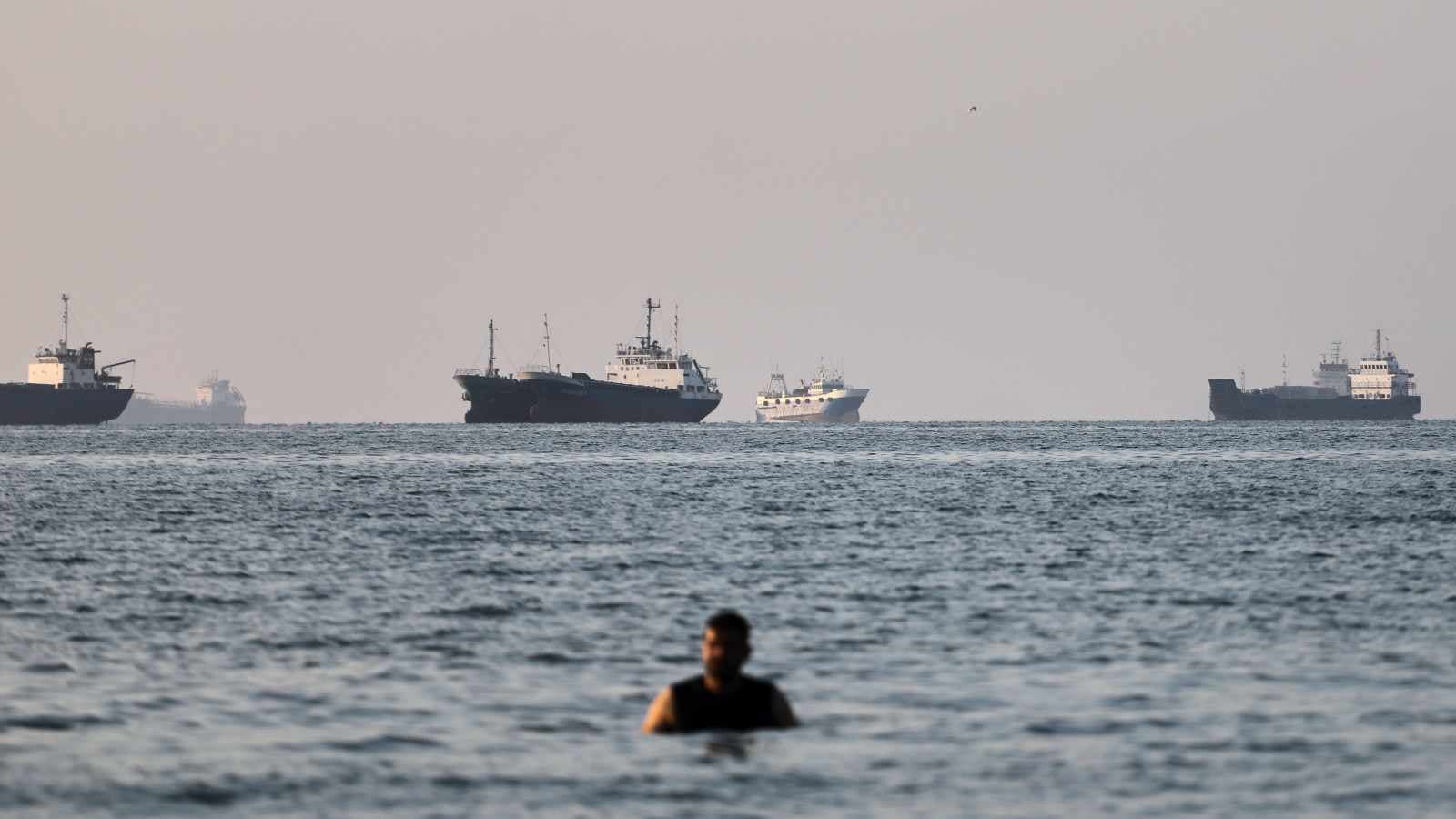
The Iranian Revolutionary Guards also said it had hit two oil tankers passing through the Strait of Hormuz, Iranian state media reported. After announcing a complete closure of the strait, Iran also warned that any vessel attempting to pass through the water channel will be fired upon.
— U.S. Central Command (@CENTCOM) June 11, 2026
The US Central Command (Centcom) said it concluded its second day of “self-defence strikes” launched on Wednesday in response to an Iranian threat to the US forces and international commercial ships sailing through the regional waters.
“CENTCOM forces launched strikes on Iranian military surveillance capabilities, communication systems, and air defense sites across Iran. U.S. Marine Corps, Air Force, and Navy assets fired precision munitions on Iranian targets that posed a threat to U.S. forces and international commercial ships transiting regional waters. The strikes are in response to Iran’s unwarranted and continued aggression. US forces remain vigilant, lethal, and ready,” it said in a post on X.
According to Al Jazeera, the US struck about a dozen cities and provinces overnight in two to three waves of attacks. In the first one, the US covered a wide expanse of the region, including Kish and Sirik, Minab, and Bandar Abbas. Activities were also reported in the central Isfahan area. Two explosions were reported in the west of Karaj in Tehran.
Iranian state media reported that the Strait of Hormuz was “completely closed to all types of vessels”. The US, however, denied any blockade, stating, “commercial ships are continuing to transit in and out of the Strait of Hormuz”.
Ahead of the strikes, Trump told the reporters at the White House: “We’re going to be attacking them, attacking them very hard, resuming bombing,” and cited Tehran’s downing of an Apache helicopter in the Strait of Hormuz.
About the negotiations towards an agreement to end the conflict in the region, Trump said: “We want a deal that is meaningful, we want a deal that works.” The US President had earlier claimed that Iran had already agreed not to obtain a nuclear weapon, but the agreement still needs to be signed.
Stay updated with the latest - Click here to follow us on Instagram
The US-Iran confrontation widened on Thursday after Tehran claimed attacks on American military bases in Bahrain and Kuwait and warned ships against entering the Strait of Hormuz, raising fears of a broader regional conflict with global economic consequences.
Iran said it attacked US bases in Bahrain and Kuwait — which it had targeted after US strikes on Tuesday, too. The Kuwait Army said its air defence system has been intercepting aerial missiles. It also urged people to stick to security and safety guidelines issued by competent authorities, and obtain information only from official sources.
The civil aviation authority in Kuwait has declared that the country’s airspace will remain temporarily shut “as a precautionary measure” due to “Iranian aggressions”. In an update posted on social media, it also said that the flights will be diverted through alternative airports in “accordance with approved agreements and procedures”.
Jordan intercepts 20 missiles from Iran
Meanwhile, Armed forces in Jordan said their air defence system, along with an aircraft of Royal Air Force, shot down at least 20 missiles fired from Iran towards Blue Zon early in the morning. However, those could cause no harm or damage so far, the sate news agency said.
The Iranian Revolutionary Guards also said it had hit two oil tankers passing through the Strait of Hormuz, Iranian state media reported. After announcing a complete closure of the strait, Iran also warned that any vessel attempting to pass through the water channel will be fired upon.
— U.S. Central Command (@CENTCOM) June 11, 2026
The US Central Command (Centcom) said it concluded its second day of “self-defence strikes” launched on Wednesday in response to an Iranian threat to the US forces and international commercial ships sailing through the regional waters.
“CENTCOM forces launched strikes on Iranian military surveillance capabilities, communication systems, and air defense sites across Iran. U.S. Marine Corps, Air Force, and Navy assets fired precision munitions on Iranian targets that posed a threat to U.S. forces and international commercial ships transiting regional waters. The strikes are in response to Iran’s unwarranted and continued aggression. US forces remain vigilant, lethal, and ready,” it said in a post on X.
According to Al Jazeera, the US struck about a dozen cities and provinces overnight in two to three waves of attacks. In the first one, the US covered a wide expanse of the region, including Kish and Sirik, Minab, and Bandar Abbas. Activities were also reported in the central Isfahan area. Two explosions were reported in the west of Karaj in Tehran.
Iranian state media reported that the Strait of Hormuz was “completely closed to all types of vessels”. The US, however, denied any blockade, stating, “commercial ships are continuing to transit in and out of the Strait of Hormuz”.
Ahead of the strikes, Trump told the reporters at the White House: “We’re going to be attacking them, attacking them very hard, resuming bombing,” and cited Tehran’s downing of an Apache helicopter in the Strait of Hormuz.
About the negotiations towards an agreement to end the conflict in the region, Trump said: “We want a deal that is meaningful, we want a deal that works.” The US President had earlier claimed that Iran had already agreed not to obtain a nuclear weapon, but the agreement still needs to be signed.