

What can Trump do next as Islamabad talks fail to solve Iran conflict
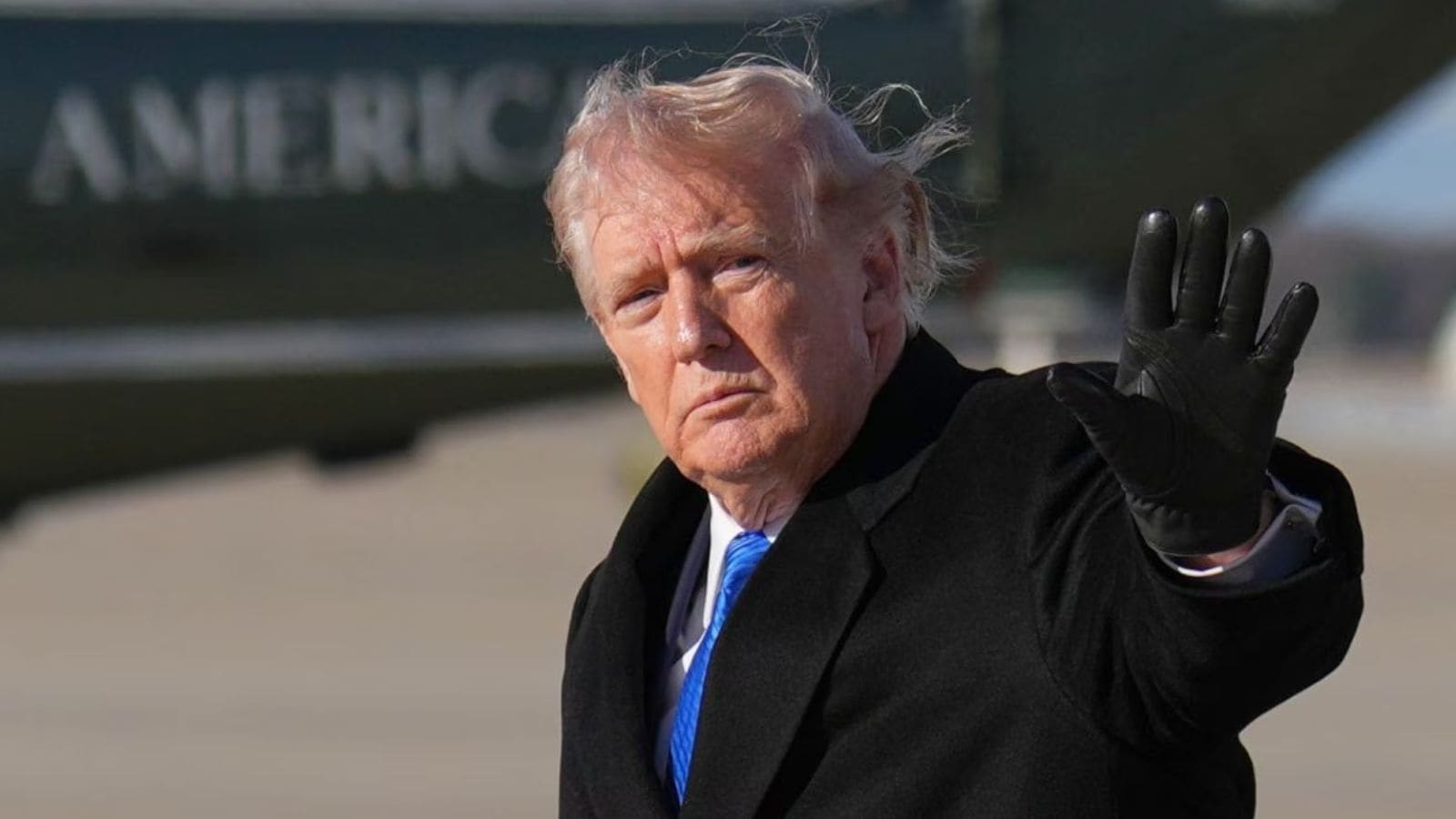
Trump had previously told a news outlet that US warships are being loaded with ammunition and weaponry to strike Iran if the talks in Pakistan fail.
The first in-person talks between the United States and Iran since the violent conflict in West Asia ended on Sunday without any peace deal. The two sides failed to agree on any common ground to end the war that commenced on February 28 with coordinated US and Israeli strikes on Iran and has killed thousands of people and destroyed large swathes of land and buildings.
US Vice-President JD Vance led the Washington delegation for the talks, which lasted almost a day in Pakistan’s Islamabad. Vance said that the negotiations finished without a deal as Tehran refused to accept the terms put forward by the US regarding the development of nuclear weapons.
While speaking to reporters, the Vance said, “The bad news is that we have not reached an agreement, and I think that’s bad news for Iran much more than it’s bad news for the United States of America.”
Meanwhile, Iran said that US made “unreasonable demands” during the talks, which is why no agreement was made.
In a series of posts on X, Parliament Speaker Mohammad Bagher Ghalibaf said the Iranian delegation provided “forward-looking initiatives” during the 21-hour talks, but the Americans could not gain Iran’s trust. He said now is the time for the US “to decide whether it can gain our trust or not.”
Click here for Live Updates on US-Iran war
Soon after Vance told reporters that the hours-long talks had failed, US President Donald Trump posted on Truth Social an article about the possibility of a naval blockade against Iran. The article, published by conservative outlet Just the News, said that Washington could potentially “out-blockade” Iran in the Strait of Hormuz, increasing economic pressure on Tehran if it refuses US’ conditions.
Hours before the talks failed, Trump had insisted that it “makes no difference” whether a deal is reached, claiming the US would “win regardless”. Trump also echoed the US military statement that warships transited through the Strait of Hormuz to commence clearing it of Iranian mines. This claim was later denied by Iran.
On Friday, Trump also said that US warships are being loaded with ammunition and weaponry to strike Iran if the talks in Pakistan fail.
In a conversation with the New York Post, the US President said, “We have a reset going. We’re loading up the ships with the best ammunition, the best weapons ever made – even better than what we did previously and we blew them apart.”
“And if we don’t have a deal, we will be using them, and we will be using them very effectively,” he said.
While Trump’s statements have varied over the last few weeks, it is a possibility that the US will increase its air and naval presence in the Middle East as the deadlock continues.
Iranian Speaker Ghalibaf had earlier specified that the talks between the two nations would only be successful if US adheres to the conditions put forward by Tehran, which include a ceasefire in Lebanon and a release of Iran’s blocked assets.
Meanwhile, US urged that an agreement would be made if Iran agreed to resume full movement in the Strait of Hormuz and commit to abandon its nuclear program.
While an Iranian government spokesperson blamed the US for talks breaking down without specifying the sticking points, neither side indicated what will happen after the 14-day ceasefire expires on April 22.
Stay updated with the latest - Click here to follow us on Instagram
The first in-person talks between the United States and Iran since the violent conflict in West Asia ended on Sunday without any peace deal. The two sides failed to agree on any common ground to end the war that commenced on February 28 with coordinated US and Israeli strikes on Iran and has killed thousands of people and destroyed large swathes of land and buildings.
US Vice-President JD Vance led the Washington delegation for the talks, which lasted almost a day in Pakistan’s Islamabad. Vance said that the negotiations finished without a deal as Tehran refused to accept the terms put forward by the US regarding the development of nuclear weapons.
While speaking to reporters, the Vance said, “The bad news is that we have not reached an agreement, and I think that’s bad news for Iran much more than it’s bad news for the United States of America.”
Meanwhile, Iran said that US made “unreasonable demands” during the talks, which is why no agreement was made.
In a series of posts on X, Parliament Speaker Mohammad Bagher Ghalibaf said the Iranian delegation provided “forward-looking initiatives” during the 21-hour talks, but the Americans could not gain Iran’s trust. He said now is the time for the US “to decide whether it can gain our trust or not.”
Click here for Live Updates on US-Iran war
Soon after Vance told reporters that the hours-long talks had failed, US President Donald Trump posted on Truth Social an article about the possibility of a naval blockade against Iran. The article, published by conservative outlet Just the News, said that Washington could potentially “out-blockade” Iran in the Strait of Hormuz, increasing economic pressure on Tehran if it refuses US’ conditions.
Hours before the talks failed, Trump had insisted that it “makes no difference” whether a deal is reached, claiming the US would “win regardless”. Trump also echoed the US military statement that warships transited through the Strait of Hormuz to commence clearing it of Iranian mines. This claim was later denied by Iran.
On Friday, Trump also said that US warships are being loaded with ammunition and weaponry to strike Iran if the talks in Pakistan fail.
In a conversation with the New York Post, the US President said, “We have a reset going. We’re loading up the ships with the best ammunition, the best weapons ever made – even better than what we did previously and we blew them apart.”
“And if we don’t have a deal, we will be using them, and we will be using them very effectively,” he said.
While Trump’s statements have varied over the last few weeks, it is a possibility that the US will increase its air and naval presence in the Middle East as the deadlock continues.
Iranian Speaker Ghalibaf had earlier specified that the talks between the two nations would only be successful if US adheres to the conditions put forward by Tehran, which include a ceasefire in Lebanon and a release of Iran’s blocked assets.
Meanwhile, US urged that an agreement would be made if Iran agreed to resume full movement in the Strait of Hormuz and commit to abandon its nuclear program.
While an Iranian government spokesperson blamed the US for talks breaking down without specifying the sticking points, neither side indicated what will happen after the 14-day ceasefire expires on April 22.