

Why did US-Iran ceasefire collapse? Timeline of peace deal that unravelled
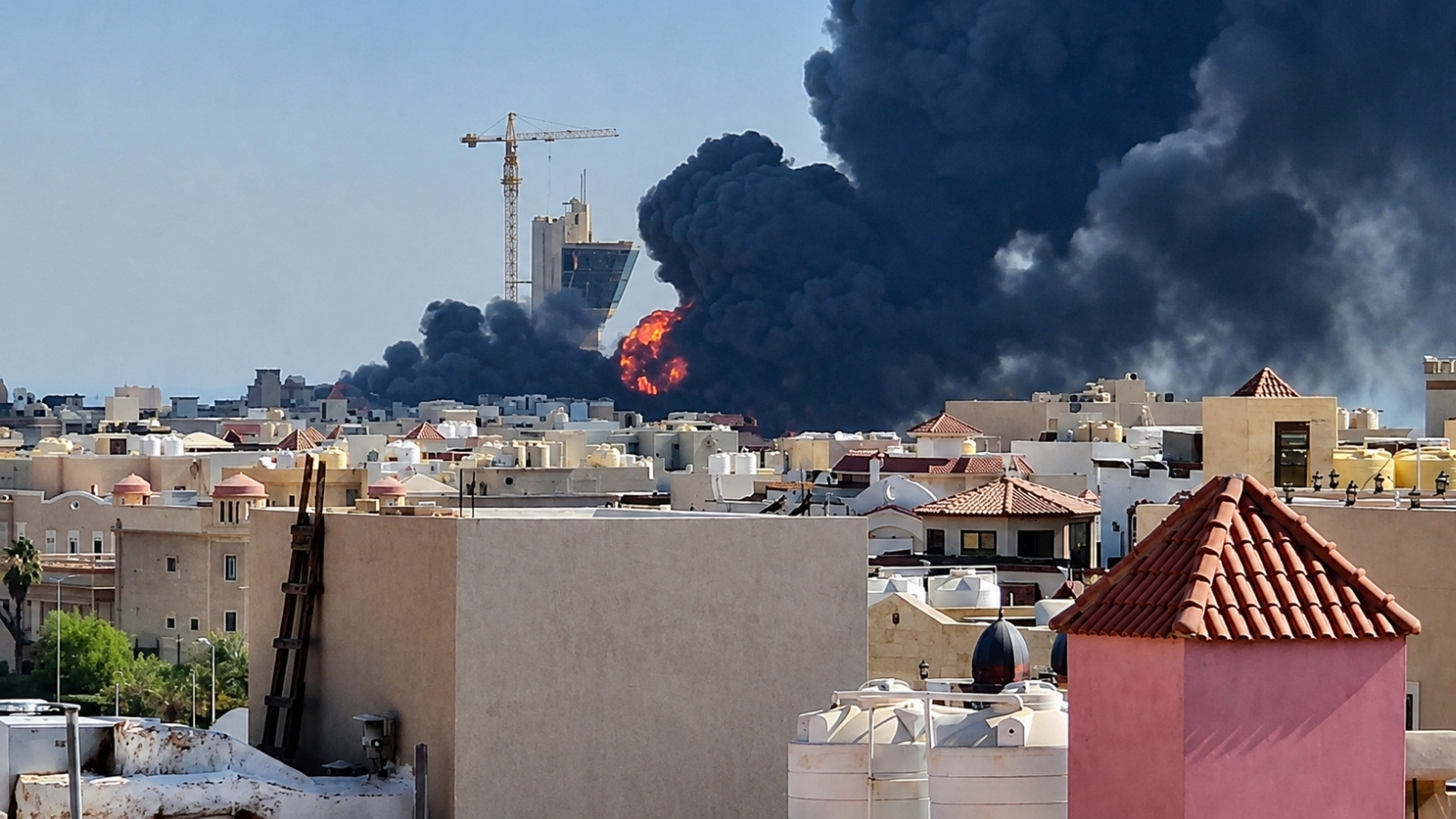
US-Iran conflict timeline traces the major military, diplomatic and strategic developments from July 1 to July 19 after the ceasefire agreement broke down.
The ceasefire between the United States (US) and Iran has been dealt several blows in the past week by both sides as the conflict has intensified again, plunging the region into fresh turmoil.
Last month, Washington and Tehran had agreed to a Memorandum of Understanding (MoU) brokered by Pakistan, Qatar, and other regional countries. The US officials had read out the 14-point document in June, which dealt with the reopening of the Strait of Hormuz, easing financial strain on Iran, and set out a plan on addressing and discussing Tehran’s nuclear programme, among others.
On Sunday, the US military launched a fresh round of strikes after two of its soldiers were killed in Jordan in Tehran’s attacks. The latest US strikes targeted Iran’s under-construction Darkhovin nuclear power plant in the country’s southwest region.
The initial ceasefire came into effect on April 8 and a memorandum of understanding was signed in June. The 14-point MoU paused the hostilities in the West Asia region and reopened the critical Strait of Hormuz for commercial ships. But Trump declared the initial agreement “over” last week, and said Iranian officials were not honouring the agreement.
However, Iranian Foreign Ministry spokesperson Esmaeil Baghaei accused Washington of allegedly violating the MoU and driving it into a “crisis”.
July 1: Negotiators from the United States and Iran travelled to Qatar for indirect talks. Qatar’s Foreign Ministry spokesperson Majed al-Ansari had said the talks made “positive progress.”
July 7: Iran launches strikes at three vessels transiting the Strait of Hormuz in Oman’s territorial waters, a US official said. In retaliation, the US military launched strikes against Iran as “punishment”.
July 8: Iran warns of delivering a “crushing response” against US strikes, and the country’s Islamic Revolutionary Guard Corps (IRGC) launches strikes at 85 US military bases in Bahrain and Kuwait. Trump calls out Iran as “evil, sick people,” saying the memorandum of understanding “is over.”
July 9: The US and Iran engage in hostilities, with the US military attacking a railway bridge in northern Iran, a Tehran official said. US Central Command says it struck around 90 military targets in the Islamic Republic. Though a US official said that both nations are continuing technical talks, CNN reported.
July 10: The US imposes fresh sanctions on Iran, as President Donald Trump announces to continue talks with the Iranian administration. However, Washington also informed Tehran that the ongoing ceasefire is no longer in effect. Iran vows “all-out defence” if America breaks the agreement.
July 11: Iran’s foreign minister, Abbas Araghchi, accused the US administration of violating a clause on Tehran’s nuclear programme, which is a part of the Memorandum of Understanding (MoU).
July 12: The IRGC fired warning shots at a vessel allegedly attempting to transit the Hormuz through an unauthorised route. The Iranian military announced the closure of the strait as the US military launched extensive strikes against Iran.
July 13: Trump announces the reinstatement of the Iranian naval blockade by the US military in the Strait of Hormuz. US attacks kill at least two people in Iran, Tehran’s media reports say.
July 14: The IRGC attacked two vessels in the Strait of Hormuz, as the US carried out more strikes overnight. The IRGC said it “struck and disabled” the two “rogue supertankers.”
July 15: At least 30 civilians have been killed in the latest US strikes, Iran said, while retaliating against attacks carried out by Washington by targeting US military bases in Bahrain, Jordan, and Kuwait.
July 16: Explosion reported in Tehran, as state media reports attacks across the Islamic Republic. In retaliation for US strikes, the Iranian army launches attacks on Jordan and Kuwait.
July 17: Iran attack on Jordan kills two US military members and leaves another missing as Bahrain, Jordan, Qatar, and Kuwait report extensive strikes from Iran. Kuwait says Tehran attacked a power generation and water desalination plant.
July 18: The US strikes damage a desalination plant in the south of Iran, according to the deputy governor of Hormozgan province, CNN reported. In response, Iran struck another power and water desalination plant in Kuwait.
July 19: The US military carries out strikes at the under-construction Darkhovin nuclear power plant in Iran’s southwest. Explosions were also heard in Tehran’s Qeshm Island and Bandar Abbas.
Stay updated with the latest - Click here to follow us on Instagram
The ceasefire between the United States (US) and Iran has been dealt several blows in the past week by both sides as the conflict has intensified again, plunging the region into fresh turmoil.
Last month, Washington and Tehran had agreed to a Memorandum of Understanding (MoU) brokered by Pakistan, Qatar, and other regional countries. The US officials had read out the 14-point document in June, which dealt with the reopening of the Strait of Hormuz, easing financial strain on Iran, and set out a plan on addressing and discussing Tehran’s nuclear programme, among others.
On Sunday, the US military launched a fresh round of strikes after two of its soldiers were killed in Jordan in Tehran’s attacks. The latest US strikes targeted Iran’s under-construction Darkhovin nuclear power plant in the country’s southwest region.
The initial ceasefire came into effect on April 8 and a memorandum of understanding was signed in June. The 14-point MoU paused the hostilities in the West Asia region and reopened the critical Strait of Hormuz for commercial ships. But Trump declared the initial agreement “over” last week, and said Iranian officials were not honouring the agreement.
However, Iranian Foreign Ministry spokesperson Esmaeil Baghaei accused Washington of allegedly violating the MoU and driving it into a “crisis”.
July 1: Negotiators from the United States and Iran travelled to Qatar for indirect talks. Qatar’s Foreign Ministry spokesperson Majed al-Ansari had said the talks made “positive progress.”
July 7: Iran launches strikes at three vessels transiting the Strait of Hormuz in Oman’s territorial waters, a US official said. In retaliation, the US military launched strikes against Iran as “punishment”.
July 8: Iran warns of delivering a “crushing response” against US strikes, and the country’s Islamic Revolutionary Guard Corps (IRGC) launches strikes at 85 US military bases in Bahrain and Kuwait. Trump calls out Iran as “evil, sick people,” saying the memorandum of understanding “is over.”
July 9: The US and Iran engage in hostilities, with the US military attacking a railway bridge in northern Iran, a Tehran official said. US Central Command says it struck around 90 military targets in the Islamic Republic. Though a US official said that both nations are continuing technical talks, CNN reported.
July 10: The US imposes fresh sanctions on Iran, as President Donald Trump announces to continue talks with the Iranian administration. However, Washington also informed Tehran that the ongoing ceasefire is no longer in effect. Iran vows “all-out defence” if America breaks the agreement.
July 11: Iran’s foreign minister, Abbas Araghchi, accused the US administration of violating a clause on Tehran’s nuclear programme, which is a part of the Memorandum of Understanding (MoU).
July 12: The IRGC fired warning shots at a vessel allegedly attempting to transit the Hormuz through an unauthorised route. The Iranian military announced the closure of the strait as the US military launched extensive strikes against Iran.
July 13: Trump announces the reinstatement of the Iranian naval blockade by the US military in the Strait of Hormuz. US attacks kill at least two people in Iran, Tehran’s media reports say.
July 14: The IRGC attacked two vessels in the Strait of Hormuz, as the US carried out more strikes overnight. The IRGC said it “struck and disabled” the two “rogue supertankers.”
July 15: At least 30 civilians have been killed in the latest US strikes, Iran said, while retaliating against attacks carried out by Washington by targeting US military bases in Bahrain, Jordan, and Kuwait.
July 16: Explosion reported in Tehran, as state media reports attacks across the Islamic Republic. In retaliation for US strikes, the Iranian army launches attacks on Jordan and Kuwait.
July 17: Iran attack on Jordan kills two US military members and leaves another missing as Bahrain, Jordan, Qatar, and Kuwait report extensive strikes from Iran. Kuwait says Tehran attacked a power generation and water desalination plant.
July 18: The US strikes damage a desalination plant in the south of Iran, according to the deputy governor of Hormozgan province, CNN reported. In response, Iran struck another power and water desalination plant in Kuwait.
July 19: The US military carries out strikes at the under-construction Darkhovin nuclear power plant in Iran’s southwest. Explosions were also heard in Tehran’s Qeshm Island and Bandar Abbas.