

‘I might have forced their hand’: Trump pushes back on Rubio’s claim of Israel pressure to attack Iran
US President Donald Trump has rejected claims that Israel pressured the United States into striking Iran as indicated by Secretary of State Marco Rubio’s earlier.
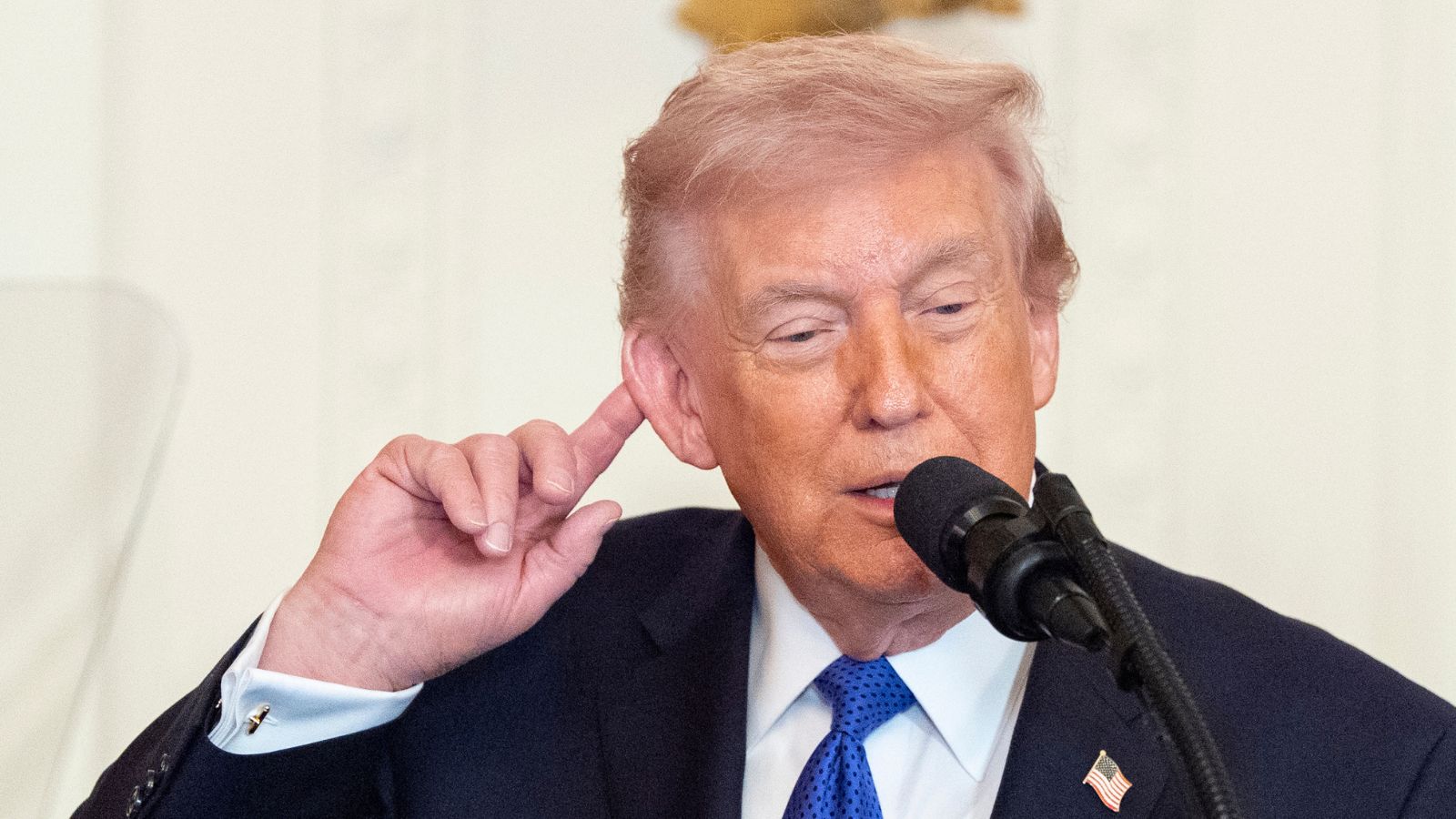
US President Donald Trump moved on Tuesday to dismiss critics who are slamming him over his decision to attack Iran, rejecting claims that the United States was drawn into the conflict because Israel had already chosen to act.
Facing scepticism from Democrats and unease within parts of his own Make America Great Again base, Trump denied suggestions that Israeli military action forced him into launching attacks of his own, reported The Guardian.
CLICK HERE FOR THE LATEST UPDATES ON THE MIDDLE EAST.
A day ago, Secretary of State Marco Rubio said that Washington acted as they expected Iranian retaliation against the US after the Israeli military operation.
When asked directly whether Israel had pressured him into authorising force, Trump dismissed the idea. “No. I might have forced their hand,” he told reporters. He argued that negotiations with Iran were unlikely to prevent violence and said he believed Tehran was preparing to strike first. “If we didn’t do it, they were going to attack first,” he was quoted as saying by The Guardian.
Tensions flared on Capitol Hill after Rubio suggested that Saturday’s strikes were partly aimed at heading off Iranian retaliation against US assets following Israeli action that Washington expected.
Speaking after a classified briefing alongside CIA director John Ratcliffe and General Dan Caine, Rubio said US officials were aware an Israeli move was imminent and anticipated an Iranian response targeting American forces.
“It was abundantly clear that if Iran came under attack by anyone, the United States or Israel or anyone, they were going to respond and respond against the United States. The orders had been delegated down to the field commanders. It was automatic. And in fact, it bared to be true because, in fact, within an hour of the initial attack on the leadership compound, the missile forces in the south and in the north, for that matter, had already been activated to launch. In fact, those had already been pre-positioned,” Rubio had said.
His comments deepened suspicions among lawmakers across party lines that Israeli security concerns, rather than strictly American interests, shaped the timing of the strikes.
Following his remarks, Iran’s Foreign Minister Abbas Araghchi said this “proved” US had chosen to enter the war on behalf of Israel. “Mr. Rubio admitted what we all knew: US has entered a war of choice on behalf of Israel. There was never any so-called Iranian ‘threat’,” Araghchi said in a post on X.
“Shedding of both American and Iranian blood is thus on Israel Firsters. American people deserve better and should take back their country,” he added.
ALSO READ | 8.8 million lives in the balance: Why the new Gulf crisis is hitting India harder than the 1990s
The perception that the confrontation primarily advances Israeli objectives has been reinforced by remarks from Israeli prime minister Benjamin Netanyahu, who has repeatedly pressed Washington to confront Iran’s leadership. In recent months, Netanyahu has met Trump several times, including as recently as last month.
After the latest strikes — one of which killed Iran’s supreme leader, Ali Khamenei — Netanyahu framed the moment as the culmination of a decades-long effort to dismantle what he calls a terrorist regime.
Stay updated with the latest - Click here to follow us on Instagram
US President Donald Trump moved on Tuesday to dismiss critics who are slamming him over his decision to attack Iran, rejecting claims that the United States was drawn into the conflict because Israel had already chosen to act.
Facing scepticism from Democrats and unease within parts of his own Make America Great Again base, Trump denied suggestions that Israeli military action forced him into launching attacks of his own, reported The Guardian.
CLICK HERE FOR THE LATEST UPDATES ON THE MIDDLE EAST.
A day ago, Secretary of State Marco Rubio said that Washington acted as they expected Iranian retaliation against the US after the Israeli military operation.
When asked directly whether Israel had pressured him into authorising force, Trump dismissed the idea. “No. I might have forced their hand,” he told reporters. He argued that negotiations with Iran were unlikely to prevent violence and said he believed Tehran was preparing to strike first. “If we didn’t do it, they were going to attack first,” he was quoted as saying by The Guardian.
Tensions flared on Capitol Hill after Rubio suggested that Saturday’s strikes were partly aimed at heading off Iranian retaliation against US assets following Israeli action that Washington expected.
Speaking after a classified briefing alongside CIA director John Ratcliffe and General Dan Caine, Rubio said US officials were aware an Israeli move was imminent and anticipated an Iranian response targeting American forces.
“It was abundantly clear that if Iran came under attack by anyone, the United States or Israel or anyone, they were going to respond and respond against the United States. The orders had been delegated down to the field commanders. It was automatic. And in fact, it bared to be true because, in fact, within an hour of the initial attack on the leadership compound, the missile forces in the south and in the north, for that matter, had already been activated to launch. In fact, those had already been pre-positioned,” Rubio had said.
His comments deepened suspicions among lawmakers across party lines that Israeli security concerns, rather than strictly American interests, shaped the timing of the strikes.
Following his remarks, Iran’s Foreign Minister Abbas Araghchi said this “proved” US had chosen to enter the war on behalf of Israel. “Mr. Rubio admitted what we all knew: US has entered a war of choice on behalf of Israel. There was never any so-called Iranian ‘threat’,” Araghchi said in a post on X.
“Shedding of both American and Iranian blood is thus on Israel Firsters. American people deserve better and should take back their country,” he added.
ALSO READ | 8.8 million lives in the balance: Why the new Gulf crisis is hitting India harder than the 1990s
The perception that the confrontation primarily advances Israeli objectives has been reinforced by remarks from Israeli prime minister Benjamin Netanyahu, who has repeatedly pressed Washington to confront Iran’s leadership. In recent months, Netanyahu has met Trump several times, including as recently as last month.
After the latest strikes — one of which killed Iran’s supreme leader, Ali Khamenei — Netanyahu framed the moment as the culmination of a decades-long effort to dismantle what he calls a terrorist regime.