

Who is Smita Ghosh? Meet the Indian-American lawyer taking on Trump’s move to end US birthright citizenship
According to SCOTUSblog, Ghosh has contributed to the public debate through legal commentary, including her analysis published in Slate, where she examined historical precedents tied to birthright citizenship.
An Indian-American attorney has emerged as a key legal voice in one of the most consequential constitutional debates in the United States — birthright citizenship. Smita Ghosh is drawing national attention for her legal challenge to policies linked to US President Donald Trump that seek to reinterpret the scope of citizenship under the 14th Amendment.
Her arguments, now part of a broader legal contest that could shape the future of immigration law in America, have positioned her at the centre of a high-stakes constitutional battle before the Supreme Court of the United States.
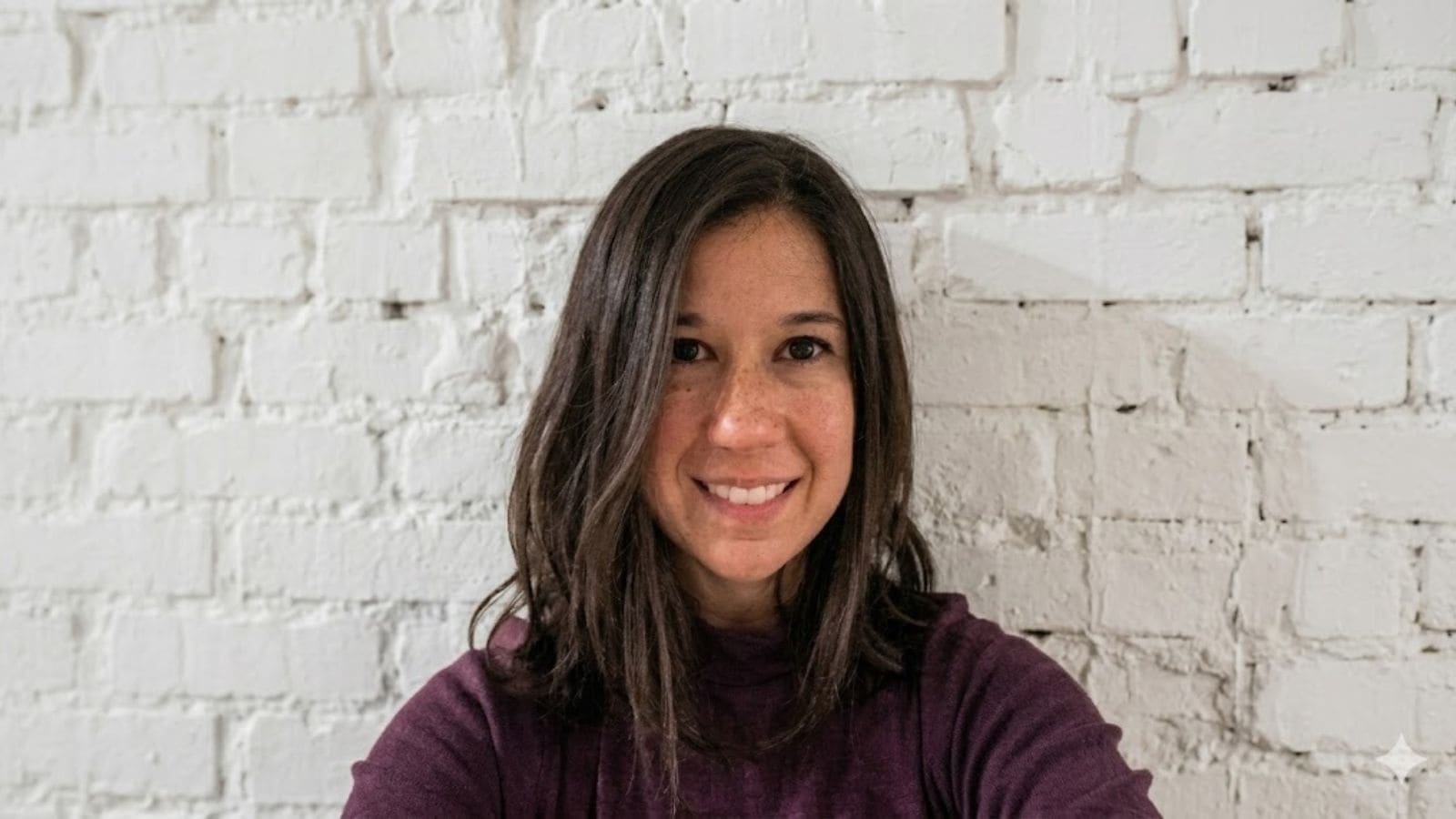
Smita Ghosh is an Indian-American lawyer and legal commentator who has been actively involved in challenging executive actions aimed at restricting birthright citizenship in the United States. With a background in constitutional law and public policy, Ghosh has built a reputation for engaging deeply with complex legal doctrines, particularly those concerning citizenship, immigration, and civil rights.
Her work has gained prominence amid renewed legal scrutiny of birthright citizenship—an issue rooted in the interpretation of the Fourteenth Amendment to the United States Constitution, which guarantees citizenship to all individuals born on US soil.
According to SCOTUSblog, Ghosh has contributed to the public debate through legal commentary, including her analysis published in Slate, where she examined historical precedents tied to birthright citizenship. Her arguments have also been cited in media coverage tracking the evolving legal challenge.
The current controversy stems from executive actions and policy proposals associated with Donald Trump that aim to limit automatic citizenship for children born in the US to non-citizen parents. These efforts challenge the long-standing interpretation of the 14th Amendment, which has historically been understood to grant citizenship regardless of parental immigration status.
Legal experts, cited by various reports, argue that any attempt to alter this interpretation would require either a constitutional amendment or a major judicial reinterpretation. Ghosh’s challenge is part of a broader coalition of legal efforts contesting the legality and constitutionality of such moves.
According to multiple reports, the case has triggered intense debate across legal and political circles in the US, with immigrant rights groups warning of far-reaching consequences if birthright citizenship is curtailed.
A key aspect of Smita Ghosh’s legal reasoning draws from the 19th-century case — Lynch v. Clarke. In her analysis, Ghosh highlights how this pre-14th Amendment ruling could influence modern constitutional interpretation. In a newsletter on Slate, Ghosh writes, “In the 1844 case, Judge Lewis Sandford held that Julia Lynch, the child of Irish parents who was born during their ‘temporary sojourn’ in New York, was a U.S. citizen.”
Ghosh argues that this case reflects the legal understanding of citizenship before the 14th Amendment was ratified.
Her interpretation suggests that the amendment was designed to affirm existing legal principles rather than redefine them. By invoking Lynch v. Clarke, Ghosh contends that birthright citizenship has deep roots in American legal tradition, strengthening arguments against restrictive reinterpretations.
The debate over birthright citizenship is not new, but it has intensified in recent years amid broader political discussions on immigration. Critics of the current system argue that it incentivises “birth tourism” and undocumented migration, while supporters maintain that it is a cornerstone of constitutional equality.
According to a report by The Guardian, “if the policy were ultimately upheld, hundreds of thousands of children born in the US each year could be blocked from automatic citizenship.”
At the heart of the matter is whether the phrase “subject to the jurisdiction thereof” in the 14th Amendment allows for exceptions — a question now increasingly being tested in courts.
As the issue moves through the judicial system, potentially reaching or reshaping deliberations at the Supreme Court, Smita Ghosh’s arguments are expected to remain central to the discourse.
On April 1, The Guardian reported that hundreds of demonstrators gathered outside the Supreme Court of the United States as judges heard arguments on birthright citizenship, turning the legal battle into a visible public flashpoint.
Protesters, including activists, legal advocates and ordinary citizens, assembled to defend the long-standing interpretation of the 14th Amendment, with many framing the issue as fundamental to the country’s identity as a nation of immigrants.
Speakers at the rally struck an emotional and moral tone. Civil rights leaders and activists warned that any rollback of birthright citizenship could strip basic protections from children born in the United States, the report said.
Several attendees, according to the report, said the case goes beyond legal technicalities, raising deeper questions about fairness, equality and what it means to be American, as the nation awaits a decision that could impact hundreds of thousands of children each year.
Stay updated with the latest - Click here to follow us on Instagram
An Indian-American attorney has emerged as a key legal voice in one of the most consequential constitutional debates in the United States — birthright citizenship. Smita Ghosh is drawing national attention for her legal challenge to policies linked to US President Donald Trump that seek to reinterpret the scope of citizenship under the 14th Amendment.
Her arguments, now part of a broader legal contest that could shape the future of immigration law in America, have positioned her at the centre of a high-stakes constitutional battle before the Supreme Court of the United States.
Smita Ghosh is an Indian-American lawyer and legal commentator who has been actively involved in challenging executive actions aimed at restricting birthright citizenship in the United States. With a background in constitutional law and public policy, Ghosh has built a reputation for engaging deeply with complex legal doctrines, particularly those concerning citizenship, immigration, and civil rights.
Her work has gained prominence amid renewed legal scrutiny of birthright citizenship—an issue rooted in the interpretation of the Fourteenth Amendment to the United States Constitution, which guarantees citizenship to all individuals born on US soil.
According to SCOTUSblog, Ghosh has contributed to the public debate through legal commentary, including her analysis published in Slate, where she examined historical precedents tied to birthright citizenship. Her arguments have also been cited in media coverage tracking the evolving legal challenge.
The current controversy stems from executive actions and policy proposals associated with Donald Trump that aim to limit automatic citizenship for children born in the US to non-citizen parents. These efforts challenge the long-standing interpretation of the 14th Amendment, which has historically been understood to grant citizenship regardless of parental immigration status.
Legal experts, cited by various reports, argue that any attempt to alter this interpretation would require either a constitutional amendment or a major judicial reinterpretation. Ghosh’s challenge is part of a broader coalition of legal efforts contesting the legality and constitutionality of such moves.
According to multiple reports, the case has triggered intense debate across legal and political circles in the US, with immigrant rights groups warning of far-reaching consequences if birthright citizenship is curtailed.
A key aspect of Smita Ghosh’s legal reasoning draws from the 19th-century case — Lynch v. Clarke. In her analysis, Ghosh highlights how this pre-14th Amendment ruling could influence modern constitutional interpretation. In a newsletter on Slate, Ghosh writes, “In the 1844 case, Judge Lewis Sandford held that Julia Lynch, the child of Irish parents who was born during their ‘temporary sojourn’ in New York, was a U.S. citizen.”
Ghosh argues that this case reflects the legal understanding of citizenship before the 14th Amendment was ratified.
Her interpretation suggests that the amendment was designed to affirm existing legal principles rather than redefine them. By invoking Lynch v. Clarke, Ghosh contends that birthright citizenship has deep roots in American legal tradition, strengthening arguments against restrictive reinterpretations.
The debate over birthright citizenship is not new, but it has intensified in recent years amid broader political discussions on immigration. Critics of the current system argue that it incentivises “birth tourism” and undocumented migration, while supporters maintain that it is a cornerstone of constitutional equality.
According to a report by The Guardian, “if the policy were ultimately upheld, hundreds of thousands of children born in the US each year could be blocked from automatic citizenship.”
At the heart of the matter is whether the phrase “subject to the jurisdiction thereof” in the 14th Amendment allows for exceptions — a question now increasingly being tested in courts.
As the issue moves through the judicial system, potentially reaching or reshaping deliberations at the Supreme Court, Smita Ghosh’s arguments are expected to remain central to the discourse.
On April 1, The Guardian reported that hundreds of demonstrators gathered outside the Supreme Court of the United States as judges heard arguments on birthright citizenship, turning the legal battle into a visible public flashpoint.
Protesters, including activists, legal advocates and ordinary citizens, assembled to defend the long-standing interpretation of the 14th Amendment, with many framing the issue as fundamental to the country’s identity as a nation of immigrants.
Speakers at the rally struck an emotional and moral tone. Civil rights leaders and activists warned that any rollback of birthright citizenship could strip basic protections from children born in the United States, the report said.
Several attendees, according to the report, said the case goes beyond legal technicalities, raising deeper questions about fairness, equality and what it means to be American, as the nation awaits a decision that could impact hundreds of thousands of children each year.