

Pakistan hikes petrol, diesel prices by over PKR 13 per litre amid West Asia crisis
The price of petrol has been raised by PKR 13.18 per litre to PKR 310.71 per litre, while high-speed diesel will now cost PKR 323.30 per litre after an increase of PKR 13.80 per litre. The revised prices came into effect on July 12, the Dawn reported.
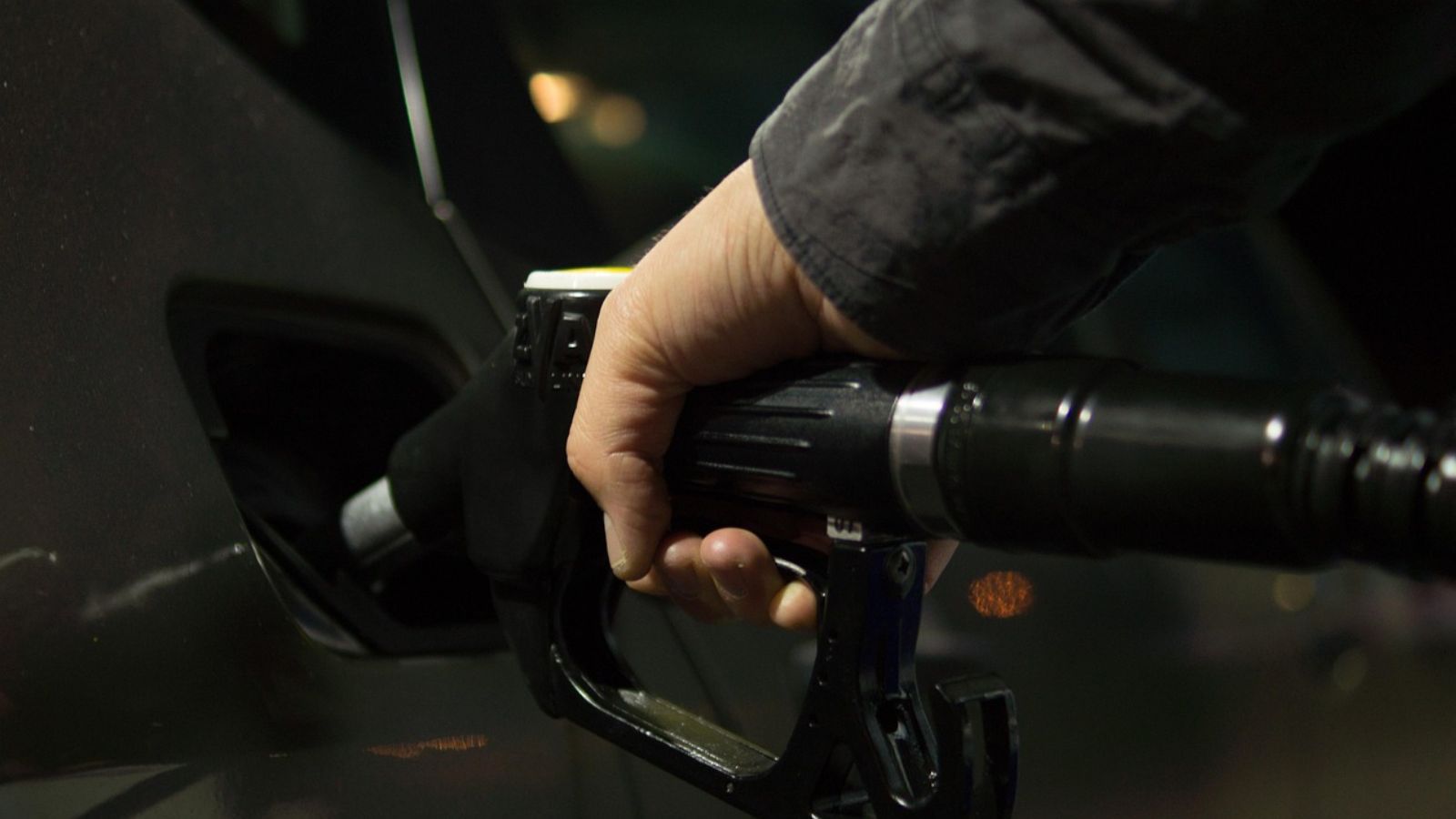
Pakistan has increased the prices of petrol and high-speed diesel (HSD) by more than PKR 13 per litre, reversing last week’s cut in fuel prices, according to a notification issued by the Petroleum Division.
Petrol prices have been raised by PKR 13.18 per litre to PKR 310.71 per litre, while HSD now costs PKR 323.30 per litre after an increase of PKR 13.80 per litre. The revised rates took effect from Saturday, according to the notification.
The latest increase comes a week after Pakistan reduced petrol and diesel prices by PKR 1.97 per litre each, bringing them down to PKR 297.53 and PKR 309.50 per litre, respectively.
Fuel prices in Pakistan had surged sharply following the outbreak of the US-Iran conflict on February 28. Petrol rose from around PKR 266 per litre in early March to a record PKR 458.41 on April 3, while HSD climbed from PKR 281 per litre to an all-time high of PKR 520.35 during the same period. Prices have since eased substantially, though the latest revision partially reverses that decline.
Pakistan has also restructured fuel taxes under its commitments to the International Monetary Fund (IMF). From July 1, the government doubled the climate support levy to PKR 5 per litre while reducing the petroleum levy by an equivalent amount. The petroleum levy now stands at around PKR 80 per litre on diesel and about PKR 70 per litre on petrol, in addition to the climate levy.
The report said the government currently collects about PKR 101 per litre on HSD through customs duty, the petroleum levy, the climate support levy and the inland freight equalisation margin. The total tax burden on petrol is around PKR 95 per litre, including a PKR 20 per litre customs duty, the petroleum levy and the climate support levy.
Petrol and HSD remain Pakistan’s biggest petroleum revenue earners, with monthly sales of around 700,000-800,000 tonnes, compared with about 10,000 tonnes for kerosene.
Earlier, Pakistan had created a Petroleum Prices Stabilisation Fund to shield consumers from sharp swings in fuel prices amid volatility in global oil markets following the recent conflict in West Asia. According to a notification issued by the Ministry of Finance, all proceeds received under the fund will be credited to the Public Account of the Federation under the “Special Deposit Fund” head. The government said the fund’s operational framework is still being finalised and will be developed jointly by the Finance Division, the Petroleum Division and the Oil and Gas Regulatory Authority (OGRA) before it is made operational.
Stay updated with the latest - Click here to follow us on Instagram
Pakistan has increased the prices of petrol and high-speed diesel (HSD) by more than PKR 13 per litre, reversing last week’s cut in fuel prices, according to a notification issued by the Petroleum Division.
Petrol prices have been raised by PKR 13.18 per litre to PKR 310.71 per litre, while HSD now costs PKR 323.30 per litre after an increase of PKR 13.80 per litre. The revised rates took effect from Saturday, according to the notification.
The latest increase comes a week after Pakistan reduced petrol and diesel prices by PKR 1.97 per litre each, bringing them down to PKR 297.53 and PKR 309.50 per litre, respectively.
Fuel prices in Pakistan had surged sharply following the outbreak of the US-Iran conflict on February 28. Petrol rose from around PKR 266 per litre in early March to a record PKR 458.41 on April 3, while HSD climbed from PKR 281 per litre to an all-time high of PKR 520.35 during the same period. Prices have since eased substantially, though the latest revision partially reverses that decline.
Pakistan has also restructured fuel taxes under its commitments to the International Monetary Fund (IMF). From July 1, the government doubled the climate support levy to PKR 5 per litre while reducing the petroleum levy by an equivalent amount. The petroleum levy now stands at around PKR 80 per litre on diesel and about PKR 70 per litre on petrol, in addition to the climate levy.
The report said the government currently collects about PKR 101 per litre on HSD through customs duty, the petroleum levy, the climate support levy and the inland freight equalisation margin. The total tax burden on petrol is around PKR 95 per litre, including a PKR 20 per litre customs duty, the petroleum levy and the climate support levy.
Petrol and HSD remain Pakistan’s biggest petroleum revenue earners, with monthly sales of around 700,000-800,000 tonnes, compared with about 10,000 tonnes for kerosene.
Earlier, Pakistan had created a Petroleum Prices Stabilisation Fund to shield consumers from sharp swings in fuel prices amid volatility in global oil markets following the recent conflict in West Asia. According to a notification issued by the Ministry of Finance, all proceeds received under the fund will be credited to the Public Account of the Federation under the “Special Deposit Fund” head. The government said the fund’s operational framework is still being finalised and will be developed jointly by the Finance Division, the Petroleum Division and the Oil and Gas Regulatory Authority (OGRA) before it is made operational.