

Missing from mourning: Why Iran’s new Supreme Leader skipped father’s funeral
The country's new supreme leader has not appeared in public since the February 28 airstrikes by Israel and the US killed his father, several family members and other senior Iranian officials.
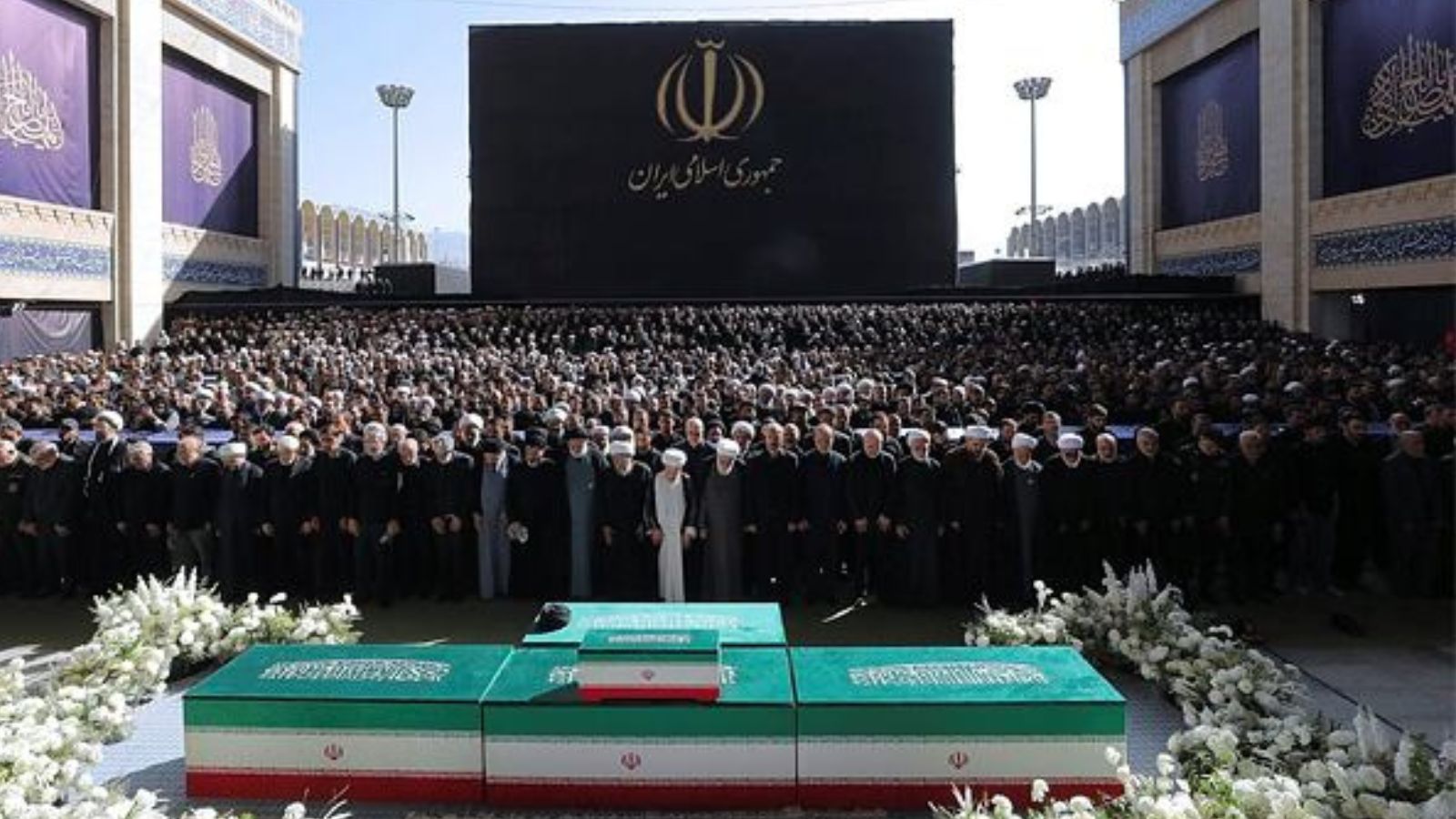
Iran’s political, military and religious leadership gathered in Tehran Sunday for funeral prayers for Ayatollah Ali Khamenei. Standing beside his coffin were three of his sons. Absent was Mojtaba Khamenei, his successor.
The country’s new supreme leader has not appeared in public since the February 28 airstrikes by Israel and the United States killed his father, several family members and other senior Iranian officials. State television showed Khamenei’s three sons (Masoud, Meysam and Mostafa) leading funeral prayers alongside President Masoud Pezeshkian, Parliament Speaker Mohammad Bagher Ghalibaf and senior commanders, but there was no sign of Mojtaba Khamenei.
Mojtaba Khamenei succeeded his father but his absence from the public eye has prompted questions about the whereabouts of Iran’s new leader.
Iran has offered no explanation for Mojtaba Khamenei’s continued absence.
His disappearance stands out because Sunday’s prayers at Tehran’s Grand Mosalla marked the first major public gathering of Iran’s leadership since the war. While Iran’s senior civilian and military officials have gradually returned to the public eye after the ceasefire, Mojtaba has remained out of sight throughout the funeral ceremonies. The country has released his photos and he has issued written statements, often read out on state media-linked news channels.
Israel has publicly threatened to target Iran’s leadership during the conflict, including Mojtaba Khamenei after he succeeded his father. Mojtaba reportedly suffered facial injuries and significant wounds to one or both legs in the strike that killed his father, Reuters reported, citing people close to his inner circle. Iranian authorities have not confirmed those reports or disclosed his whereabouts.
The absence is stark as his brothers appeared together for the funeral. Masoud Pezeshkian and Bagher Ghalibaf were seen praying behind the coffins while Masoud Khamenei was seen crying and wiping his tears with a keffiyeh (a chequered scarf that is now a symbol in Iran of militant revolutionary ideals and solidarity with Palestinians) as an imam recited funeral prayers, agencies report.
The funeral ceremonies have become one of Iran’s largest state events in recent years. Authorities have planned processions across several Iranian cities before taking Ali Khamenei’s remains to Shiite holy sites in Iraq and later returning them to Iran for burial in Mashhad.
Officials said the funeral events would continue through the week, with authorities arranging transport and logistics for mourners expected to participate in the processions.
A far-larger crowd for the funeral attended the ceremony on Sunday than the previous day. The Iranian metro railway network said it had clocked 7 million trips from late on Saturday to Sunday morning as people flocked to the centre.
The schedule: After what authorities are billing as a massive procession in central Tehran on Monday, the remains will be taken to the seminary city of Qom, the centre of Iran’s Shi’ite hierarchy, for ceremonies on Tuesday.
From there the body will be flown to Iraq for ceremonies in the Shi’ite holy shrine cities of Najaf and Kerbala on Wednesday. It will return to Iran on Thursday for another procession in Mashhad, to be buried near the tomb of another of the medieval Shi’ite imams.
US President Donald Trump, in an interview with Axios, expressed surprise at the scale of mourning in Iran. He said that he had expected people to dislike Khamenei and suggested the displays of grief could be “fake”.
He said that the US was holding back during Khamenei’s funeral despite having the capability to strike, telling the outlet: “One shot and we can take them all out, but we are not going to do that because then we would have nobody to negotiate with.” He claimed Iran was “begging to make a deal” and said Washington had paused action for a week out of respect for the ceremonies.
Mojtaba Khamenei now leads Iran at a time when Tehran and Washington have paused negotiations over a permanent ceasefire and broader issues following the four-month conflict.
For now, however, the country’s highest office is occupied by a leader whom the public has yet to see since taking power.
Stay updated with the latest - Click here to follow us on Instagram
Iran’s political, military and religious leadership gathered in Tehran Sunday for funeral prayers for Ayatollah Ali Khamenei. Standing beside his coffin were three of his sons. Absent was Mojtaba Khamenei, his successor.
The country’s new supreme leader has not appeared in public since the February 28 airstrikes by Israel and the United States killed his father, several family members and other senior Iranian officials. State television showed Khamenei’s three sons (Masoud, Meysam and Mostafa) leading funeral prayers alongside President Masoud Pezeshkian, Parliament Speaker Mohammad Bagher Ghalibaf and senior commanders, but there was no sign of Mojtaba Khamenei.
Mojtaba Khamenei succeeded his father but his absence from the public eye has prompted questions about the whereabouts of Iran’s new leader.
Iran has offered no explanation for Mojtaba Khamenei’s continued absence.
His disappearance stands out because Sunday’s prayers at Tehran’s Grand Mosalla marked the first major public gathering of Iran’s leadership since the war. While Iran’s senior civilian and military officials have gradually returned to the public eye after the ceasefire, Mojtaba has remained out of sight throughout the funeral ceremonies. The country has released his photos and he has issued written statements, often read out on state media-linked news channels.
Israel has publicly threatened to target Iran’s leadership during the conflict, including Mojtaba Khamenei after he succeeded his father. Mojtaba reportedly suffered facial injuries and significant wounds to one or both legs in the strike that killed his father, Reuters reported, citing people close to his inner circle. Iranian authorities have not confirmed those reports or disclosed his whereabouts.
The absence is stark as his brothers appeared together for the funeral. Masoud Pezeshkian and Bagher Ghalibaf were seen praying behind the coffins while Masoud Khamenei was seen crying and wiping his tears with a keffiyeh (a chequered scarf that is now a symbol in Iran of militant revolutionary ideals and solidarity with Palestinians) as an imam recited funeral prayers, agencies report.
The funeral ceremonies have become one of Iran’s largest state events in recent years. Authorities have planned processions across several Iranian cities before taking Ali Khamenei’s remains to Shiite holy sites in Iraq and later returning them to Iran for burial in Mashhad.
Officials said the funeral events would continue through the week, with authorities arranging transport and logistics for mourners expected to participate in the processions.
A far-larger crowd for the funeral attended the ceremony on Sunday than the previous day. The Iranian metro railway network said it had clocked 7 million trips from late on Saturday to Sunday morning as people flocked to the centre.
The schedule: After what authorities are billing as a massive procession in central Tehran on Monday, the remains will be taken to the seminary city of Qom, the centre of Iran’s Shi’ite hierarchy, for ceremonies on Tuesday.
From there the body will be flown to Iraq for ceremonies in the Shi’ite holy shrine cities of Najaf and Kerbala on Wednesday. It will return to Iran on Thursday for another procession in Mashhad, to be buried near the tomb of another of the medieval Shi’ite imams.
US President Donald Trump, in an interview with Axios, expressed surprise at the scale of mourning in Iran. He said that he had expected people to dislike Khamenei and suggested the displays of grief could be “fake”.
He said that the US was holding back during Khamenei’s funeral despite having the capability to strike, telling the outlet: “One shot and we can take them all out, but we are not going to do that because then we would have nobody to negotiate with.” He claimed Iran was “begging to make a deal” and said Washington had paused action for a week out of respect for the ceremonies.
Mojtaba Khamenei now leads Iran at a time when Tehran and Washington have paused negotiations over a permanent ceasefire and broader issues following the four-month conflict.
For now, however, the country’s highest office is occupied by a leader whom the public has yet to see since taking power.