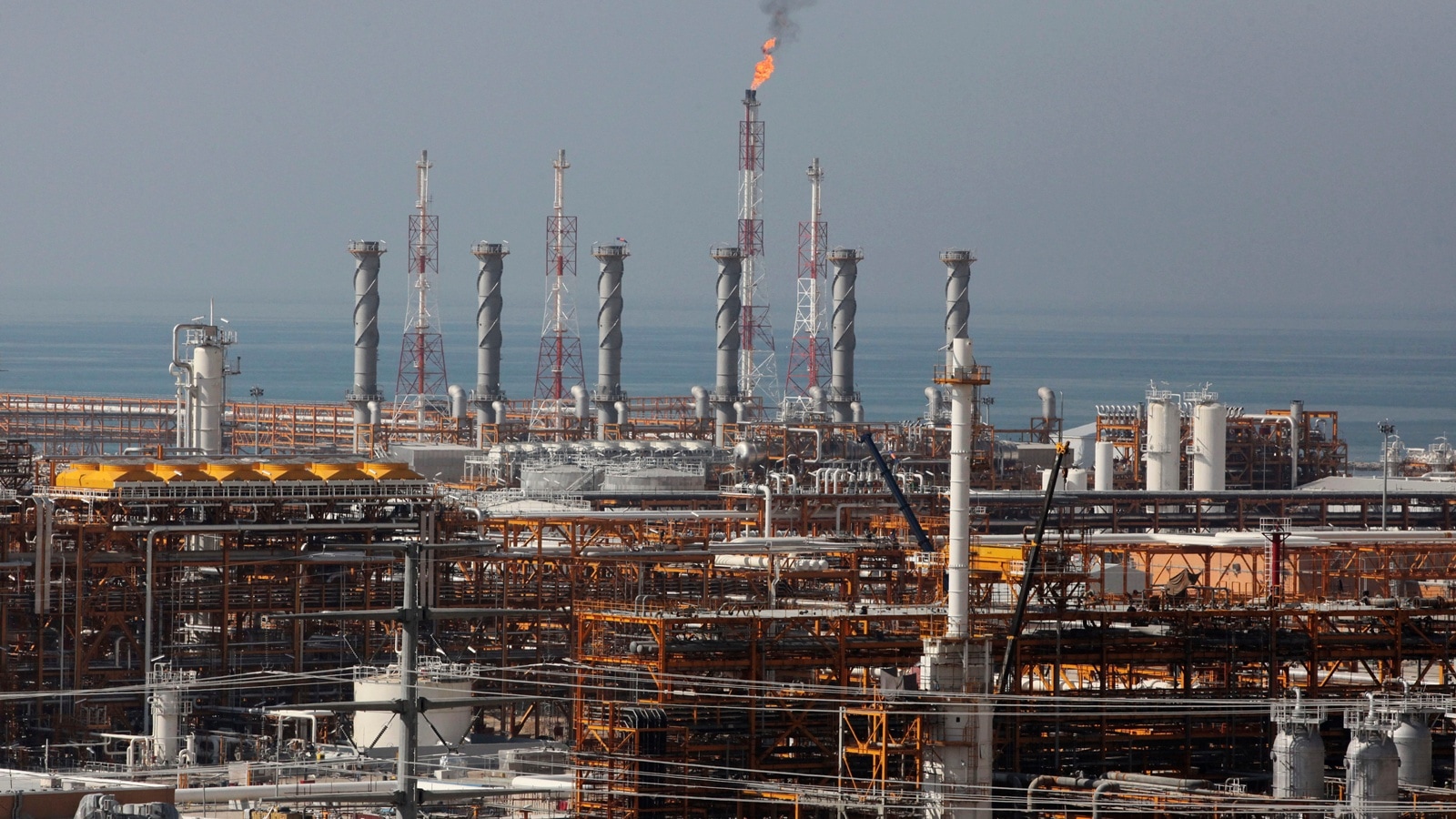


Iran’s South Pars petrochemical plant hit by Israel despite Trump’s assurance
Israel confirmed strike on Iran’s South Pars gas field, with Defence Minister Israel Katz claiming major disruption to key petrochemical infrastructure.
Iran’s key petrochemical plant South Pars natural gas field was attacked by Israeli military on Monday, confirmed Tel Aviv’s Defence Minister Israel Katz, adding that the military has been instructed to continue to attack Iranian infrastructure “with all force”.
Katz called the attack “a powerful strike on the largest petrochemical facility in Iran” which is responsible for about half of Iran’s petrochemical production. Israel’s military spokesperson Lt. Col. Nadav Shoshani said there would be “no immunity” for Iran as talks progress, AP reported.
The South Pars natural gas field is a petrochemical plant shared with Qatar, which is the world’s largest, and sita under the Persian Gulf waters.
“The IDF has now strongly attacked the largest petrochemical facility in Iran located in Asaluyeh,” Israel’s Defence minister Katz said, adding that the petrochemical facility produced half of the Islamic nation’s petrochemicals.
“Now the two facilities, which together are responsible for about 85% of Iran’s petrochemical exports – have been taken out of service and are not functioning,” Katz’s statement added.
Israel had earlier attacked at South Pars in March and the US President Donald Trump had said that Tel Aviv will not repeat its attack on South Pars again but had warned that if Tehran continues its strikes against Qatar’s energy infrastructure, Washington would retaliate and “massively blow up the entirety” of the field.
Tehran had retaliated against Tel Aviv’s attack on South Pars gas field in March by striking energy complex in Qatar and targeting other energy infrastructure in the Gulf region.
The attacks on energy infrastructure in the Gulf region triggered escalation in the war launched by the US and Israel against Iran, which has already responded by virtually blocking the key shipping route of Strait of Hormuz.
Israeli Prime Minister Benjamin Netanyahu, at the time, had said that Israel had “acted alone” in attacking the Iranian gas field. Netanyahu had said that there will be no such attacks on energy targets.
Stay updated with the latest - Click here to follow us on Instagram
Iran’s key petrochemical plant South Pars natural gas field was attacked by Israeli military on Monday, confirmed Tel Aviv’s Defence Minister Israel Katz, adding that the military has been instructed to continue to attack Iranian infrastructure “with all force”.
Katz called the attack “a powerful strike on the largest petrochemical facility in Iran” which is responsible for about half of Iran’s petrochemical production. Israel’s military spokesperson Lt. Col. Nadav Shoshani said there would be “no immunity” for Iran as talks progress, AP reported.
The South Pars natural gas field is a petrochemical plant shared with Qatar, which is the world’s largest, and sita under the Persian Gulf waters.
“The IDF has now strongly attacked the largest petrochemical facility in Iran located in Asaluyeh,” Israel’s Defence minister Katz said, adding that the petrochemical facility produced half of the Islamic nation’s petrochemicals.
“Now the two facilities, which together are responsible for about 85% of Iran’s petrochemical exports – have been taken out of service and are not functioning,” Katz’s statement added.
Israel had earlier attacked at South Pars in March and the US President Donald Trump had said that Tel Aviv will not repeat its attack on South Pars again but had warned that if Tehran continues its strikes against Qatar’s energy infrastructure, Washington would retaliate and “massively blow up the entirety” of the field.
Tehran had retaliated against Tel Aviv’s attack on South Pars gas field in March by striking energy complex in Qatar and targeting other energy infrastructure in the Gulf region.
The attacks on energy infrastructure in the Gulf region triggered escalation in the war launched by the US and Israel against Iran, which has already responded by virtually blocking the key shipping route of Strait of Hormuz.
Israeli Prime Minister Benjamin Netanyahu, at the time, had said that Israel had “acted alone” in attacking the Iranian gas field. Netanyahu had said that there will be no such attacks on energy targets.