

‘War close to over’: Trump says Iran will take ’20 years to rebuild’ amid uncertainty over peace talks
US President Donald Trump indicated that while the war might be nearing its end, the US is not "not finished" with Iran yet.
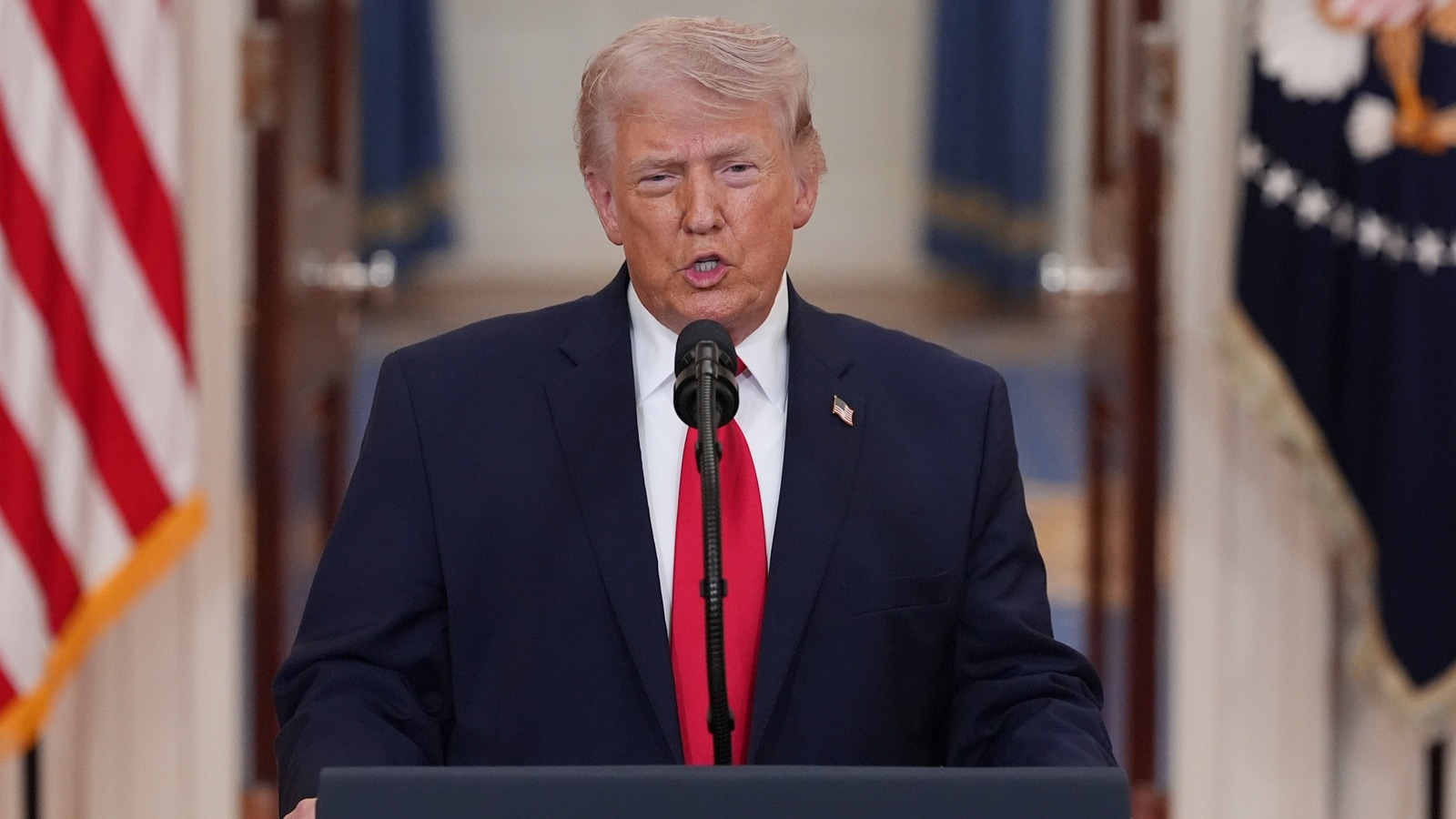
US President Donald Trump on Wednesday said that the Iran war is “very close to being over” during the final days of the two-week ceasefire agreement, as uncertainty looms over peace talks between the two nations.
In an interview with Fox News, Trump said, “I think it’s close to over, yeah. I view it as very close to being over.” His remarks come shortly after the New York Post reported that the peace talks between Iran and the US could resume on Thursday, days after the stalled talks in Pakistan.
During the conversation, Trump indicated that while the war might be nearing its end, the US is not “not finished” with Iran yet.
“If I pulled up stakes right now, it would take them 20 years to rebuild that country. And we’re not finished,” he said. “We’ll see what happens. I think they want to make a deal very badly.”
Trump, during the Fox News interview, also said that if the US hadn’t waged war on Iran, the country would have a nuclear weapon by now.
“And if they had a nuclear weapon, you would be calling everybody over there sir. And you don’t want to do that,” the US President said.
Earlier, the International Atomic Energy Agency (IAEA) – the United Nations’ atomic watchdog – said that it “hasn’t seen any activity” of Iran building its enrichment program.
While neither side has indicated a course of action after the two-week ceasefire agreement expires on April 22, it is likely that a fresh round of talks between US and Iran will take place this week.
With Pakistan racing to bring the sides together for more talks, Trump said Tuesday that a second round “could be happening over the next two days.” The first round ended without an agreement on Iran’s nuclear ambitions, which the White House says is a sticking point.
The talks between the two sides collapsed in Islamabad when US claimed that Iran refused to let go of its nuclear program, and Tehran said that Washington refused to adhere to its conditions for peace, which included a complete ceasefire in Lebanon.
(With inputs from AP)
Stay updated with the latest - Click here to follow us on Instagram
US President Donald Trump on Wednesday said that the Iran war is “very close to being over” during the final days of the two-week ceasefire agreement, as uncertainty looms over peace talks between the two nations.
In an interview with Fox News, Trump said, “I think it’s close to over, yeah. I view it as very close to being over.” His remarks come shortly after the New York Post reported that the peace talks between Iran and the US could resume on Thursday, days after the stalled talks in Pakistan.
During the conversation, Trump indicated that while the war might be nearing its end, the US is not “not finished” with Iran yet.
“If I pulled up stakes right now, it would take them 20 years to rebuild that country. And we’re not finished,” he said. “We’ll see what happens. I think they want to make a deal very badly.”
Trump, during the Fox News interview, also said that if the US hadn’t waged war on Iran, the country would have a nuclear weapon by now.
“And if they had a nuclear weapon, you would be calling everybody over there sir. And you don’t want to do that,” the US President said.
Earlier, the International Atomic Energy Agency (IAEA) – the United Nations’ atomic watchdog – said that it “hasn’t seen any activity” of Iran building its enrichment program.
While neither side has indicated a course of action after the two-week ceasefire agreement expires on April 22, it is likely that a fresh round of talks between US and Iran will take place this week.
With Pakistan racing to bring the sides together for more talks, Trump said Tuesday that a second round “could be happening over the next two days.” The first round ended without an agreement on Iran’s nuclear ambitions, which the White House says is a sticking point.
The talks between the two sides collapsed in Islamabad when US claimed that Iran refused to let go of its nuclear program, and Tehran said that Washington refused to adhere to its conditions for peace, which included a complete ceasefire in Lebanon.
(With inputs from AP)