

Pre-negotiation threats by Iran, Trump cast shadow over ‘make-or-break’ Islamabad peace talks
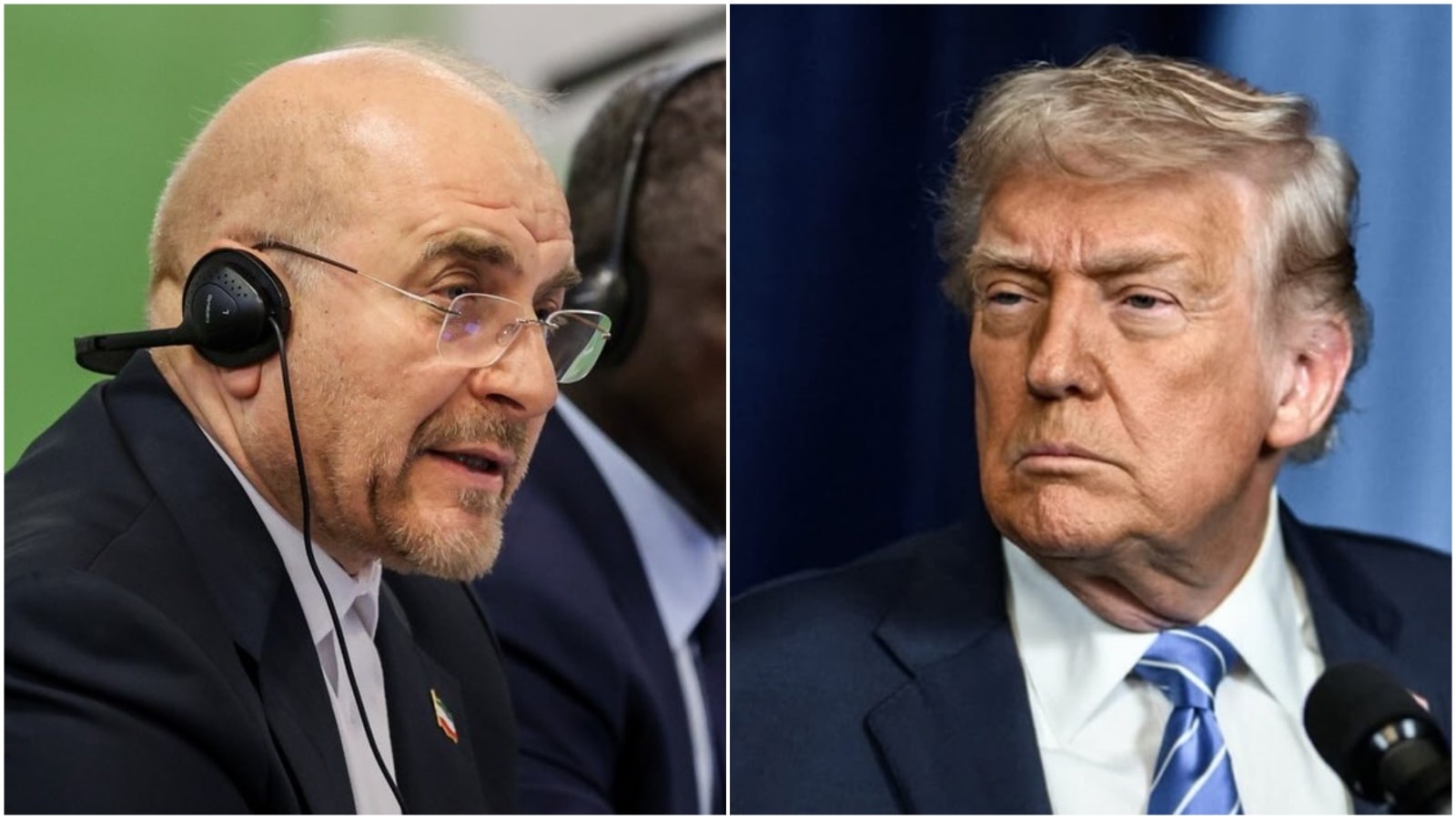
Donald Trump has warned of "complete decimation" as Iran demanded a Lebanon ceasefire and unblocking of assets before beginning the Islamabad talks today. Pakistan PM Shehbaz Sharif has called the talks a "make-or-break" phase.
Iran’s negotiators reached Islamabad on Friday for the planned talks with the United States. However, Tehran said certain conditions, including ceasefire in Lebanon and the release of Iran’s blocked assets, must be met before the discussions can be held. On the other hand, US President Donald Trump warned that that if Iran doesn’t agree to a deal, the US will launch fresh attack. With just hours left for the scheduled negotiations, these pre-talk statements have cast uncertainty over whether discussions would proceed as scheduled.
Two of the measures mutually agreed upon between the parties have yet to be implemented: a ceasefire in Lebanon and the release of Iran’s blocked assets prior to the commencement of negotiations.
These two matters must be fulfilled before negotiations begin.
— محمدباقر قالیباف | MB Ghalibaf (@mb_ghalibaf) April 10, 2026
Amid the threats and counterthreats, Pakistan Prime Minister Nawaz Sharif said the Islamabad talks were a “make or break” deal. While Iran Speaker
US President Donald Trump had announced a two-week ceasefire in the six-week conflict earlier this week, just hours before a deadline after which he had warned of severe consequences for Iran. The truce has brought a pause to US and Israeli airstrikes, but key tensions remain unresolved.
Iran has allegedly not lifted its blockade of the Strait of Hormuz, a move that has severely disrupted global energy flows. At the same time, fighting continues between Israel and Iran-backed Hezbollah in Lebanon.
Iran’s parliamentary Speaker Mohammad Baqher Ghalibaf said Washington had earlier committed to unfreezing Iranian assets and securing a ceasefire in Lebanon, adding that talks would not begin until those assurances are honoured.
Arrival of the delegation of the Islamic Republic of Iran for Islamabad Talks pic.twitter.com/aJYU9cx5t2
— Ministry of Foreign Affairs – Pakistan (@ForeignOfficePk) April 10, 2026
Trump, on the other hand, said in an interview to New York Post, “We’re loading up the ships. We’re loading up the ships with the best weapons ever made, even at a higher level than we used to do a complete decimation. And if we don’t have a deal, we will be using them, and we will be using them very effectively.”
The Iranian delegation, headed by Ghalibaf and Iran Foreign Minister Abbas Araqchi, includes around 70 members. According to Iranian media, the group comprises technical experts across economic, security, and political sectors, along with media and support staff, reflecting the high stakes involved.
Speaking in Islamabad, Ghalibaf said Iran was open to negotiations but did not trust the United States. He added that Tehran was willing to reach an agreement if Washington presented what he described as a genuine deal that recognised Iran’s rights.
Araghchi said Iran would continue criminal trial against Israeli President Benjamin Netanyahu. “A region-wide ceasefire, including in Lebanon, would hasten his jailing. If the US wishes to crater its economy by letting Netanyahu kill diplomacy, that would ultimately be its choice. We think that would be dumb but are prepared for it,” he said.
Netanyahu’s criminal trial resumes on Sun. A region-wide ceasefire, incl in Lebanon, would hasten his jailing.
If the U S. wishes to crater its economy by letting Netanyahu kill diplomacy, that would ultimately be its choice. We think that would be dumb but are prepared for it.
— Seyed Abbas Araghchi (@araghchi) April 9, 2026
There was no immediate response from the White House to Iran’s demands. Trump, however, said in a social media post that Iran’s position was weak and accused it of leveraging control over international waterways as a form of pressure.
US Vice-President JD Vance, who is leading the American delegation, said he remained optimistic about the outcome but warned that the US would not respond positively if it felt misled during the talks.
Pakistan’s Prime Minister Shehbaz Sharif, addressing the nation on Friday night, described the negotiations as a critical moment, saying the next phase would determine whether a lasting ceasefire could be secured through dialogue. “The permanent ceasefire is the next difficult phase, which is to resolve the complicated issues through negotiation. This, as called in English, is a make-or-break phase,” Sharif said.
Tensions remain high in the West Asia region. Israeli and Lebanese officials said their respective envoys would meet in Washington next week, though the scope of those discussions remains unclear.
Lebanon’s presidency indicated the talks would focus on a ceasefire and setting a timeline for broader negotiations under US mediation. In contrast, Israel’s embassy said the meeting would mark the start of formal peace negotiations and ruled out discussing a ceasefire with Hezbollah.
Israel and the United States have maintained that military operations against Hezbollah are separate from the Iran-US ceasefire. However, Pakistan and Lebanon have stressed that Lebanon was very much part of the peace deal with Iran.
Shortly after the truce was announced, Israel carried out one of the deadliest attacks of the conflict, with Lebanese authorities reporting over 350 deaths.
Strikes continued across southern Lebanon on Friday. A government building in Nabatieh was hit, killing 13 members of Lebanon’s state security forces, according to the country’s president. Hezbollah responded by launching rockets towards northern Israeli towns.
Lebanese officials say nearly 2,000 people have been killed in Israeli strikes since early March.
Iran’s firm stance ahead of the talks follows remarks by its new Supreme Leader, Ayatollah Mojtaba Khamenei, who said the country would seek compensation for wartime damage and hold those responsible accountable.
Despite Trump’s claims of weakening Iran’s military capabilities, several of his stated objectives remain unmet. Iran retains missile and drone capabilities and continues to hold a significant stockpile of highly enriched uranium.
WHAT ARE IRAN’S DEMANDS? READ HERE
Tehran is expected to push for major concessions in the negotiations, including the lifting of sanctions and recognition of its authority over the Strait of Hormuz, where it seeks to regulate access and impose transit fees.
On Friday, Iranian vessels were moving through the strait without obstruction, while ships from other countries remained restricted, reported news agency Reuters.
Stay updated with the latest - Click here to follow us on Instagram
Iran’s negotiators reached Islamabad on Friday for the planned talks with the United States. However, Tehran said certain conditions, including ceasefire in Lebanon and the release of Iran’s blocked assets, must be met before the discussions can be held. On the other hand, US President Donald Trump warned that that if Iran doesn’t agree to a deal, the US will launch fresh attack. With just hours left for the scheduled negotiations, these pre-talk statements have cast uncertainty over whether discussions would proceed as scheduled.
Two of the measures mutually agreed upon between the parties have yet to be implemented: a ceasefire in Lebanon and the release of Iran’s blocked assets prior to the commencement of negotiations.
These two matters must be fulfilled before negotiations begin.
— محمدباقر قالیباف | MB Ghalibaf (@mb_ghalibaf) April 10, 2026
Amid the threats and counterthreats, Pakistan Prime Minister Nawaz Sharif said the Islamabad talks were a “make or break” deal. While Iran Speaker
US President Donald Trump had announced a two-week ceasefire in the six-week conflict earlier this week, just hours before a deadline after which he had warned of severe consequences for Iran. The truce has brought a pause to US and Israeli airstrikes, but key tensions remain unresolved.
Iran has allegedly not lifted its blockade of the Strait of Hormuz, a move that has severely disrupted global energy flows. At the same time, fighting continues between Israel and Iran-backed Hezbollah in Lebanon.
Iran’s parliamentary Speaker Mohammad Baqher Ghalibaf said Washington had earlier committed to unfreezing Iranian assets and securing a ceasefire in Lebanon, adding that talks would not begin until those assurances are honoured.
Arrival of the delegation of the Islamic Republic of Iran for Islamabad Talks pic.twitter.com/aJYU9cx5t2
— Ministry of Foreign Affairs – Pakistan (@ForeignOfficePk) April 10, 2026
Trump, on the other hand, said in an interview to New York Post, “We’re loading up the ships. We’re loading up the ships with the best weapons ever made, even at a higher level than we used to do a complete decimation. And if we don’t have a deal, we will be using them, and we will be using them very effectively.”
The Iranian delegation, headed by Ghalibaf and Iran Foreign Minister Abbas Araqchi, includes around 70 members. According to Iranian media, the group comprises technical experts across economic, security, and political sectors, along with media and support staff, reflecting the high stakes involved.
Speaking in Islamabad, Ghalibaf said Iran was open to negotiations but did not trust the United States. He added that Tehran was willing to reach an agreement if Washington presented what he described as a genuine deal that recognised Iran’s rights.
Araghchi said Iran would continue criminal trial against Israeli President Benjamin Netanyahu. “A region-wide ceasefire, including in Lebanon, would hasten his jailing. If the US wishes to crater its economy by letting Netanyahu kill diplomacy, that would ultimately be its choice. We think that would be dumb but are prepared for it,” he said.
Netanyahu’s criminal trial resumes on Sun. A region-wide ceasefire, incl in Lebanon, would hasten his jailing.
If the U S. wishes to crater its economy by letting Netanyahu kill diplomacy, that would ultimately be its choice. We think that would be dumb but are prepared for it.
— Seyed Abbas Araghchi (@araghchi) April 9, 2026
There was no immediate response from the White House to Iran’s demands. Trump, however, said in a social media post that Iran’s position was weak and accused it of leveraging control over international waterways as a form of pressure.
US Vice-President JD Vance, who is leading the American delegation, said he remained optimistic about the outcome but warned that the US would not respond positively if it felt misled during the talks.
Pakistan’s Prime Minister Shehbaz Sharif, addressing the nation on Friday night, described the negotiations as a critical moment, saying the next phase would determine whether a lasting ceasefire could be secured through dialogue. “The permanent ceasefire is the next difficult phase, which is to resolve the complicated issues through negotiation. This, as called in English, is a make-or-break phase,” Sharif said.
Tensions remain high in the West Asia region. Israeli and Lebanese officials said their respective envoys would meet in Washington next week, though the scope of those discussions remains unclear.
Lebanon’s presidency indicated the talks would focus on a ceasefire and setting a timeline for broader negotiations under US mediation. In contrast, Israel’s embassy said the meeting would mark the start of formal peace negotiations and ruled out discussing a ceasefire with Hezbollah.
Israel and the United States have maintained that military operations against Hezbollah are separate from the Iran-US ceasefire. However, Pakistan and Lebanon have stressed that Lebanon was very much part of the peace deal with Iran.
Shortly after the truce was announced, Israel carried out one of the deadliest attacks of the conflict, with Lebanese authorities reporting over 350 deaths.
Strikes continued across southern Lebanon on Friday. A government building in Nabatieh was hit, killing 13 members of Lebanon’s state security forces, according to the country’s president. Hezbollah responded by launching rockets towards northern Israeli towns.
Lebanese officials say nearly 2,000 people have been killed in Israeli strikes since early March.
Iran’s firm stance ahead of the talks follows remarks by its new Supreme Leader, Ayatollah Mojtaba Khamenei, who said the country would seek compensation for wartime damage and hold those responsible accountable.
Despite Trump’s claims of weakening Iran’s military capabilities, several of his stated objectives remain unmet. Iran retains missile and drone capabilities and continues to hold a significant stockpile of highly enriched uranium.
WHAT ARE IRAN’S DEMANDS? READ HERE
Tehran is expected to push for major concessions in the negotiations, including the lifting of sanctions and recognition of its authority over the Strait of Hormuz, where it seeks to regulate access and impose transit fees.
On Friday, Iranian vessels were moving through the strait without obstruction, while ships from other countries remained restricted, reported news agency Reuters.