

Iran sets funeral, burial dates for late Supreme Leader Ali Khamenei
The funeral, originally expected to take place earlier, was delayed as the conflict between Iran, the United States and Israel continued.
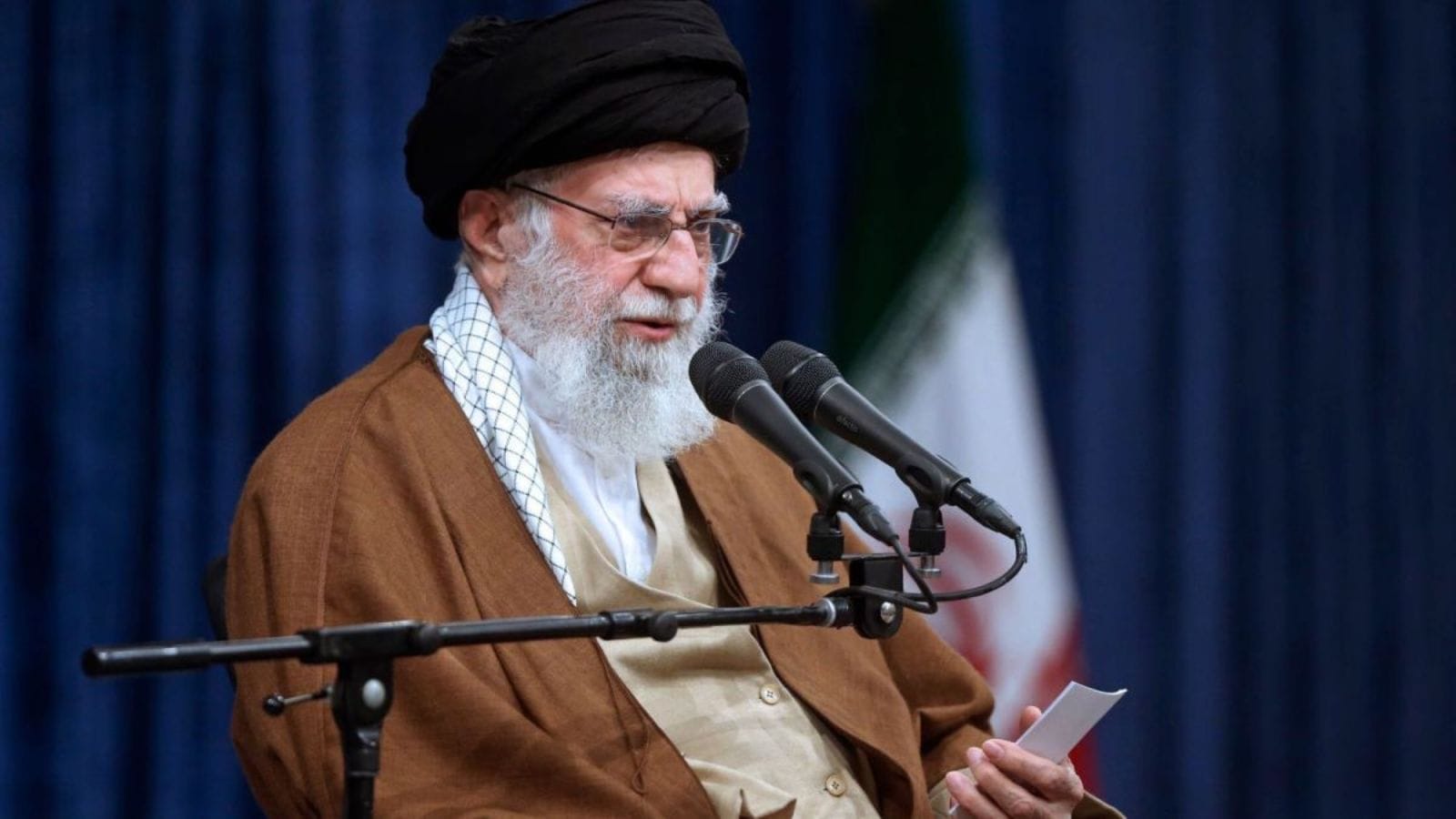
The funeral of Iran’s late Supreme Leader, Ayatollah Ali Khamenei, will begin in Tehran on July 4 and conclude with his burial in his hometown of Mashhad, the holy city in northeastern Iran, on July 9, according to Iranian state media.
The funeral, initially scheduled for March but postponed as the war continued, will follow three days of funeral ceremonies in Tehran from July 4 and another in the holy city of Qom on July 7.
Khamenei, who was killed in a joint US-Israeli airstrike on February 28, was 86 and had led the Islamic Republic for 36 years.
Under the Islamic tradition, the deceased are generally buried as soon as possible, ideally within 24 hours of death. Religious authorities, however, allow exceptions in extraordinary circumstances, including during periods of war.
Khamenei succeeded Ayatollah Ruhollah Khomeini as Supreme Leader in 1989 and became the Islamic Republic’s most powerful political and religious figure. During his tenure, he oversaw the expansion of Iran’s military and security apparatus and deepened Tehran’s influence across West Asia through allied groups, including Hezbollah in Lebanon.
A staunch critic of the United States, Khamenei shaped Iran’s regional strategy for more than three decades while presiding over a political system that faced repeated domestic unrest and international disputes over its nuclear programme.
Khamenei’s son, Mojtaba Khamenei, succeeded him as Supreme Leader in early March.
Meanwhile, US President Donald Trump has said that the first stage of a peace deal with Iran will be signed on Sunday, after more than 100 days of war that triggered a global energy crisis.
Tehran, however, has disputed the timeline, saying the agreement could be finalised in the “coming days.” Iranian Foreign Ministry spokesperson Esmaeil Baghaei cautioned against specifying a signing date.
Iran has agreed not to produce or acquire nuclear weapons under a draft memorandum of understanding with the United States (US), news agency Reuters reported Sunday, citing a senior Iranian official.
The draft memorandum covers Iran’s nuclear programme, sanctions relief and the reopening of the Strait of Hormuz, with both sides set to discuss a final agreement during the 60 days following approval of the framework, the official told Reuters. Tehran or Washington haven’t officially reacted to this report so far.
Stay updated with the latest - Click here to follow us on Instagram
The funeral of Iran’s late Supreme Leader, Ayatollah Ali Khamenei, will begin in Tehran on July 4 and conclude with his burial in his hometown of Mashhad, the holy city in northeastern Iran, on July 9, according to Iranian state media.
The funeral, initially scheduled for March but postponed as the war continued, will follow three days of funeral ceremonies in Tehran from July 4 and another in the holy city of Qom on July 7.
Khamenei, who was killed in a joint US-Israeli airstrike on February 28, was 86 and had led the Islamic Republic for 36 years.
Under the Islamic tradition, the deceased are generally buried as soon as possible, ideally within 24 hours of death. Religious authorities, however, allow exceptions in extraordinary circumstances, including during periods of war.
Khamenei succeeded Ayatollah Ruhollah Khomeini as Supreme Leader in 1989 and became the Islamic Republic’s most powerful political and religious figure. During his tenure, he oversaw the expansion of Iran’s military and security apparatus and deepened Tehran’s influence across West Asia through allied groups, including Hezbollah in Lebanon.
A staunch critic of the United States, Khamenei shaped Iran’s regional strategy for more than three decades while presiding over a political system that faced repeated domestic unrest and international disputes over its nuclear programme.
Khamenei’s son, Mojtaba Khamenei, succeeded him as Supreme Leader in early March.
Meanwhile, US President Donald Trump has said that the first stage of a peace deal with Iran will be signed on Sunday, after more than 100 days of war that triggered a global energy crisis.
Tehran, however, has disputed the timeline, saying the agreement could be finalised in the “coming days.” Iranian Foreign Ministry spokesperson Esmaeil Baghaei cautioned against specifying a signing date.
Iran has agreed not to produce or acquire nuclear weapons under a draft memorandum of understanding with the United States (US), news agency Reuters reported Sunday, citing a senior Iranian official.
The draft memorandum covers Iran’s nuclear programme, sanctions relief and the reopening of the Strait of Hormuz, with both sides set to discuss a final agreement during the 60 days following approval of the framework, the official told Reuters. Tehran or Washington haven’t officially reacted to this report so far.