

Iran’s ‘Versailles’ hit: 140 historical sites damaged in US and Israeli airstrikes
Reports show that 77 sites in Tehran were affected by the US-Israeli strikes, of which 38 are classified as National heritage property by Iran.
The cost of the continuing war in Iran has spread beyond the human and economic toll. The attacks have roiled the art world as several historical sites, museums and cultural landmarks have taken a hit.
Sajjad Asghari, secretary of the Committee for the Follow-up of the Protection of Historical Monuments said that while 90 per cent of sites sustained minor damage, the remaining 10 per cent suffered severe damage after the strikes, Qatar-based news organisation Al Jazeera reported.
Asghari added that the damage affected the exterior structures of the buildings, while the interiors of museums and cultural artefacts have not been severely impacted.
Tehran has reported a majority damage to historical sites with 77 of them identified so far. Of these, 38 are classified as national heritage property by Iran. Overall, more than 140 historical sites across the country are said to have been impacted by the attacks.
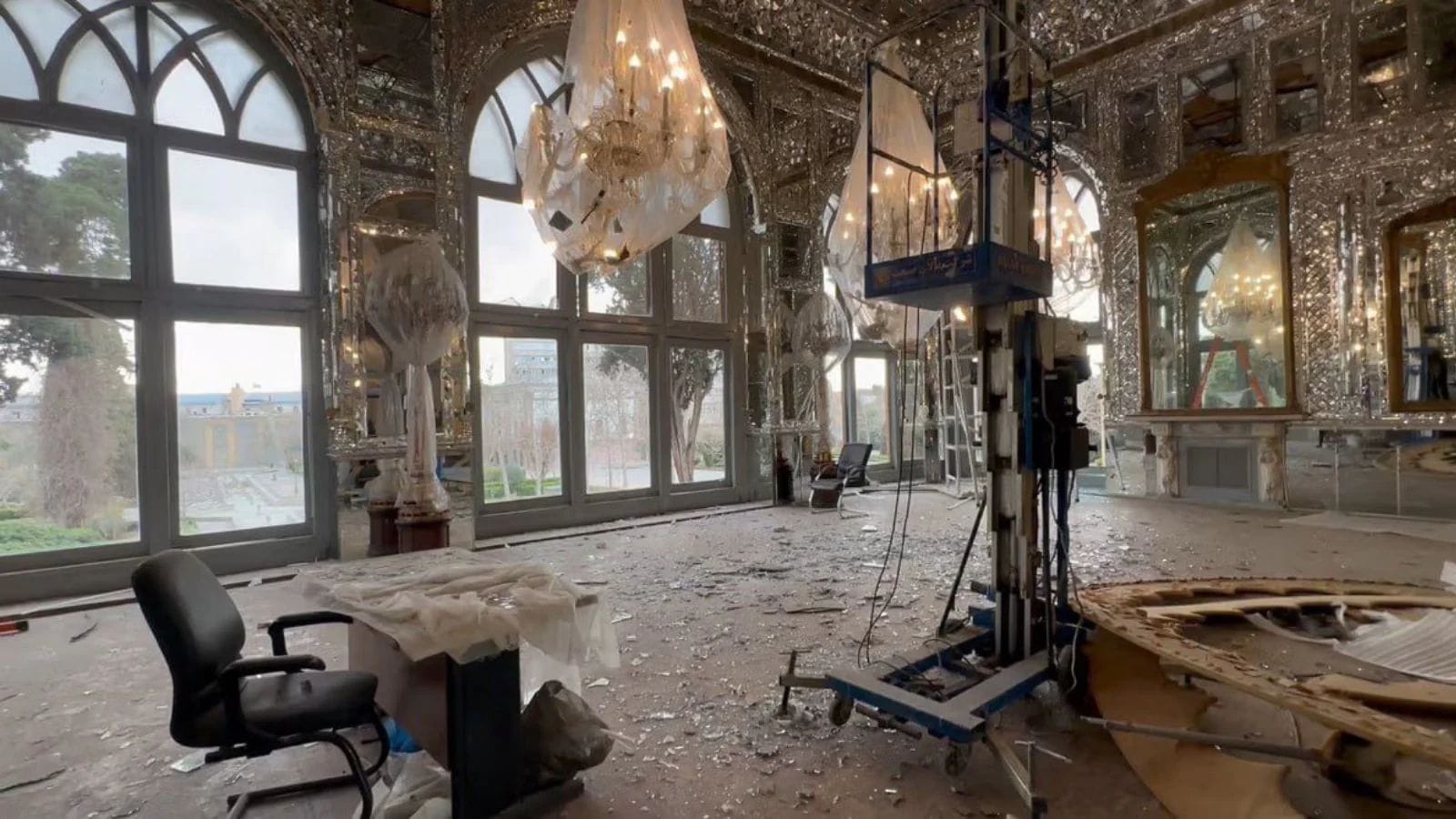
UNESCO had earlier expressed concern over the fate of several Iranian heritage sites. The reported damage to the Golestan palace has raised questions about the impact on the country’s cultural legacy. The United Nations Educational, Scientific and Cultural Organization (UNESCO), is a specialised agency dedicated to strengthening international cooperation in the fields of education, science, culture, and information, according to its website.
The UN agency on March 8 urged all parties to protect cultural sites in the region.
“UNESCO is deeply concerned by the first impact that the hostilities are already having on many world heritage sites,” Lazare Eloundou Assomo, director of the World Heritage Centre, told Reuters.
Golestan Palace is one of the oldest monuments in the Tehran city and is often compared to Europe’s Versailles. A UNESCO World Heritage Site, it comprises 17 structures, including palaces, museums, and halls built during the Qajar dynasty.
Iran’s Foreign Minister Seyed Abbas Araghchi took to X platform on March 12, 2026 and criticised UNESCO for its silence on the issue.
“It’s natural that a regime that won’t last a century hates nations with ancient pasts. But where’s UNESCO? Its silence is unacceptable,” Aragchi said on his X.
Israel is bombing Iranian historical monuments dating as far back as the 14th century. Multiple UNESCO World Heritage Sites have been struck.
It’s natural that a regime that won’t last a century hates nations with ancient pasts. But where’s UNESCO? Its silence is unacceptable. pic.twitter.com/7eu09Cjiyf
— Seyed Abbas Araghchi (@araghchi) March 12, 2026
In the second week of the war, strikes targeted the city of Isfahan in Iran.
Stay updated with the latest - Click here to follow us on Instagram
The cost of the continuing war in Iran has spread beyond the human and economic toll. The attacks have roiled the art world as several historical sites, museums and cultural landmarks have taken a hit.
Sajjad Asghari, secretary of the Committee for the Follow-up of the Protection of Historical Monuments said that while 90 per cent of sites sustained minor damage, the remaining 10 per cent suffered severe damage after the strikes, Qatar-based news organisation Al Jazeera reported.
Asghari added that the damage affected the exterior structures of the buildings, while the interiors of museums and cultural artefacts have not been severely impacted.
Tehran has reported a majority damage to historical sites with 77 of them identified so far. Of these, 38 are classified as national heritage property by Iran. Overall, more than 140 historical sites across the country are said to have been impacted by the attacks.
UNESCO had earlier expressed concern over the fate of several Iranian heritage sites. The reported damage to the Golestan palace has raised questions about the impact on the country’s cultural legacy. The United Nations Educational, Scientific and Cultural Organization (UNESCO), is a specialised agency dedicated to strengthening international cooperation in the fields of education, science, culture, and information, according to its website.
The UN agency on March 8 urged all parties to protect cultural sites in the region.
“UNESCO is deeply concerned by the first impact that the hostilities are already having on many world heritage sites,” Lazare Eloundou Assomo, director of the World Heritage Centre, told Reuters.
Golestan Palace is one of the oldest monuments in the Tehran city and is often compared to Europe’s Versailles. A UNESCO World Heritage Site, it comprises 17 structures, including palaces, museums, and halls built during the Qajar dynasty.
Iran’s Foreign Minister Seyed Abbas Araghchi took to X platform on March 12, 2026 and criticised UNESCO for its silence on the issue.
“It’s natural that a regime that won’t last a century hates nations with ancient pasts. But where’s UNESCO? Its silence is unacceptable,” Aragchi said on his X.
Israel is bombing Iranian historical monuments dating as far back as the 14th century. Multiple UNESCO World Heritage Sites have been struck.
It’s natural that a regime that won’t last a century hates nations with ancient pasts. But where’s UNESCO? Its silence is unacceptable. pic.twitter.com/7eu09Cjiyf
— Seyed Abbas Araghchi (@araghchi) March 12, 2026
In the second week of the war, strikes targeted the city of Isfahan in Iran.