

Inside Iran’s ‘spy’ crackdown: List of men executed for Mossad ties since the June 2025 war with Israel
Iranian authorities argue that those executed were involved in sabotage, intelligence gathering, or facilitating Israeli operations inside the country.
Iran executions for Israel spying since the June 2025 war have increased sharply, with multiple individuals put to death over alleged links to Mossad operations.
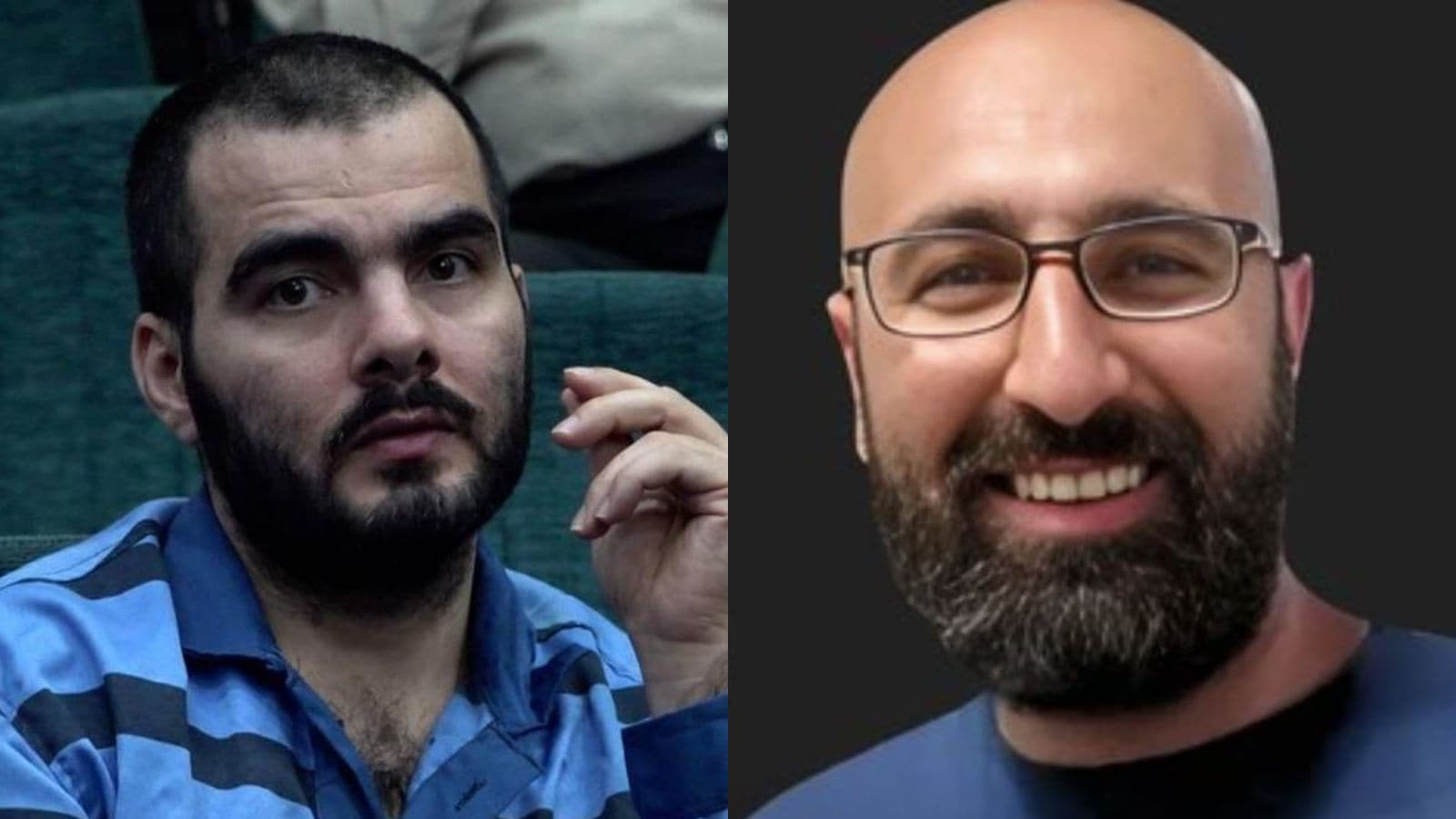
The recent execution of Kourosh Keyvani has brought renewed global attention to Iran’s escalating crackdown on alleged spies linked to Israel’s Mossad.
According to reports, Keyvani was convicted of providing sensitive images and information about strategic locations to Israeli intelligence after being arrested during the June 2025 Iran-Israel war.
His execution is not an isolated case. Since the conflict, Iran has carried out a series of executions targeting individuals accused of espionage, with multiple cases confirmed by international bodies.
Here’s a look at the six executions in Iran related to the Israel-Iran war since June 2025.
Iran executed Ali Ardestani in early January 2026 after convicting him of spying for Mossad. According to a Reuters report, Authorities alleged that Ardestani transferred sensitive images and videos of strategic sites to Israeli intelligence in exchange for cryptocurrency payments.
State media described him as a “special operative force” working for Israel. Reports further claimed that he had been recruited online and was motivated by financial incentives, including the promise of a large payout and a foreign visa.
His case went through Iran’s judicial system, including review by the Supreme Court, before the execution was carried out.
Another execution in Iran in January 2026 involved Hamidreza Sabet Esmaeilipour, who was accused of cooperating with Mossad by supplying classified information, Reuters reported.
According to reports, Iranian authorities charged him with espionage and intelligence collaboration, leading to a death sentence upheld by the Supreme Court. His execution formed part of a cluster of cases announced within weeks, signalling a sharp increase in capital punishment linked to espionage following the June war.
In December 2025, Iran executed Aghil Keshavarz, a 27-year-old architecture student, on charges of spying for Israel and links to opposition groups.
Human rights organisations cited in a Reuters report claimed that his conviction relied on confessions obtained under torture, though Iranian authorities maintained that he had collaborated with Mossad. The execution came amid heightened tensions following Israeli operations inside Iran earlier in the year.
Babak Shahbazi was executed in September 2025 after being accused of collecting and transmitting sensitive data related to Iranian infrastructure to Israel.
According to a Reuters report citing Associated Press, activists disputed the charges, alleging that Shahbazi had been coerced into a false confession. His execution was part of what observers described as a broader wave of death sentences linked to espionage cases following the June conflict with Israel.
According to The Times Of Israel, one of the most high-profile cases was that of Bahman Choubi-asl, executed in September 2025 and described by Iranian authorities as “one of the most important spies” for Israel. According to reports, he was accused of attempting to access sensitive government databases and track the import of electronic equipment as part of Mossad operations.
His conviction on the charge of “corruption on earth” — one of Iran’s most serious offences — was upheld by the Supreme Court, leading to his execution. The case underscored Tehran’s claim that foreign intelligence agencies were targeting critical infrastructure and data systems.
Rouzbeh Vadi, a man accused of passing sensitive intelligence to Israel, was executed in August 2025 amid intensified crackdowns on alleged espionage following last year’s conflict, a Reuters report said. Iranian authorities allege Rouzbeh Vadi was recruited online and held multiple meetings with Mossad operatives in Vienna.
The executions point to a clear pattern. Following the June 2025 conflict — a 12-day war involving direct strikes between Iran and Israel — Tehran intensified its internal security measures.
Iranian authorities argue that those executed were involved in sabotage, intelligence gathering, or facilitating Israeli operations inside the country. However, human rights organisations and international observers have raised concerns about due process, citing allegations of coerced confessions and closed-door trials.
Stay updated with the latest - Click here to follow us on Instagram
Iran executions for Israel spying since the June 2025 war have increased sharply, with multiple individuals put to death over alleged links to Mossad operations.
The recent execution of Kourosh Keyvani has brought renewed global attention to Iran’s escalating crackdown on alleged spies linked to Israel’s Mossad.
According to reports, Keyvani was convicted of providing sensitive images and information about strategic locations to Israeli intelligence after being arrested during the June 2025 Iran-Israel war.
His execution is not an isolated case. Since the conflict, Iran has carried out a series of executions targeting individuals accused of espionage, with multiple cases confirmed by international bodies.
Here’s a look at the six executions in Iran related to the Israel-Iran war since June 2025.
Iran executed Ali Ardestani in early January 2026 after convicting him of spying for Mossad. According to a Reuters report, Authorities alleged that Ardestani transferred sensitive images and videos of strategic sites to Israeli intelligence in exchange for cryptocurrency payments.
State media described him as a “special operative force” working for Israel. Reports further claimed that he had been recruited online and was motivated by financial incentives, including the promise of a large payout and a foreign visa.
His case went through Iran’s judicial system, including review by the Supreme Court, before the execution was carried out.
Another execution in Iran in January 2026 involved Hamidreza Sabet Esmaeilipour, who was accused of cooperating with Mossad by supplying classified information, Reuters reported.
According to reports, Iranian authorities charged him with espionage and intelligence collaboration, leading to a death sentence upheld by the Supreme Court. His execution formed part of a cluster of cases announced within weeks, signalling a sharp increase in capital punishment linked to espionage following the June war.
In December 2025, Iran executed Aghil Keshavarz, a 27-year-old architecture student, on charges of spying for Israel and links to opposition groups.
Human rights organisations cited in a Reuters report claimed that his conviction relied on confessions obtained under torture, though Iranian authorities maintained that he had collaborated with Mossad. The execution came amid heightened tensions following Israeli operations inside Iran earlier in the year.
Babak Shahbazi was executed in September 2025 after being accused of collecting and transmitting sensitive data related to Iranian infrastructure to Israel.
According to a Reuters report citing Associated Press, activists disputed the charges, alleging that Shahbazi had been coerced into a false confession. His execution was part of what observers described as a broader wave of death sentences linked to espionage cases following the June conflict with Israel.
According to The Times Of Israel, one of the most high-profile cases was that of Bahman Choubi-asl, executed in September 2025 and described by Iranian authorities as “one of the most important spies” for Israel. According to reports, he was accused of attempting to access sensitive government databases and track the import of electronic equipment as part of Mossad operations.
His conviction on the charge of “corruption on earth” — one of Iran’s most serious offences — was upheld by the Supreme Court, leading to his execution. The case underscored Tehran’s claim that foreign intelligence agencies were targeting critical infrastructure and data systems.
Rouzbeh Vadi, a man accused of passing sensitive intelligence to Israel, was executed in August 2025 amid intensified crackdowns on alleged espionage following last year’s conflict, a Reuters report said. Iranian authorities allege Rouzbeh Vadi was recruited online and held multiple meetings with Mossad operatives in Vienna.
The executions point to a clear pattern. Following the June 2025 conflict — a 12-day war involving direct strikes between Iran and Israel — Tehran intensified its internal security measures.
Iranian authorities argue that those executed were involved in sabotage, intelligence gathering, or facilitating Israeli operations inside the country. However, human rights organisations and international observers have raised concerns about due process, citing allegations of coerced confessions and closed-door trials.