

Iran closes Strait of Hormuz again as over 20 killed in fresh Israeli strikes in Lebanon
Move comes days after waterway briefly reopened under US-Iran deal; Tehran warns of further steps if ‘aggression continues’
Iran’s top joint military command on Saturday announced the closure of the Strait of Hormuz once again, accusing the United States of violating commitments under the recently signed US-Iran memorandum of understanding and citing continued Israeli military operations in southern Lebanon.
In a statement carried by Iranian state television, the military command said the closure was in response to Washington’s “clear breach of trust” and failure to implement the first clause of the agreement, as well as Israel’s alleged violations of a ceasefire in Lebanon, news agency Associated Press reported.
The statement described the closure as a “first step” and warned that “if the aggression continues, subsequent steps have been planned.”
Separately, Iran’s Islamic Revolutionary Guard Corps (IRGC) warned vessels against approaching the Strait of Hormuz, saying their security could be at risk, according to statements carried by Iranian media.
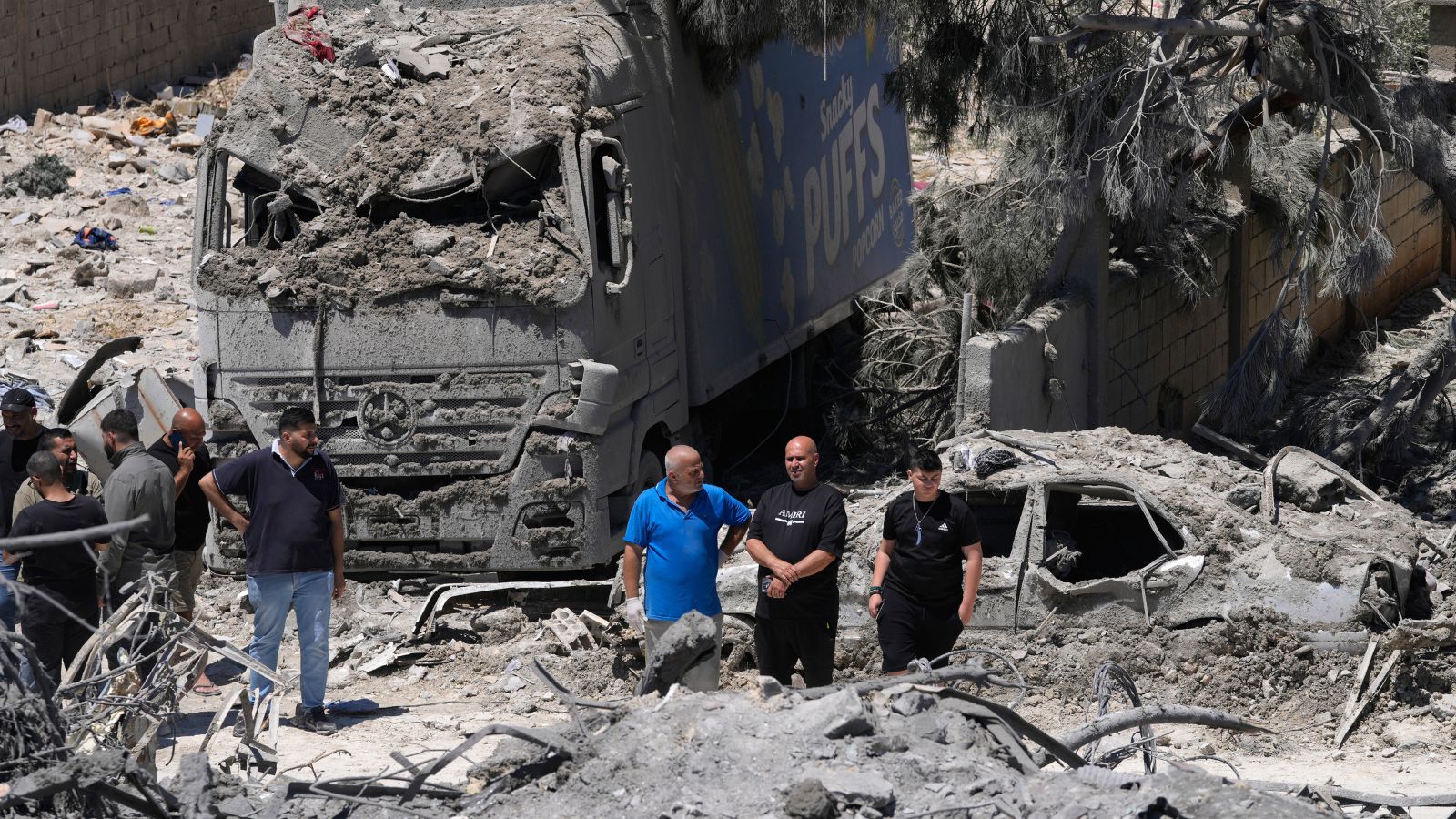
The announcement came as attacks intensified in southern Lebanon despite reports of a ceasefire. Israeli strikes on Saturday killed at least 20 people, including two children, according to Reuters, while Hezbollah accused Israel of repeatedly violating the truce, the AP report added.
Israel, meanwhile, said Hezbollah had launched more than 50 projectiles overnight, prompting strikes on what it described as militant targets.
Hezbollah accused Israel of committing hundreds of ceasefire violations and warned that continued attacks “will not pass without a response”. The group said it remained committed to the ceasefire but would respond to any attempt by Israel to expand its military presence in southern Lebanon, Reuters reported.
The scale of the violence remains significant, with Lebanon’s health ministry saying 4,057 people have been killed in Israeli attacks since March 2, including women, children and medical personnel, according to Reuters.
The move threatens to derail the fragile diplomatic breakthrough reached earlier this week, under which Iran and the United States agreed to end months of conflict and reopen the strategic waterway, according to the report.
The Strait of Hormuz is one of the world’s most critical energy chokepoints, carrying roughly a fifth of global oil and liquefied natural gas shipments. The waterway had only reopened earlier this week after the US-Iran agreement, allowing commercial traffic to resume following months of disruption.
However, the continued violence has emerged as a major point of contention in the US-Iran agreement. Iran has maintained that a lasting end to hostilities in Lebanon and an Israeli withdrawal from occupied areas are essential conditions for the success of the deal.
Iranian Foreign Minister Abbas Araghchi has previously said the United States bears responsibility for ensuring an end to military operations “on all fronts, including Lebanon”, under the terms of the memorandum.
The broader US-Iran understanding announced this week calls for an immediate halt to military operations by the parties and their allies across multiple fronts, including Lebanon. However, neither Israel nor Hezbollah are signatories to the agreement, creating uncertainty over how its provisions would be enforced on the ground.
Israel has iterated it is not a party to the agreement and has vowed to maintain military operations until threats from Hezbollah are eliminated.
The Israeli military said it remains committed to the ceasefire in line with political directives, but insisted it would respond decisively to attacks on Israeli troops or civilians. Reuters also reported that Israeli forces would remain in areas captured in southern Lebanon and were not expected to withdraw despite the truce.
Earlier in the day, US Vice President JD Vance said there was “no evidence” that Iran was preparing to shut the Strait of Hormuz. Notably, shortly after Iran announced the closure, the US military said commercial shipping continued through the strait, reporting that 55 merchant vessels had transited the waterway on Saturday carrying more than 17 million barrels of oil and other cargo.
It was not immediately clear whether traffic would be affected in the coming hours, according to AP.
Iranian state media reported that Foreign Minister Abbas Araghchi, Parliament Speaker Mohammad Bagher Ghalibaf, and officials from Iran’s central bank and oil sector were among those travelling to Switzerland for the next round of discussions.
Meanwhile, Vance has also said he expects to travel to Switzerland for talks with Iran “in the next couple of days”, Al Jazeera reported. Vance also said top US negotiators Jared Kushner and Steve Witkoff were already in Switzerland working through the technical details of the anticipated talks on Iran’s nuclear programme, according to AP.
This signals that Washington still hopes to move forward with negotiations, however the latest development raises fresh uncertainty over planned follow-up negotiations in Switzerland aimed at turning the interim agreement into a broader settlement covering Iran’s nuclear programme and sanctions relief.
Iran’s Foreign Ministry spokesperson Esmail Baghaei said the trip was primarily aimed at pressing the United States to fulfil its obligations under the memorandum. He earlier warned that if key commitments were not implemented, “the memorandum of understanding as a whole will be jeopardized”, AP reported.
The talks are expected to focus on implementing the memorandum of understanding signed earlier this week, which launched a 60-day process to negotiate a broader agreement covering Iran’s nuclear programme, sanctions relief and regional security arrangements. However, planned negotiations were already delayed after Iranian officials insisted that fighting in Lebanon must stop before formal discussions could proceed.
Stay updated with the latest - Click here to follow us on Instagram
Iran’s top joint military command on Saturday announced the closure of the Strait of Hormuz once again, accusing the United States of violating commitments under the recently signed US-Iran memorandum of understanding and citing continued Israeli military operations in southern Lebanon.
In a statement carried by Iranian state television, the military command said the closure was in response to Washington’s “clear breach of trust” and failure to implement the first clause of the agreement, as well as Israel’s alleged violations of a ceasefire in Lebanon, news agency Associated Press reported.
The statement described the closure as a “first step” and warned that “if the aggression continues, subsequent steps have been planned.”
Separately, Iran’s Islamic Revolutionary Guard Corps (IRGC) warned vessels against approaching the Strait of Hormuz, saying their security could be at risk, according to statements carried by Iranian media.
The announcement came as attacks intensified in southern Lebanon despite reports of a ceasefire. Israeli strikes on Saturday killed at least 20 people, including two children, according to Reuters, while Hezbollah accused Israel of repeatedly violating the truce, the AP report added.
Israel, meanwhile, said Hezbollah had launched more than 50 projectiles overnight, prompting strikes on what it described as militant targets.
Hezbollah accused Israel of committing hundreds of ceasefire violations and warned that continued attacks “will not pass without a response”. The group said it remained committed to the ceasefire but would respond to any attempt by Israel to expand its military presence in southern Lebanon, Reuters reported.
The scale of the violence remains significant, with Lebanon’s health ministry saying 4,057 people have been killed in Israeli attacks since March 2, including women, children and medical personnel, according to Reuters.
The move threatens to derail the fragile diplomatic breakthrough reached earlier this week, under which Iran and the United States agreed to end months of conflict and reopen the strategic waterway, according to the report.
The Strait of Hormuz is one of the world’s most critical energy chokepoints, carrying roughly a fifth of global oil and liquefied natural gas shipments. The waterway had only reopened earlier this week after the US-Iran agreement, allowing commercial traffic to resume following months of disruption.
However, the continued violence has emerged as a major point of contention in the US-Iran agreement. Iran has maintained that a lasting end to hostilities in Lebanon and an Israeli withdrawal from occupied areas are essential conditions for the success of the deal.
Iranian Foreign Minister Abbas Araghchi has previously said the United States bears responsibility for ensuring an end to military operations “on all fronts, including Lebanon”, under the terms of the memorandum.
The broader US-Iran understanding announced this week calls for an immediate halt to military operations by the parties and their allies across multiple fronts, including Lebanon. However, neither Israel nor Hezbollah are signatories to the agreement, creating uncertainty over how its provisions would be enforced on the ground.
Israel has iterated it is not a party to the agreement and has vowed to maintain military operations until threats from Hezbollah are eliminated.
The Israeli military said it remains committed to the ceasefire in line with political directives, but insisted it would respond decisively to attacks on Israeli troops or civilians. Reuters also reported that Israeli forces would remain in areas captured in southern Lebanon and were not expected to withdraw despite the truce.
Earlier in the day, US Vice President JD Vance said there was “no evidence” that Iran was preparing to shut the Strait of Hormuz. Notably, shortly after Iran announced the closure, the US military said commercial shipping continued through the strait, reporting that 55 merchant vessels had transited the waterway on Saturday carrying more than 17 million barrels of oil and other cargo.
It was not immediately clear whether traffic would be affected in the coming hours, according to AP.
Iranian state media reported that Foreign Minister Abbas Araghchi, Parliament Speaker Mohammad Bagher Ghalibaf, and officials from Iran’s central bank and oil sector were among those travelling to Switzerland for the next round of discussions.
Meanwhile, Vance has also said he expects to travel to Switzerland for talks with Iran “in the next couple of days”, Al Jazeera reported. Vance also said top US negotiators Jared Kushner and Steve Witkoff were already in Switzerland working through the technical details of the anticipated talks on Iran’s nuclear programme, according to AP.
This signals that Washington still hopes to move forward with negotiations, however the latest development raises fresh uncertainty over planned follow-up negotiations in Switzerland aimed at turning the interim agreement into a broader settlement covering Iran’s nuclear programme and sanctions relief.
Iran’s Foreign Ministry spokesperson Esmail Baghaei said the trip was primarily aimed at pressing the United States to fulfil its obligations under the memorandum. He earlier warned that if key commitments were not implemented, “the memorandum of understanding as a whole will be jeopardized”, AP reported.
The talks are expected to focus on implementing the memorandum of understanding signed earlier this week, which launched a 60-day process to negotiate a broader agreement covering Iran’s nuclear programme, sanctions relief and regional security arrangements. However, planned negotiations were already delayed after Iranian officials insisted that fighting in Lebanon must stop before formal discussions could proceed.