

Ukraine spent big to shield energy industry from drones. Is West Asia next?
The Ukrainian company, Naftogaz, pays for devices operated by the country’s military, such as electronic jamming systems and interceptor drones.
Written by Andrew E Kramer
Years before Iranian drones and missiles pounded oil and natural gas facilities in the Middle East, Russia began targeting Ukraine’s energy industry. The Ukrainian national oil and gas company responded by spending millions of dollars on air defenses — a measure that Persian Gulf energy giants may now need to replicate to protect the flow of crucial supplies.
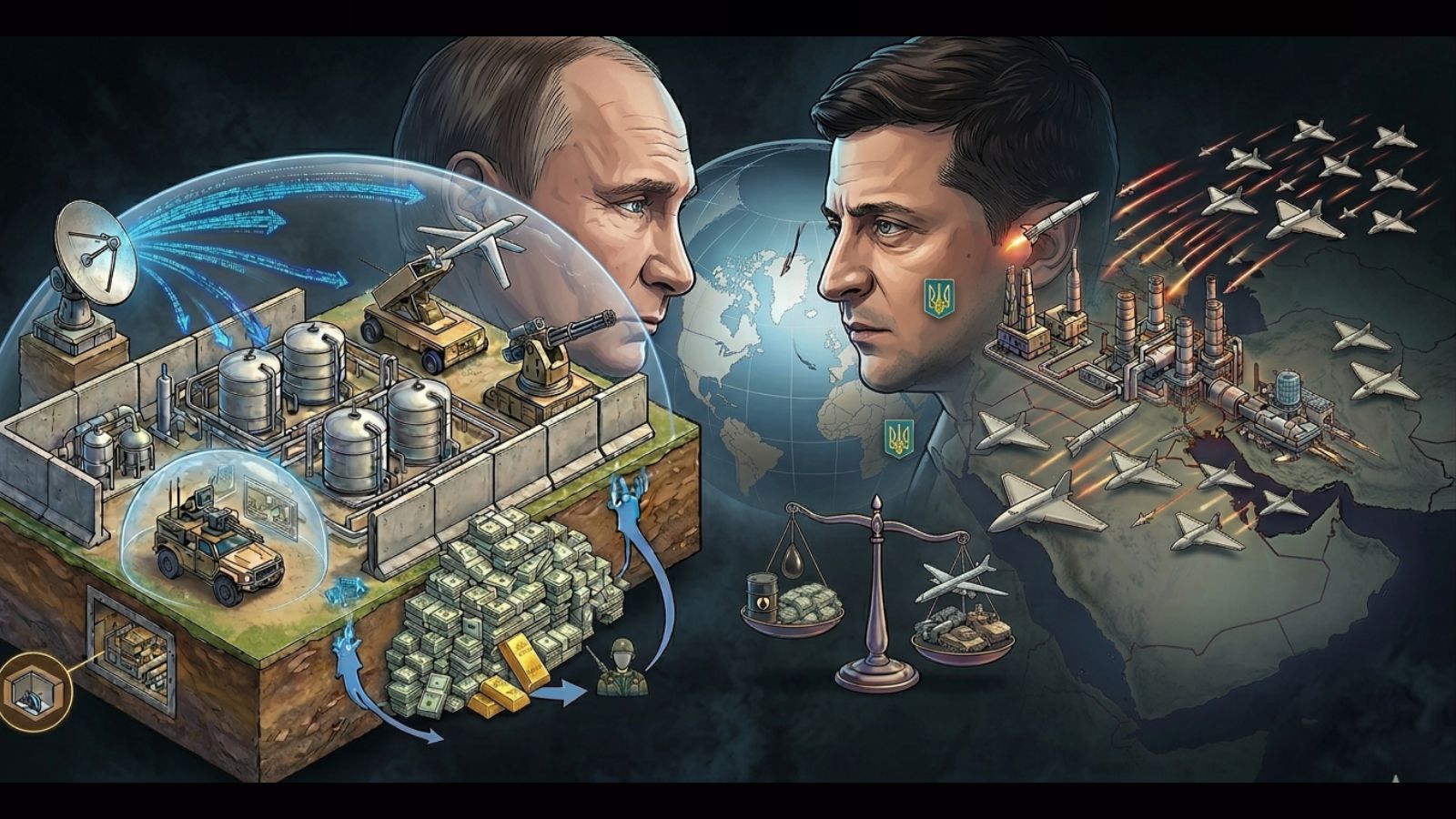
The Ukrainian company, Naftogaz, pays for devices operated by the country’s military, such as electronic jamming systems and interceptor drones. The company, which produces and transports oil and gas in addition to supplying gas to Ukrainian consumers, has built concrete barriers to shield critical equipment. It also plans to bury pumping stations and other equipment with costly components in underground bunkers.
The proliferation of drones, both among militaries and nonstate actors, points to a future in which oil and gas companies everywhere, not just in Ukraine and the Middle East, invest in anti-drone systems, Serhii Koretskyi, CEO of Naftogaz, said in an interview.
That means the price of a gallon of gasoline or a utility payment for natural gas could in the future include the cost of drone jamming and interception systems. “Security issues are key,” Koretskyi said.
He described Naftogaz’s efforts to harden its infrastructure as Ukraine is promoting its hard-won expertise in countering exploding drones. The Ukrainian military employs layers of defenses, from interceptor missiles and drones to crews on the ground firing machine guns. It also uses electronic warfare systems that can interfere with a drone’s navigation or disrupt its radio link with a pilot.
Ukrainian military drone experts are advising Middle Eastern countries. Ukrainian President Volodymyr Zelenskyy said last week that more than 200 Ukrainians had either deployed to Saudi Arabia, Qatar and the United Arab Emirates or were traveling to Kuwait to advise on anti-drone warfare.
Koretskyi, said Middle Eastern nations and their energy companies had been largely unprepared for the threat of Iranian drones, known as Shaheds, a type of attack craft that Russia also launches against Ukraine.
“Everyone was focused on missile attacks,” not on swarms of cheap drones, he said, adding, “Nobody was expecting hundreds and hundreds of Shaheds.”
Middle Eastern countries have used large numbers of hugely expensive air defense missiles to shoot down Shaheds, whose cost ranges from about $30,000 to more than $50,000.
“There is no chance to defend facilities against hundreds of Shaheds with air defense missiles,” Koretskyi said. Makers of inexpensive Ukrainian interceptor drones say they have been flooded with calls from Middle Eastern nations.
Attacks on the natural gas infrastructure in the Persian Gulf have rattled energy markets. Last week, Israel bombarded Iran’s giant South Pars natural gas field, and Iran fired ballistic missiles at the Ras Laffan industrial zone in Qatar, home to oil and gas facilities of Exxon Mobil, TotalEnergies, Shell and other companies. Iran has also launched drones at energy facilities in the Gulf.
In Ukraine, Naftogaz has spent about $180 million over the course of the war to finance the purchase of air defenses and other military equipment, Koretskyi said. The company donated some weaponry to protect non-oil and gas sites, such as cities.
Ukrainian energy officials have contended with an evolving threat. Russia blew up a major oil refinery early in the war but refrained from significant attacks on natural gas infrastructure until last year, when a contract for Ukraine to ship gas from Russia to Europe expired. Ukraine had transported the gas despite the war to avoid an energy shock in Europe.
By Naftogaz’s count, more than half the 401 attacks on gas infrastructure during the four-year war came last year, after the contract expired.
Those strikes illustrate the risk of an extended conflict in the Middle East. Russia did not rush to demolish facilities in single volleys, instead allowing repair work to proceed and then hitting sites again to blow up the repairs.
“Every new attack brought more destruction than before,” Koretskyi said.
Analysts see an industrywide necessity to install anti-drone protections for wellheads, pipes and the sprawling, multibillion-dollar factories that process petroleum.
“The need is demonstrated by the vulnerability of the last several days,” said Cliff Kupchan, chair of the political risk advisory firm Eurasia Group. “You don’t have to be Russia or Iran to shoot these things. You can be a mafia guy or have a personal feud.”
The risks extend to all critical infrastructure, not just energy facilities, both close to war zones and far from them, said Ihor Novikov, an adviser to a Ukrainian government working group on drone safety for airports.
“The technology has evolved to the point that the vast majority of the information needed to proliferate is available online,” Novikov said. Ukraine’s military converted off-the-shelf drones into weapons, and others can do the same, he added.
“When you start thinking about defense,” he said, “you realize the full scale of this problem and the danger of it.”
This article originally appeared in The New York Times.
Stay updated with the latest - Click here to follow us on Instagram
Written by Andrew E Kramer
Years before Iranian drones and missiles pounded oil and natural gas facilities in the Middle East, Russia began targeting Ukraine’s energy industry. The Ukrainian national oil and gas company responded by spending millions of dollars on air defenses — a measure that Persian Gulf energy giants may now need to replicate to protect the flow of crucial supplies.
The Ukrainian company, Naftogaz, pays for devices operated by the country’s military, such as electronic jamming systems and interceptor drones. The company, which produces and transports oil and gas in addition to supplying gas to Ukrainian consumers, has built concrete barriers to shield critical equipment. It also plans to bury pumping stations and other equipment with costly components in underground bunkers.
The proliferation of drones, both among militaries and nonstate actors, points to a future in which oil and gas companies everywhere, not just in Ukraine and the Middle East, invest in anti-drone systems, Serhii Koretskyi, CEO of Naftogaz, said in an interview.
That means the price of a gallon of gasoline or a utility payment for natural gas could in the future include the cost of drone jamming and interception systems. “Security issues are key,” Koretskyi said.
He described Naftogaz’s efforts to harden its infrastructure as Ukraine is promoting its hard-won expertise in countering exploding drones. The Ukrainian military employs layers of defenses, from interceptor missiles and drones to crews on the ground firing machine guns. It also uses electronic warfare systems that can interfere with a drone’s navigation or disrupt its radio link with a pilot.
Ukrainian military drone experts are advising Middle Eastern countries. Ukrainian President Volodymyr Zelenskyy said last week that more than 200 Ukrainians had either deployed to Saudi Arabia, Qatar and the United Arab Emirates or were traveling to Kuwait to advise on anti-drone warfare.
Koretskyi, said Middle Eastern nations and their energy companies had been largely unprepared for the threat of Iranian drones, known as Shaheds, a type of attack craft that Russia also launches against Ukraine.
“Everyone was focused on missile attacks,” not on swarms of cheap drones, he said, adding, “Nobody was expecting hundreds and hundreds of Shaheds.”
Middle Eastern countries have used large numbers of hugely expensive air defense missiles to shoot down Shaheds, whose cost ranges from about $30,000 to more than $50,000.
“There is no chance to defend facilities against hundreds of Shaheds with air defense missiles,” Koretskyi said. Makers of inexpensive Ukrainian interceptor drones say they have been flooded with calls from Middle Eastern nations.
Attacks on the natural gas infrastructure in the Persian Gulf have rattled energy markets. Last week, Israel bombarded Iran’s giant South Pars natural gas field, and Iran fired ballistic missiles at the Ras Laffan industrial zone in Qatar, home to oil and gas facilities of Exxon Mobil, TotalEnergies, Shell and other companies. Iran has also launched drones at energy facilities in the Gulf.
In Ukraine, Naftogaz has spent about $180 million over the course of the war to finance the purchase of air defenses and other military equipment, Koretskyi said. The company donated some weaponry to protect non-oil and gas sites, such as cities.
Ukrainian energy officials have contended with an evolving threat. Russia blew up a major oil refinery early in the war but refrained from significant attacks on natural gas infrastructure until last year, when a contract for Ukraine to ship gas from Russia to Europe expired. Ukraine had transported the gas despite the war to avoid an energy shock in Europe.
By Naftogaz’s count, more than half the 401 attacks on gas infrastructure during the four-year war came last year, after the contract expired.
Those strikes illustrate the risk of an extended conflict in the Middle East. Russia did not rush to demolish facilities in single volleys, instead allowing repair work to proceed and then hitting sites again to blow up the repairs.
“Every new attack brought more destruction than before,” Koretskyi said.
Analysts see an industrywide necessity to install anti-drone protections for wellheads, pipes and the sprawling, multibillion-dollar factories that process petroleum.
“The need is demonstrated by the vulnerability of the last several days,” said Cliff Kupchan, chair of the political risk advisory firm Eurasia Group. “You don’t have to be Russia or Iran to shoot these things. You can be a mafia guy or have a personal feud.”
The risks extend to all critical infrastructure, not just energy facilities, both close to war zones and far from them, said Ihor Novikov, an adviser to a Ukrainian government working group on drone safety for airports.
“The technology has evolved to the point that the vast majority of the information needed to proliferate is available online,” Novikov said. Ukraine’s military converted off-the-shelf drones into weapons, and others can do the same, he added.
“When you start thinking about defense,” he said, “you realize the full scale of this problem and the danger of it.”
This article originally appeared in The New York Times.