

Inside Trump’s world: What 24-hour Hormuz U-turn reveals
Gulf leaders moved quickly to establish direct contact with Trump in an effort to persuade him to reconsider, and within a day, the proposal had effectively disappeared.
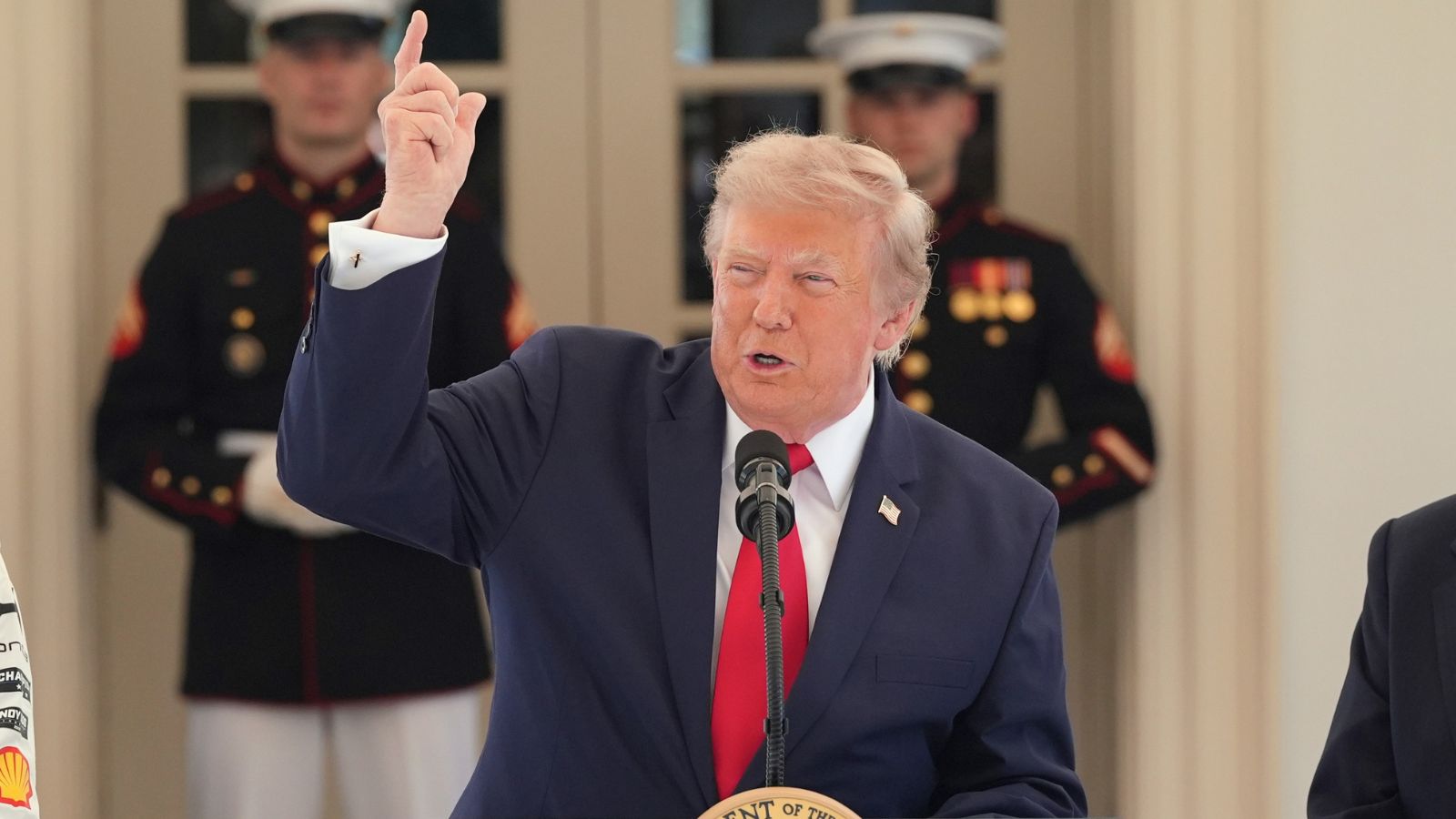
US President Donald Trump’s proposal to charge a 20% fee on all cargo passing through the Strait of Hormuz lasted barely 24 hours. Yet, in that short span, it revealed something much bigger than another policy reversal.
It offered perhaps the clearest glimpse yet into how decisions are increasingly made inside Trump’s world, where a sweeping public announcement came first and the practical details, political negotiations and strategic recalculations followed later.
According to American news media company CNN, Trump’s announcement on Monday stunned not only Gulf governments but also several senior officials within his own administration. While the president publicly declared that the United States would become the “Guardian of the Hormuz Strait” and charge a 20% “reimbursement” fee on cargo transiting the strategic waterway, White House officials were simultaneously trying to determine how such a proposal could even be implemented.
— Rapid Response 47 (@RapidResponse47) July 13, 2026
Trump unveiled the proposal at a time when the United States and Iran had returned to open confrontation over control of the Strait of Hormuz. The narrow waterway is crucial for carrying roughly one-fifth of global oil and liquefied natural gas shipments before the conflict sharply disrupted commercial traffic.
Writing on Truth Social, Trump argued that since American forces were securing the strait, Washington deserved compensation from countries benefiting from that protection. He presented the proposed fee as a matter of fairness rather than a tariff.
The declaration immediately triggered a frantic response, the report said. Officials inside the administration reportedly began examining basic questions that had yet to be answered. Who would pay the fee? Would governments be billed or shipping companies? How would payments be collected? What legal mechanism would enforce the system?
At the same time, leaders from Saudi Arabia, the United Arab Emirates, Bahrain and Qatar moved quickly to establish direct contact with Trump to persuade him to reconsider, and within a day, the proposal had effectively disappeared.
Instead of charging commercial vessels, Trump announced that Gulf countries would increase trade and investment commitments in the United States.
“I put it out yesterday, I thought it was good,” CNN cited him Trump as saying. “I was called by different people, different countries, kings and emirs, and all of the people that we all know and we all love. And they’ve been, frankly, they’ve been very strong partners. And they said we’d love to do it a different way.”
The proposed toll had hence evolved into an investment agreement.
The Hormuz reversal fits into the broader pattern that has characterised Trump’s political style across both of his presidencies. According to the CNN, “While he [Trump] reversed his plans on Tuesday, the episode further underscored the freewheeling, transactional nature of Trump’s approach to foreign policy, even in the midst of a prolonged war that he has no clear idea how to bring to an end.”
This could also be understood as a negotiation from a position of maximum leverage. Trump portrayed the reversal as evidence that his initial proposal had encouraged Gulf leaders to offer investment commitments instead.
The proposal also collided with several difficult realities. A 20% charge on cargo moving through Hormuz would have further increased shipping costs at a time when insurance premium, freight charges and crude oil prices had already risen because of attacks on commercial vessels. According to Reuters, vessel traffic through the strait had fallen sharply as shipping companies struggled to navigate competing instructions issued by Washington and Tehran.
For India, the implications were especially significant. Before the conflict, nearly 40% to 50% of India’s crude oil imports, about 60% of its liquefied natural gas imports and almost 90% of its LPG imports passed through the Strait of Hormuz. Any additional charge would inevitably have increased import costs and inflationary pressures.
There was also an obvious legal contradiction. The International Maritime Organization told Reuters that international law does not provide a legal basis for mandatory transit fees through international straits.
More awkwardly for the White House, Secretary of State Marco Rubio had previously argued that “no country is allowed to charge tolls or fees on an international waterway.” The United States had consistently criticised Iran for suggesting that commercial vessels should pay for passage through Hormuz.
Perhaps the sharpest response came from Tehran. For months, Iranian officials had argued that whichever country ensured security in the Strait of Hormuz deserved compensation. Washington had firmly rejected that position, insisting that Hormuz remained an international waterway where freedom of navigation should never depend on payment.
Trump’s proposal blurred that distinction, as Iranian Foreign Minister Abbas Araghchi responded on X by writing: “POTUS is absolutely right. Whoever provides secure and safe passage of commercial vessels through the Strait of Hormuz should be compensated.”
He followed it with a sarcastic remark. “20% is of course too much. We will be fair.”
The response allowed Tehran to argue that even Washington was now embracing a principle it had spent months opposing.
The episode also underscored the fragility of the US-Iran understanding over the strategic waterway. The US military’s Central Command said Wednesday it launched airstrikes on Greater Tunb Island in the Strait of Hormuz, targeting Iranian defense and missile sites after its earlier offensive overnight.
The June memorandum of understanding that was meant to keep the Strait open while both sides negotiated a broader settlement has rapidly unravelled, with renewed US strikes, Iranian retaliation, naval blockade and fresh disruption to commercial shipping.
Without a minimum framework for engagement between Washington and Tehran, repeated confrontations over Hormuz will continue to threaten global energy supplies, commercial shipping and wider regional stability.
The Hormuz episode ultimately reveals less about maritime strategy than about the way Trump governs. Rather than being an official declaration on shipping lanes or Gulf security, it illustrated a governing style in which bold statements frequently serve as the opening move, only to be reshaped by aides, allies and geopolitical realities before becoming actual policy.
Stay updated with the latest - Click here to follow us on Instagram
US President Donald Trump’s proposal to charge a 20% fee on all cargo passing through the Strait of Hormuz lasted barely 24 hours. Yet, in that short span, it revealed something much bigger than another policy reversal.
It offered perhaps the clearest glimpse yet into how decisions are increasingly made inside Trump’s world, where a sweeping public announcement came first and the practical details, political negotiations and strategic recalculations followed later.
According to American news media company CNN, Trump’s announcement on Monday stunned not only Gulf governments but also several senior officials within his own administration. While the president publicly declared that the United States would become the “Guardian of the Hormuz Strait” and charge a 20% “reimbursement” fee on cargo transiting the strategic waterway, White House officials were simultaneously trying to determine how such a proposal could even be implemented.
— Rapid Response 47 (@RapidResponse47) July 13, 2026
Trump unveiled the proposal at a time when the United States and Iran had returned to open confrontation over control of the Strait of Hormuz. The narrow waterway is crucial for carrying roughly one-fifth of global oil and liquefied natural gas shipments before the conflict sharply disrupted commercial traffic.
Writing on Truth Social, Trump argued that since American forces were securing the strait, Washington deserved compensation from countries benefiting from that protection. He presented the proposed fee as a matter of fairness rather than a tariff.
The declaration immediately triggered a frantic response, the report said. Officials inside the administration reportedly began examining basic questions that had yet to be answered. Who would pay the fee? Would governments be billed or shipping companies? How would payments be collected? What legal mechanism would enforce the system?
At the same time, leaders from Saudi Arabia, the United Arab Emirates, Bahrain and Qatar moved quickly to establish direct contact with Trump to persuade him to reconsider, and within a day, the proposal had effectively disappeared.
Instead of charging commercial vessels, Trump announced that Gulf countries would increase trade and investment commitments in the United States.
“I put it out yesterday, I thought it was good,” CNN cited him Trump as saying. “I was called by different people, different countries, kings and emirs, and all of the people that we all know and we all love. And they’ve been, frankly, they’ve been very strong partners. And they said we’d love to do it a different way.”
The proposed toll had hence evolved into an investment agreement.
The Hormuz reversal fits into the broader pattern that has characterised Trump’s political style across both of his presidencies. According to the CNN, “While he [Trump] reversed his plans on Tuesday, the episode further underscored the freewheeling, transactional nature of Trump’s approach to foreign policy, even in the midst of a prolonged war that he has no clear idea how to bring to an end.”
This could also be understood as a negotiation from a position of maximum leverage. Trump portrayed the reversal as evidence that his initial proposal had encouraged Gulf leaders to offer investment commitments instead.
The proposal also collided with several difficult realities. A 20% charge on cargo moving through Hormuz would have further increased shipping costs at a time when insurance premium, freight charges and crude oil prices had already risen because of attacks on commercial vessels. According to Reuters, vessel traffic through the strait had fallen sharply as shipping companies struggled to navigate competing instructions issued by Washington and Tehran.
For India, the implications were especially significant. Before the conflict, nearly 40% to 50% of India’s crude oil imports, about 60% of its liquefied natural gas imports and almost 90% of its LPG imports passed through the Strait of Hormuz. Any additional charge would inevitably have increased import costs and inflationary pressures.
There was also an obvious legal contradiction. The International Maritime Organization told Reuters that international law does not provide a legal basis for mandatory transit fees through international straits.
More awkwardly for the White House, Secretary of State Marco Rubio had previously argued that “no country is allowed to charge tolls or fees on an international waterway.” The United States had consistently criticised Iran for suggesting that commercial vessels should pay for passage through Hormuz.
Perhaps the sharpest response came from Tehran. For months, Iranian officials had argued that whichever country ensured security in the Strait of Hormuz deserved compensation. Washington had firmly rejected that position, insisting that Hormuz remained an international waterway where freedom of navigation should never depend on payment.
Trump’s proposal blurred that distinction, as Iranian Foreign Minister Abbas Araghchi responded on X by writing: “POTUS is absolutely right. Whoever provides secure and safe passage of commercial vessels through the Strait of Hormuz should be compensated.”
He followed it with a sarcastic remark. “20% is of course too much. We will be fair.”
The response allowed Tehran to argue that even Washington was now embracing a principle it had spent months opposing.
The episode also underscored the fragility of the US-Iran understanding over the strategic waterway. The US military’s Central Command said Wednesday it launched airstrikes on Greater Tunb Island in the Strait of Hormuz, targeting Iranian defense and missile sites after its earlier offensive overnight.
The June memorandum of understanding that was meant to keep the Strait open while both sides negotiated a broader settlement has rapidly unravelled, with renewed US strikes, Iranian retaliation, naval blockade and fresh disruption to commercial shipping.
Without a minimum framework for engagement between Washington and Tehran, repeated confrontations over Hormuz will continue to threaten global energy supplies, commercial shipping and wider regional stability.
The Hormuz episode ultimately reveals less about maritime strategy than about the way Trump governs. Rather than being an official declaration on shipping lanes or Gulf security, it illustrated a governing style in which bold statements frequently serve as the opening move, only to be reshaped by aides, allies and geopolitical realities before becoming actual policy.