

Why the government is planning to criminalise doping and related activities
India’s high positivity rate could impede its pursuit of the Olympics and Asian Games
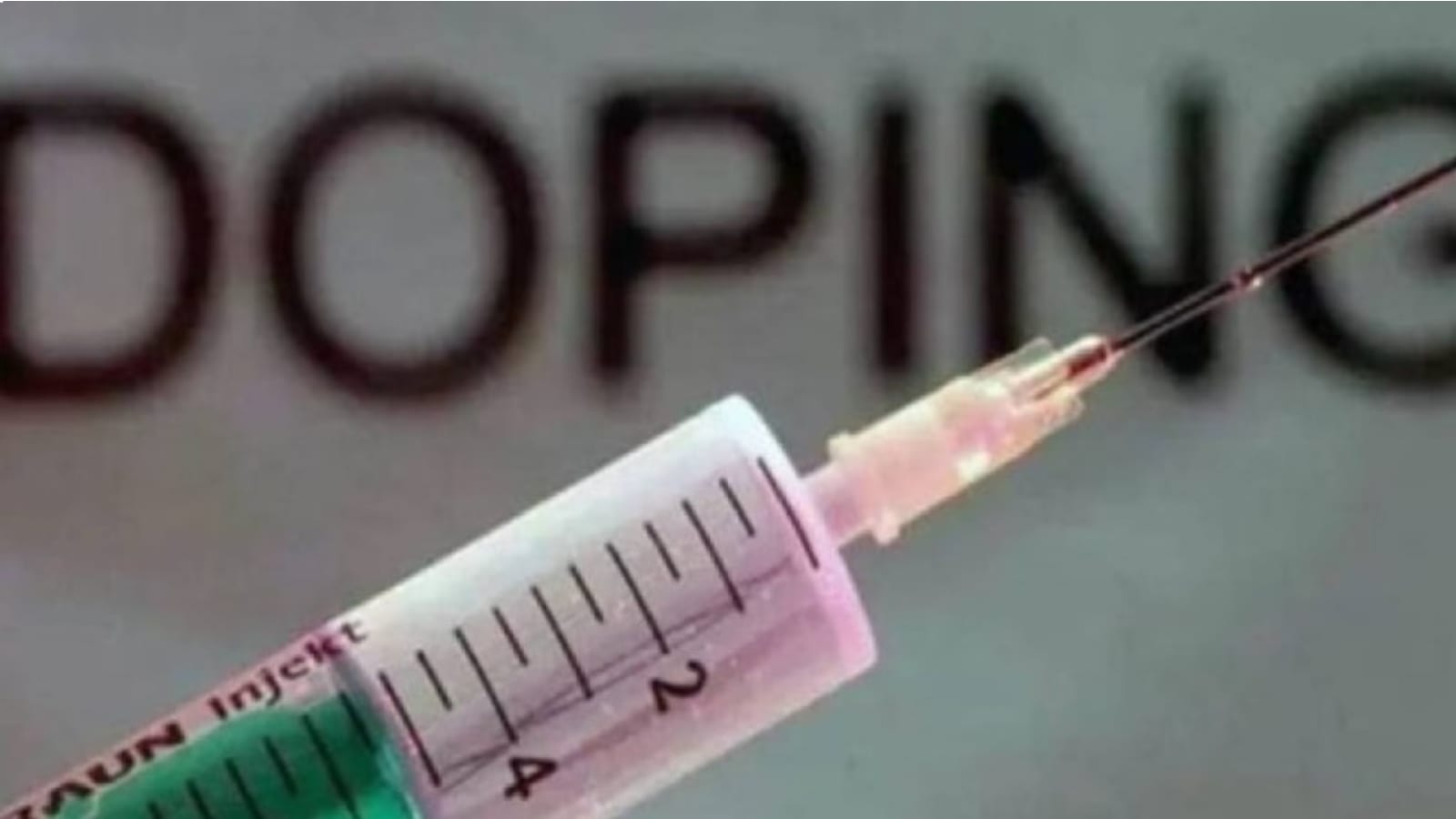
The government plans to enact an amendment to the existing anti-doping regulations, which could criminalise facilitation, supply and encouragement of nefarious activity. The legislation to this effect can be introduced in the next session of Parliament itself.
The proposal assumes significance as India regularly achieves the dubious distinction of leading the world in the number of anti-doping rule violations across sports, and has the highest positivity rate in testing among major countries. Recently, the Athletics Integrity Unit (AIU) of World Athletics downgraded the Indian federation to the highest-category risk in terms of doping, resulting in national embarrassment. With the country hosting the 2030 Commonwealth Games and hoping to stage the Olympics and Asian Games as well, it shows Indian sport and its whole ecosystem in poor light.
“Till now, only the sportspersons testing positive were punished with suspensions, disqualification or return of medals. That has not helped us eradicate the problem. We need to target the whole chain and hand out stringent punishments,” sports minister Mansukh Mandaviya said at an interaction on Thursday.
“Efforts have been made in this regard for a long time, but haven’t been successful.”
A draft for the proposed legislation has been prepared and will be put up in the public domain for feedback, suggestions, consultation and inputs.
“Till now, there was no criminal framework for our anti-doping measures. It’s not just a sporting violation. This amendment will address that problem. We hope to get the legislation passed in the Monsoon Session of Parliament as there is likely to be general agreement on the doping menace,” the minister said.
“There are a lot of unscrupulous elements who exploit athletes, some of them minors, for their own gain. There are traffickers, sellers, syndicates and some administrators also. If some coaches and other athletes are involved, we won’t spare them either. We will treat it as organised crime.”
The head of the World Anti-Doping Agency (WADA) president Witold Banka was in India last month and expressed concern over the doping menace in the country, which he described as a “big problem”. He held high-level meetings with various stakeholders and stressed on working with various law-enforcement agencies in this regard. However, Mandaviya said that the latest legislative push was not a result of pressure from the global body.
“It’s our own initiative as we want to get our house in order.”
The widening of the anti-doping ambit comes after Banka termed India the biggest producer of performance-enhancing drugs and steroids, and called for governments to criminalise doping while going after suppliers and enablers who provide and encourage athletes to go down this path.
The government plans to enact an amendment to the existing anti-doping regulations, which could criminalise facilitation, supply and encouragement of nefarious activity. The legislation to this effect can be introduced in the next session of Parliament itself.
The proposal assumes significance as India regularly achieves the dubious distinction of leading the world in the number of anti-doping rule violations across sports, and has the highest positivity rate in testing among major countries. Recently, the Athletics Integrity Unit (AIU) of World Athletics downgraded the Indian federation to the highest-category risk in terms of doping, resulting in national embarrassment. With the country hosting the 2030 Commonwealth Games and hoping to stage the Olympics and Asian Games as well, it shows Indian sport and its whole ecosystem in poor light.
“Till now, only the sportspersons testing positive were punished with suspensions, disqualification or return of medals. That has not helped us eradicate the problem. We need to target the whole chain and hand out stringent punishments,” sports minister Mansukh Mandaviya said at an interaction on Thursday.
“Efforts have been made in this regard for a long time, but haven’t been successful.”
A draft for the proposed legislation has been prepared and will be put up in the public domain for feedback, suggestions, consultation and inputs.
“Till now, there was no criminal framework for our anti-doping measures. It’s not just a sporting violation. This amendment will address that problem. We hope to get the legislation passed in the Monsoon Session of Parliament as there is likely to be general agreement on the doping menace,” the minister said.
“There are a lot of unscrupulous elements who exploit athletes, some of them minors, for their own gain. There are traffickers, sellers, syndicates and some administrators also. If some coaches and other athletes are involved, we won’t spare them either. We will treat it as organised crime.”
The head of the World Anti-Doping Agency (WADA) president Witold Banka was in India last month and expressed concern over the doping menace in the country, which he described as a “big problem”. He held high-level meetings with various stakeholders and stressed on working with various law-enforcement agencies in this regard. However, Mandaviya said that the latest legislative push was not a result of pressure from the global body.
“It’s our own initiative as we want to get our house in order.”
The widening of the anti-doping ambit comes after Banka termed India the biggest producer of performance-enhancing drugs and steroids, and called for governments to criminalise doping while going after suppliers and enablers who provide and encourage athletes to go down this path.