

How Saurav Ghosal’s World Premier Squash is changing notion of sports leagues
Anyone can upload their playing video which will be dissected by AI for skills, to form the leaderboard of the new tournament, scheduled for August.
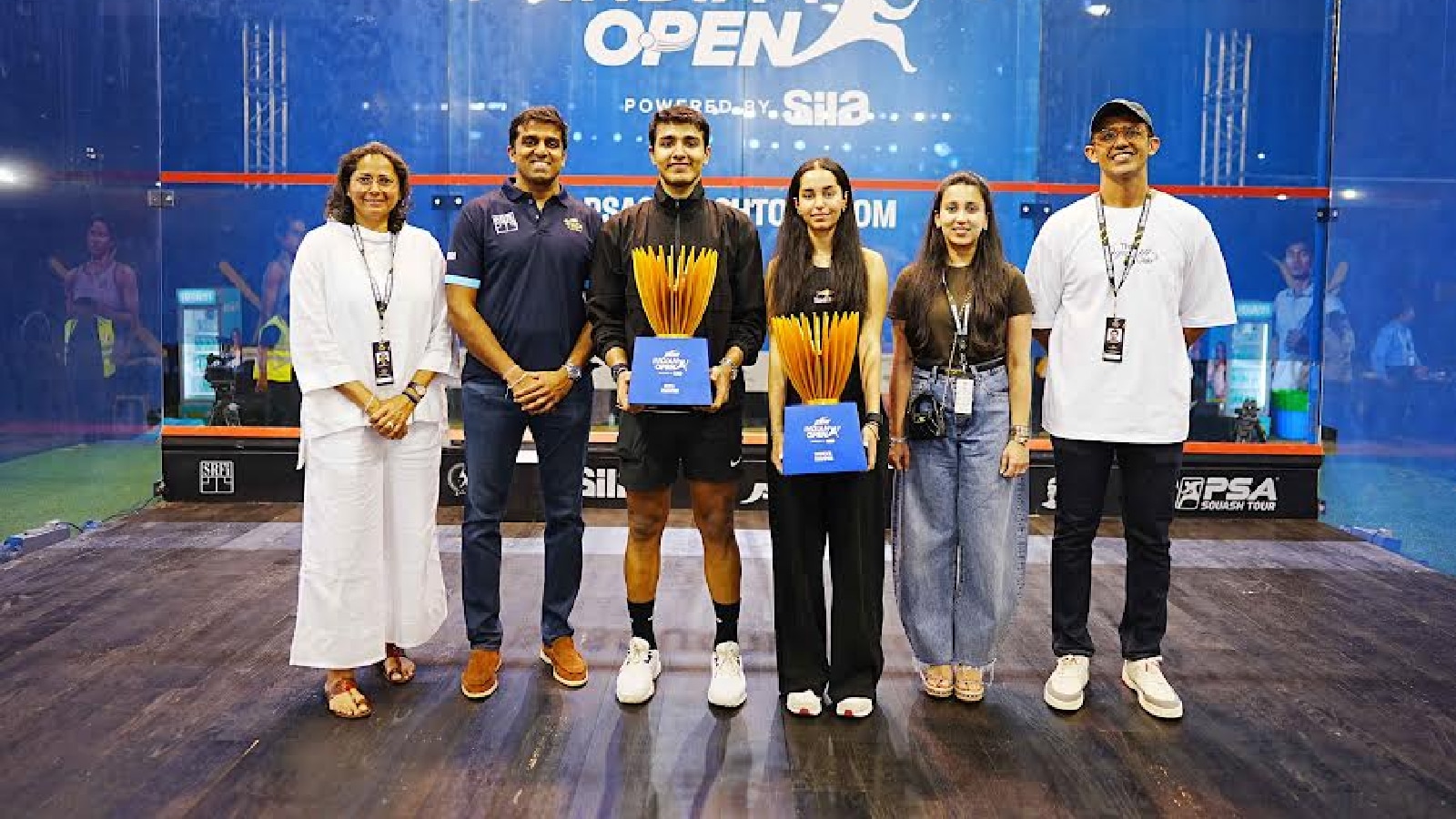
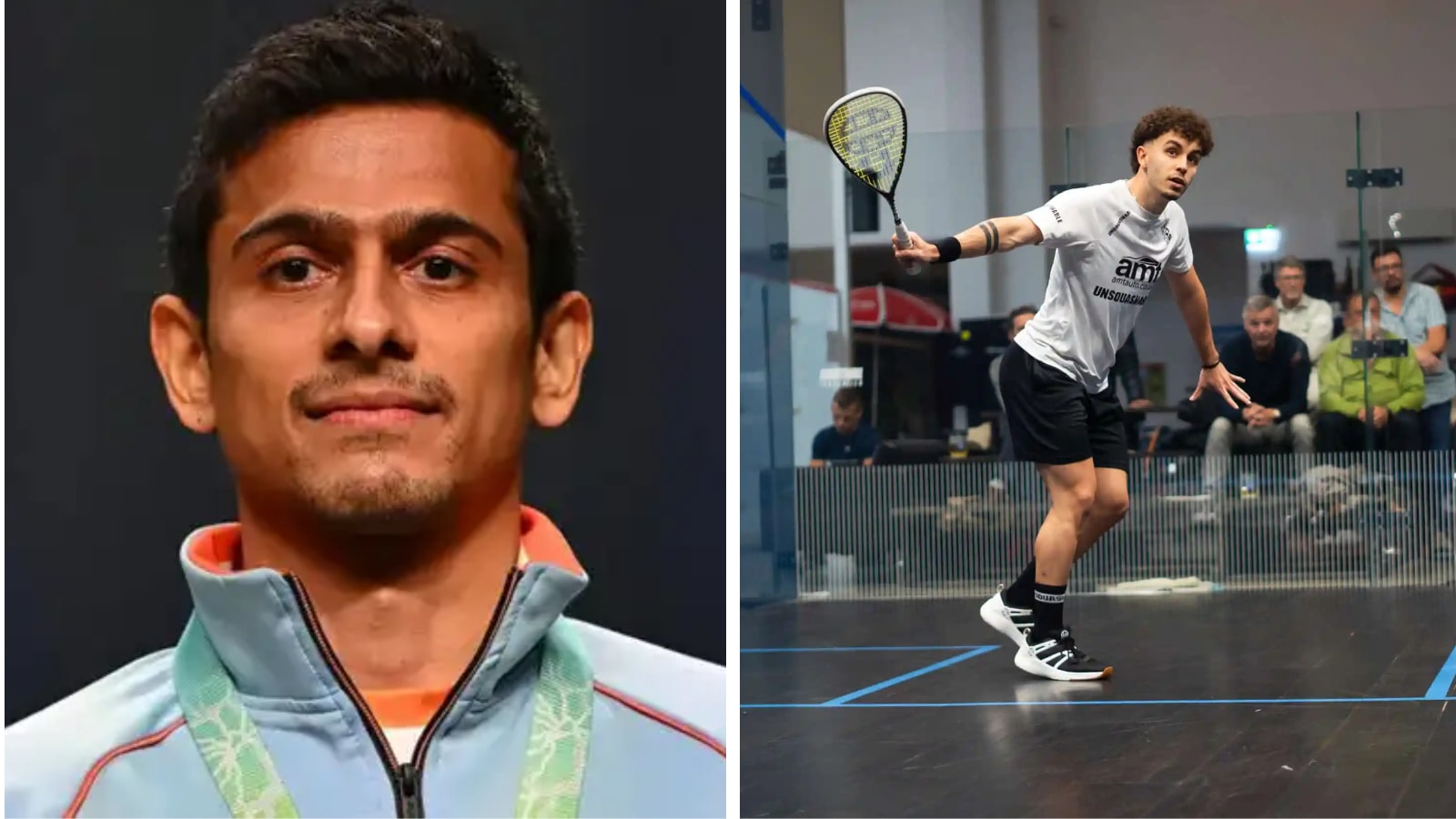
Squash might be the first sport to on-board whole-scale Artificial Intelligence (AI) technology, while compiling its player base for the upcoming World Premier Squash, to be played in August of 2026. And India’s finest baller Saurav Ghosal is in the thick of all things innovative and disruptive, as the sport’s league Commissioner, having been part of the core group that thought up the idea.
“Of course it’s exciting and if I may call it, a ‘seismic shift’ in Squash, and I must thank the Professional Squash Association (PSA) who has an open mind and endorsed it,” he says of a radically different way in which the global league will be conducted. The sport, due to debut at the Olympics in 2028 Los Angeles, is forging a simultaneous new trail, which for one, opens up the league to rank outsiders and amateurs, who might be playing squash in a complete obscure corner of the world, and not even have a ranking on the Pro Tour. It’s the same seismic change that reality TV shows brought to entertainment and viewer engagement, going beyond the established names.
Anyone, anywhere can upload their playing videos on the App and submit them for consideration, Ghosal explains. “There are certain AI parameters which are attached to specific challenges,” he describes, so the videos will be judged by AI, to form the world leaderboard, and the cumulative points will give you the chance to be part of the league.
These AI parameters go beyond the obvious winning of a rally, as has traditionally occurred. “All I can reveal right now is the AI parameters are not purely based on winning or losing points. Things like accuracy, pace of the game will be judged,” he says.
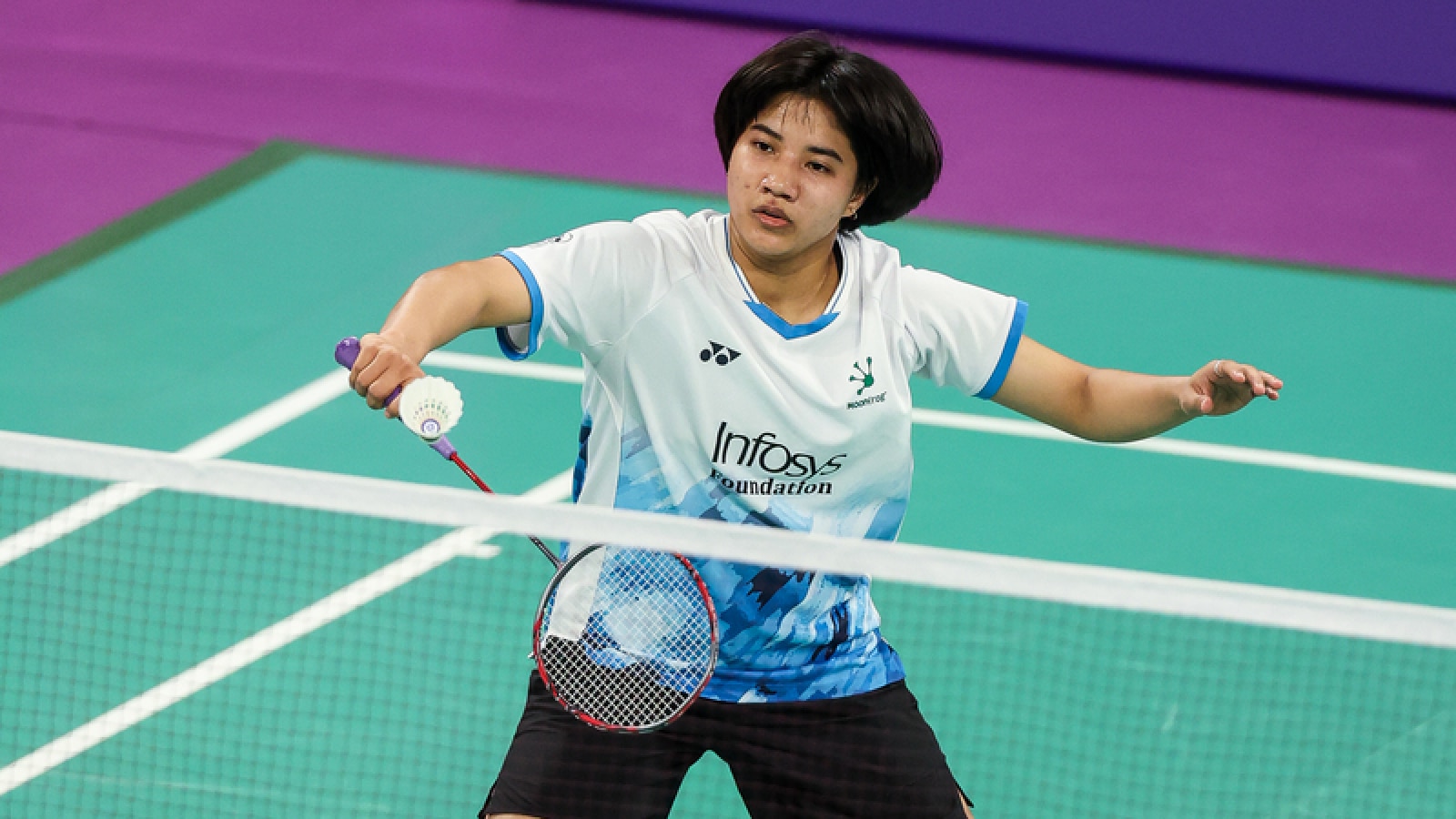
“You can video your game in a building society, or at a national training centre, the parameters aren’t restricted to the “so-called pros.” Any squash enthusiast can try, it gives people outside rankings a chance. Someone might be a good player but not able to travel on the Tour,” he explains of an event that will complement the quite-exhaustive 8-9 month existing pro Tour, and consolidate club players-fitness practitioners into one consolidated ecosystem.
“I wish I could play in it,” he says, excited about the clutter-breaking approach to leagues, which emerged after rejecting what could’ve been a conventional league. “Why would I watch this, over the World Championships?” was the driving point that forced the founders to think outside the current glass box.
“For more than a year, everyone had been talking about how squash doesn’t have a global league across the world, as such,” he says of how he was part of the idea from its inception.
A crucial realisation, however, needed to be voiced. “The traditional league routes, however, haven’t taken off in individual sports, unlike say in tram sports like cricket, kabaddi,” he discerned. Individual sports simply could not rouse fandoms unlike football or cricket, and the focus remained on individual names—which the pro tours, be it in tennis or boxing or badminton, anyway catered to the year-round.
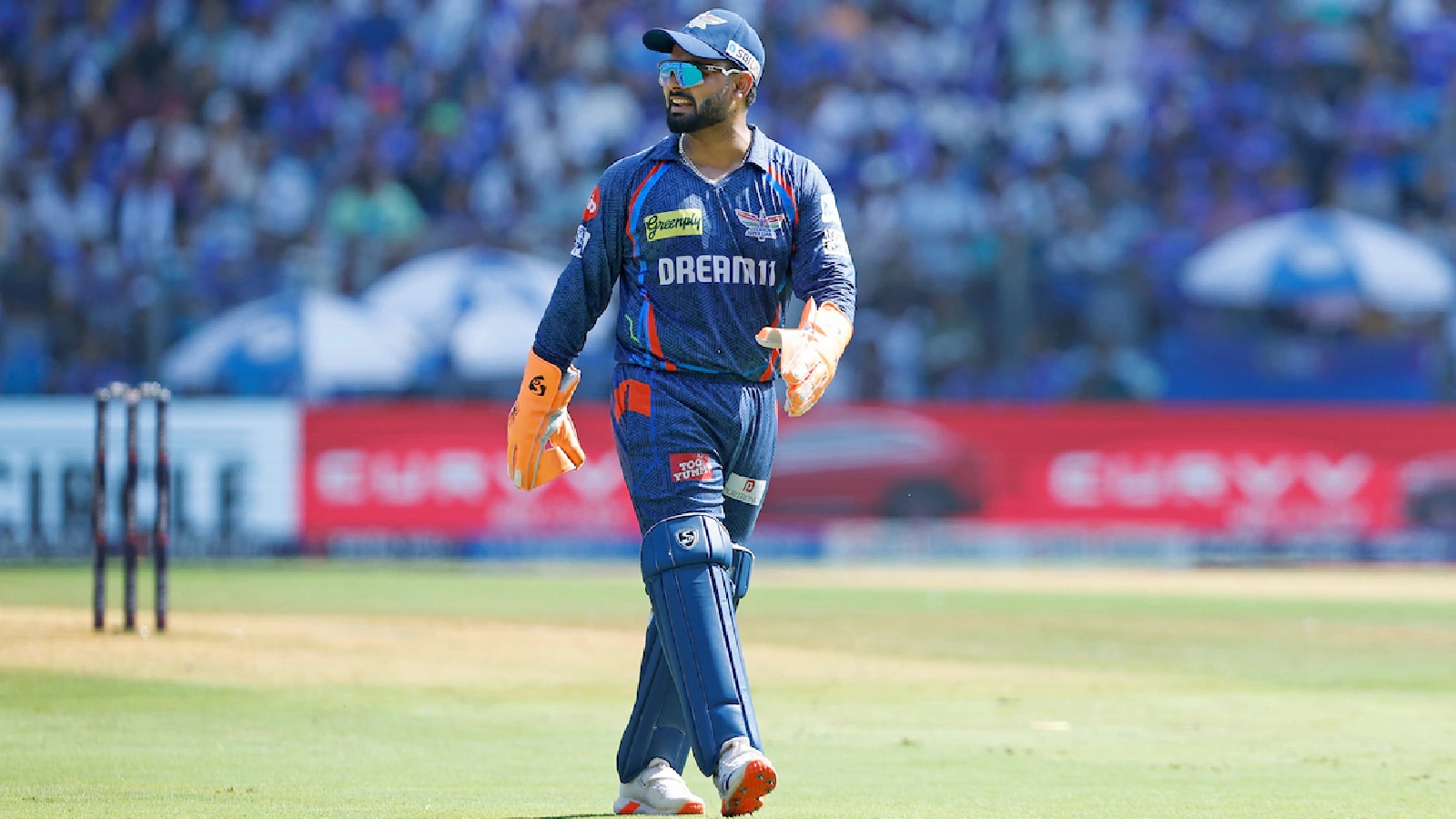
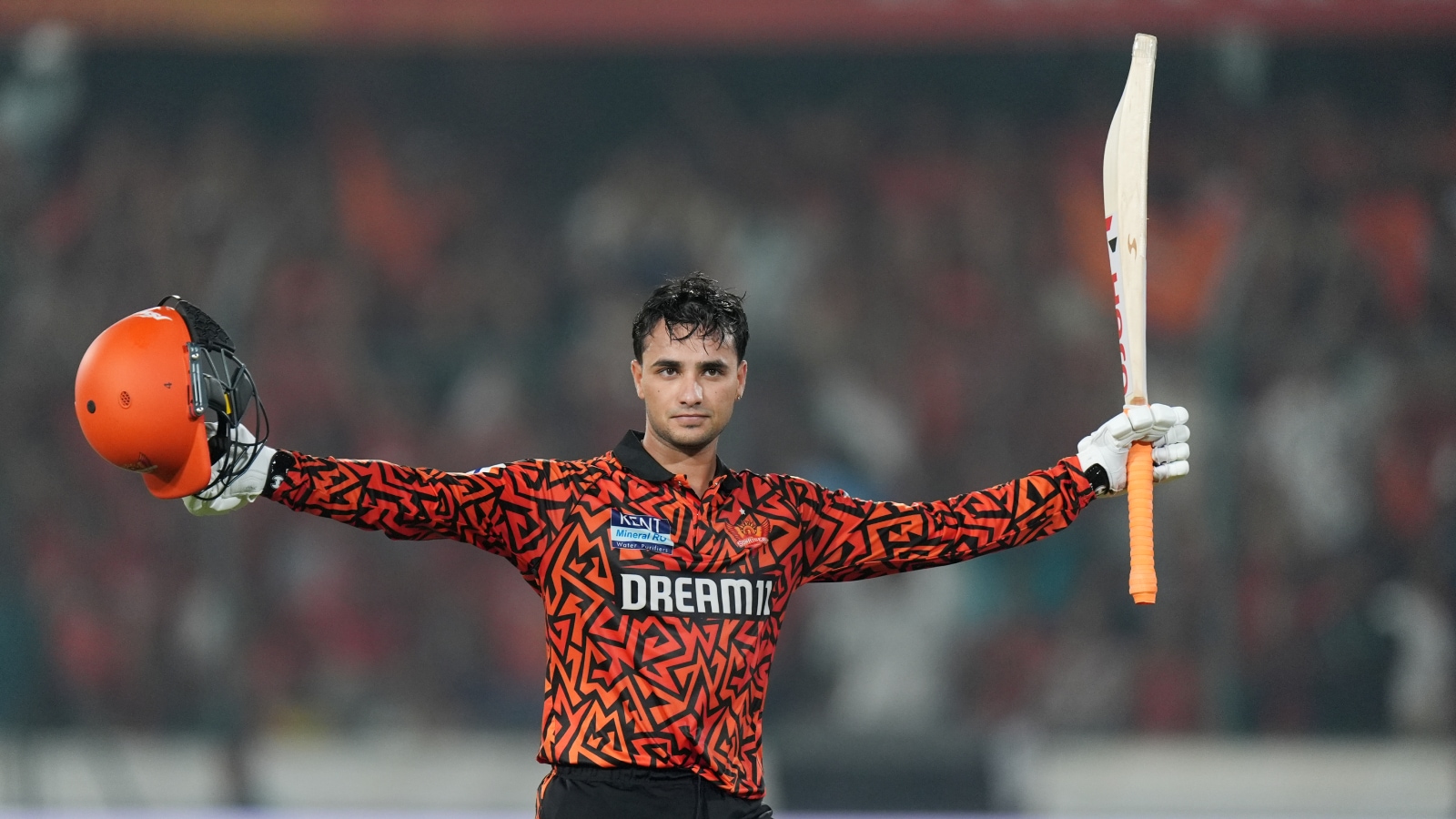
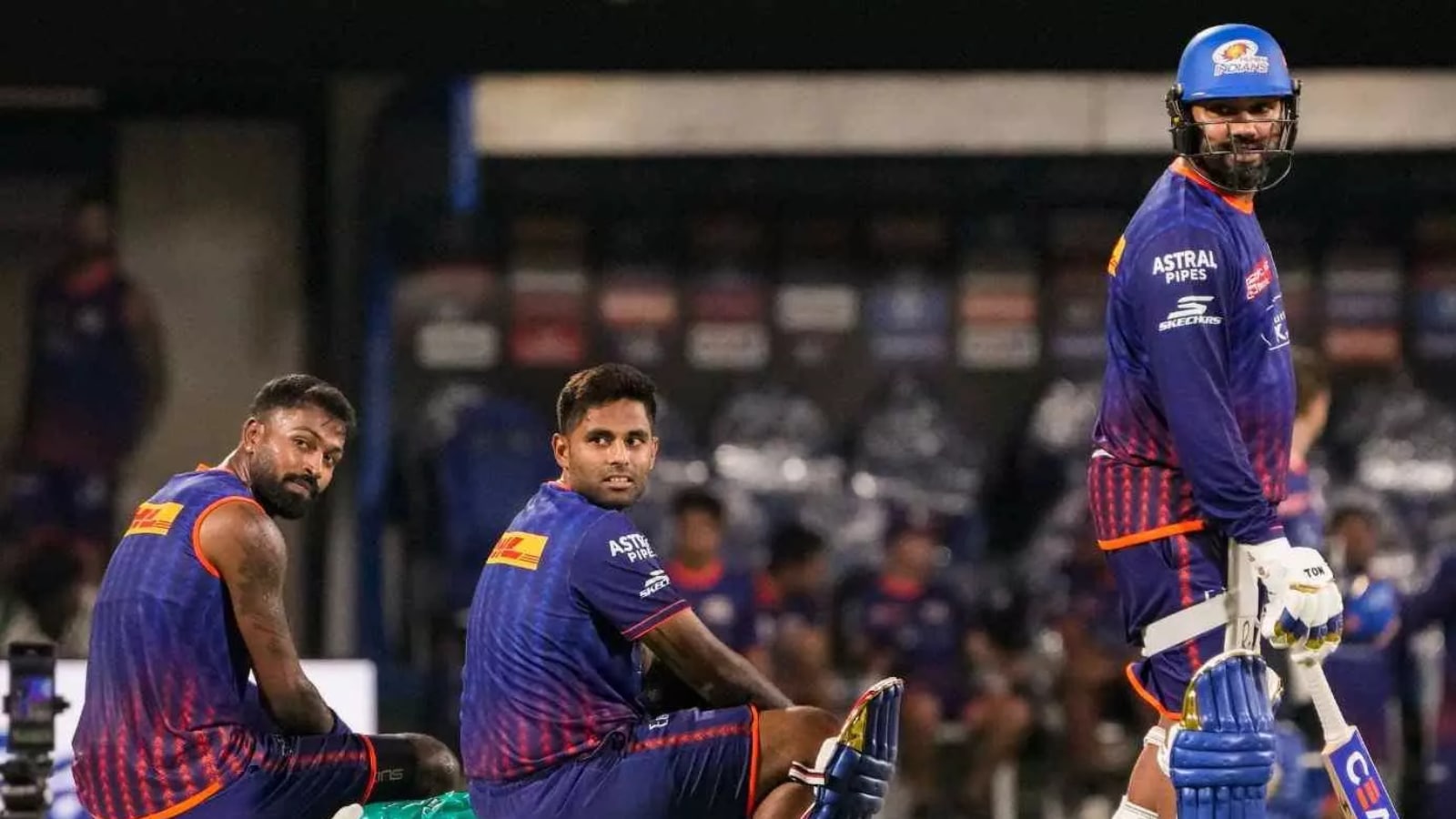
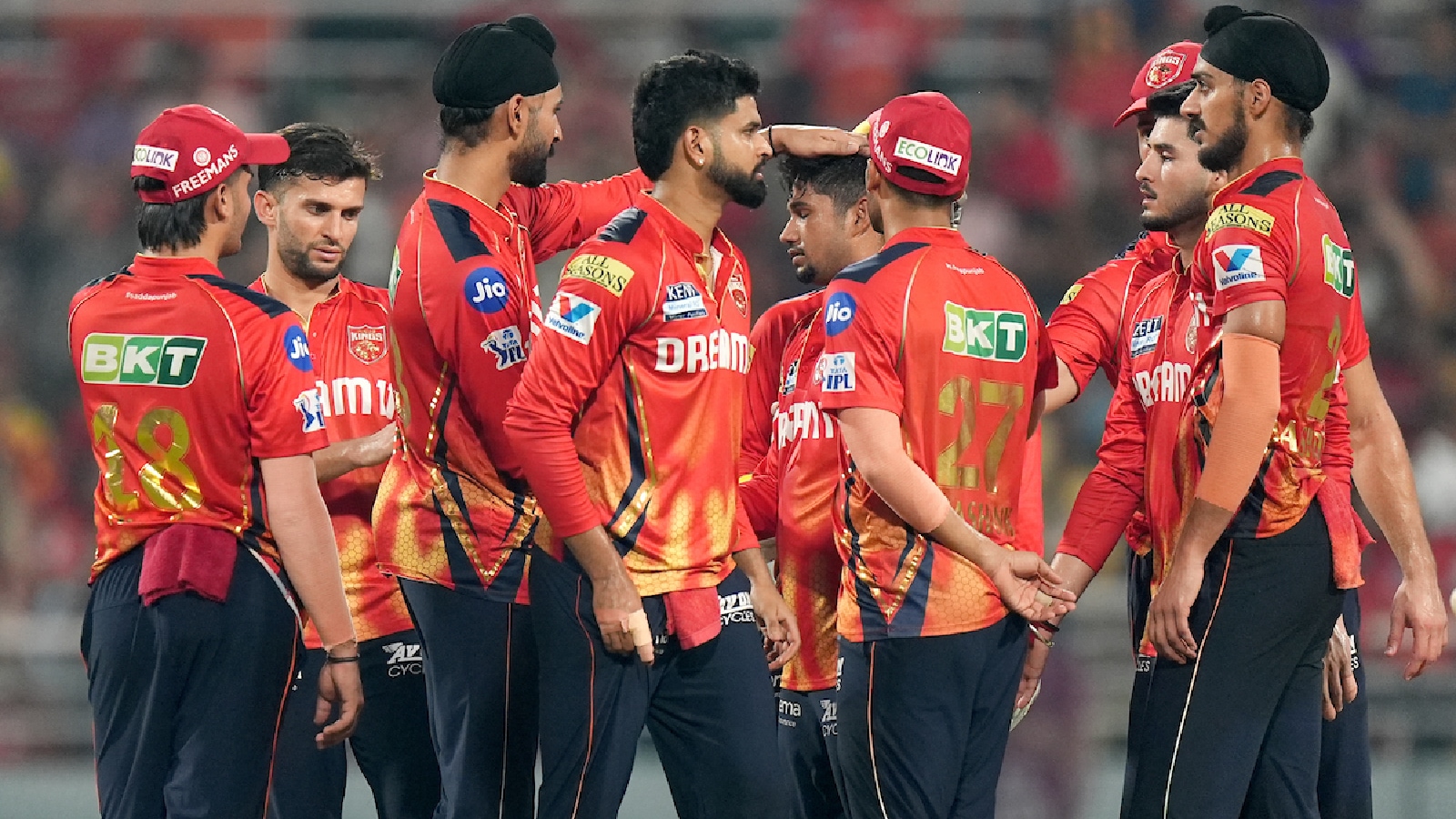
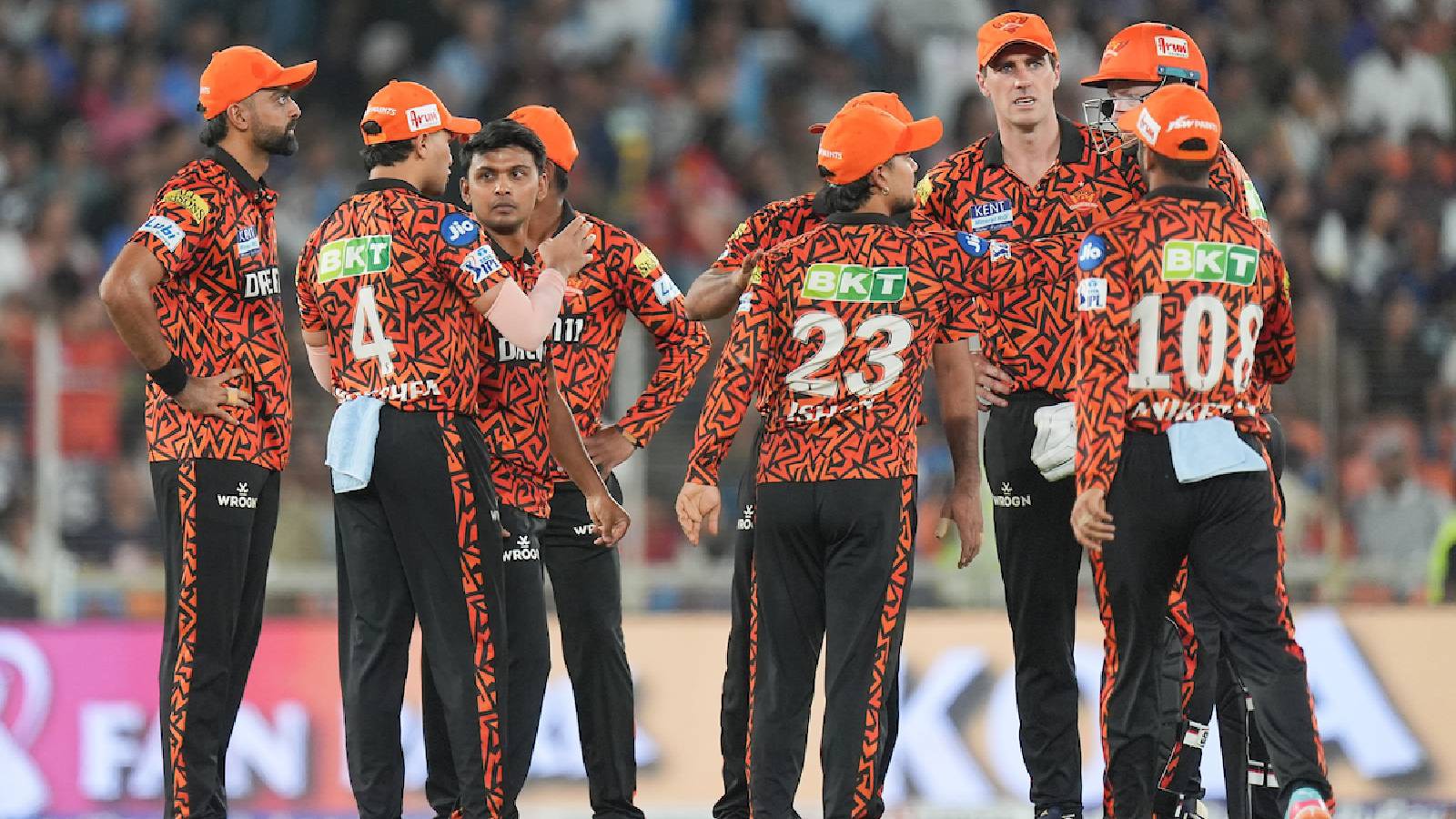
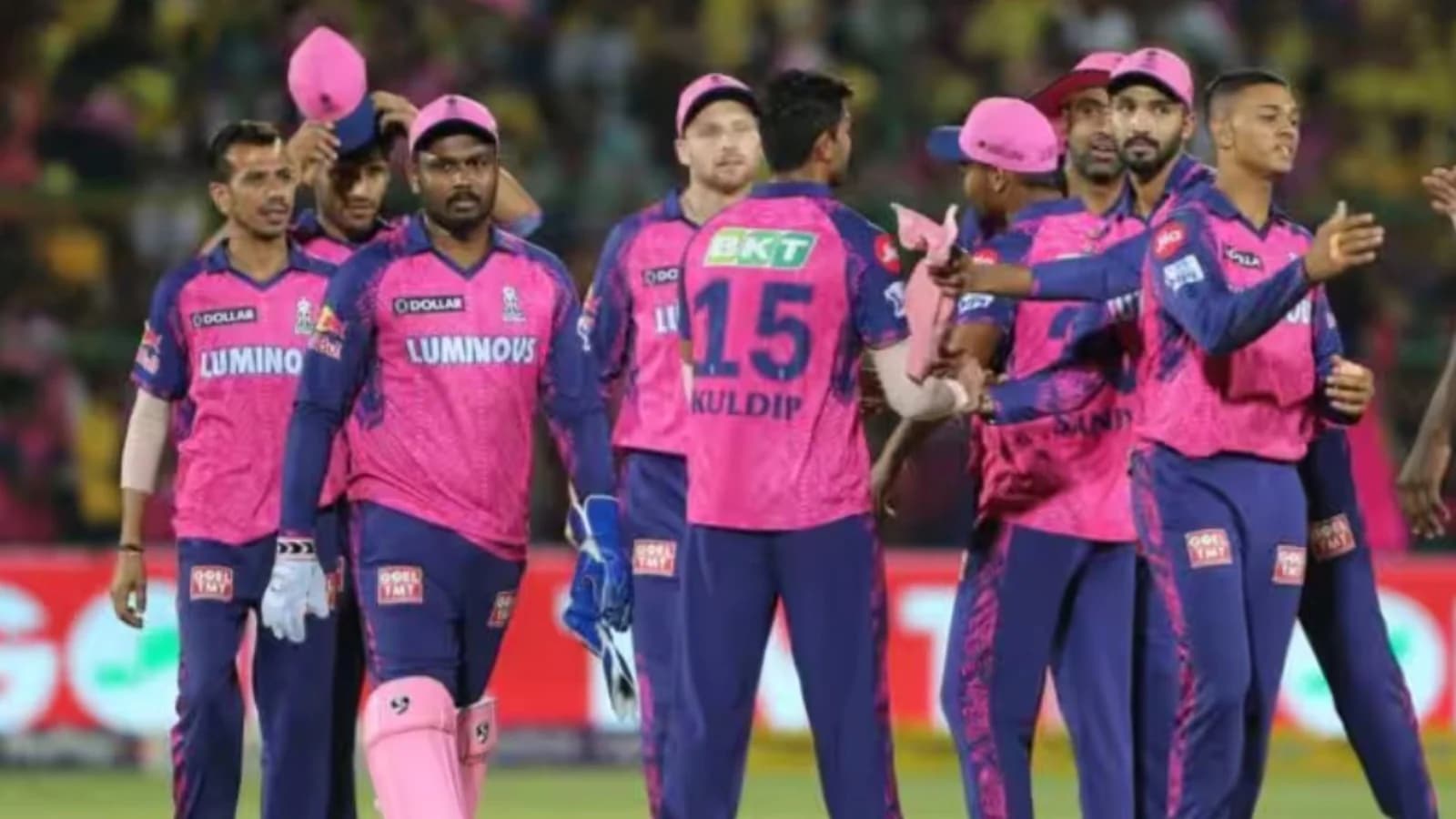
Ghosal cites the example of how Jasprit Bumrah bowling to Virat Kohli or Rohit Sharma, blended into the team narratives of IPL franchises. But the focus in a Mostafa Asal (current World No 1) vs Diego Elias (No 2) match, no matter what team they represented, remained on their personalities. “It boiled down to individuals.” So cobbling together different singles matches into one team event, was not going to take off. “Also, squash does not currently have the viewership of cricket,” he would say, adding the World’s on the PSA could not be topped by a league.
The turning point, of course, is an inflection point in technology itself, with AI galloping at a massive pace this last one year. “We might not have been able to use AI at scale 4-5 years ago. It was always involved but this last year it has emerged as the future of sports platforms because now it’s 40-50 % of the sport’s future,” he explains. Squash simply has adopted and embraced it straight away.
In comparison of the excitement he feels as against his own playing days, the recently retired player says, he’s resigned to accepting his new suave role, and not dwell on the past. “The one thing I’ve realised in the last one year is nothing compared to my playing days. It will be foolhardy to chase the highs of when I played on the biggest stages, or represent India at Asian Games,” he says.
He is under no illusion that the format of World Premier Squash as envisaged currently, will stay permanent. “At the same time we accept, exciting iterations of the format will continue developing, evolution will happen, and will be determined by the ones playing and watching it,” he says. In that, Ghosal insists its not a new league, for leagues’ sake, just fading of separation lines between a top ranked pro, and someone super-talented in one aspect but playing right this moment only in some apartment complex somewhere.
Squash might be the first sport to on-board whole-scale Artificial Intelligence (AI) technology, while compiling its player base for the upcoming World Premier Squash, to be played in August of 2026. And India’s finest baller Saurav Ghosal is in the thick of all things innovative and disruptive, as the sport’s league Commissioner, having been part of the core group that thought up the idea.
“Of course it’s exciting and if I may call it, a ‘seismic shift’ in Squash, and I must thank the Professional Squash Association (PSA) who has an open mind and endorsed it,” he says of a radically different way in which the global league will be conducted. The sport, due to debut at the Olympics in 2028 Los Angeles, is forging a simultaneous new trail, which for one, opens up the league to rank outsiders and amateurs, who might be playing squash in a complete obscure corner of the world, and not even have a ranking on the Pro Tour. It’s the same seismic change that reality TV shows brought to entertainment and viewer engagement, going beyond the established names.
Anyone, anywhere can upload their playing videos on the App and submit them for consideration, Ghosal explains. “There are certain AI parameters which are attached to specific challenges,” he describes, so the videos will be judged by AI, to form the world leaderboard, and the cumulative points will give you the chance to be part of the league.
These AI parameters go beyond the obvious winning of a rally, as has traditionally occurred. “All I can reveal right now is the AI parameters are not purely based on winning or losing points. Things like accuracy, pace of the game will be judged,” he says.
“You can video your game in a building society, or at a national training centre, the parameters aren’t restricted to the “so-called pros.” Any squash enthusiast can try, it gives people outside rankings a chance. Someone might be a good player but not able to travel on the Tour,” he explains of an event that will complement the quite-exhaustive 8-9 month existing pro Tour, and consolidate club players-fitness practitioners into one consolidated ecosystem.
“I wish I could play in it,” he says, excited about the clutter-breaking approach to leagues, which emerged after rejecting what could’ve been a conventional league. “Why would I watch this, over the World Championships?” was the driving point that forced the founders to think outside the current glass box.
“For more than a year, everyone had been talking about how squash doesn’t have a global league across the world, as such,” he says of how he was part of the idea from its inception.
A crucial realisation, however, needed to be voiced. “The traditional league routes, however, haven’t taken off in individual sports, unlike say in tram sports like cricket, kabaddi,” he discerned. Individual sports simply could not rouse fandoms unlike football or cricket, and the focus remained on individual names—which the pro tours, be it in tennis or boxing or badminton, anyway catered to the year-round.
Ghosal cites the example of how Jasprit Bumrah bowling to Virat Kohli or Rohit Sharma, blended into the team narratives of IPL franchises. But the focus in a Mostafa Asal (current World No 1) vs Diego Elias (No 2) match, no matter what team they represented, remained on their personalities. “It boiled down to individuals.” So cobbling together different singles matches into one team event, was not going to take off. “Also, squash does not currently have the viewership of cricket,” he would say, adding the World’s on the PSA could not be topped by a league.
The turning point, of course, is an inflection point in technology itself, with AI galloping at a massive pace this last one year. “We might not have been able to use AI at scale 4-5 years ago. It was always involved but this last year it has emerged as the future of sports platforms because now it’s 40-50 % of the sport’s future,” he explains. Squash simply has adopted and embraced it straight away.
In comparison of the excitement he feels as against his own playing days, the recently retired player says, he’s resigned to accepting his new suave role, and not dwell on the past. “The one thing I’ve realised in the last one year is nothing compared to my playing days. It will be foolhardy to chase the highs of when I played on the biggest stages, or represent India at Asian Games,” he says.
He is under no illusion that the format of World Premier Squash as envisaged currently, will stay permanent. “At the same time we accept, exciting iterations of the format will continue developing, evolution will happen, and will be determined by the ones playing and watching it,” he says. In that, Ghosal insists its not a new league, for leagues’ sake, just fading of separation lines between a top ranked pro, and someone super-talented in one aspect but playing right this moment only in some apartment complex somewhere.