

Can Dutch Courage do what superstars couldn’t?
Koeman's unheralded squad arrives at the 2026 World Cup without stars, without baggage, and one inch from ending fifty years of hurt
By Shuvaditya Bose
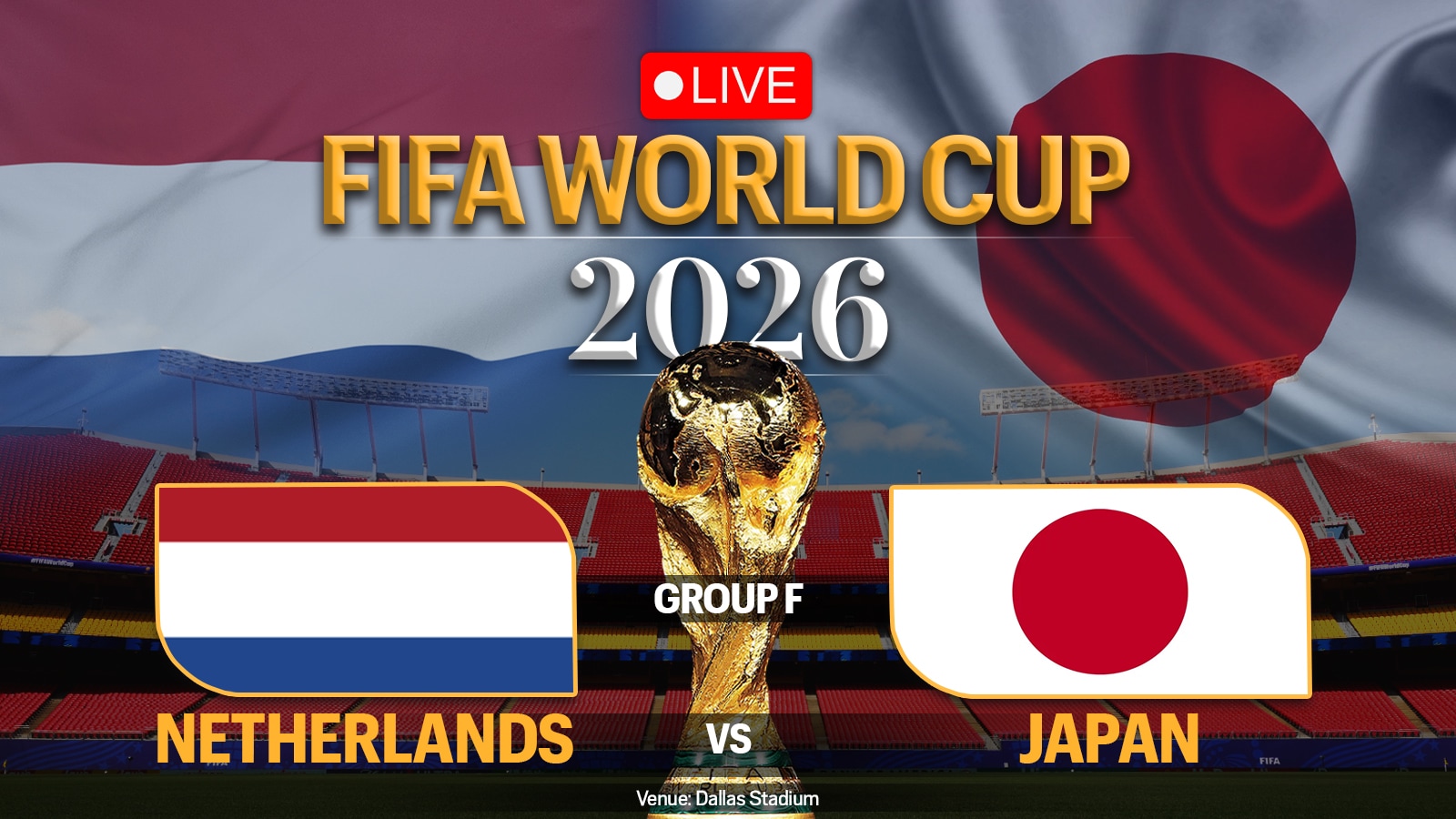
Rob Rensenbrink’s shot hit the post in the dying minutes of the 1978 World Cup final. An inch either way and the Netherlands would have been world champions. Instead, Argentina lifted the trophy on home soil, and Dutch football was left to contemplate, again, the particular cruelty of almost. They had done it four years earlier too, against West Germany, inventing the future of the sport and losing the tournament. Total Football, Johan Cruyff, the spinning orange: a revolution that changed everything except the scoreline.
Going into the 2026 FIFA World Cup, the Netherlands remain the only nation to have appeared in three finals without winning one. They have also, in the years between, failed to qualify for tournaments entirely, oscillating between revelation and invisibility as if one were the price of the other.
What makes this edition different is not what this team has. It is what it doesn’t. No Cruyff bending games to his will. No Bergkamp, that still-point in a moving world. No Robben cutting inside, making it happen with the inevitability of something predetermined. The recent results don’t inspire confidence: a draw against Ecuador, a loss to Algeria, a last-minute penalty to beat debutants Uzbekistan. There is very little on paper to suggest the Netherlands will trouble the favourites.
ALSO READ | Argentina look like 2022 again. Can Lionel Messi and the old guard win?
And yet. Under Ronald Koeman, this team reached the Euro 2024 semi-final, one minute and a penalty shootout from the final, only eight years after failing to qualify for the same tournament. In qualifying for this World Cup, they went unbeaten across eight games, scoring 27 goals and conceding four. That is not a small thing. It represents a structural recovery: improved depth, collective shape, a defensive solidity that the Cruyff-era sides, for all their genius, rarely bothered with. The improvement belongs to no single man, which is precisely what makes it interesting.
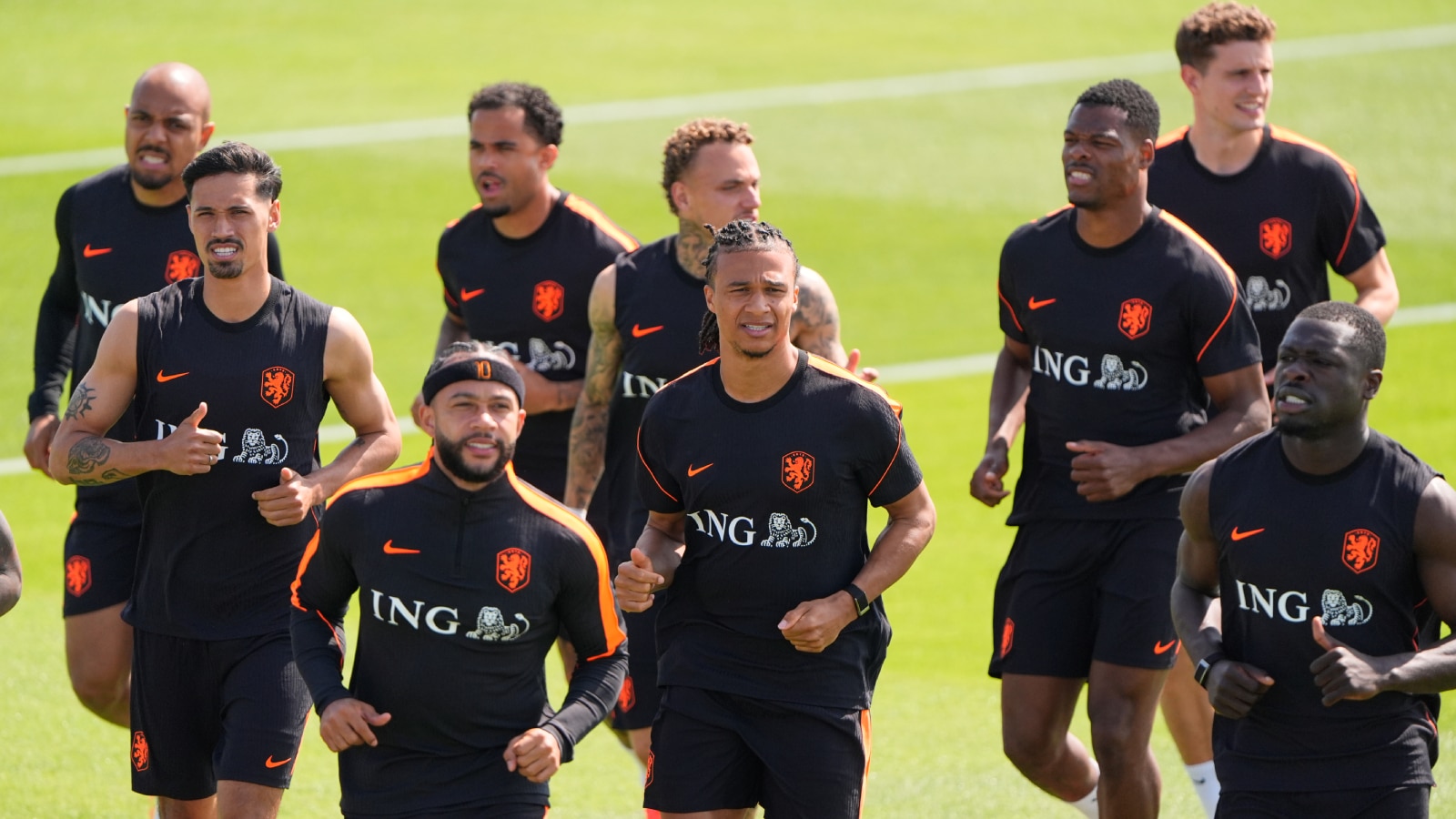
Dressed for the biggest stage. 🌎#NothingLikeOranje #FIFAWorldCup | @CavallaroNapoli pic.twitter.com/yTqKCg9hqX
— OnsOranje (@OnsOranje) June 4, 2026
Frenkie de Jong does not look like a player carrying a team. He looks like a player doing his job with unusual thoroughness, winning the ball back, finding the pass, doing it again. The numbers from the 2025-26 La Liga season are quietly extraordinary: highest pass completion rate in the final third, third in passes completed per 90. That combination, creative and relentless at the same time, is rarer than it sounds. Behind him, Virgil van Dijk no longer generates the headlines that once followed him everywhere. He just plays. Every minute of Liverpool’s Premier League campaign, reliable the way a load-bearing wall is reliable: you only notice if it isn’t there. Donyell Malen will be nobody’s tournament poster. He scored 14 goals in 18 Serie A appearances for Roma. Nobody in Italy’s top flight scored more often per 90 minutes. Bart Verbruggen and Jean Paul van Hecke represent no traditional big-six club in England, yet they were central to Brighton securing European football for next season, unglamorous work, done well, in front of small audiences.
The Netherlands arrive without Matthijs de Ligt and Xavi Simons. Jurrien Timber pulled out days before departure, a last injury in a long list of them. Memphis Depay, 32, carrying a hamstring, is in the squad on faith, Koeman’s faith specifically: “I selected Memphis because of who he still is. I don’t see anyone else in that position who can do it.” The squad carries no baggage, no expectation, no obvious ceiling to disappoint against. The orange strip has never been less burdened by what it used to mean.
ALSO READ | Portugal beyond Ronaldo: Vitinha, Bruno creative heartbeat in push for World Cup
The phrase Dutch Courage was coined by the English after the Anglo-Dutch Wars, a pejorative for bravery borrowed from gin rather than grown from conviction. The implication being that it isn’t real courage. That it requires something external to hold its shape. For the Malens and the van Heckes, walking into a World Cup in a country that alternates between world-beaters and invisibility, it may be the only kind on offer. Nobody outside the squad believes in them particularly. The bookmakers don’t say favourites. The rankings don’t say top five. The absent superstars don’t say this is our moment.
What they have is the particular freedom of a team with nothing to lose and enough quality to be dangerous on a given day. It has produced results under Koeman before. It is the only thing that can produce them now.
Rensenbrink’s shot hit the post. The Dutch have lived in that inch for nearly fifty years. In the 2026 World Cup, the men nobody fancied get to decide whether it ends.
By Shuvaditya Bose
Rob Rensenbrink’s shot hit the post in the dying minutes of the 1978 World Cup final. An inch either way and the Netherlands would have been world champions. Instead, Argentina lifted the trophy on home soil, and Dutch football was left to contemplate, again, the particular cruelty of almost. They had done it four years earlier too, against West Germany, inventing the future of the sport and losing the tournament. Total Football, Johan Cruyff, the spinning orange: a revolution that changed everything except the scoreline.
Going into the 2026 FIFA World Cup, the Netherlands remain the only nation to have appeared in three finals without winning one. They have also, in the years between, failed to qualify for tournaments entirely, oscillating between revelation and invisibility as if one were the price of the other.
What makes this edition different is not what this team has. It is what it doesn’t. No Cruyff bending games to his will. No Bergkamp, that still-point in a moving world. No Robben cutting inside, making it happen with the inevitability of something predetermined. The recent results don’t inspire confidence: a draw against Ecuador, a loss to Algeria, a last-minute penalty to beat debutants Uzbekistan. There is very little on paper to suggest the Netherlands will trouble the favourites.
ALSO READ | Argentina look like 2022 again. Can Lionel Messi and the old guard win?
And yet. Under Ronald Koeman, this team reached the Euro 2024 semi-final, one minute and a penalty shootout from the final, only eight years after failing to qualify for the same tournament. In qualifying for this World Cup, they went unbeaten across eight games, scoring 27 goals and conceding four. That is not a small thing. It represents a structural recovery: improved depth, collective shape, a defensive solidity that the Cruyff-era sides, for all their genius, rarely bothered with. The improvement belongs to no single man, which is precisely what makes it interesting.
Dressed for the biggest stage. 🌎#NothingLikeOranje #FIFAWorldCup | @CavallaroNapoli pic.twitter.com/yTqKCg9hqX
— OnsOranje (@OnsOranje) June 4, 2026
Frenkie de Jong does not look like a player carrying a team. He looks like a player doing his job with unusual thoroughness, winning the ball back, finding the pass, doing it again. The numbers from the 2025-26 La Liga season are quietly extraordinary: highest pass completion rate in the final third, third in passes completed per 90. That combination, creative and relentless at the same time, is rarer than it sounds. Behind him, Virgil van Dijk no longer generates the headlines that once followed him everywhere. He just plays. Every minute of Liverpool’s Premier League campaign, reliable the way a load-bearing wall is reliable: you only notice if it isn’t there. Donyell Malen will be nobody’s tournament poster. He scored 14 goals in 18 Serie A appearances for Roma. Nobody in Italy’s top flight scored more often per 90 minutes. Bart Verbruggen and Jean Paul van Hecke represent no traditional big-six club in England, yet they were central to Brighton securing European football for next season, unglamorous work, done well, in front of small audiences.
The Netherlands arrive without Matthijs de Ligt and Xavi Simons. Jurrien Timber pulled out days before departure, a last injury in a long list of them. Memphis Depay, 32, carrying a hamstring, is in the squad on faith, Koeman’s faith specifically: “I selected Memphis because of who he still is. I don’t see anyone else in that position who can do it.” The squad carries no baggage, no expectation, no obvious ceiling to disappoint against. The orange strip has never been less burdened by what it used to mean.
ALSO READ | Portugal beyond Ronaldo: Vitinha, Bruno creative heartbeat in push for World Cup
The phrase Dutch Courage was coined by the English after the Anglo-Dutch Wars, a pejorative for bravery borrowed from gin rather than grown from conviction. The implication being that it isn’t real courage. That it requires something external to hold its shape. For the Malens and the van Heckes, walking into a World Cup in a country that alternates between world-beaters and invisibility, it may be the only kind on offer. Nobody outside the squad believes in them particularly. The bookmakers don’t say favourites. The rankings don’t say top five. The absent superstars don’t say this is our moment.
What they have is the particular freedom of a team with nothing to lose and enough quality to be dangerous on a given day. It has produced results under Koeman before. It is the only thing that can produce them now.
Rensenbrink’s shot hit the post. The Dutch have lived in that inch for nearly fifty years. In the 2026 World Cup, the men nobody fancied get to decide whether it ends.