

How a mother’s sacrifice shaped Spain’s midfield workhorse Fabian Ruiz
FIFA World Cup 2026: Spain's Fabian Ruiz is almost anti-stat, a footballer who can’t be easily measured or deciphered.
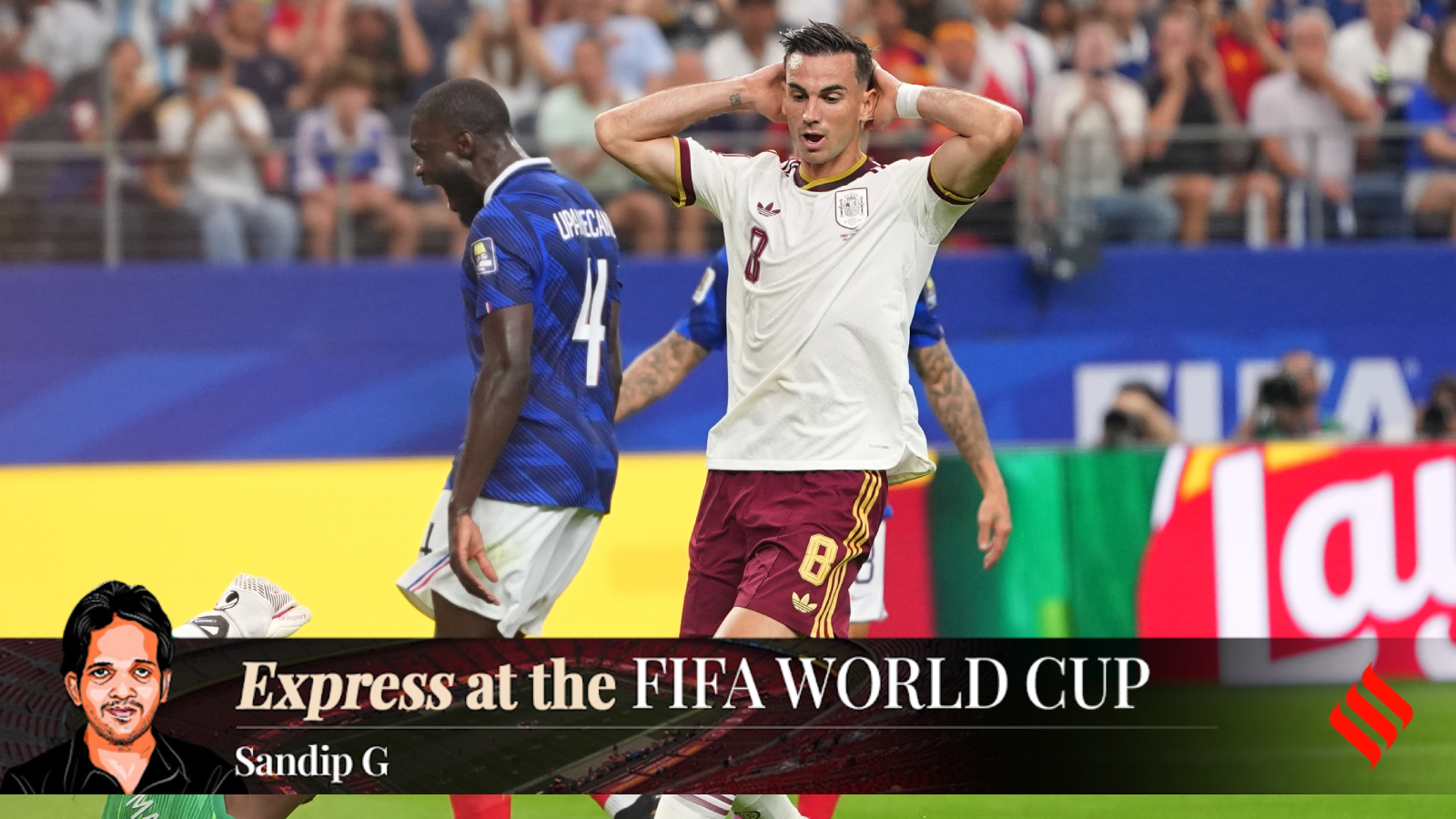
The first touch of Kylian Mbappe in the semifinal match against Spain was exquisite. He twisted his body sideways so that he could take the ball on his stride and waltz away. He braked, because there was an intruder, Fabian Ruiz. He popped up from nowhere and cajoled the ball from the Frenchman. He was not meant to be there, but that was where he was, in unmanned space snuffing out the danger.
The next second, just like he appeared, he disappeared to the vast expanses of the arena, to a recognisable shimmering red shirt. It’s how Fabian — he tells journalists to put just his first name in print — wants the world to see him. In the moment he chooses to. Or rather it’s how the action unfolds. Fabian was a few yards behind Adrien Rabiot when he wrestled the ball from Lamine Yamal. But his binocular eyes noticed that Pedro Porro was static down the right flank and Mbappe would be running into space. It’s this vision, and processing ability to read the situation that makes him the manager’s favourite for dismantling the original favourites.
ALSO READ | Enzo Fernandez begged Messi to stay in 2016. Now he carries him
The more classical option for Luis de la Fuente was Pedri. The Barcelona midfielder can conjure breathtaking passes, defence-splitting crosses and navigate through tight spaces with an alley cat’s stealth. But against France — the Belgium game where Fabian displaced Pedri in the starting eleven seemed like a rehearsal — the manager needed a more dynamic presence, someone who could orchestrate fast, one-touch, grab-and-go passing passages, where the players glided like piranhas on water. He is like a double agent, prowling in the shadows, laying snares in clandestine.
At the heart of it was Fabian, yet he would be traceless in highlight reels, even extended ones. He mans the left side of the midfield, either on the left of Rodri in a double pivot or ahead of him, in the No.8 role. From there, he has typically three preferred routes. Fizz upfront into a ten’s role, making late runs into the box to offer goal-scoring threat and often scoring goals, as he did against Belgium with a cracker. Wander to the left, letting the winger Alex Baena drift in, and thread passes down the line. Sometimes, he even drops back for the underlapping runs of left-back Marc Cucurella. He punches the balls in between the lines to teammates higher up the pitch.
Under the cloak of invisibility he goes unappreciated. In the European Championship, he was as influential as Rodri was, but in a different way. He racked two goals and as many assists; maintained a passing precision of 88 percent, made 24 successful tackles and made a tournament high of 21 possession recoveries. In largely cameo roles, merely 261 minutes, in the World Cup, he scored the opener against Belgium, created five chances, and maintained a passing percentage of 92.5. But he is almost anti-stat, the footballer who can’t be easily measured or deciphered in stupendous utility.
His manager in PSG, Luis Enrique once said: “He has everything a manager wants, intelligence, awareness, intuition. Everybody sings about Kvicha or Dembele or Vitinha but Fabian is as essential to the team.”
ALSO READ | Lionel Messi is up against the country that made him in World Cup final
He is humble and hardworking, the first to reach the practice and the last to leave. He says he owes these traits to his mother. She is his idol, he says in an interview with ABC (Andalusia Broadcast Corporation). He was only 12 when his parents divorced. His mother had to raise three children including him in Los Palacios y Villafranca — a municipality in the province of Seville with roughly 39,000 inhabitants. “She spent the day on the motorway; she barely had time to eat because she put her three children before her. My mother had to support me and my siblings independently. With a house, three children, the studies, taking me to train at Betis — it was not easy. We went through hard times economically,” he said.
She then found a job at the Real Betis club, where his son enrolled when he was eight. She was the dressing room attendant, and his eyes would well up when he saw her clearing up the mess he and his teammates had caused. “At the beginning, I was a little embarrassed, because she was cleaning the dressing rooms and I was getting changed in them,” he said.
When he grew up, he realised the true value of the sacrifices. “She gave everything she had so that I could fulfil my dream. When I was a kid I didn’t see it; I didn’t understand what she was doing because I was very young. She made tough sacrifices for me each day,” he recollected. Her face flashes in his mind whenever he jogs into the ground, and then puts his invisible-act shifts.
The first touch of Kylian Mbappe in the semifinal match against Spain was exquisite. He twisted his body sideways so that he could take the ball on his stride and waltz away. He braked, because there was an intruder, Fabian Ruiz. He popped up from nowhere and cajoled the ball from the Frenchman. He was not meant to be there, but that was where he was, in unmanned space snuffing out the danger.
The next second, just like he appeared, he disappeared to the vast expanses of the arena, to a recognisable shimmering red shirt. It’s how Fabian — he tells journalists to put just his first name in print — wants the world to see him. In the moment he chooses to. Or rather it’s how the action unfolds. Fabian was a few yards behind Adrien Rabiot when he wrestled the ball from Lamine Yamal. But his binocular eyes noticed that Pedro Porro was static down the right flank and Mbappe would be running into space. It’s this vision, and processing ability to read the situation that makes him the manager’s favourite for dismantling the original favourites.
ALSO READ | Enzo Fernandez begged Messi to stay in 2016. Now he carries him
The more classical option for Luis de la Fuente was Pedri. The Barcelona midfielder can conjure breathtaking passes, defence-splitting crosses and navigate through tight spaces with an alley cat’s stealth. But against France — the Belgium game where Fabian displaced Pedri in the starting eleven seemed like a rehearsal — the manager needed a more dynamic presence, someone who could orchestrate fast, one-touch, grab-and-go passing passages, where the players glided like piranhas on water. He is like a double agent, prowling in the shadows, laying snares in clandestine.
At the heart of it was Fabian, yet he would be traceless in highlight reels, even extended ones. He mans the left side of the midfield, either on the left of Rodri in a double pivot or ahead of him, in the No.8 role. From there, he has typically three preferred routes. Fizz upfront into a ten’s role, making late runs into the box to offer goal-scoring threat and often scoring goals, as he did against Belgium with a cracker. Wander to the left, letting the winger Alex Baena drift in, and thread passes down the line. Sometimes, he even drops back for the underlapping runs of left-back Marc Cucurella. He punches the balls in between the lines to teammates higher up the pitch.
Under the cloak of invisibility he goes unappreciated. In the European Championship, he was as influential as Rodri was, but in a different way. He racked two goals and as many assists; maintained a passing precision of 88 percent, made 24 successful tackles and made a tournament high of 21 possession recoveries. In largely cameo roles, merely 261 minutes, in the World Cup, he scored the opener against Belgium, created five chances, and maintained a passing percentage of 92.5. But he is almost anti-stat, the footballer who can’t be easily measured or deciphered in stupendous utility.
His manager in PSG, Luis Enrique once said: “He has everything a manager wants, intelligence, awareness, intuition. Everybody sings about Kvicha or Dembele or Vitinha but Fabian is as essential to the team.”
ALSO READ | Lionel Messi is up against the country that made him in World Cup final
He is humble and hardworking, the first to reach the practice and the last to leave. He says he owes these traits to his mother. She is his idol, he says in an interview with ABC (Andalusia Broadcast Corporation). He was only 12 when his parents divorced. His mother had to raise three children including him in Los Palacios y Villafranca — a municipality in the province of Seville with roughly 39,000 inhabitants. “She spent the day on the motorway; she barely had time to eat because she put her three children before her. My mother had to support me and my siblings independently. With a house, three children, the studies, taking me to train at Betis — it was not easy. We went through hard times economically,” he said.
She then found a job at the Real Betis club, where his son enrolled when he was eight. She was the dressing room attendant, and his eyes would well up when he saw her clearing up the mess he and his teammates had caused. “At the beginning, I was a little embarrassed, because she was cleaning the dressing rooms and I was getting changed in them,” he said.
When he grew up, he realised the true value of the sacrifices. “She gave everything she had so that I could fulfil my dream. When I was a kid I didn’t see it; I didn’t understand what she was doing because I was very young. She made tough sacrifices for me each day,” he recollected. Her face flashes in his mind whenever he jogs into the ground, and then puts his invisible-act shifts.