

Ayyoub Bouaddi: Morocco’s teen sensation who stopped to applaud a pass at World Cup
At 15 he won a national eloquence competition arguing that how you play matters. At 18, against Brazil, he proved it.
At 15, Ayyoub Bouaddi was at the French president’s place, the Élysée Palace, making a case about how you should play. At 18, against Brazil at the FIFA World Cup, he answered his own question.
In June 2023, the final of the national eloquence competition for French professional football academies was at the Élysée Palace with first lady Brigitte Macron in the audience. The topic given to the youngster from Creil and other finalists was: Le résultat est-il supérieur à la manière? Is the result superior to the manner? Bouaddi won.
ALSO READ | FIFA World Cup teams adopt PSG’s rugby-inspired kick-out strategy
Creil is a town in the Oise, 40 minutes north of Paris by train. Sofiane Khair coached the football prodigy at AFC Creil fr om the age of 6 to 15. When Bouaddi began appearing for Lille’s first team, Khair told Eurosport: “We’re the only ones it doesn’t surprise.” Then he listed why. Maturity. Intelligence. Calm. Self-belief. Courage. And always first at training. And then, after all of that, he mentioned talent. The people who knew him longest mention the talent last. The football world, encountering him at MetLife Stadium last Saturday night, will struggle to find room for anything else.
His father Hassan is a former deputy mayor of Creil, a banking executive, and a former handball player. He belongs to that generation of diaspora Moroccan fathers who demand two things – academic excellence and dignity. Not one and then the other. Both, as the same thing.
Bouaddi skipped a year at primary school. He got his baccalauréat scientifique (France’s national academic science exams for secondary students) with mention très bien (the highest grade) at 16, a year earlier than the majority. He is currently enrolled by distance at the Université d’Aix-Marseille, reading mathematics, while playing Champions League football.
When journalists laugh at this — and they do — he is patient. “A lot of people laugh when I say I’m still studying,” he said at a Lille press conference in November 2024. “When you study alongside everything else, it keeps your mind alert.” Mathematics, he has said elsewhere, is not a backup plan. It is an intellectual necessity.
On October 2, 2024 — his 17th birthday — Lille played Real Madrid in the Champions League. Bouaddi sat at the base of the midfield against Bellingham, Valverde and Camavinga. He completed 43 of 44 passes, according to UEFA match data. Lille won 1-0. At the final whistle the ultras sang him Joyeux Anniversaire – French for Happy Birthday.
His face was on the front page of L’Équipe the next morning. The Real Madrid midfield had just spent 90 minutes trying to find out where the ball had gone.
For months, two national federations waited. Bouaddi had captained the France under-21 side as recently as March 2026. Then Zinedine Zidane, widely expected to take the France senior job after this World Cup, called him. Not to make promises. To tell the truth. Journalist Daniel Riolo reported the conversation on L’After Foot: “Zidane spoke to Bouaddi and told him: ‘I like you, but I can’t promise you anything.'” That was enough. He had not needed a guarantee. He needed to know where he stood.
FIFA approved the switch to Morocco on May 15, 2026. Six weeks before the tournament. At the Mohammed VI Football Complex: “The coach and the president told me immediately that choosing Morocco was the right decision and that I would receive an incredible welcome. They did not lie.”
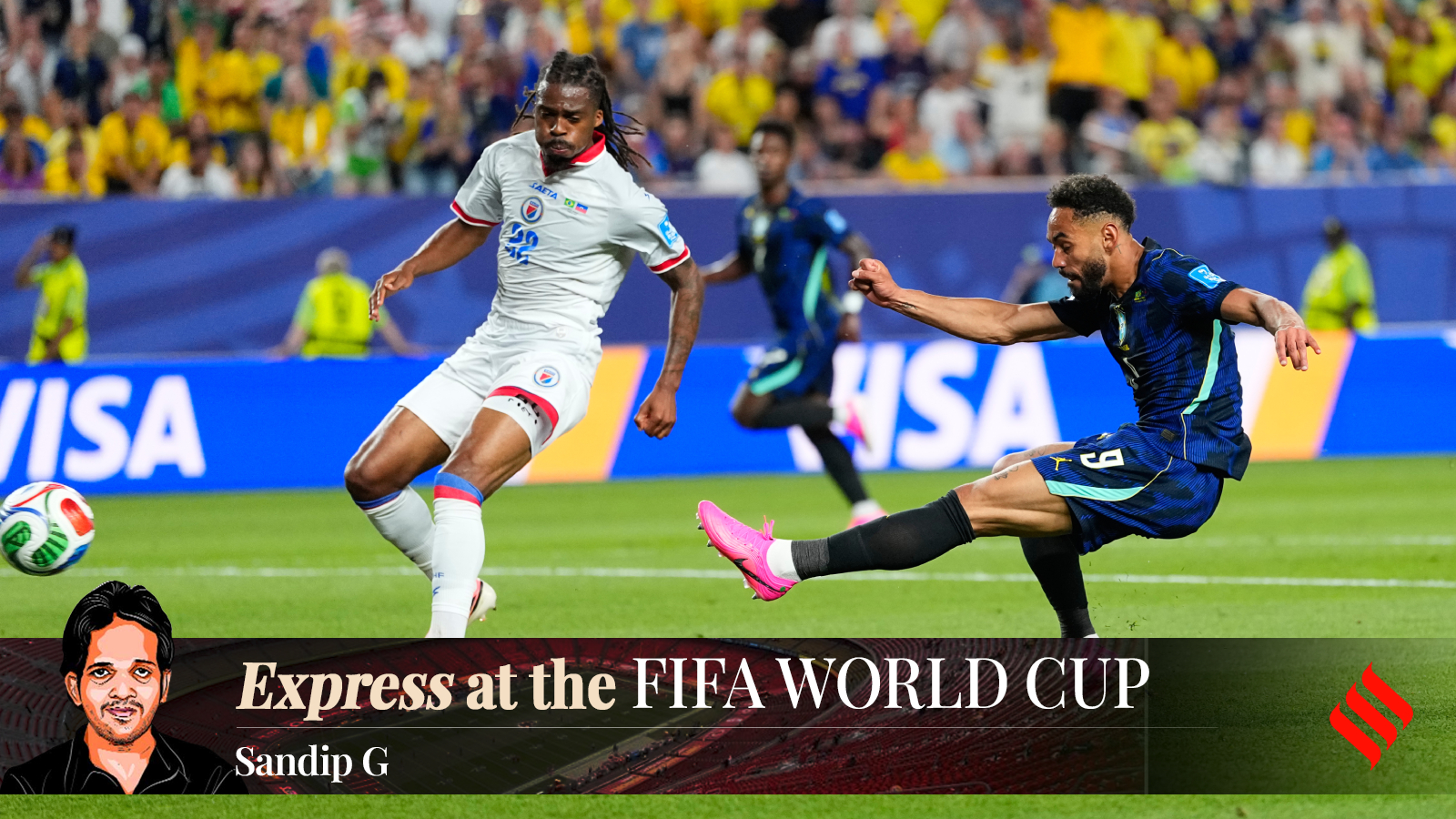
June 13, 2026. MetLife Stadium. Morocco vs Brazil. Casemiro — the defensive midfielder of his generation — started opposite him. By half-time he had been booked and substituted, his legs heavy, his reactions arriving a half-second late, made to look every one of his 34 years.
Morocco coach Mohamed Ouahbi had said before the match that picking Bouaddi carried no risk. “I only look at players’ performance, not the age. He could be 35, and if he plays well, he’ll play. Or 17.” At the final whistle Bouaddi had completed 91% of his passes, per FIFA match data — exceeded only by Brazil’s centre-backs. The Moroccan newspaper Libé wrote: “Where others seek to impress, he simply seeks to play correctly. And it is precisely this simplicity that impresses.” Afterwards, coach Ouahbi was asked about the teenager who had just controlled a World Cup midfield on debut. “He didn’t impress me,” he said. “Because I already knew who he was as a player.”
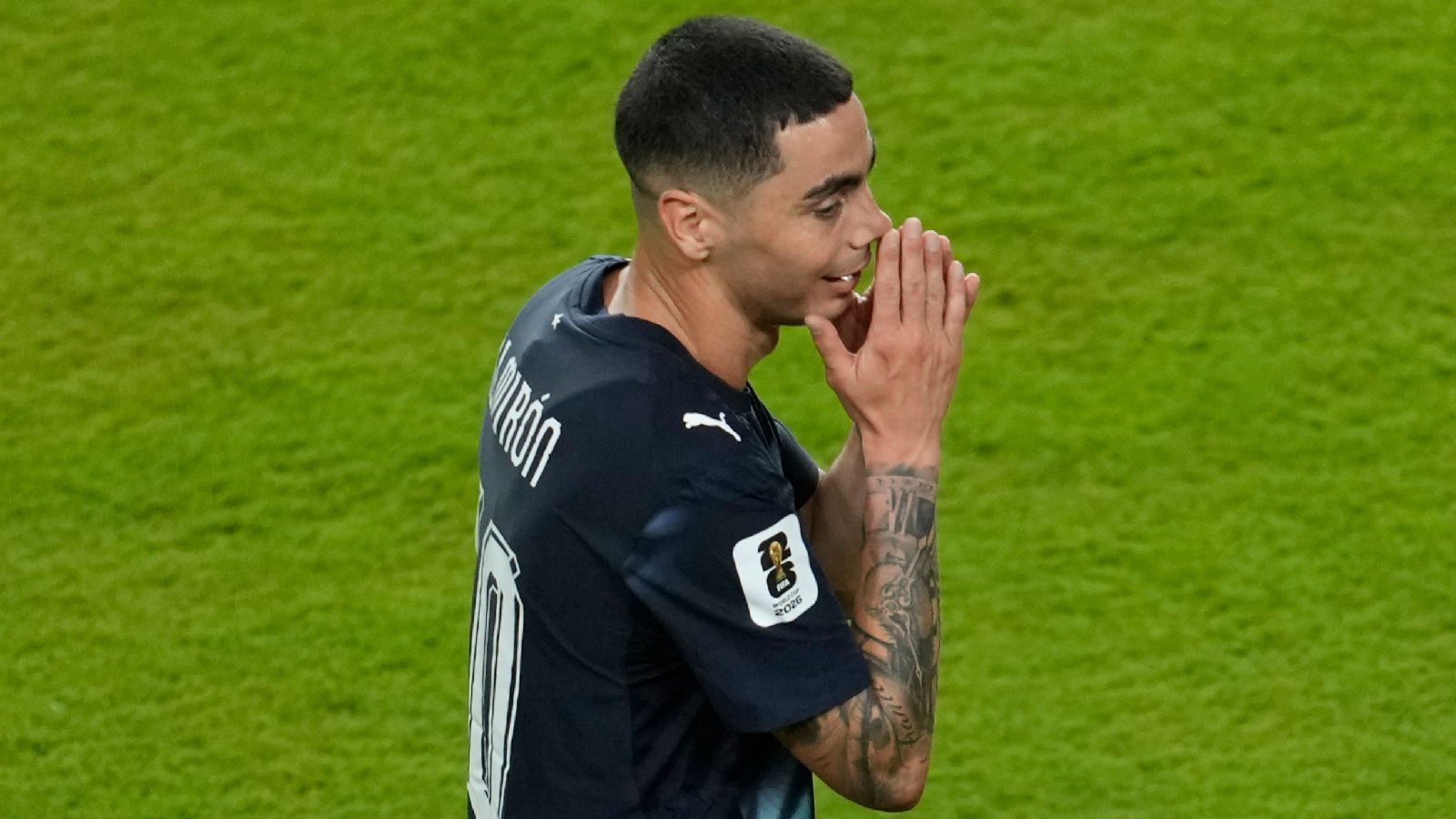
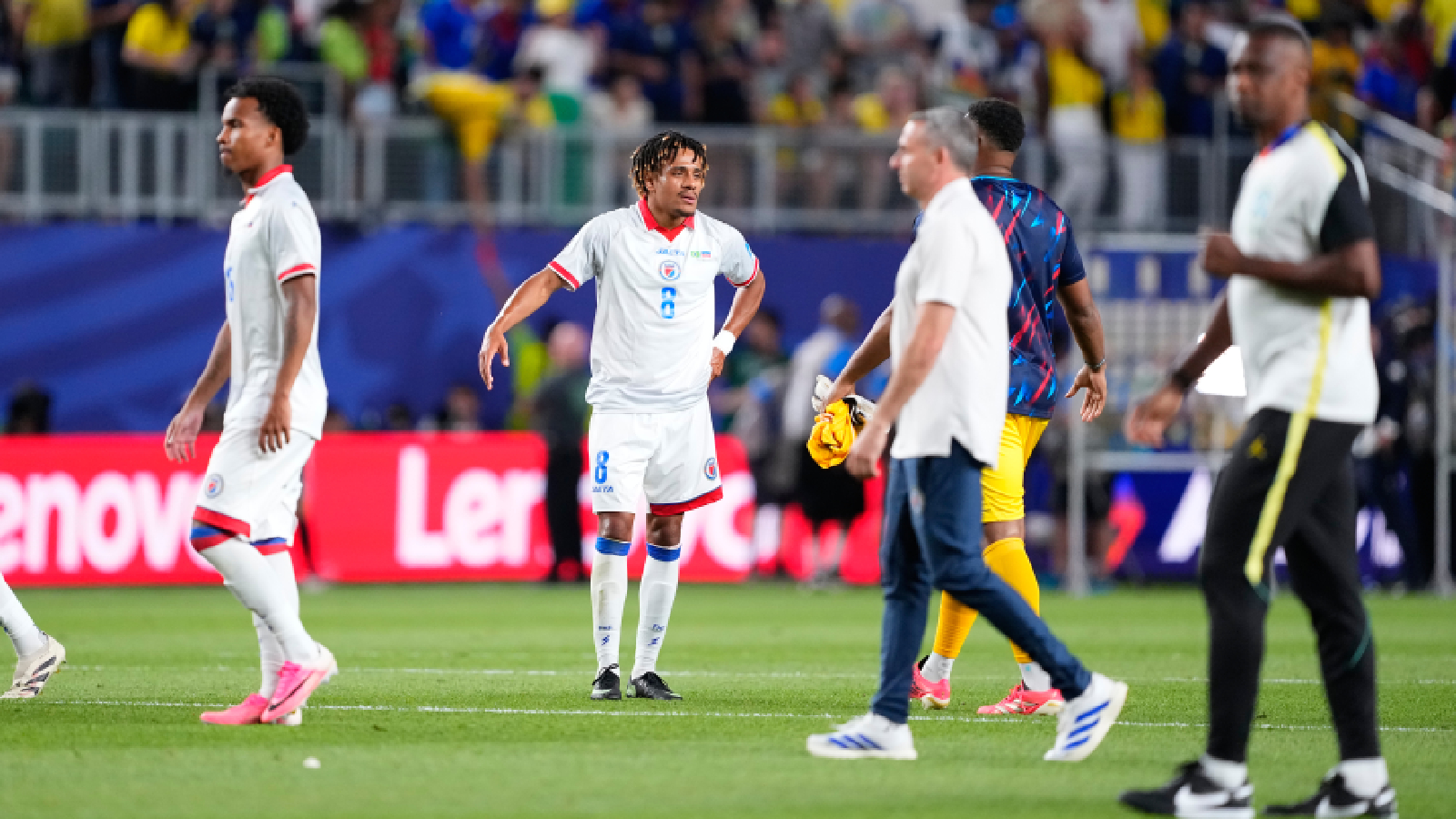
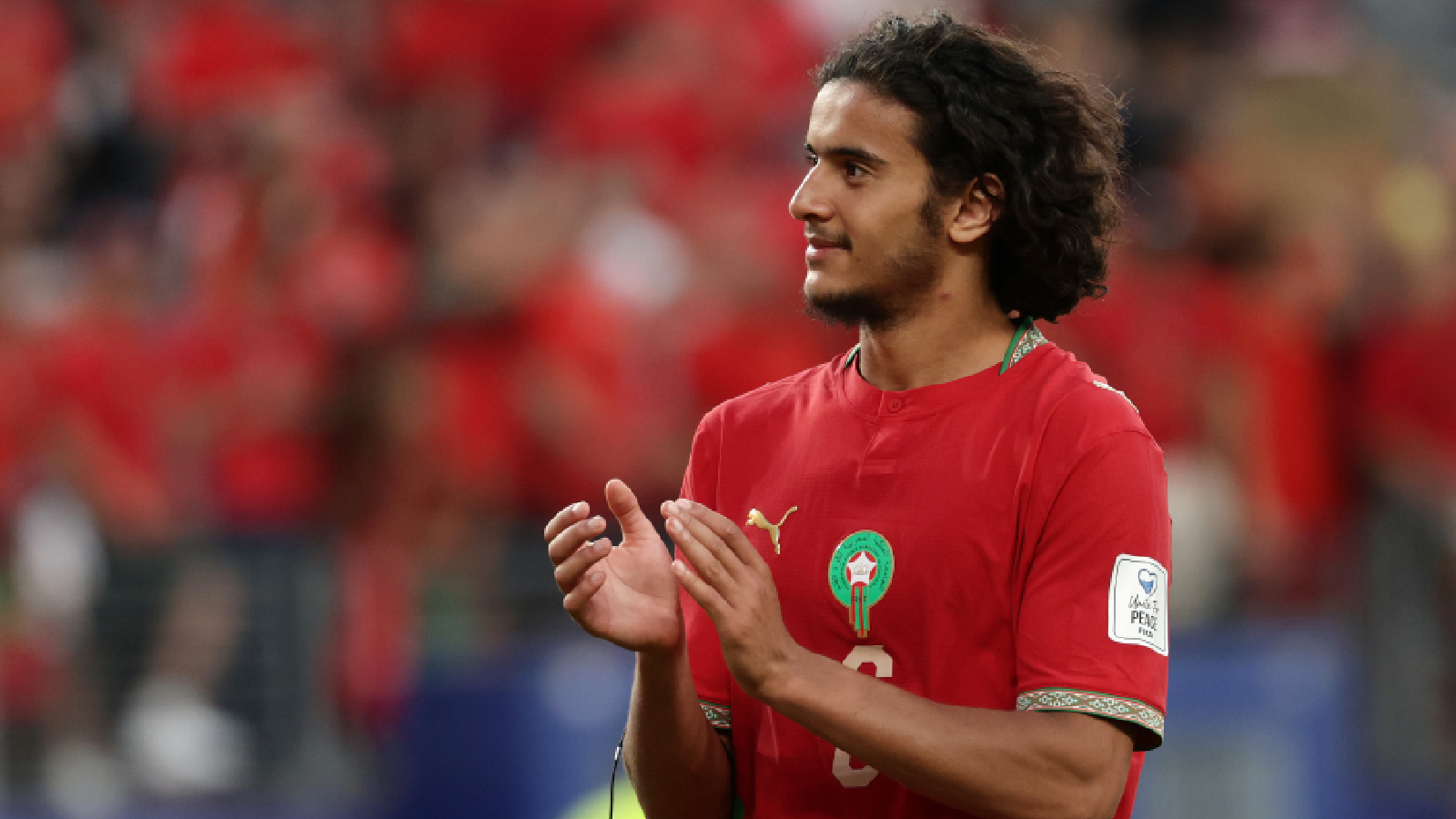
There is one moment from the match that did not make the highlights packages but will outlast most of those that did. The 87th minute. The score 1-1. Chadi Riad plays Bouaddi a pass. Bouaddi receives it, stops, and applauds — not the crowd, not a run, but the quality of the pass itself. Then he turns and moves forward, unhurried, as if he has just made a note in a margin. In the 87th minute. Against Brazil. At a World Cup. On his first competitive international. Three years after the Élysée Palace, Chadi Riad played him the right pass and Bouaddi stopped to tell him so.
At 15, Ayyoub Bouaddi was at the French president’s place, the Élysée Palace, making a case about how you should play. At 18, against Brazil at the FIFA World Cup, he answered his own question.
In June 2023, the final of the national eloquence competition for French professional football academies was at the Élysée Palace with first lady Brigitte Macron in the audience. The topic given to the youngster from Creil and other finalists was: Le résultat est-il supérieur à la manière? Is the result superior to the manner? Bouaddi won.
ALSO READ | FIFA World Cup teams adopt PSG’s rugby-inspired kick-out strategy
Creil is a town in the Oise, 40 minutes north of Paris by train. Sofiane Khair coached the football prodigy at AFC Creil fr om the age of 6 to 15. When Bouaddi began appearing for Lille’s first team, Khair told Eurosport: “We’re the only ones it doesn’t surprise.” Then he listed why. Maturity. Intelligence. Calm. Self-belief. Courage. And always first at training. And then, after all of that, he mentioned talent. The people who knew him longest mention the talent last. The football world, encountering him at MetLife Stadium last Saturday night, will struggle to find room for anything else.
His father Hassan is a former deputy mayor of Creil, a banking executive, and a former handball player. He belongs to that generation of diaspora Moroccan fathers who demand two things – academic excellence and dignity. Not one and then the other. Both, as the same thing.
Bouaddi skipped a year at primary school. He got his baccalauréat scientifique (France’s national academic science exams for secondary students) with mention très bien (the highest grade) at 16, a year earlier than the majority. He is currently enrolled by distance at the Université d’Aix-Marseille, reading mathematics, while playing Champions League football.
When journalists laugh at this — and they do — he is patient. “A lot of people laugh when I say I’m still studying,” he said at a Lille press conference in November 2024. “When you study alongside everything else, it keeps your mind alert.” Mathematics, he has said elsewhere, is not a backup plan. It is an intellectual necessity.
On October 2, 2024 — his 17th birthday — Lille played Real Madrid in the Champions League. Bouaddi sat at the base of the midfield against Bellingham, Valverde and Camavinga. He completed 43 of 44 passes, according to UEFA match data. Lille won 1-0. At the final whistle the ultras sang him Joyeux Anniversaire – French for Happy Birthday.
His face was on the front page of L’Équipe the next morning. The Real Madrid midfield had just spent 90 minutes trying to find out where the ball had gone.
For months, two national federations waited. Bouaddi had captained the France under-21 side as recently as March 2026. Then Zinedine Zidane, widely expected to take the France senior job after this World Cup, called him. Not to make promises. To tell the truth. Journalist Daniel Riolo reported the conversation on L’After Foot: “Zidane spoke to Bouaddi and told him: ‘I like you, but I can’t promise you anything.'” That was enough. He had not needed a guarantee. He needed to know where he stood.
FIFA approved the switch to Morocco on May 15, 2026. Six weeks before the tournament. At the Mohammed VI Football Complex: “The coach and the president told me immediately that choosing Morocco was the right decision and that I would receive an incredible welcome. They did not lie.”
June 13, 2026. MetLife Stadium. Morocco vs Brazil. Casemiro — the defensive midfielder of his generation — started opposite him. By half-time he had been booked and substituted, his legs heavy, his reactions arriving a half-second late, made to look every one of his 34 years.
Morocco coach Mohamed Ouahbi had said before the match that picking Bouaddi carried no risk. “I only look at players’ performance, not the age. He could be 35, and if he plays well, he’ll play. Or 17.” At the final whistle Bouaddi had completed 91% of his passes, per FIFA match data — exceeded only by Brazil’s centre-backs. The Moroccan newspaper Libé wrote: “Where others seek to impress, he simply seeks to play correctly. And it is precisely this simplicity that impresses.” Afterwards, coach Ouahbi was asked about the teenager who had just controlled a World Cup midfield on debut. “He didn’t impress me,” he said. “Because I already knew who he was as a player.”
There is one moment from the match that did not make the highlights packages but will outlast most of those that did. The 87th minute. The score 1-1. Chadi Riad plays Bouaddi a pass. Bouaddi receives it, stops, and applauds — not the crowd, not a run, but the quality of the pass itself. Then he turns and moves forward, unhurried, as if he has just made a note in a margin. In the 87th minute. Against Brazil. At a World Cup. On his first competitive international. Three years after the Élysée Palace, Chadi Riad played him the right pass and Bouaddi stopped to tell him so.