

With an average of 100.43 and a strike-rate of 175.31 – Why Shreyas Iyer is the master of chases in IPL
The most valuable aspect of Shreyas Iyer’s batting is his ability to shift gears -- some batsmen start too fast and get out, others bat deep, but leave too much to do. He seems to have found the middle ground.
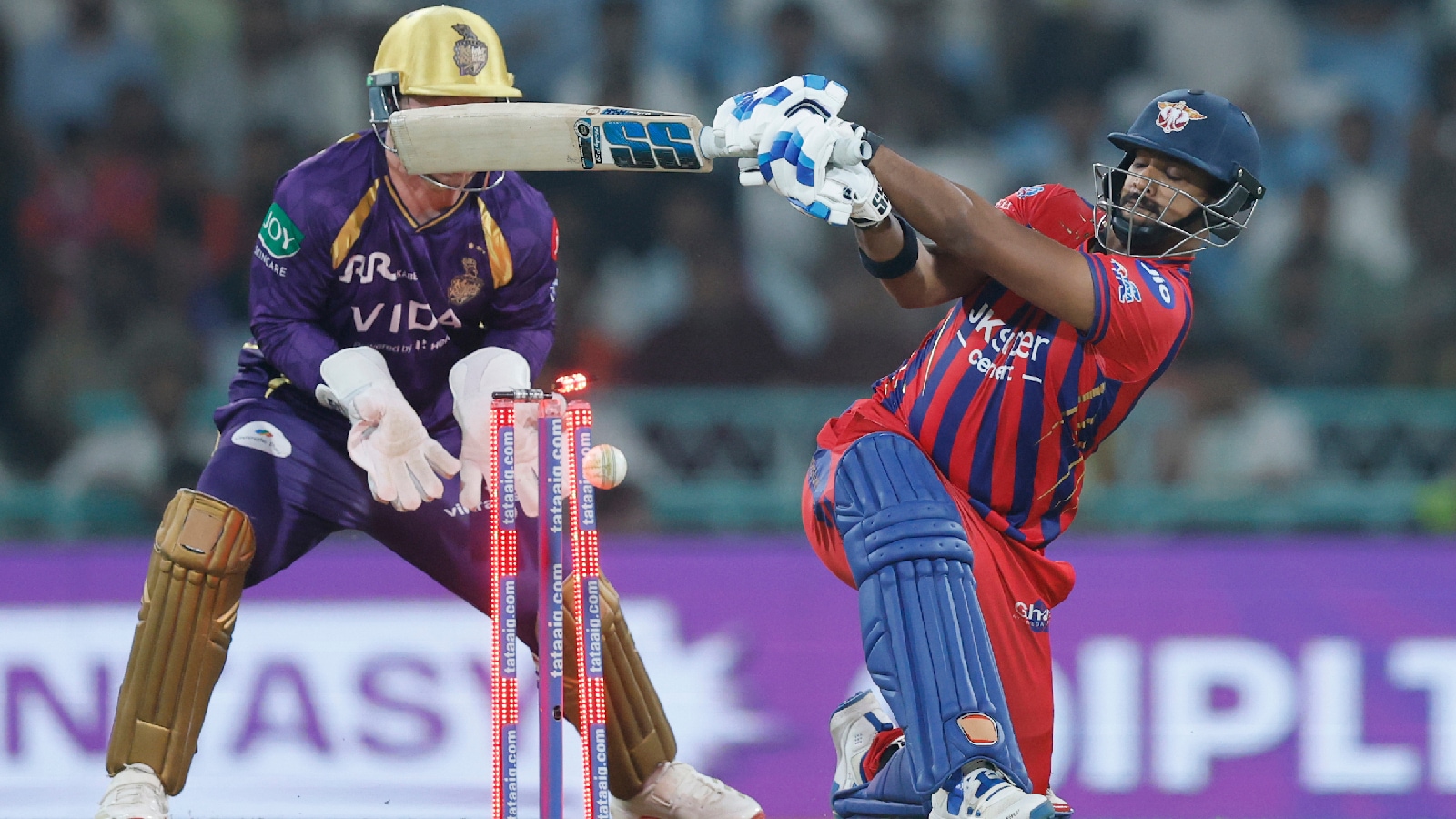
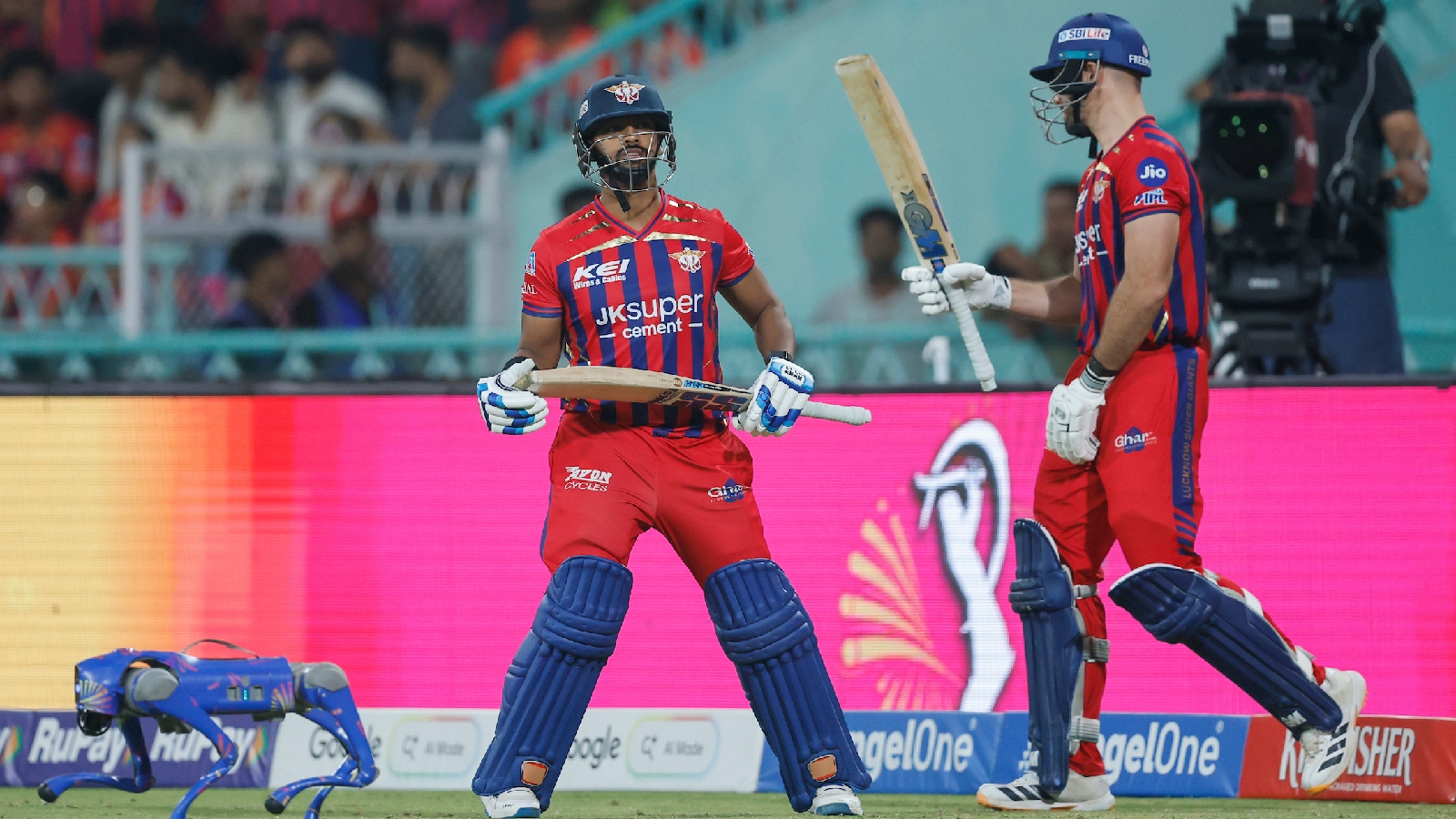
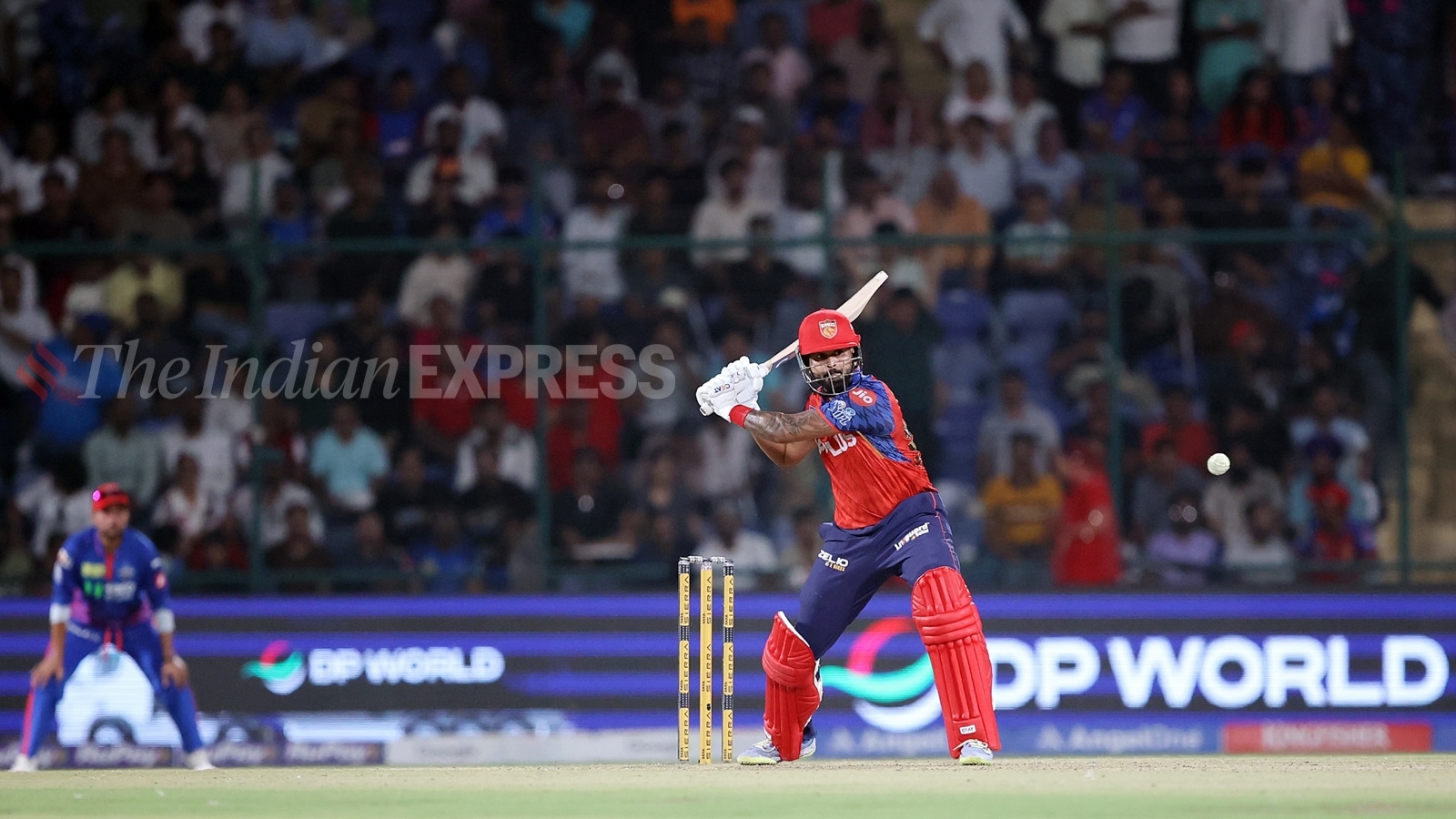
In a format where 200-plus scores are no longer safe and panic can spread in a couple of quiet overs, Punjab Kings captain Shreyas Iyer has turned run chases into craft. While some rely on brute force, Iyer has developed a method around timing and calculated acceleration.
Since the beginning of IPL 2023, the right-hander has emerged as one of IPL’s most dependable batsmen in chases, with 703 runs in 17 innings at an average of 100.43, a strike rate of 175.31 and eight fifties.
What makes these numbers even more significant is that they have not come through passive accumulation. The 31-year-old strikes the right balance between control and acceleration, a combination few batsmen have managed with scoreboard pressure mounting.
It has given teams the comfort of knowing that they have a batsman who can soak in the pressure early, accelerate later and stay unbeaten deep into the chase.
The trait has been on full display in IPL 2026, where Iyer has played three defining innings in three successful 200-plus chases – against Chennai Super Kings (CSK), Sunrisers Hyderabad (SRH) and Delhi Capitals (DC).
Against CSK, his 50 off 29 balls with four fours and three sixes helped PBKS finish the chase of 210 runs on a surface where stroke-making was not always easy. Iyer began by taking singles and calculated risks against spin before shifting gears in the second half of his innings.
He struck Rahul Chahar for two sixes to reach 19 runs in his first 10 balls and later used the angles expertly against pacers to find fours behind point. The half-century came in 26 balls as PBKS moved closer to victory, highlighting how he times his surge instead of forcing the issue early.
The innings against SRH gave another example of his chasing prowess. Chasing 220, Iyer made 69 in 33 balls, but the innings was divided into phases. The right-hander made only 18 runs from his first 10 balls. From there, he dominated both pace and spin, lofting the likes of Harshal Patel, Nitish Reddy and Eshan Malinga over the on-side while also accessing extra-cover when the bowlers went full outside off.
After that match, Iyer explained the method behind his batting. “For me, it was about not rushing things and giving myself some time in the middle to understand the pace of the wicket. Once I felt comfortable and gauged how the surface was playing, I knew I could capitalise on it. Thankfully, it came together, and we were able to maintain the momentum till the end.”
Those words could easily apply to his unbeaten 71 in 36 balls against DC at the Arun Jaitley Stadium on Saturday in the record chase of 265 runs. Iyer began slowly with only 15 runs from his first 10 balls, working gaps against spin and collecting twos before launching once the asking rate demanded it.
The wrist spin duo of Kuldeep Yadav and Vipraj Nigam bore most of the brunt as Iyer smashed them for five sixes on the leg side. Overall, Iyer has batted in five 200-plus chases and scored 287 runs at an average of 146.5, a strike rate of 199 with four half-centuries.
Across the three innings, a clear pattern has emerged: Iyer does not rush at the start, gives himself time to assess conditions, rotates strike smartly before launching once the equation starts to narrow.
A second trend is his ruthlessness when pacers missed their lengths. Against SRH, he pulled Harshal’s slower short ball for six and lofted Malinga and Jaydev Unadkat when they overpitched.
Against DC, he punished T Natarajan’s full tosses and anything on the pads, while also finishing strongly against Mukesh Kumar at the death. Across the three chases, Iyer’s six-hitting zone was strikingly consistent, with most of his maximums coming in the arc from long-on to square leg.
The most valuable aspect of Iyer’s batting is his ability to shift gears. Some batsmen start too fast and get out. Others bat deep, but leave too much to do. He seems to have found the middle ground.
Yet, for all the authority he has shown in IPL chases, Iyer still remains outside India’s T20I plans. It is one of the more curious contradictions: a batsman averaging over 100 in IPL run chases since 2023 and repeatedly finishing 200-plus pursuits still searching for a consistent national role. If he continues producing results under pressure like this, that conversation will only grow louder.
Stay updated with the latest sports news across Cricket, Football, Chess, and more. Catch all the action with real-time live cricket score updates and in-depth coverage of ongoing matches.
In a format where 200-plus scores are no longer safe and panic can spread in a couple of quiet overs, Punjab Kings captain Shreyas Iyer has turned run chases into craft. While some rely on brute force, Iyer has developed a method around timing and calculated acceleration.
Since the beginning of IPL 2023, the right-hander has emerged as one of IPL’s most dependable batsmen in chases, with 703 runs in 17 innings at an average of 100.43, a strike rate of 175.31 and eight fifties.
What makes these numbers even more significant is that they have not come through passive accumulation. The 31-year-old strikes the right balance between control and acceleration, a combination few batsmen have managed with scoreboard pressure mounting.
It has given teams the comfort of knowing that they have a batsman who can soak in the pressure early, accelerate later and stay unbeaten deep into the chase.
The trait has been on full display in IPL 2026, where Iyer has played three defining innings in three successful 200-plus chases – against Chennai Super Kings (CSK), Sunrisers Hyderabad (SRH) and Delhi Capitals (DC).
Against CSK, his 50 off 29 balls with four fours and three sixes helped PBKS finish the chase of 210 runs on a surface where stroke-making was not always easy. Iyer began by taking singles and calculated risks against spin before shifting gears in the second half of his innings.
He struck Rahul Chahar for two sixes to reach 19 runs in his first 10 balls and later used the angles expertly against pacers to find fours behind point. The half-century came in 26 balls as PBKS moved closer to victory, highlighting how he times his surge instead of forcing the issue early.
The innings against SRH gave another example of his chasing prowess. Chasing 220, Iyer made 69 in 33 balls, but the innings was divided into phases. The right-hander made only 18 runs from his first 10 balls. From there, he dominated both pace and spin, lofting the likes of Harshal Patel, Nitish Reddy and Eshan Malinga over the on-side while also accessing extra-cover when the bowlers went full outside off.
After that match, Iyer explained the method behind his batting. “For me, it was about not rushing things and giving myself some time in the middle to understand the pace of the wicket. Once I felt comfortable and gauged how the surface was playing, I knew I could capitalise on it. Thankfully, it came together, and we were able to maintain the momentum till the end.”
Those words could easily apply to his unbeaten 71 in 36 balls against DC at the Arun Jaitley Stadium on Saturday in the record chase of 265 runs. Iyer began slowly with only 15 runs from his first 10 balls, working gaps against spin and collecting twos before launching once the asking rate demanded it.
The wrist spin duo of Kuldeep Yadav and Vipraj Nigam bore most of the brunt as Iyer smashed them for five sixes on the leg side. Overall, Iyer has batted in five 200-plus chases and scored 287 runs at an average of 146.5, a strike rate of 199 with four half-centuries.
Across the three innings, a clear pattern has emerged: Iyer does not rush at the start, gives himself time to assess conditions, rotates strike smartly before launching once the equation starts to narrow.
A second trend is his ruthlessness when pacers missed their lengths. Against SRH, he pulled Harshal’s slower short ball for six and lofted Malinga and Jaydev Unadkat when they overpitched.
Against DC, he punished T Natarajan’s full tosses and anything on the pads, while also finishing strongly against Mukesh Kumar at the death. Across the three chases, Iyer’s six-hitting zone was strikingly consistent, with most of his maximums coming in the arc from long-on to square leg.
The most valuable aspect of Iyer’s batting is his ability to shift gears. Some batsmen start too fast and get out. Others bat deep, but leave too much to do. He seems to have found the middle ground.
Yet, for all the authority he has shown in IPL chases, Iyer still remains outside India’s T20I plans. It is one of the more curious contradictions: a batsman averaging over 100 in IPL run chases since 2023 and repeatedly finishing 200-plus pursuits still searching for a consistent national role. If he continues producing results under pressure like this, that conversation will only grow louder.