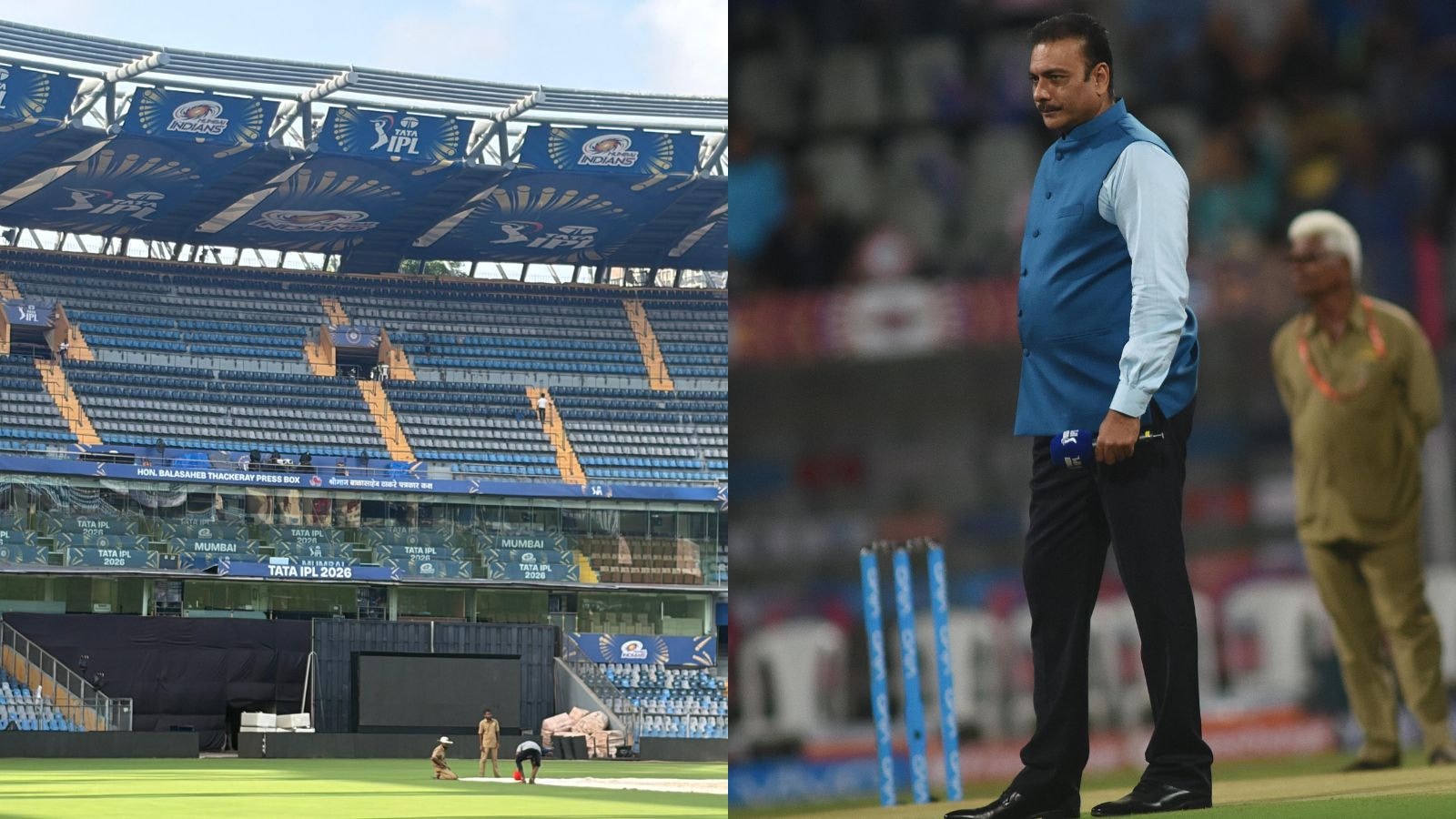


Wankhede honours Ravi Shastri: ‘When mother came to know about my stand, no one was prouder than her’
Ravi Shastri reflects on his lifelong love for Wankhede Stadium, from watching as a boy in 1974 to having a stand named after him, sharing memories of the Mumbai crowd, his family, and cricketing milestones
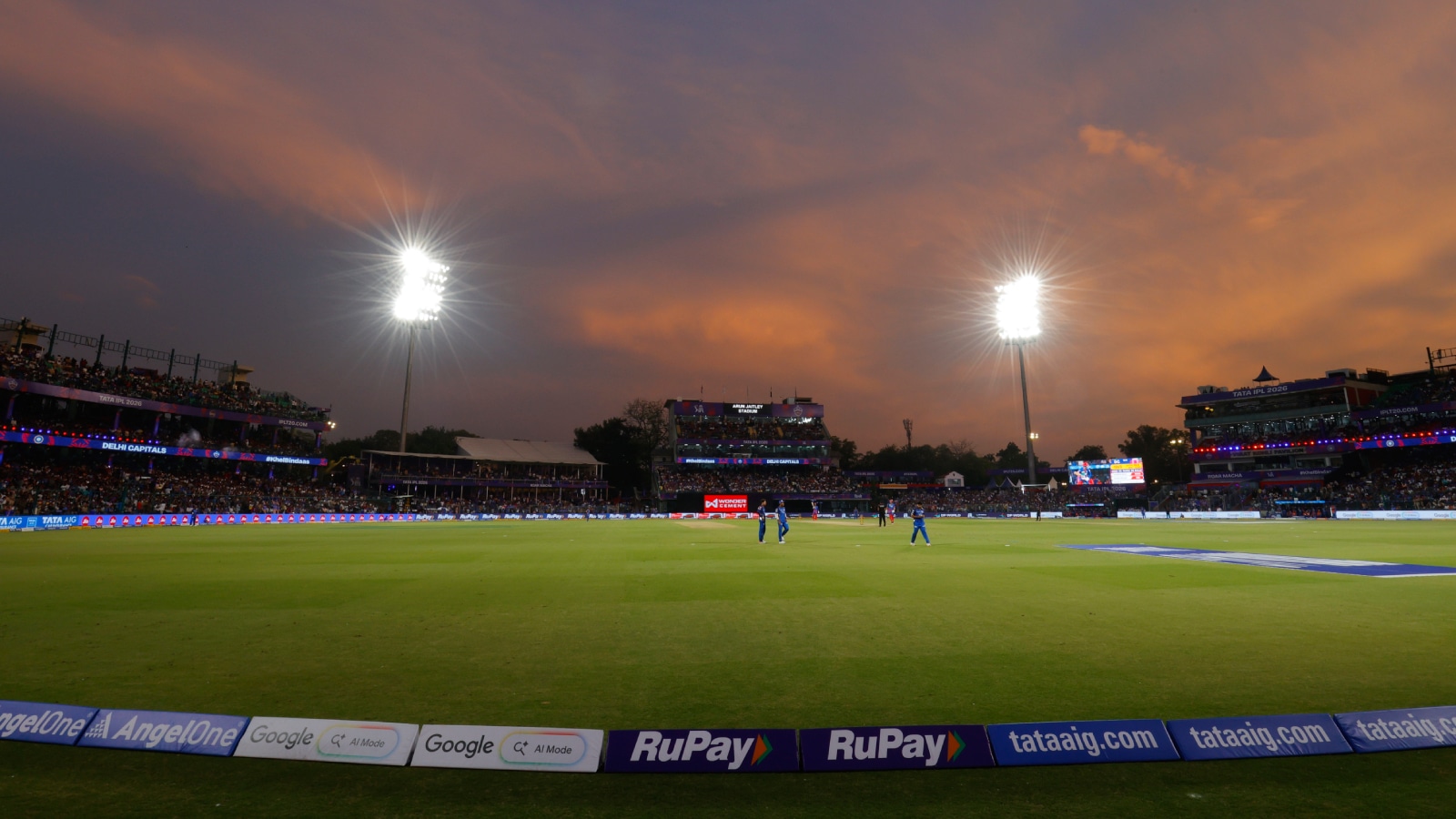
The first time I came to the Wankhede Stadium, I was just 12. I took a bus and a train, found my way to the North Stand, and sat there watching cricket. That was 1974. I was a little boy, and I couldn’t stay the whole day. But that’s where it started — Wankhede’s famous North Stand, where the college and school students, along with coaches, sat together. The most knowledgeable crowd in the country. That’s where cricket was understood.
To say a stand named after me inside Wankhede is a dream would be an understatement.
When my mother heard that the stand would be named after me, no one was more proud. She is a cricket encyclopedia. She watches everything. My whole family will be there, along with close friends and the cricketers I played with — from school to university to college to the Ranji Trophy. I know the sweat and blood that went into it. They know it too.
My family came to every match for years. They saw all of it. Then came the period when I was being booed. “Ravi Shastri hai, hai, hai”.
My father was a doctor. He said: “I’m not coming anymore.” And he didn’t.
Then I became the coach of India and later a commentator. That same “hai-hai” eventually became “hi-hi” — but that is Indian publicity, and you cannot survive it without learning what it is. You’ve got to be tough. Tougher than nails. The crowd that boos you is also the crowd that will give you a standing ovation for 30 runs in a Test match if they understand what those 30 runs cost you.
That ovation — for 30 runs, as a young bachha playing in a Test match — that’s where my love for the Mumbai crowd was sealed. The public here has an understanding of the game that you don’t find everywhere.
Wankhede has been a witness to many of my cricketing highs. Once in a Ranji Trophy game, I was run out for 17. I would long to score a ton here. Then came the Test hundred against England in 1984. The Ranji Trophy final — won as Mumbai captain with a bunch of kids.
It is here I made a world record by hitting six 6s in an over during a Ranji Trophy game against Baroda. Honestly, I didn’t understand how big the feat was until maybe 10 or 15 years later. I landed in Jamaica and a taxi driver shouted from a distance: “Shastri man, six 6s man”. He didn’t mention my hundreds in the West Indies. Not the hundred in Barbados. Just the six 6s. I told him, “I’ve scored hundreds in Barbados”. It didn’t matter to him, he remembered the 6s.
Today, players will score hundreds regularly. But to see six 6s in an over again — that might take a few years more. The memories from this ground stack up in a particular way.
I also find it very interesting that the stand with my name is very close to the press box. In those days, if your school scores weren’t mentioned in the newspapers, you were nobody. From the age of 15, the press box at Wankhede started to matter to me. A player who grew up watching from the opposite stand, and then to get a stand named there is something. I would have been nobody without the media. You earn your stripes on merits. No chamchagiri, no shortcuts.
My association with cricket began when the trains can be seen and heard from Wankhede. The Western Line, the Harbour Line — we used to travel to play the game we loved and later take the same train to go home. We would dream about what might be possible.
There was this one time recently, this March, I was on my way to Wankhede, like so many times in the past. This was before the World T20 semi-final against England. I was in a car with my daughter. The traffic jam was so enormous that I jumped out and we walked — from Churchgate station all the way to the ground. I made it in time for the toss. Did the toss, crossed to the other side, and started commentating.
The journey to the commentator’s box told me a lot. How much the city had changed, how it had moved on. But the smell, the roads, the memories — all of it came flooding back because nothing essential had changed. It’s still A Road, C Road, D Road near the stadium. The city changes around the things that matter but the things that matter stay.
The BCCI and the Bombay Cricket Association and the Mumbai Cricket Association — I have always said they are my guardians.
I started my association with the Wankhede from the North Stand. I took buses and trains. I walked from Churchgate through a traffic jam to make it in time for the toss. I might be doing the toss as a commentator for the IPL game this Sunday game. Now there will be a stand in Wankhede. No words can explain the feeling.
Ravi Shastri is a former Test captain, ex-head coach, and commentator. He spoke to Devendra Pandey
Stay updated with the latest sports news across Cricket, Football, Chess, and more. Catch all the action with real-time live cricket score updates and in-depth coverage of ongoing matches.
The first time I came to the Wankhede Stadium, I was just 12. I took a bus and a train, found my way to the North Stand, and sat there watching cricket. That was 1974. I was a little boy, and I couldn’t stay the whole day. But that’s where it started — Wankhede’s famous North Stand, where the college and school students, along with coaches, sat together. The most knowledgeable crowd in the country. That’s where cricket was understood.
To say a stand named after me inside Wankhede is a dream would be an understatement.
When my mother heard that the stand would be named after me, no one was more proud. She is a cricket encyclopedia. She watches everything. My whole family will be there, along with close friends and the cricketers I played with — from school to university to college to the Ranji Trophy. I know the sweat and blood that went into it. They know it too.
My family came to every match for years. They saw all of it. Then came the period when I was being booed. “Ravi Shastri hai, hai, hai”.
My father was a doctor. He said: “I’m not coming anymore.” And he didn’t.
Then I became the coach of India and later a commentator. That same “hai-hai” eventually became “hi-hi” — but that is Indian publicity, and you cannot survive it without learning what it is. You’ve got to be tough. Tougher than nails. The crowd that boos you is also the crowd that will give you a standing ovation for 30 runs in a Test match if they understand what those 30 runs cost you.
That ovation — for 30 runs, as a young bachha playing in a Test match — that’s where my love for the Mumbai crowd was sealed. The public here has an understanding of the game that you don’t find everywhere.
Wankhede has been a witness to many of my cricketing highs. Once in a Ranji Trophy game, I was run out for 17. I would long to score a ton here. Then came the Test hundred against England in 1984. The Ranji Trophy final — won as Mumbai captain with a bunch of kids.
It is here I made a world record by hitting six 6s in an over during a Ranji Trophy game against Baroda. Honestly, I didn’t understand how big the feat was until maybe 10 or 15 years later. I landed in Jamaica and a taxi driver shouted from a distance: “Shastri man, six 6s man”. He didn’t mention my hundreds in the West Indies. Not the hundred in Barbados. Just the six 6s. I told him, “I’ve scored hundreds in Barbados”. It didn’t matter to him, he remembered the 6s.
Today, players will score hundreds regularly. But to see six 6s in an over again — that might take a few years more. The memories from this ground stack up in a particular way.
I also find it very interesting that the stand with my name is very close to the press box. In those days, if your school scores weren’t mentioned in the newspapers, you were nobody. From the age of 15, the press box at Wankhede started to matter to me. A player who grew up watching from the opposite stand, and then to get a stand named there is something. I would have been nobody without the media. You earn your stripes on merits. No chamchagiri, no shortcuts.
My association with cricket began when the trains can be seen and heard from Wankhede. The Western Line, the Harbour Line — we used to travel to play the game we loved and later take the same train to go home. We would dream about what might be possible.
There was this one time recently, this March, I was on my way to Wankhede, like so many times in the past. This was before the World T20 semi-final against England. I was in a car with my daughter. The traffic jam was so enormous that I jumped out and we walked — from Churchgate station all the way to the ground. I made it in time for the toss. Did the toss, crossed to the other side, and started commentating.
The journey to the commentator’s box told me a lot. How much the city had changed, how it had moved on. But the smell, the roads, the memories — all of it came flooding back because nothing essential had changed. It’s still A Road, C Road, D Road near the stadium. The city changes around the things that matter but the things that matter stay.
The BCCI and the Bombay Cricket Association and the Mumbai Cricket Association — I have always said they are my guardians.
I started my association with the Wankhede from the North Stand. I took buses and trains. I walked from Churchgate through a traffic jam to make it in time for the toss. I might be doing the toss as a commentator for the IPL game this Sunday game. Now there will be a stand in Wankhede. No words can explain the feeling.
Ravi Shastri is a former Test captain, ex-head coach, and commentator. He spoke to Devendra Pandey