

From Hathod to the IPL: How a small Rajasthan academy is producing big-money cricketers
Four players from the Aravali Cricket Academy are set to feature in this year's IPL — the legacy of a coach who died before he could see his methods bear fruit
In 2021, seven years after Vivek Yadav — a former First Class cricketer who played a handy role in Rajasthan’s Ranji Trophy triumph of 2012 and was even picked for an IPL team — gave up a playing career to become a coach of repute in his home state, his life was tragically cut short. He would suddenly succumb to COVID-related complications from early onset kidney cancer, never getting to see the results of his methods and convictions.
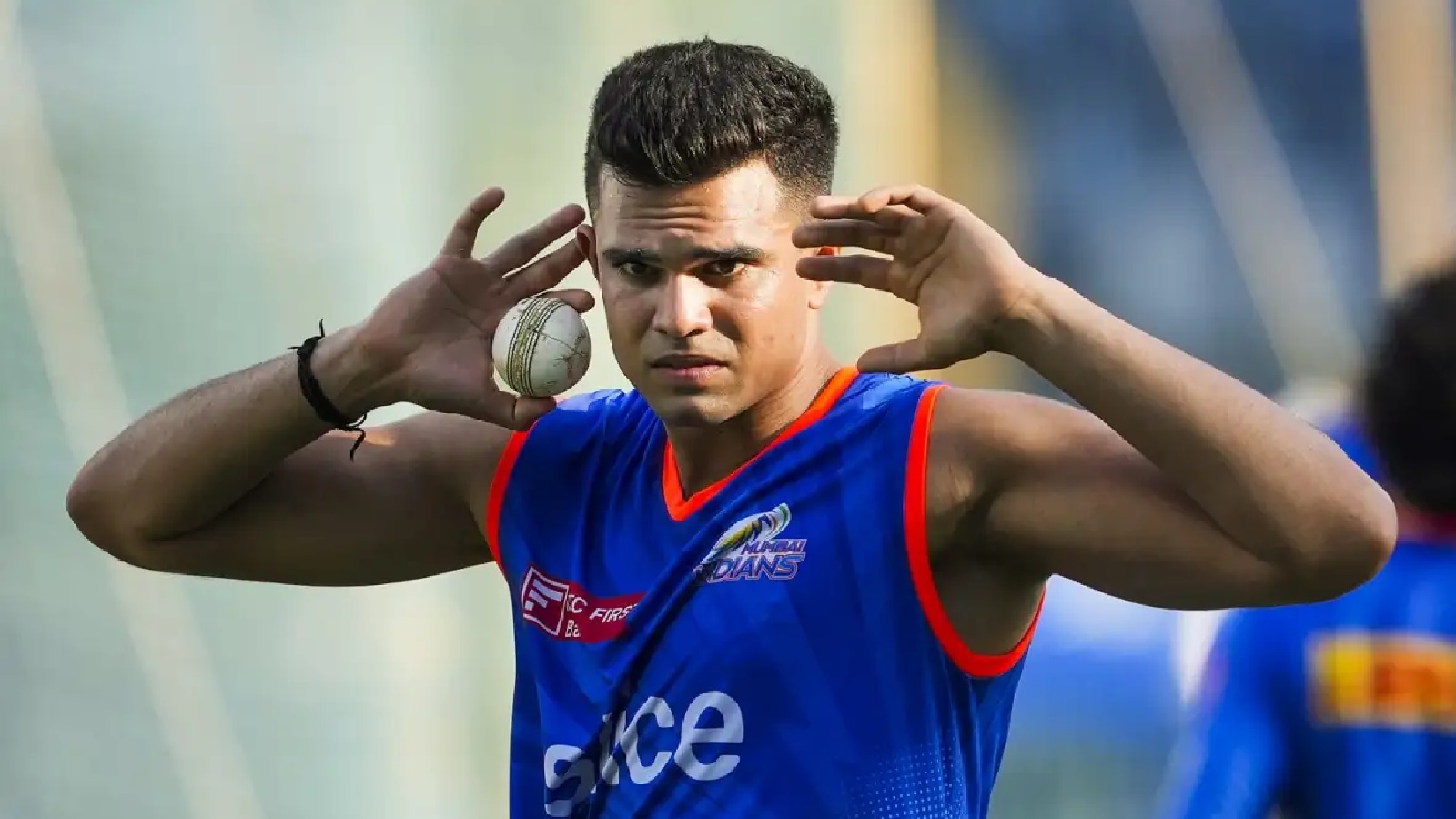
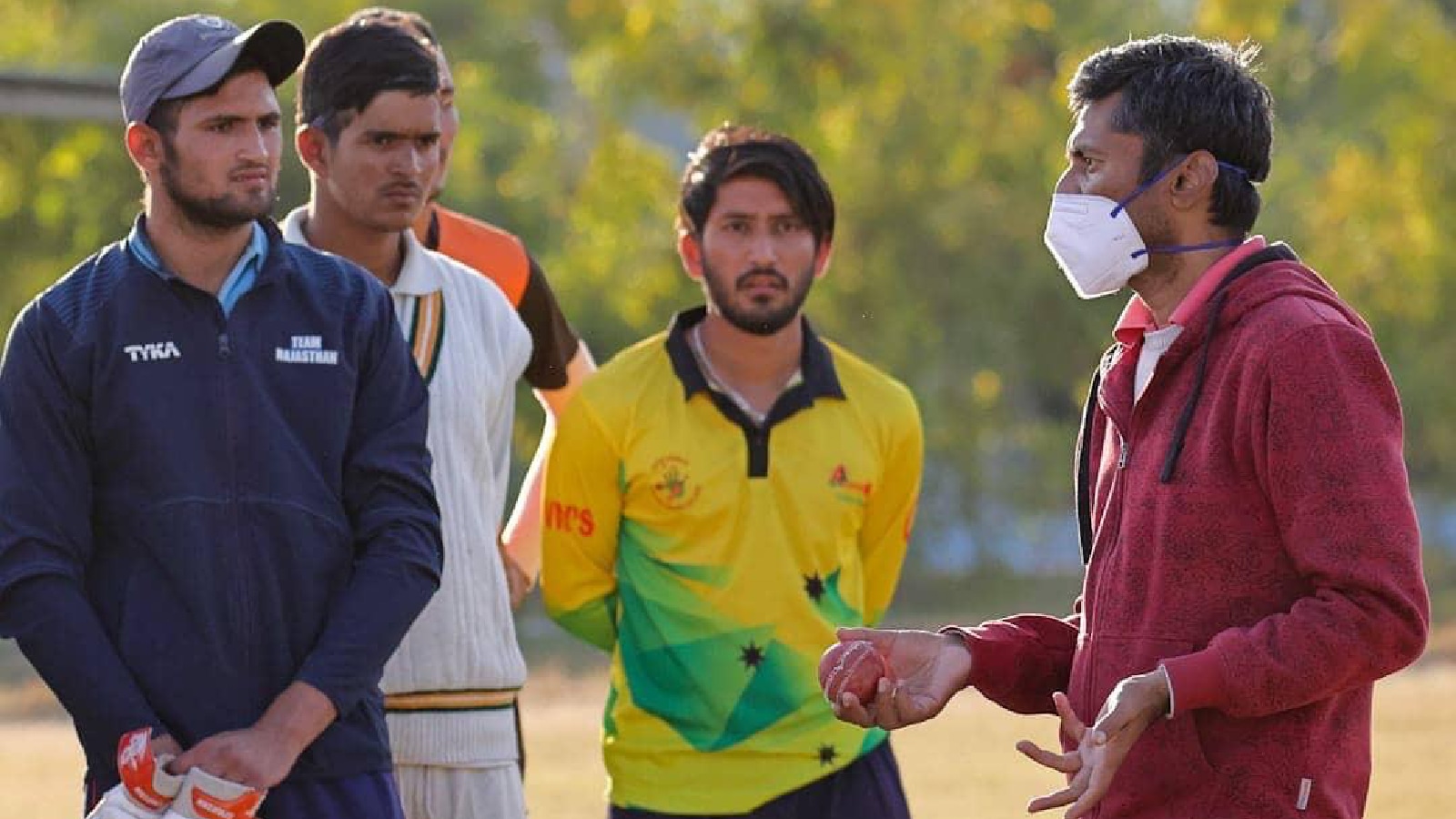
Initially leasing a small ground from a school to turn the local Aravali Cricket Club into the Aravali Cricket Academy on the outskirts of Jaipur, the facility Vivek founded would become one of the premier destinations in the state. Next week, as many as four of his proteges will hope to take the field in this year’s IPL.
Among them, three — wicketkeeper batters Mukul Choudhary and Kartik Sharma, as well as pacer Ashok Sharma — will be hoping to make their debuts. Mukul, 21, was signed by Lucknow Super Giants for Rs 2.2 crore; 19-year-old Kartik, despite not being the biggest or burliest of batters, was snapped up by Chennai Super Kings for Rs 14.2 crore — a sum that reflects a very particular bet on a very particular skill.
Eyewatering sums that have changed the lives of small-town Rajasthani youngsters seemingly scouted out of nowhere. None of them were seen as prodigious players in their formative years; none have formidable First-Class records or appearances with the India U-19 or India A setups. All owe their allegiance to a nondescript academy in the small town of Hathod.
“Bhai was always good at spotting talent,” says Vikas, Vivek’s brother, who stepped into his shoes to run the academy four years ago. “Once he saw something in a player, he backed him to the very end. Sometimes, even when he shouldn’t have. He would not be surprised that they got picked. But he would be happy — like he was when Akash got his contract.” Akash Singh, a fast bowler who has since earned ten IPL caps, was among Aravali’s earlier success stories.
Neither mere coincidence nor a stroke of genius propelled Aravali to becoming an elite player development facility. Their methods simply put them in the best position to take advantage of the changing currents of the Indian cricket ecosystem.
Eyewatering sums that have changed the lives of small-town Rajasthani youngsters seemingly scouted out of nowhere. None of them were seen as prodigious players in their formative years; none have formidable First-Class records or appearances with the India U-19 or India A setups. All owe their allegiance to a nondescript academy in the small town of Hathod.
The IPL may have altered the traditional pipeline to fame and top-tier status, but the unconventional scouting methods of franchises mean that players from all parts now get visibility. Teams are no longer looking only for strong U-19 showings or domestic records. The process is more holistic — they track state leagues and competitions and stay in touch with elite academies. Ashok, for example, had been called up as a net bowler for Rajasthan Royals when he was spotted by Kolkata Knight Riders assistant coach Abhishek Nayar. That led to a contract in 2022, even if he was never handed a cap.
Aravali, then, has succeeded by reading the writing on the wall early. Vikas says his brother always maintained that winning a couple of local trophies could never lead to long-term success; real recognition would only come if some of their players made it to the top level. With IPL contracts up for grabs and scouts appearing at state-level tournaments, players showing aptitude for T20 cricket were given specialised coaching tailored to what franchises actually wanted.
Ashok arrived at the academy as a scrawny 15-year-old. The consistency in his line and length excited the coaches, and so the objective became simple: make him as fast as possible. With a tall frame and natural power, Mukul’s potential as a pinch hitter was spotted early — coaches worked on biomechanics to find the right hitting arc for timing big sixes. For Kartik, it would be the opposite. Coaches saw in him a natural ability to connect with the ball and hit it long, and range hitting became the immediate priority.
“There are days when he spends hours hitting anywhere between 500 to 700 balls — against the machine, pace and spin. The objective is to hit as many out of the park as he can,” says Jagsimran Singh, head coach at the academy. “It all started when we realised how well he can connect with the ball. And there is a clarity in his head about what he is working on: hitting sixes.” CSK have punted Rs 14.2 crore on exactly that.
Another central pillar of Aravali was a residential setup from day one — allowing them to absorb players from across Rajasthan who arrive in Jaipur looking for the right step up. Mukul hails from Jhunjhunu; after a skin allergy made hostel life difficult, his family took rented accommodation nearby to facilitate his cricket. Kartik is from Bharatpur, where his cricket-obsessed father has even installed a ball machine at home so he can keep practising between academy stints. Ashok’s brother Akshay had to give up his own cricket dream to support his sibling.
“A common thing about them is that they all come from modest means, lower middle-class families. They would not have come to our notice if not for the sacrifices of their families,” Vikas says. “For them, the amount written on that contract is no small thing.”
Stay updated with the latest sports news across Cricket, Football, Chess, and more. Catch all the action with real-time live cricket score updates and in-depth coverage of ongoing matches.
In 2021, seven years after Vivek Yadav — a former First Class cricketer who played a handy role in Rajasthan’s Ranji Trophy triumph of 2012 and was even picked for an IPL team — gave up a playing career to become a coach of repute in his home state, his life was tragically cut short. He would suddenly succumb to COVID-related complications from early onset kidney cancer, never getting to see the results of his methods and convictions.
Initially leasing a small ground from a school to turn the local Aravali Cricket Club into the Aravali Cricket Academy on the outskirts of Jaipur, the facility Vivek founded would become one of the premier destinations in the state. Next week, as many as four of his proteges will hope to take the field in this year’s IPL.
Among them, three — wicketkeeper batters Mukul Choudhary and Kartik Sharma, as well as pacer Ashok Sharma — will be hoping to make their debuts. Mukul, 21, was signed by Lucknow Super Giants for Rs 2.2 crore; 19-year-old Kartik, despite not being the biggest or burliest of batters, was snapped up by Chennai Super Kings for Rs 14.2 crore — a sum that reflects a very particular bet on a very particular skill.
Eyewatering sums that have changed the lives of small-town Rajasthani youngsters seemingly scouted out of nowhere. None of them were seen as prodigious players in their formative years; none have formidable First-Class records or appearances with the India U-19 or India A setups. All owe their allegiance to a nondescript academy in the small town of Hathod.
“Bhai was always good at spotting talent,” says Vikas, Vivek’s brother, who stepped into his shoes to run the academy four years ago. “Once he saw something in a player, he backed him to the very end. Sometimes, even when he shouldn’t have. He would not be surprised that they got picked. But he would be happy — like he was when Akash got his contract.” Akash Singh, a fast bowler who has since earned ten IPL caps, was among Aravali’s earlier success stories.
Neither mere coincidence nor a stroke of genius propelled Aravali to becoming an elite player development facility. Their methods simply put them in the best position to take advantage of the changing currents of the Indian cricket ecosystem.
Eyewatering sums that have changed the lives of small-town Rajasthani youngsters seemingly scouted out of nowhere. None of them were seen as prodigious players in their formative years; none have formidable First-Class records or appearances with the India U-19 or India A setups. All owe their allegiance to a nondescript academy in the small town of Hathod.
The IPL may have altered the traditional pipeline to fame and top-tier status, but the unconventional scouting methods of franchises mean that players from all parts now get visibility. Teams are no longer looking only for strong U-19 showings or domestic records. The process is more holistic — they track state leagues and competitions and stay in touch with elite academies. Ashok, for example, had been called up as a net bowler for Rajasthan Royals when he was spotted by Kolkata Knight Riders assistant coach Abhishek Nayar. That led to a contract in 2022, even if he was never handed a cap.
Aravali, then, has succeeded by reading the writing on the wall early. Vikas says his brother always maintained that winning a couple of local trophies could never lead to long-term success; real recognition would only come if some of their players made it to the top level. With IPL contracts up for grabs and scouts appearing at state-level tournaments, players showing aptitude for T20 cricket were given specialised coaching tailored to what franchises actually wanted.
Ashok arrived at the academy as a scrawny 15-year-old. The consistency in his line and length excited the coaches, and so the objective became simple: make him as fast as possible. With a tall frame and natural power, Mukul’s potential as a pinch hitter was spotted early — coaches worked on biomechanics to find the right hitting arc for timing big sixes. For Kartik, it would be the opposite. Coaches saw in him a natural ability to connect with the ball and hit it long, and range hitting became the immediate priority.
“There are days when he spends hours hitting anywhere between 500 to 700 balls — against the machine, pace and spin. The objective is to hit as many out of the park as he can,” says Jagsimran Singh, head coach at the academy. “It all started when we realised how well he can connect with the ball. And there is a clarity in his head about what he is working on: hitting sixes.” CSK have punted Rs 14.2 crore on exactly that.
Another central pillar of Aravali was a residential setup from day one — allowing them to absorb players from across Rajasthan who arrive in Jaipur looking for the right step up. Mukul hails from Jhunjhunu; after a skin allergy made hostel life difficult, his family took rented accommodation nearby to facilitate his cricket. Kartik is from Bharatpur, where his cricket-obsessed father has even installed a ball machine at home so he can keep practising between academy stints. Ashok’s brother Akshay had to give up his own cricket dream to support his sibling.
“A common thing about them is that they all come from modest means, lower middle-class families. They would not have come to our notice if not for the sacrifices of their families,” Vikas says. “For them, the amount written on that contract is no small thing.”