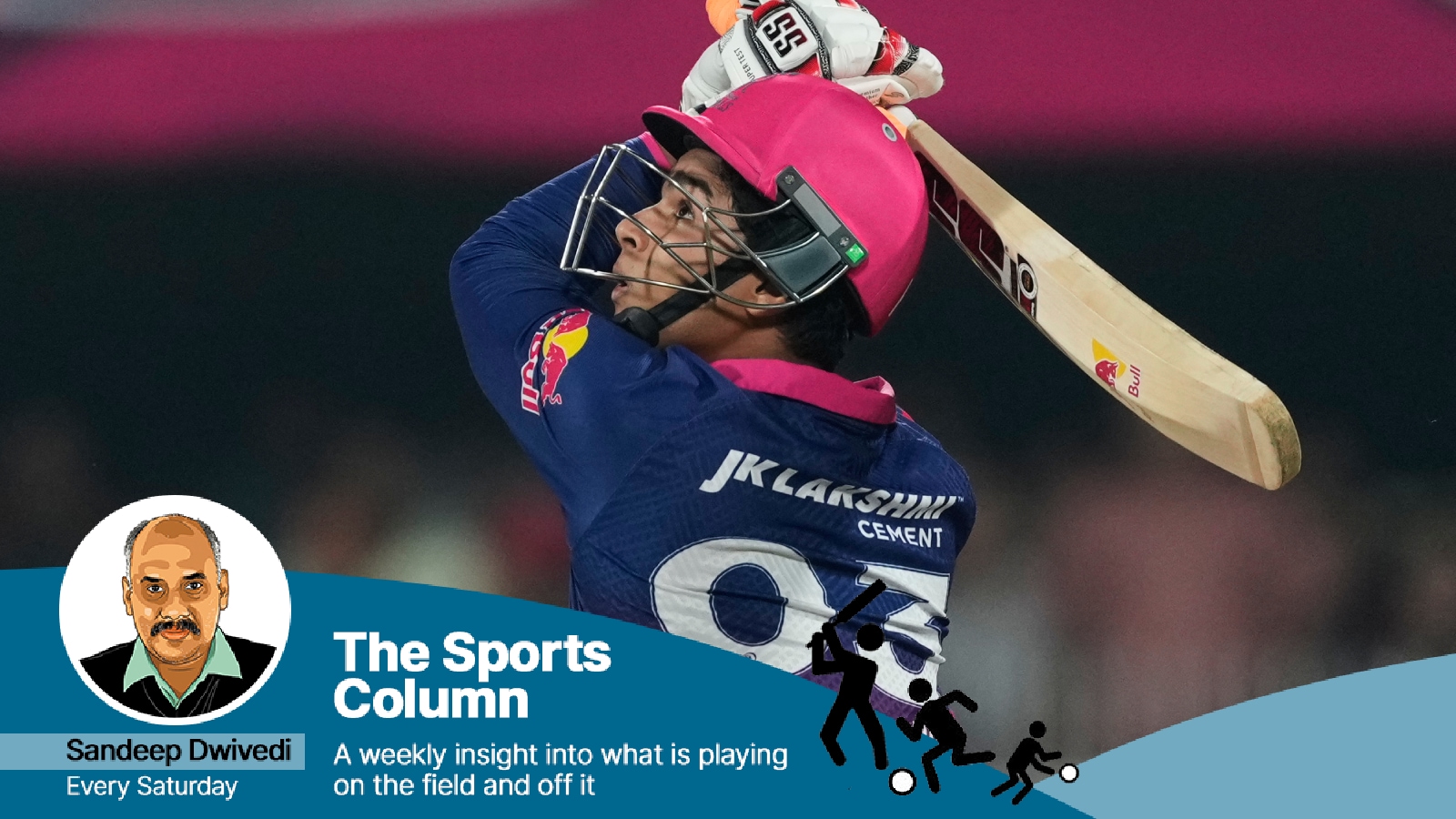


Everybody loves Vaibhav Sooryavanshi: From Bihar to Rajasthan Royals to the fans of his daringly blissful batting
The 15-year-old who has taken the IPL by storm retains his teenaged carefree, unstressed approach to the game and life, even as a state that prizes academics falls hopelessly in love with cricket
This was to be a season about the born-again Virat Kohli’s title defense and fit-again Rohit Sharma’s revival. How quickly the script changed.
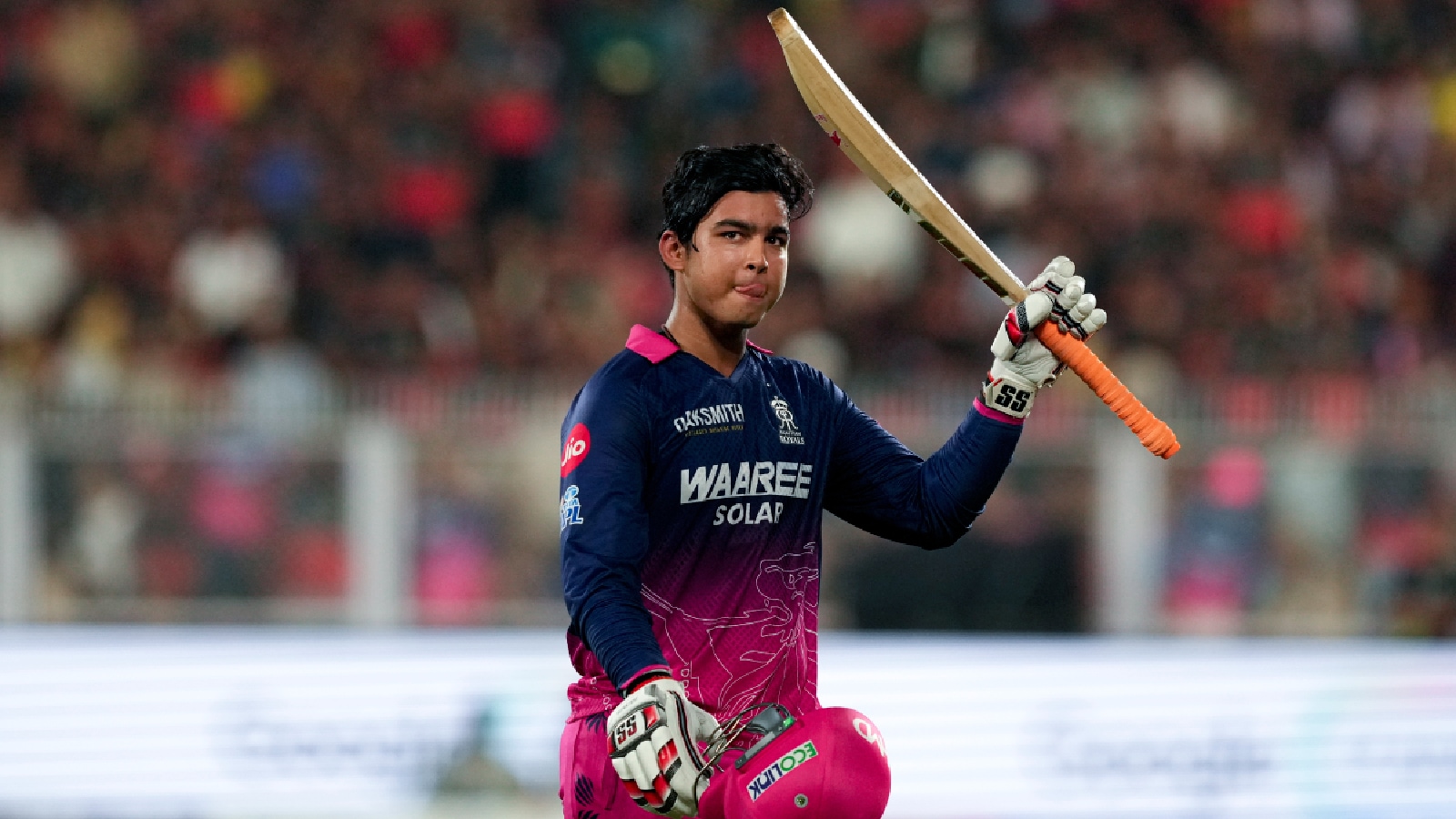
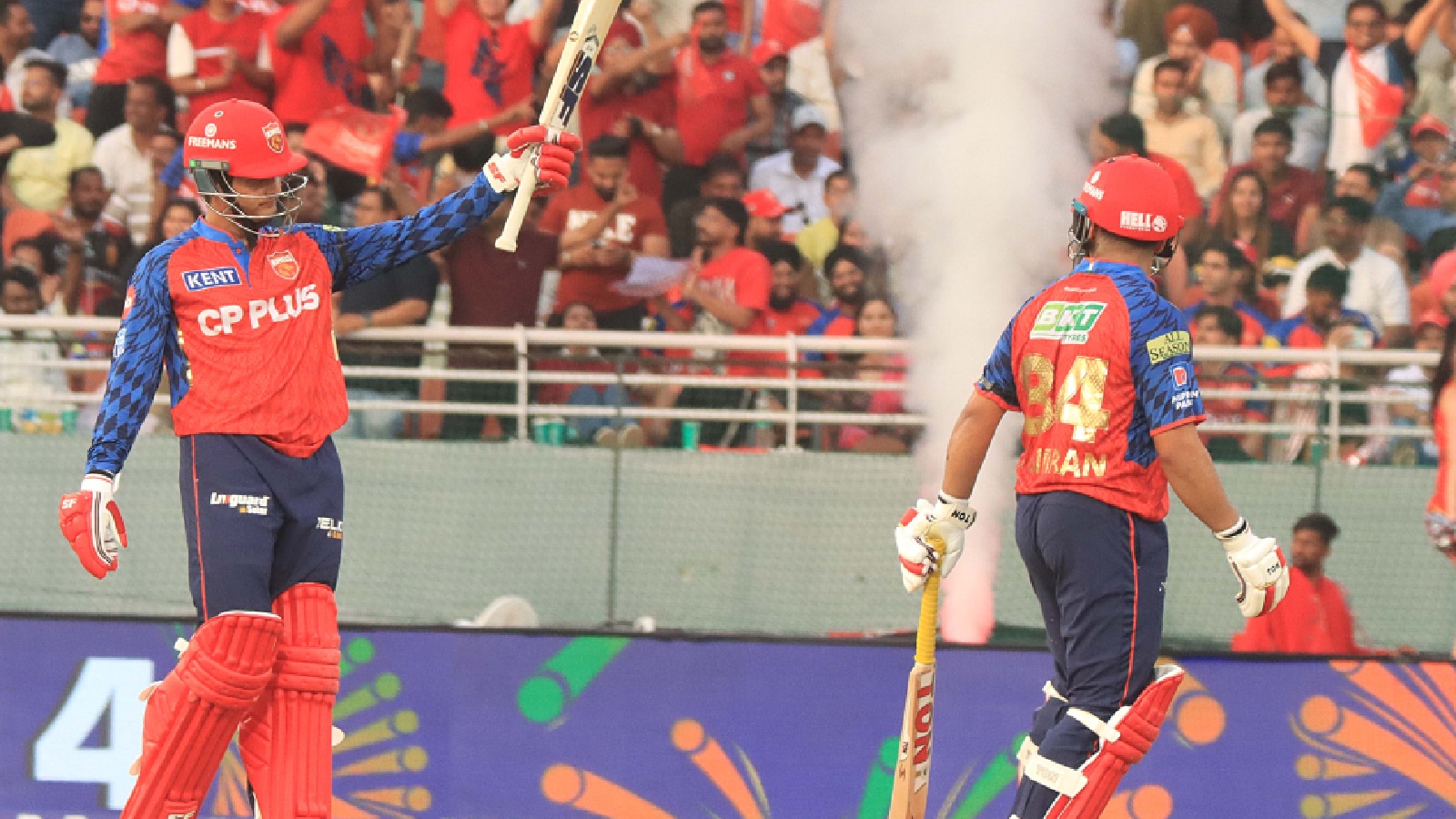
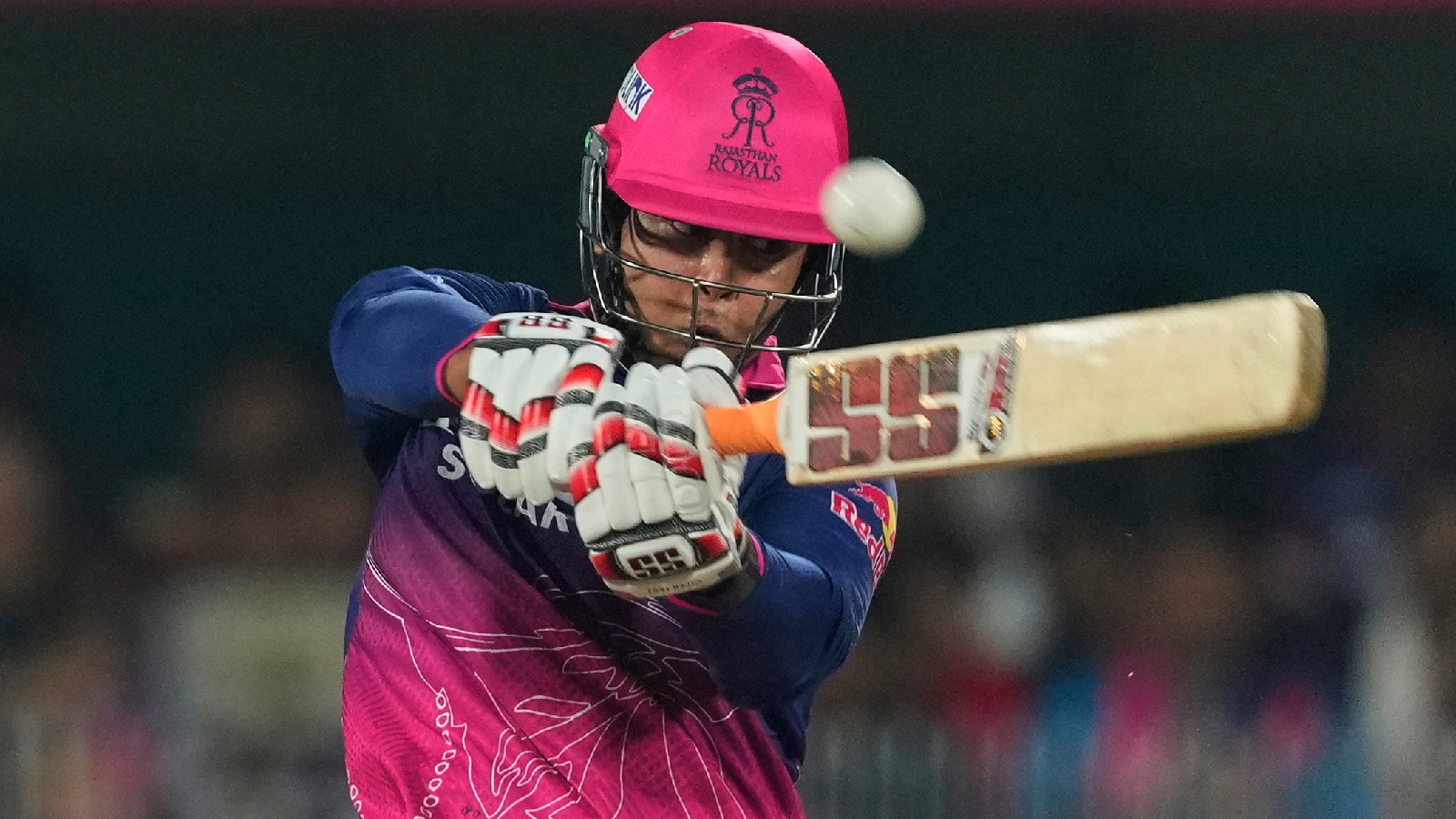
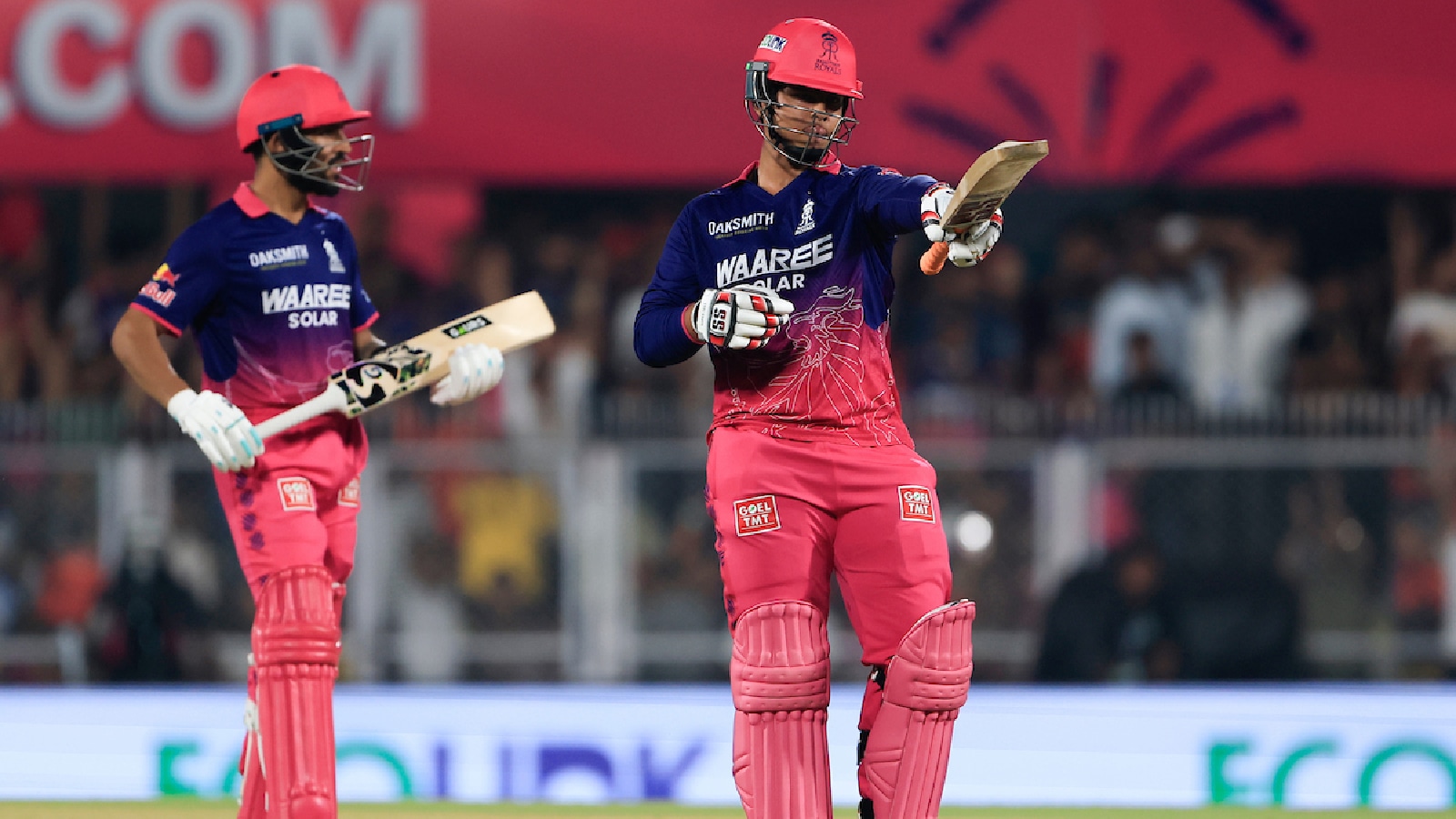
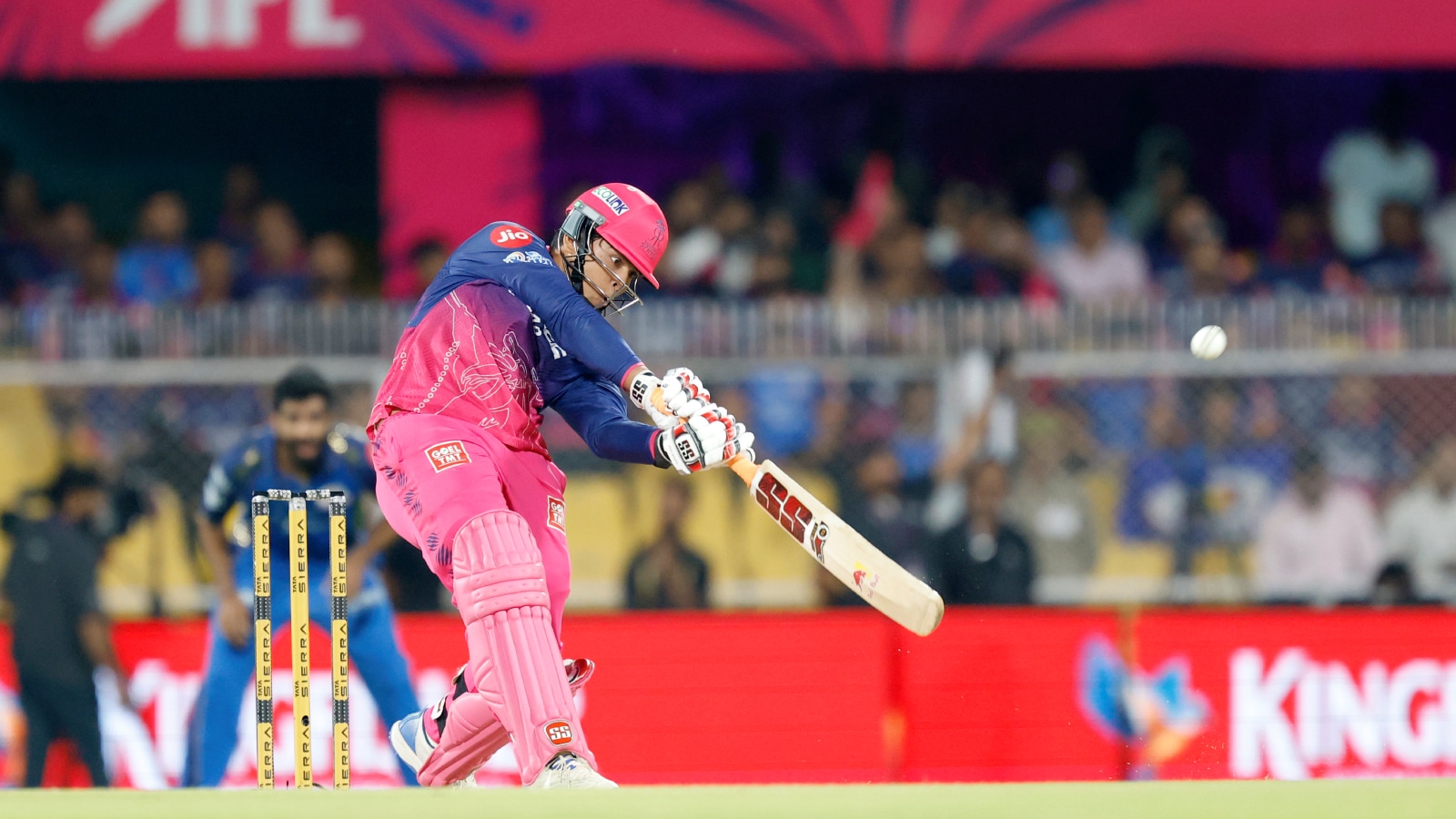
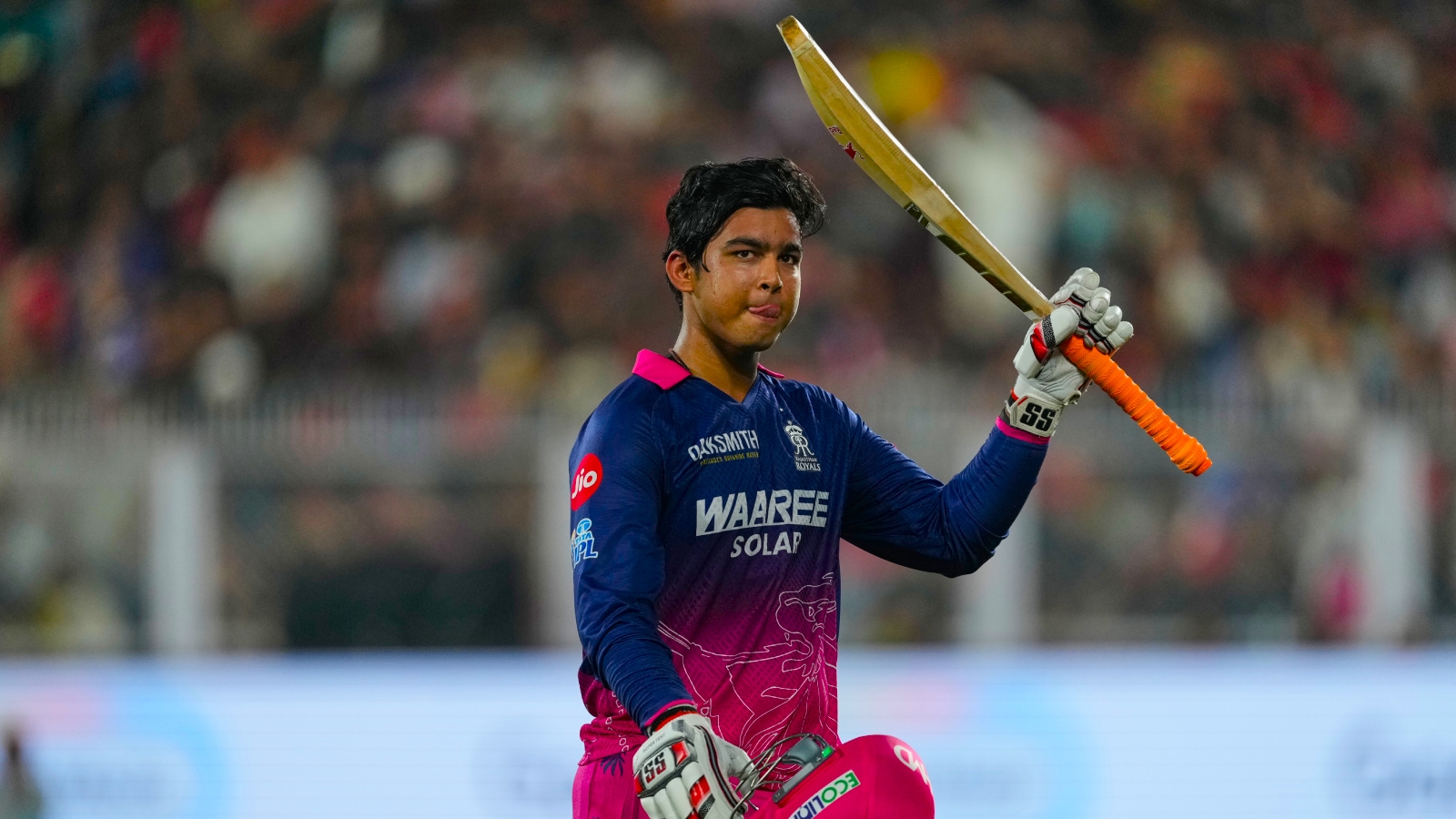
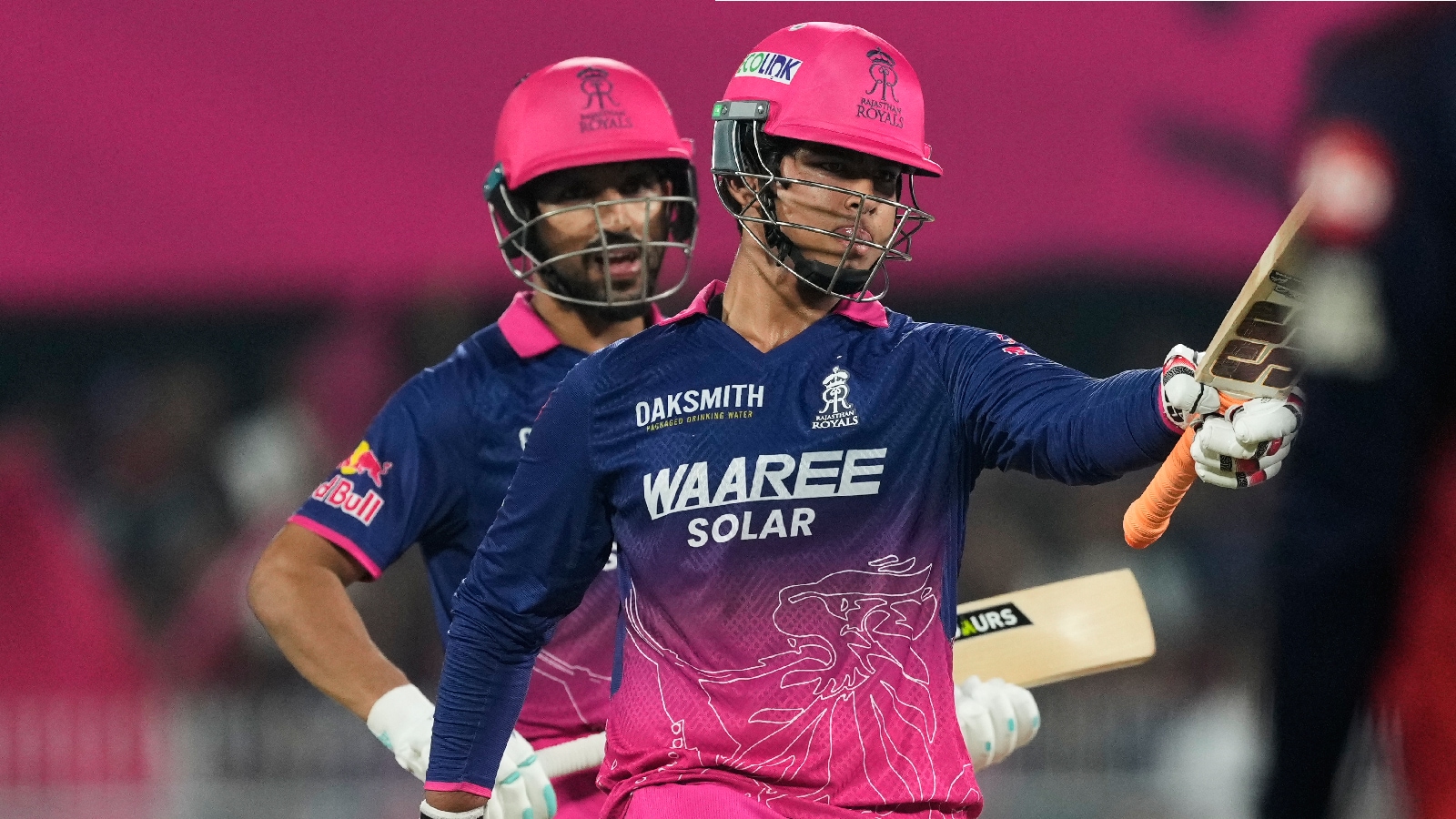
India has now fallen in love with the cuteness and daring of a chubby 15-year-old – Vaibhav Sooryavanshi. “Never work with children or animals” – they say in showbiz. Cricket and cricketers too will vouch – these ‘li’l ones’ are show-stealers. Sooryavanshi is the face of the world’s jazziest sporting league. He has also forced a state to increase its investment in the sport, a franchise to baby-sit him while presenting the world the spectacular sight of a 15-year-old batting without a care in the world. After a couple of sixes against Bumrah, the other night he hit Aussie Josh Hazlewood 4, 4, 4 and 6 in his opening over.
Everyone wants a piece of him but Bihar believes he belongs to them. Before this IPL, at India’s u-19 World Cup victory celebrations, the tournament’s hero Sooryavanshi, would shout across to the team DJ – “Bahut Punjabi ho gaya, ab Bhojpuri bajega”. This wasn’t merely a kid expressing his music choice. This went down as a telling statement from a state whose representation in the Indian team wasn’t in proportion to the talent and interest in the sport. The clip would go viral.
Bihar, known for academic excellence and political acumen but not its sporting prowess, swelled in pride. “Ek Bihari, sab pe bhaari. (One from Bihar, outweighs everyone),” – has been the state’s chant in chat rooms every time Sooryavanshi’s scored big. IPL’s high-octane Bhojpuri commentators are constantly at risk of suffering from vocal cord hemorrhage when ‘their boy’ air-lifts the ball over deep mid-wicket. Songs have been written on him – one of them is called Sooryavanshi Chalisa.
Recently in Bihar, there was a function to honour those who cleared UPSC. A boy is on stage, he gets an unusual introduction. “Yeh Vaibhav Sooryavanshi ke Mama (maternal uncle) hain. (He is Vaibhav Sooryavanshi’s maternal uncle),” said the MC. Mama’s thunder is stolen, he says his nephew is the real star.
In a Bihar family, rarely has a freshly-minted IPS officer felt second best. Sooryavanshi might be changing mindsets, bringing a social change. The young boy’s coach was recently on DD Patna giving a step-by-step breakdown of how a 5-year-old can become a 15-year-old IPL star, just like his ward.
Bihar isn’t the sole Sooryavanshi claimant. His franchise, Rajasthan Royals, too have a legit claim. It was at their academy near Nagpur where Sooryavanshi’s coach brought him. He was merely 13. The good folks at RR were blown away by the boy. The other IPL sides missed their chance, they thought he was too raw, too untested.
RR these days have ring-fenced him. They are protecting him like a family heirloom. Captain Riyan Parag said he has told the baby of his team to avoid media interactions. He has a designated minder. He is the team’s old hand. Interview requests to him are shot down mercilessly. Media managers inform that “all but Sooryavanshi are open for interactions”.
The story goes that Sooryavanshi recently called his coach with a couple of questions. “Have I really done something big?” “What is the fuss around me?” He has been hitting sixes against fast bowlers since the time he first got hold of a bat. It’s a confusion only a 15-year-old can have.
There is this very old short Sooryavanshi Q&A by a local reporter in Bihar on youtube. It is being labelled as his first-ever interview. “Aren’t you afraid of fast bowling?” – he is asked on the sidelines of a tournament where he is representing Balia. Sooryavanshi makes a face. “No, I am not afraid,” he says, seemingly amused by the absurdity of the question.
In years to come that grainy clip could be priceless. After many more million hits, it would turn to archival gold, just like the cricket romantic, seasoned actor, the late Tom Alter’s interaction with a 15-year-old Sachin Tendulkar at Mumbai maidans. His fame had already spread, he had famously faced Kapil Dev in the nets, scored a Ranji 100 on debut and there was talk he might be picked for the 1988-89 West Indies tour.
Alter asks Sachin a pointed question. “So many people are saying that Marshall is so fast .. will you have trouble facing him?.” No nervous swallowing of saliva, not even a blink of an eye. “No, I will not have any trouble facing Marshall.” Weather-beaten face, eyes burning with passion and conviction written in bold on his uncreased forehead. Tendulkar, at 15, was right. He didn’t have trouble facing Malcolm Marshall or Akram or Waqar or even Abdul Qadir.
Not saying Sooryavanshi is the next Tendulkar but he too at 15 has it in him to take on the diet-versions of Marshall, Akram, Waqar, Qadir on dead tracks and in a format that’s way too kind to batsmen. Beyond these apple and orange comparisons, that too separated by generations, is a refreshing commonality that brings joy to the fans.
Being 15, is the blissful age. It’s when the mind is clutter-free. Well entrenched in teen years with carefreeness at its peak, it’s when the complications of adult life are still many years away. It is when self-doubts don’t get into the head. Sooryavanshi, like the young Tendulkar, hasn’t seen failure. He doesn’t know what it is to hit rock-bottom or the pain of clawing out of a hole. Fear of failure is an alien thought.
With time, he too will grow up, he too will have his angst and struggles. But for now, watch a batsman enjoying his stress-free boyhood. Not every season does one get to see a 15-year-old with the world at his feet and the mind without clutter. And despite his early greatness, he doesn’t know ‘what the fuss’ is about.
Stay updated with the latest sports news across Cricket, Football, Chess, and more. Catch all the action with real-time live cricket score updates and in-depth coverage of ongoing matches.
This was to be a season about the born-again Virat Kohli’s title defense and fit-again Rohit Sharma’s revival. How quickly the script changed.
India has now fallen in love with the cuteness and daring of a chubby 15-year-old – Vaibhav Sooryavanshi. “Never work with children or animals” – they say in showbiz. Cricket and cricketers too will vouch – these ‘li’l ones’ are show-stealers. Sooryavanshi is the face of the world’s jazziest sporting league. He has also forced a state to increase its investment in the sport, a franchise to baby-sit him while presenting the world the spectacular sight of a 15-year-old batting without a care in the world. After a couple of sixes against Bumrah, the other night he hit Aussie Josh Hazlewood 4, 4, 4 and 6 in his opening over.
Everyone wants a piece of him but Bihar believes he belongs to them. Before this IPL, at India’s u-19 World Cup victory celebrations, the tournament’s hero Sooryavanshi, would shout across to the team DJ – “Bahut Punjabi ho gaya, ab Bhojpuri bajega”. This wasn’t merely a kid expressing his music choice. This went down as a telling statement from a state whose representation in the Indian team wasn’t in proportion to the talent and interest in the sport. The clip would go viral.
Bihar, known for academic excellence and political acumen but not its sporting prowess, swelled in pride. “Ek Bihari, sab pe bhaari. (One from Bihar, outweighs everyone),” – has been the state’s chant in chat rooms every time Sooryavanshi’s scored big. IPL’s high-octane Bhojpuri commentators are constantly at risk of suffering from vocal cord hemorrhage when ‘their boy’ air-lifts the ball over deep mid-wicket. Songs have been written on him – one of them is called Sooryavanshi Chalisa.
Recently in Bihar, there was a function to honour those who cleared UPSC. A boy is on stage, he gets an unusual introduction. “Yeh Vaibhav Sooryavanshi ke Mama (maternal uncle) hain. (He is Vaibhav Sooryavanshi’s maternal uncle),” said the MC. Mama’s thunder is stolen, he says his nephew is the real star.
In a Bihar family, rarely has a freshly-minted IPS officer felt second best. Sooryavanshi might be changing mindsets, bringing a social change. The young boy’s coach was recently on DD Patna giving a step-by-step breakdown of how a 5-year-old can become a 15-year-old IPL star, just like his ward.
Bihar isn’t the sole Sooryavanshi claimant. His franchise, Rajasthan Royals, too have a legit claim. It was at their academy near Nagpur where Sooryavanshi’s coach brought him. He was merely 13. The good folks at RR were blown away by the boy. The other IPL sides missed their chance, they thought he was too raw, too untested.
RR these days have ring-fenced him. They are protecting him like a family heirloom. Captain Riyan Parag said he has told the baby of his team to avoid media interactions. He has a designated minder. He is the team’s old hand. Interview requests to him are shot down mercilessly. Media managers inform that “all but Sooryavanshi are open for interactions”.
The story goes that Sooryavanshi recently called his coach with a couple of questions. “Have I really done something big?” “What is the fuss around me?” He has been hitting sixes against fast bowlers since the time he first got hold of a bat. It’s a confusion only a 15-year-old can have.
There is this very old short Sooryavanshi Q&A by a local reporter in Bihar on youtube. It is being labelled as his first-ever interview. “Aren’t you afraid of fast bowling?” – he is asked on the sidelines of a tournament where he is representing Balia. Sooryavanshi makes a face. “No, I am not afraid,” he says, seemingly amused by the absurdity of the question.
In years to come that grainy clip could be priceless. After many more million hits, it would turn to archival gold, just like the cricket romantic, seasoned actor, the late Tom Alter’s interaction with a 15-year-old Sachin Tendulkar at Mumbai maidans. His fame had already spread, he had famously faced Kapil Dev in the nets, scored a Ranji 100 on debut and there was talk he might be picked for the 1988-89 West Indies tour.
Alter asks Sachin a pointed question. “So many people are saying that Marshall is so fast .. will you have trouble facing him?.” No nervous swallowing of saliva, not even a blink of an eye. “No, I will not have any trouble facing Marshall.” Weather-beaten face, eyes burning with passion and conviction written in bold on his uncreased forehead. Tendulkar, at 15, was right. He didn’t have trouble facing Malcolm Marshall or Akram or Waqar or even Abdul Qadir.
Not saying Sooryavanshi is the next Tendulkar but he too at 15 has it in him to take on the diet-versions of Marshall, Akram, Waqar, Qadir on dead tracks and in a format that’s way too kind to batsmen. Beyond these apple and orange comparisons, that too separated by generations, is a refreshing commonality that brings joy to the fans.
Being 15, is the blissful age. It’s when the mind is clutter-free. Well entrenched in teen years with carefreeness at its peak, it’s when the complications of adult life are still many years away. It is when self-doubts don’t get into the head. Sooryavanshi, like the young Tendulkar, hasn’t seen failure. He doesn’t know what it is to hit rock-bottom or the pain of clawing out of a hole. Fear of failure is an alien thought.
With time, he too will grow up, he too will have his angst and struggles. But for now, watch a batsman enjoying his stress-free boyhood. Not every season does one get to see a 15-year-old with the world at his feet and the mind without clutter. And despite his early greatness, he doesn’t know ‘what the fuss’ is about.