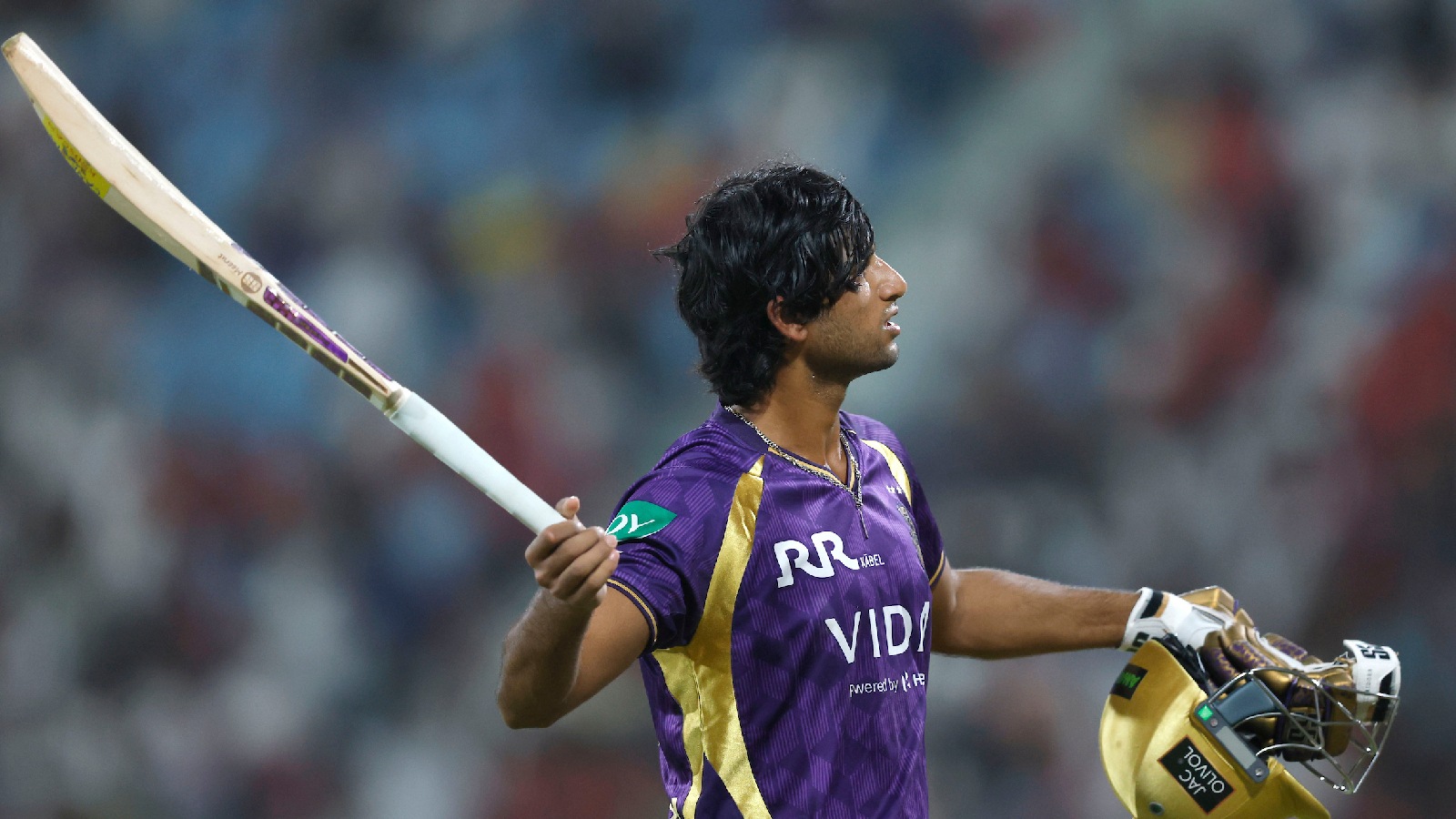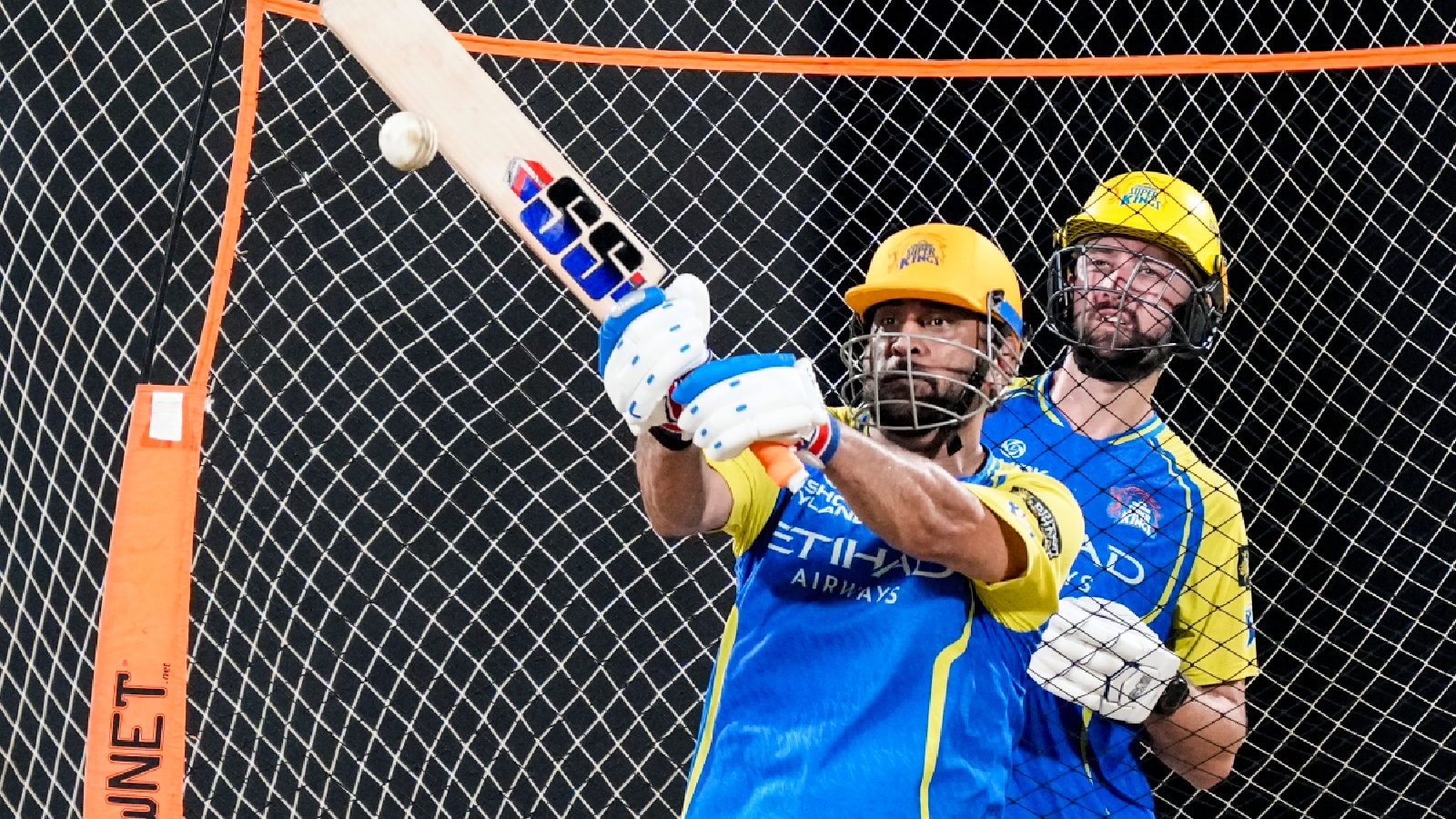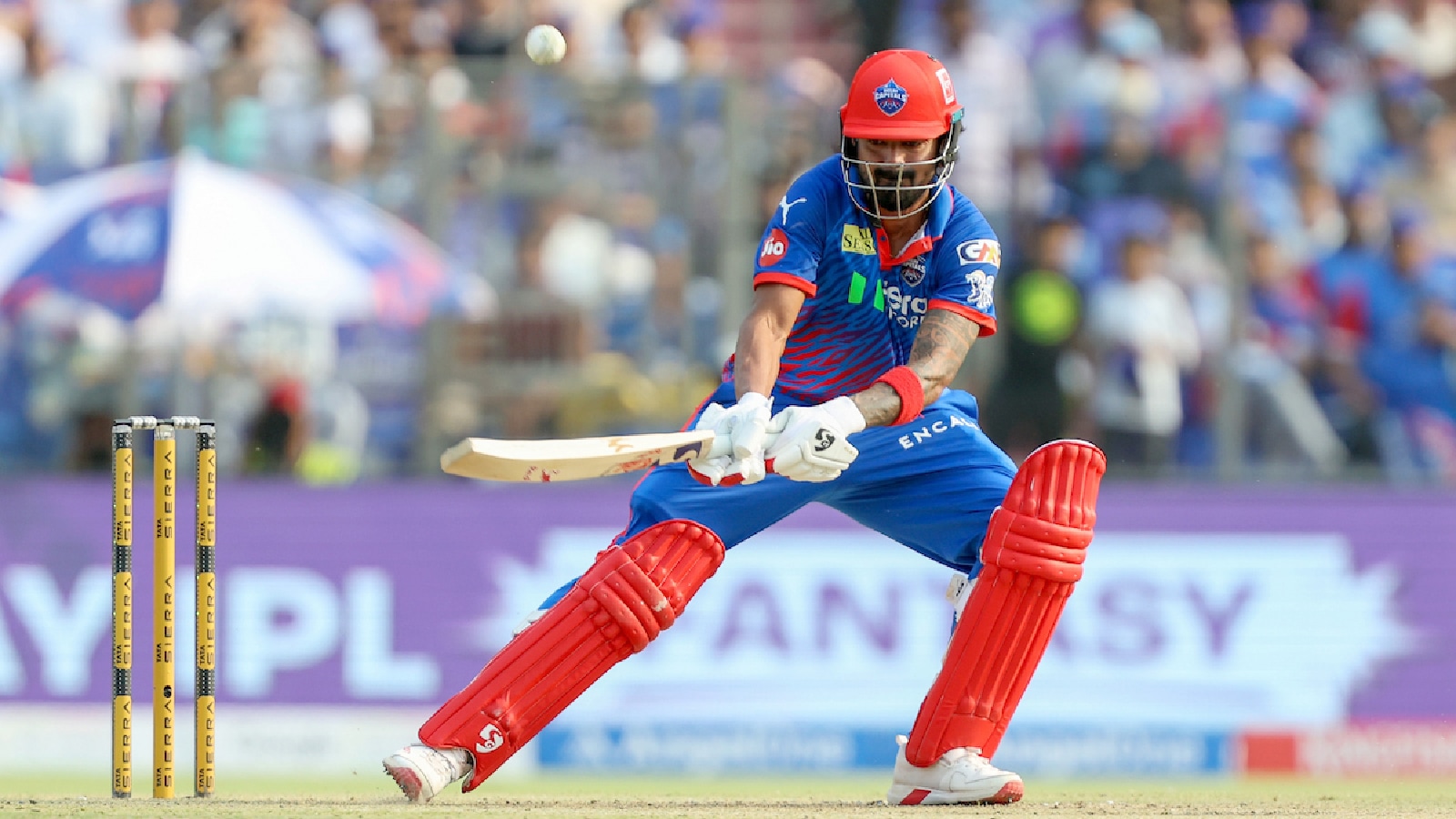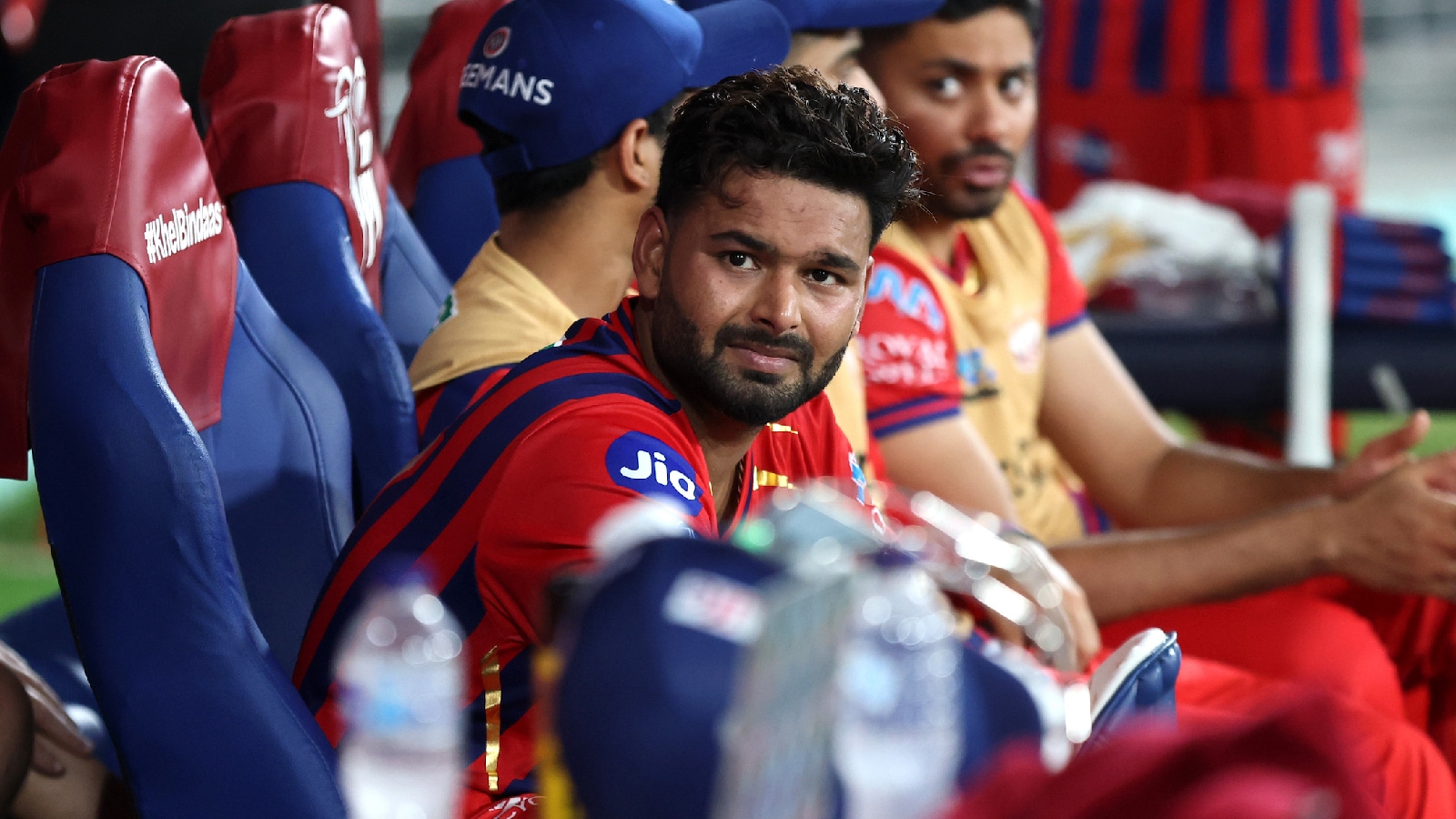


The fall of batsmanship, the resurgence of classical pacers: Delhi Capitals’ collapse against RCB says it all
Pacers with classical skills – the ability to move the ball both ways and hit Test match lengths – have turned out to be the real ‘Impact Players’ of IPL 2026.
Those that inevitably cry foul at the fall of Indian Test cricket after more disappointment – two whitewashes at home within a year signal that the fall has already begun – must be shown the powerplay overs of Delhi Capitals’ innings against Royal Challengers Bengaluru on Monday.
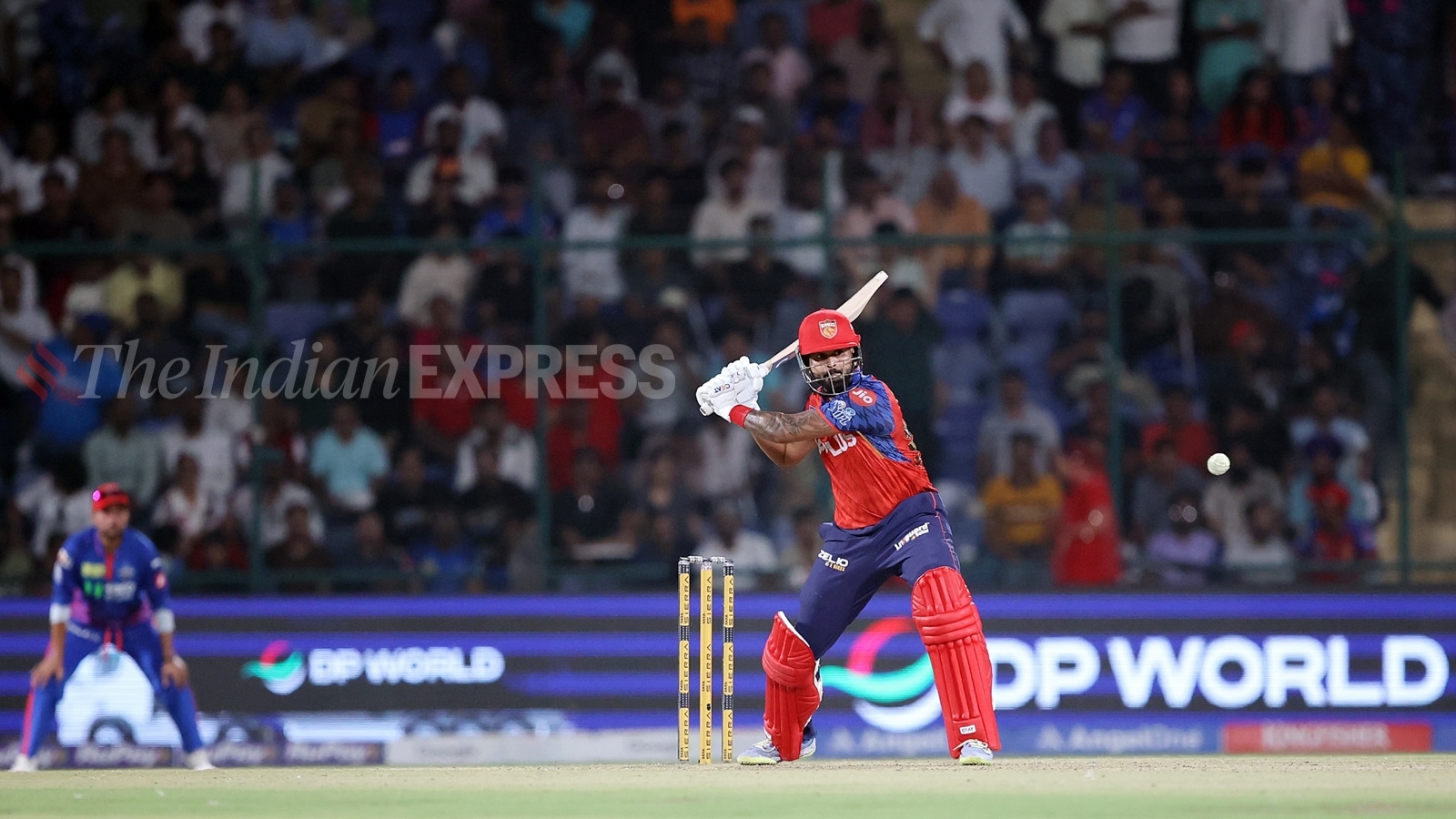
On the 19th ball of the innings, Nitish Rana pulled out what is almost certain to be the most novel of all of his shots of this IPL season. Josh Hazlewood sent down a snorter, landing just on the back of a length from around the wicket and threatening the edge, and Rana – IPL veteran, alleged T20 marauder – lifted his bat, content to see it pass by him.
ALSO READ | The Real IPL story – Flat pitch heroes who can’t handle a bit of movement or bounce
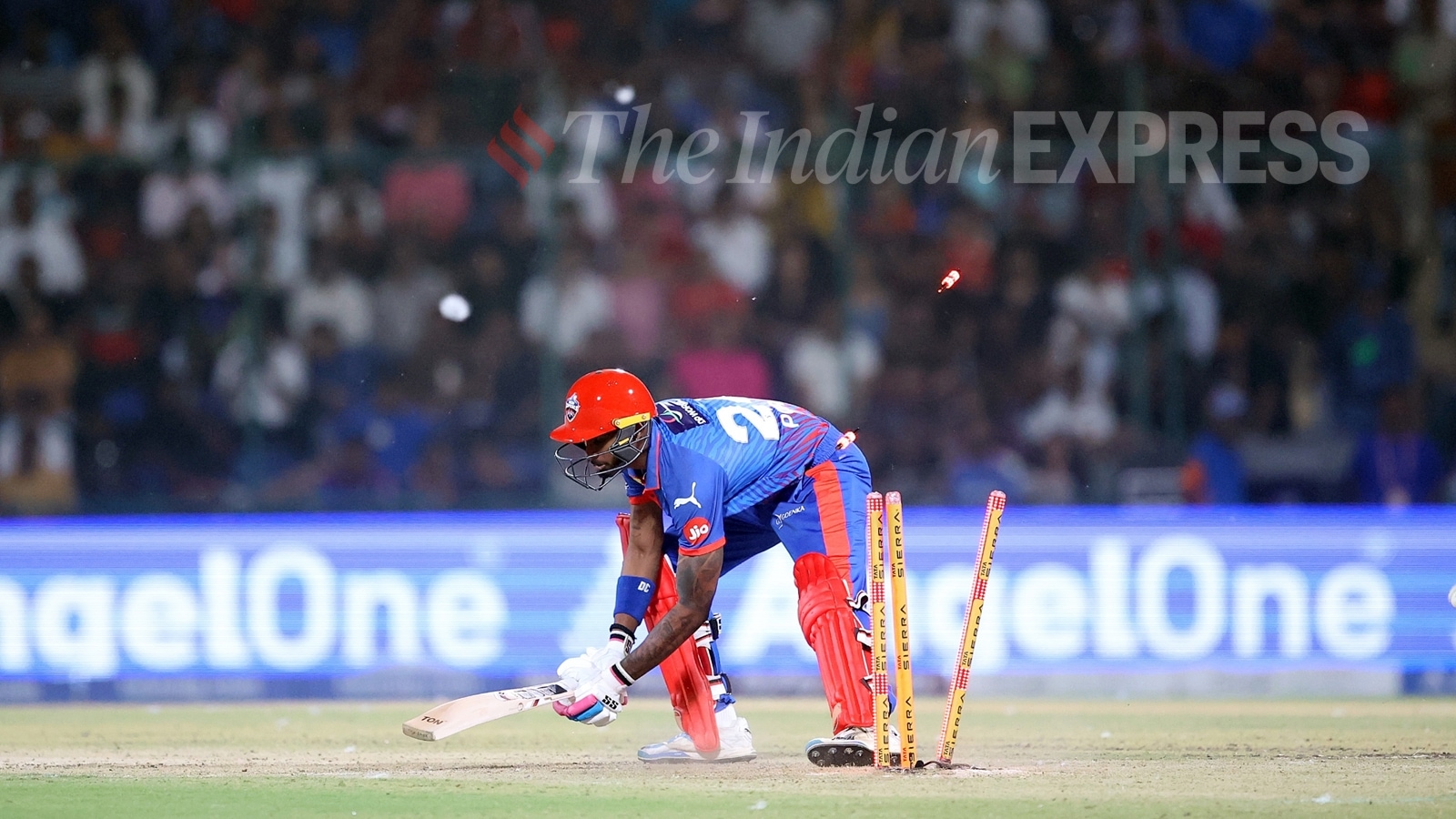
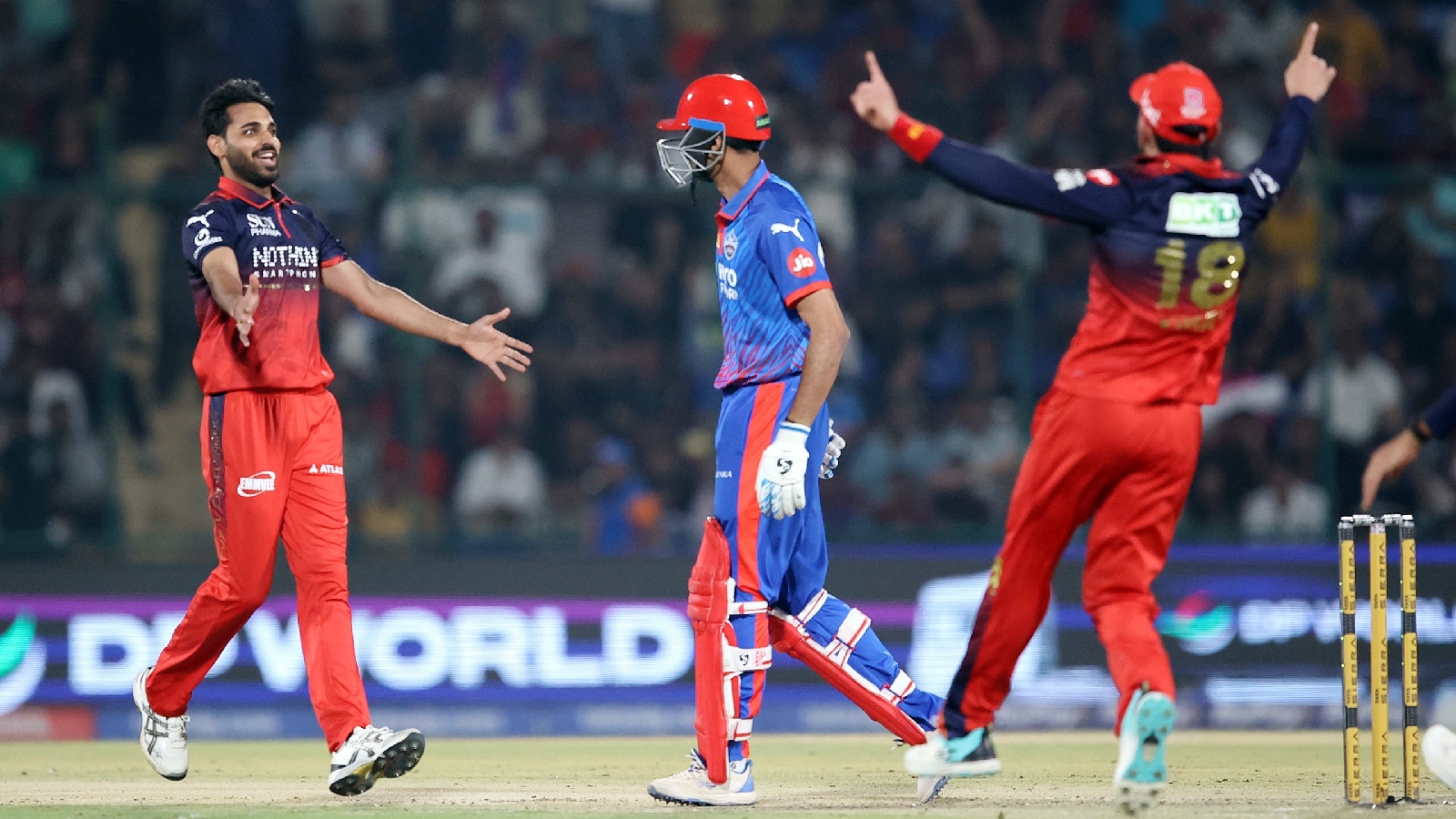
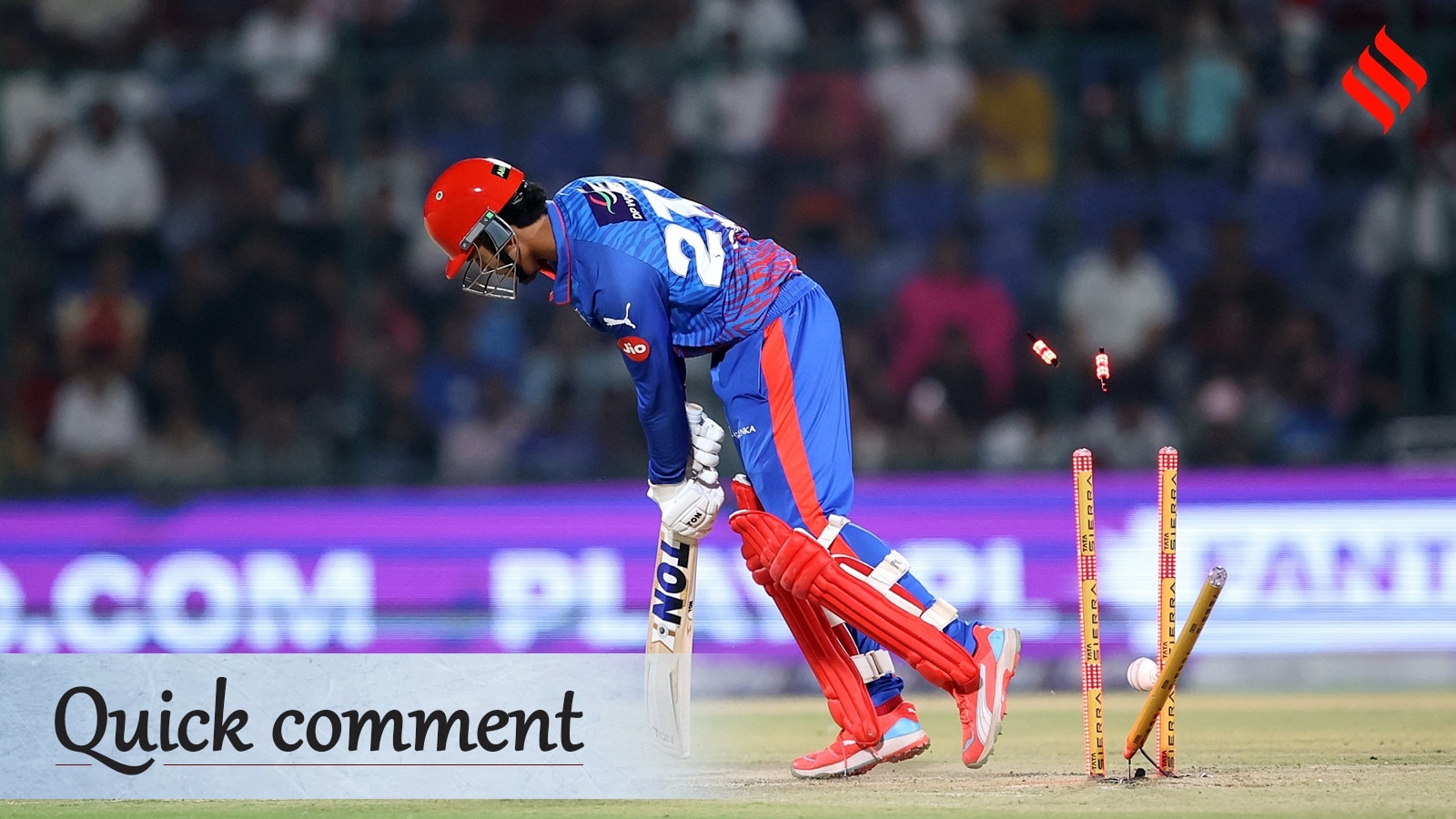
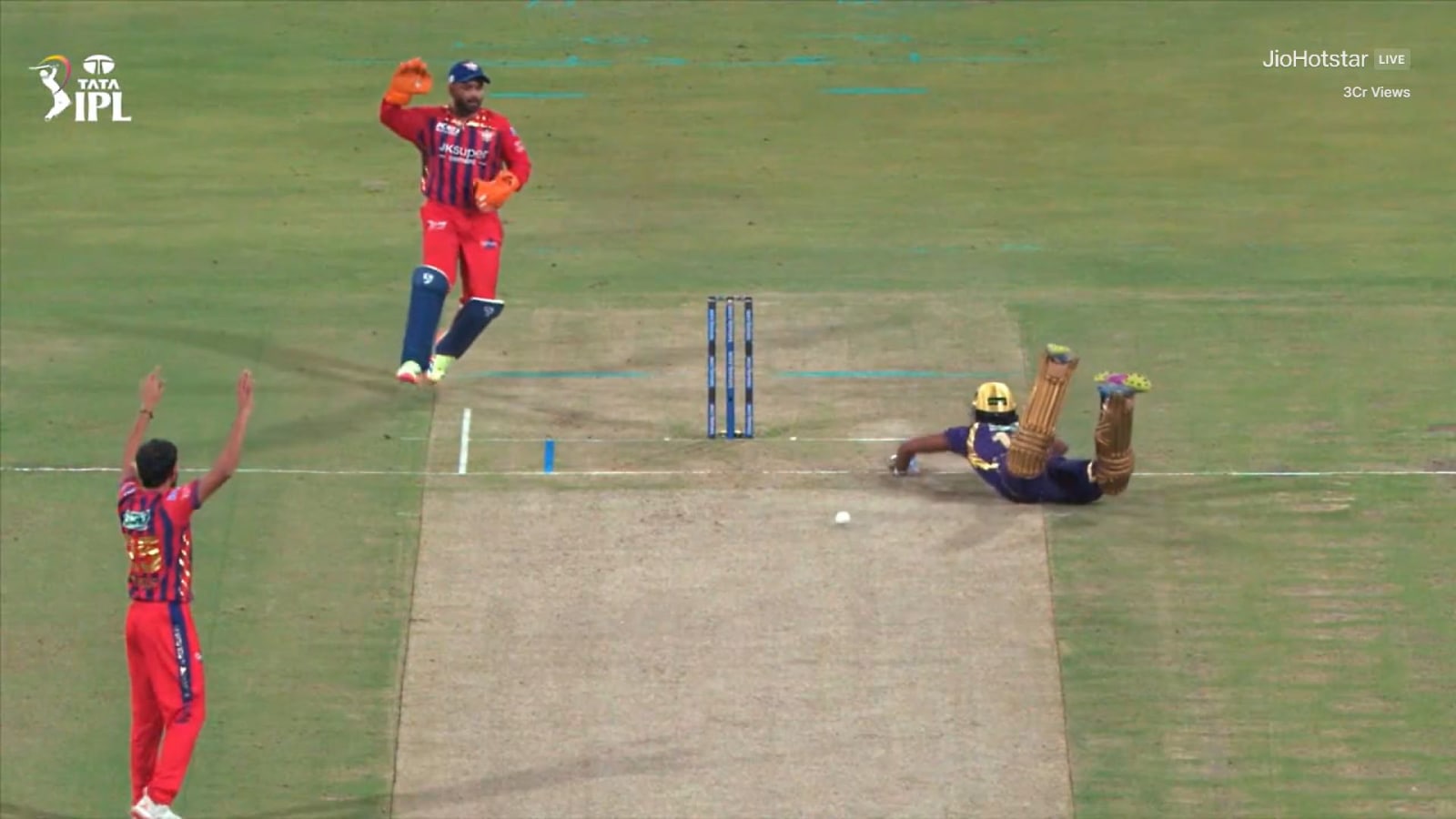
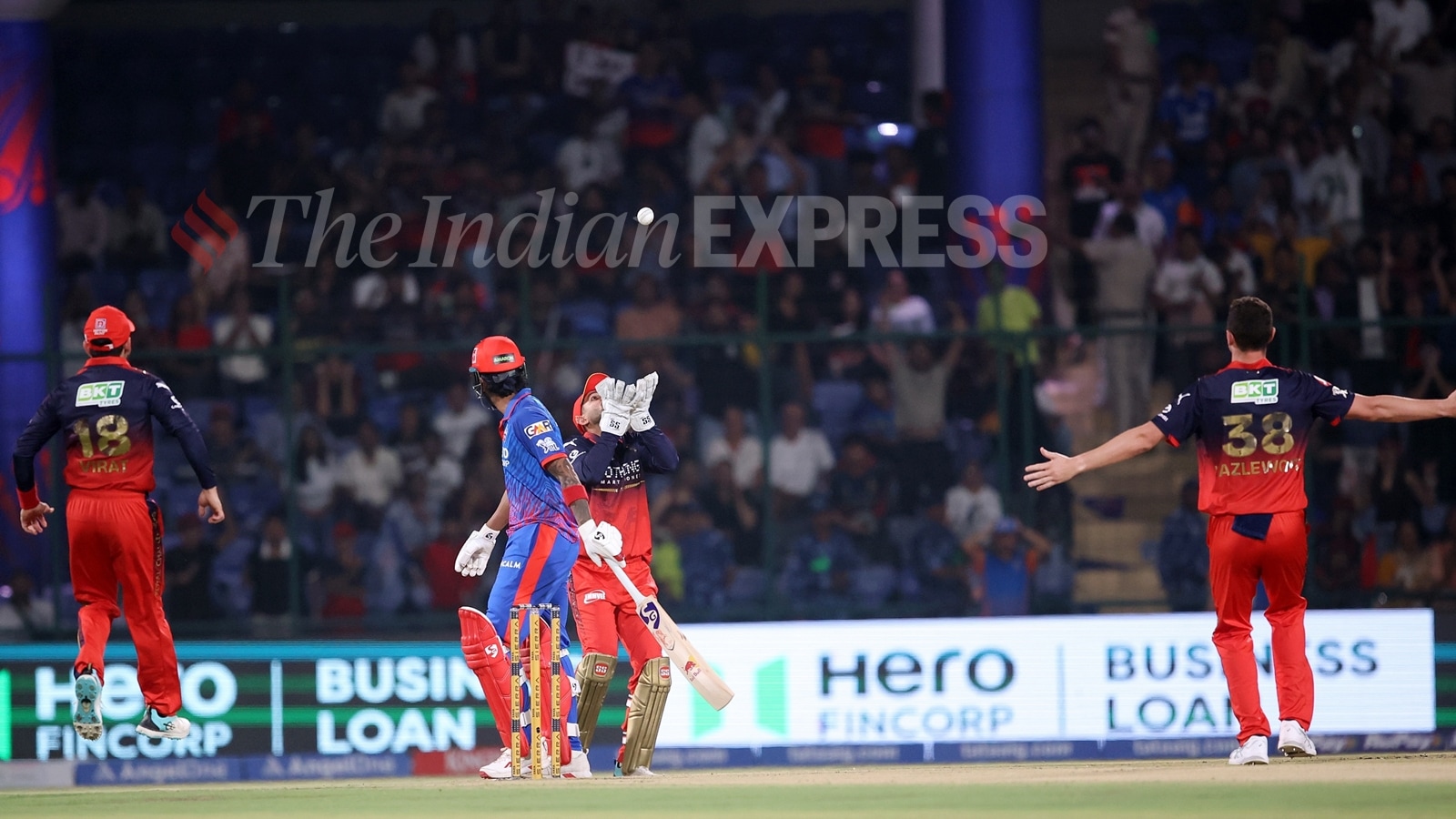
A leave in an IPL game, at the Feroz Shah Kotla grounds, famed to be a batting paradise, is so antithetical to modern-day batting that it only enhanced the pity that was felt around this stadium for a Delhi batting order that capitulated spectacularly in the face of a spell for the ages from Hazlewood and Bhuvneshwar Kumar. The Royal Challengers Bengaluru had skittled Delhi for the lowest-ever powerplay score in IPL history: 13 for 6 with the duo splitting the wickets and the first six overs.
The spell went on to reinforce the IPL’s latest trend. Pacers with classical skills – the ability to move the ball both ways, hit Test match lengths, and bowl outright pace – have turned out to be the real ‘Impact Players’ of this edition. Delhi’s capitulation, however, would point to a much bleaker reality.
What exactly are the fast-bowling specialists doing to make their presence felt this way? Conditions have never been more loaded in the batters’ favour: with small boundaries, flat tracks, Impact Players, and an explosion of all-rounders. Yet such is the fall in the standards of batsmanship in the IPL that the slightest bit of challenge from the bowlers sends the batters – having now adopted a see-ball, hit-ball approach in the name of aggression – into a tailspin.
Sunday’s match was a case in point. Past batting collapses have found several excuses. Lucknow Super Giants coach Justin Langer even compared Lucknow’s pitch to his home ground in Perth. But anyone familiar with Kotla’s history will readily bust that myth. On its best days, it plays low and slow; in the IPL, it often plays dead. Two days ago, it saw the highest-ever run chase in an IPL game. The wicket balls – barring the first, a sensational in-swinging yorker from Bhuvneshwar – were not unplayable either. Hazlewood stuck to his pace-on Test match lengths, Bhuvneshwar got the ball to move both ways.
In addition, Delhi’s lineup was not full of slouches. It included India’s Test opener, India’s T20 vice-captain, an IPL veteran, an established all-format middle-order South African enforcer, and two promising batting talents the franchise has been hyping. None of them were able to muster the survival instinct that comes with dealing with relentless pressure in long-format games to end the carnage. All of them had clearly not expected to, or trained for, dealing with quality bowling.
Delhi will inevitably be relentlessly trolled for collapsing at home, but precious few franchises have batting orders that have the skills to tame the chaos of the first six overs at Kotla on Monday. Playing the ball late, using footwork, and understanding line and length are all skills of the past. Standing deep in the crease, baseball grips at the ready, to sky balls that come within the hitting arc, is the new normal. The fall of batsmanship has got Test-match pacers back in vogue.
Stay updated with the latest sports news across Cricket, Football, Chess, and more. Catch all the action with real-time live cricket score updates and in-depth coverage of ongoing matches.
Those that inevitably cry foul at the fall of Indian Test cricket after more disappointment – two whitewashes at home within a year signal that the fall has already begun – must be shown the powerplay overs of Delhi Capitals’ innings against Royal Challengers Bengaluru on Monday.
On the 19th ball of the innings, Nitish Rana pulled out what is almost certain to be the most novel of all of his shots of this IPL season. Josh Hazlewood sent down a snorter, landing just on the back of a length from around the wicket and threatening the edge, and Rana – IPL veteran, alleged T20 marauder – lifted his bat, content to see it pass by him.
ALSO READ | The Real IPL story – Flat pitch heroes who can’t handle a bit of movement or bounce
A leave in an IPL game, at the Feroz Shah Kotla grounds, famed to be a batting paradise, is so antithetical to modern-day batting that it only enhanced the pity that was felt around this stadium for a Delhi batting order that capitulated spectacularly in the face of a spell for the ages from Hazlewood and Bhuvneshwar Kumar. The Royal Challengers Bengaluru had skittled Delhi for the lowest-ever powerplay score in IPL history: 13 for 6 with the duo splitting the wickets and the first six overs.
The spell went on to reinforce the IPL’s latest trend. Pacers with classical skills – the ability to move the ball both ways, hit Test match lengths, and bowl outright pace – have turned out to be the real ‘Impact Players’ of this edition. Delhi’s capitulation, however, would point to a much bleaker reality.
What exactly are the fast-bowling specialists doing to make their presence felt this way? Conditions have never been more loaded in the batters’ favour: with small boundaries, flat tracks, Impact Players, and an explosion of all-rounders. Yet such is the fall in the standards of batsmanship in the IPL that the slightest bit of challenge from the bowlers sends the batters – having now adopted a see-ball, hit-ball approach in the name of aggression – into a tailspin.
Sunday’s match was a case in point. Past batting collapses have found several excuses. Lucknow Super Giants coach Justin Langer even compared Lucknow’s pitch to his home ground in Perth. But anyone familiar with Kotla’s history will readily bust that myth. On its best days, it plays low and slow; in the IPL, it often plays dead. Two days ago, it saw the highest-ever run chase in an IPL game. The wicket balls – barring the first, a sensational in-swinging yorker from Bhuvneshwar – were not unplayable either. Hazlewood stuck to his pace-on Test match lengths, Bhuvneshwar got the ball to move both ways.
In addition, Delhi’s lineup was not full of slouches. It included India’s Test opener, India’s T20 vice-captain, an IPL veteran, an established all-format middle-order South African enforcer, and two promising batting talents the franchise has been hyping. None of them were able to muster the survival instinct that comes with dealing with relentless pressure in long-format games to end the carnage. All of them had clearly not expected to, or trained for, dealing with quality bowling.
Delhi will inevitably be relentlessly trolled for collapsing at home, but precious few franchises have batting orders that have the skills to tame the chaos of the first six overs at Kotla on Monday. Playing the ball late, using footwork, and understanding line and length are all skills of the past. Standing deep in the crease, baseball grips at the ready, to sky balls that come within the hitting arc, is the new normal. The fall of batsmanship has got Test-match pacers back in vogue.