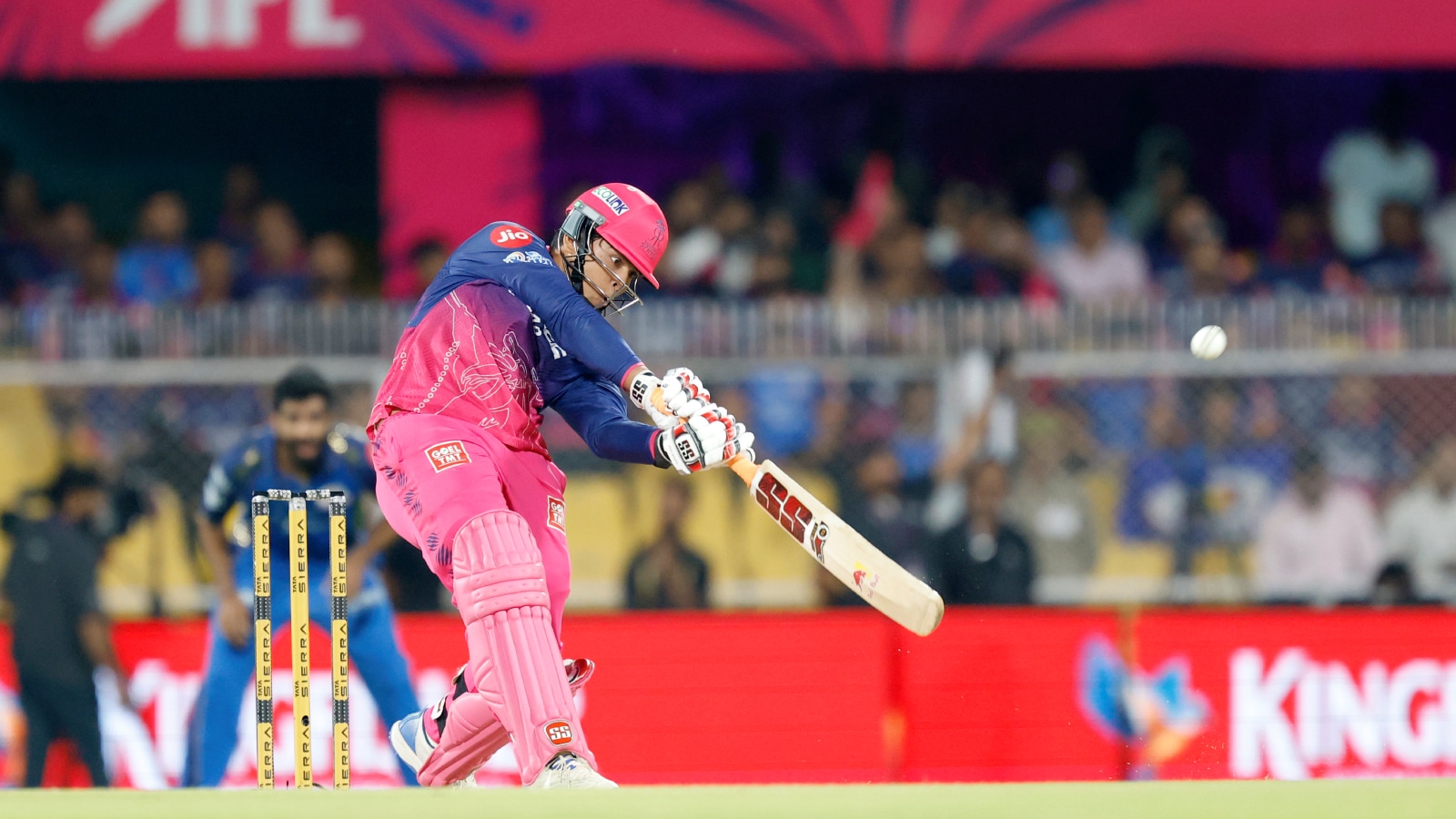


‘There’s a common thread to six hitting of Vaibhav Sooryavanshi, Rinku Singh and even Ajit Agarkar’ – golfer Aditya Kanitkar
Aditya Kanitkar, former golfer and brother of former India batsman Hrishikesh, explains how the likes of Sooryavanshi and Heinrich Klaasen convert ground forces into aerial supremacy in hitting sixes - golf style.
Aditya Kanitkar is a former golfer and currently a golf-coach in Pune. He is also the brother of former India cricketer Hrishikesh Kanitkar, and dabbles at Masters tennis besides golf and cricket, playing at Poona Club. Plenty of conversations within the family are about bat swings – at the intersection of golf and power-hitting cricket. It is not just India captain Harmanpreet Kaur that shadow-practices with a golf club before nets. Most bat swing coaching leans on golf to get the elevation and distance akin to driving on the greens.
Aditya Kanitkar breaks down the swing from head to toe:
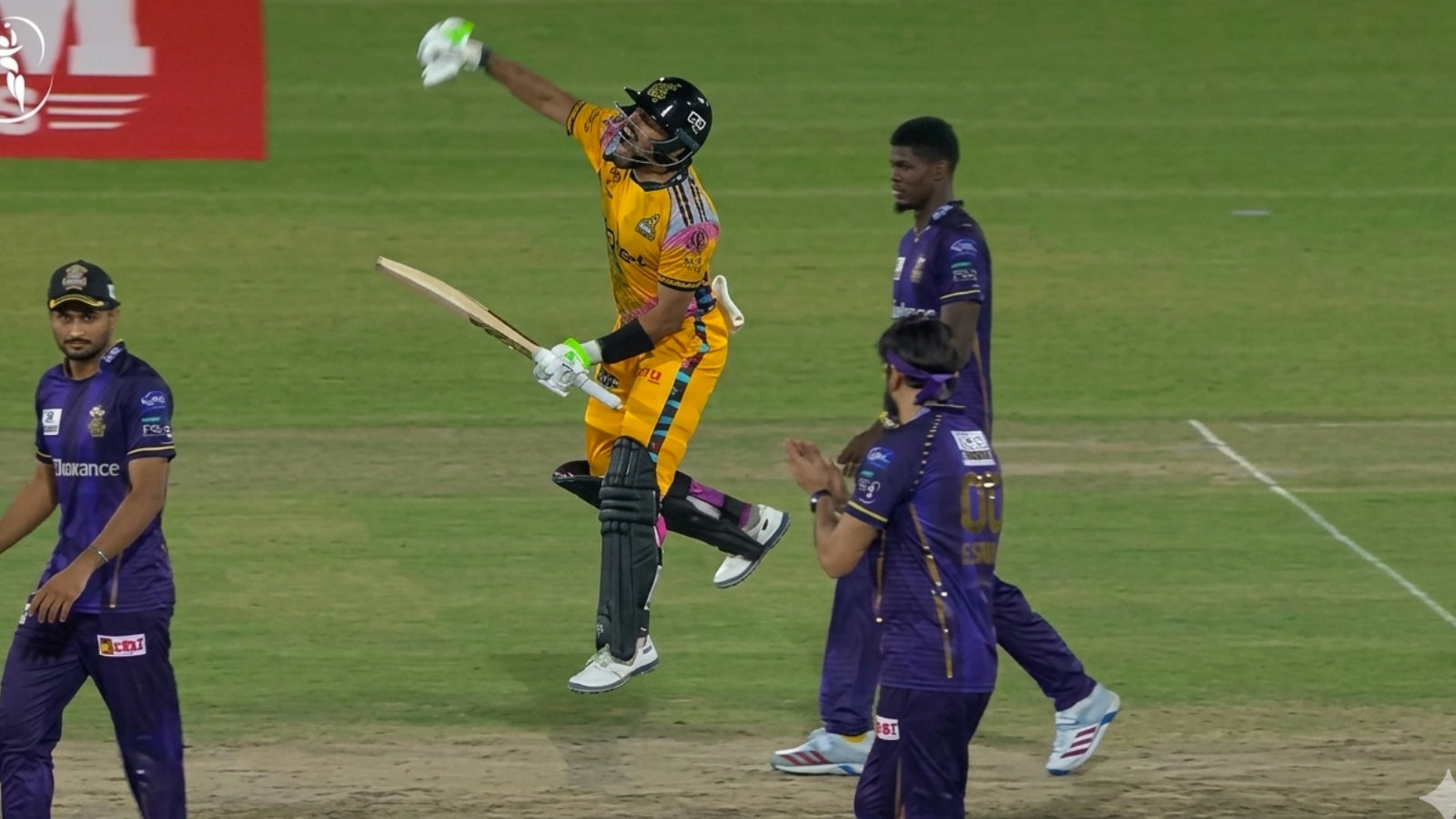
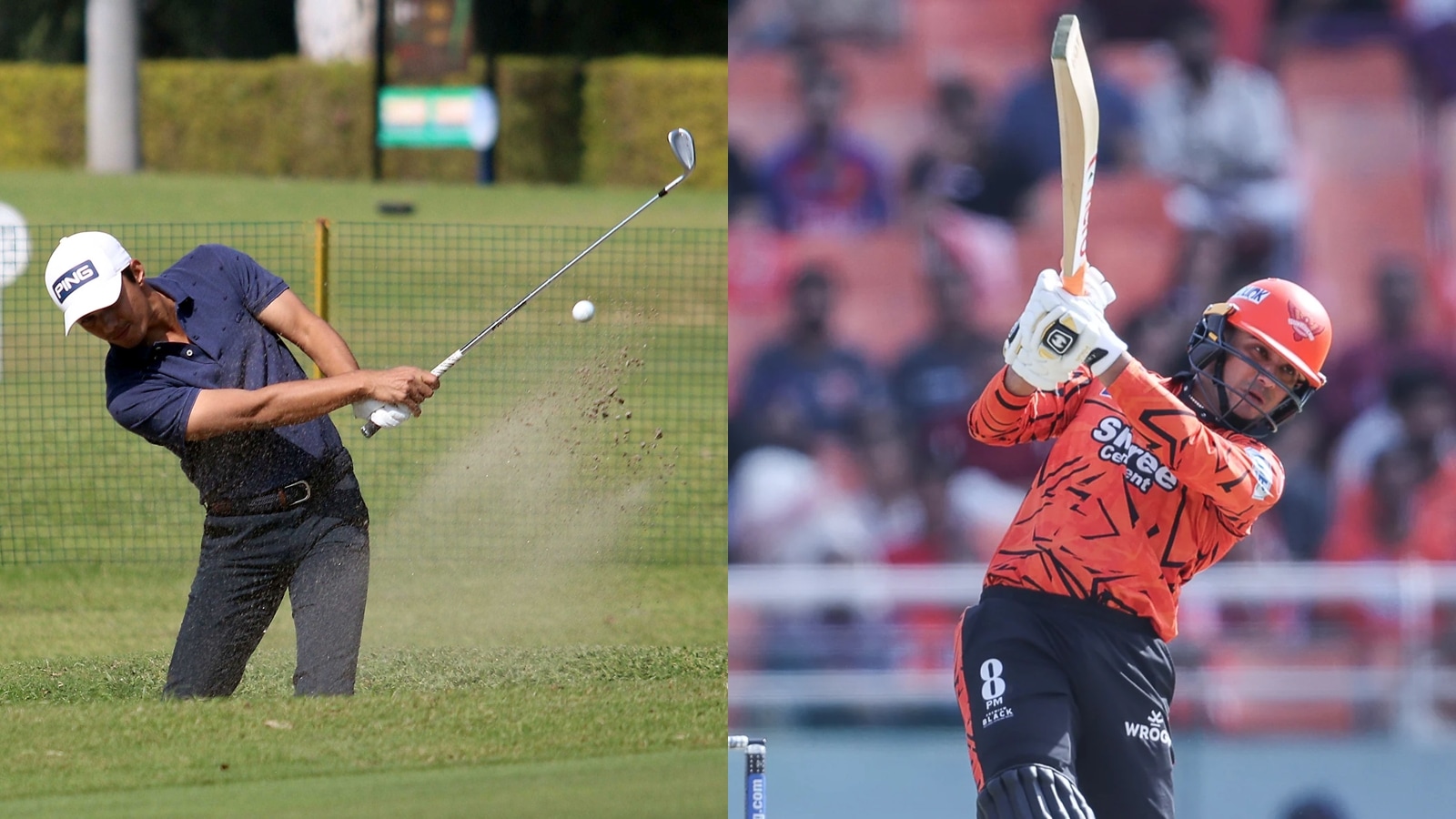
Vaibhav Sooryavanshi and Heinrich Klaasen are a very good comparison, though both use golf stances in six-hitting. The biggest difference is Klaasen is tall and uses his long levers to create more speed in his bat flow. Vaibhav is shorter, but when he hits down to up, he creates a lot of rotations, that is, his body turns at a faster speed than most. What makes him a freak is, he has unreal, hand-eye coordination to match or sync his rotating body to that bat swing.
The headstart he has in starting that rotation is freakish and natural, though I’m sure his coaches have tuned him for it. Typically others, would create that body rotation to hit one six and get out immediately. He will keep hitting. Put him on a golf course, he will send the ball miles!
The commonality between golf and cricket is in the way the body is used in the rotational way, between upper and lower body. Those who hit big have learnt the art and found the correct sync though we must admit, in cricket the ball is not stationary, but a moving object. So six hitting in cricket is special. But it applies the same mechanics. The same sequence.
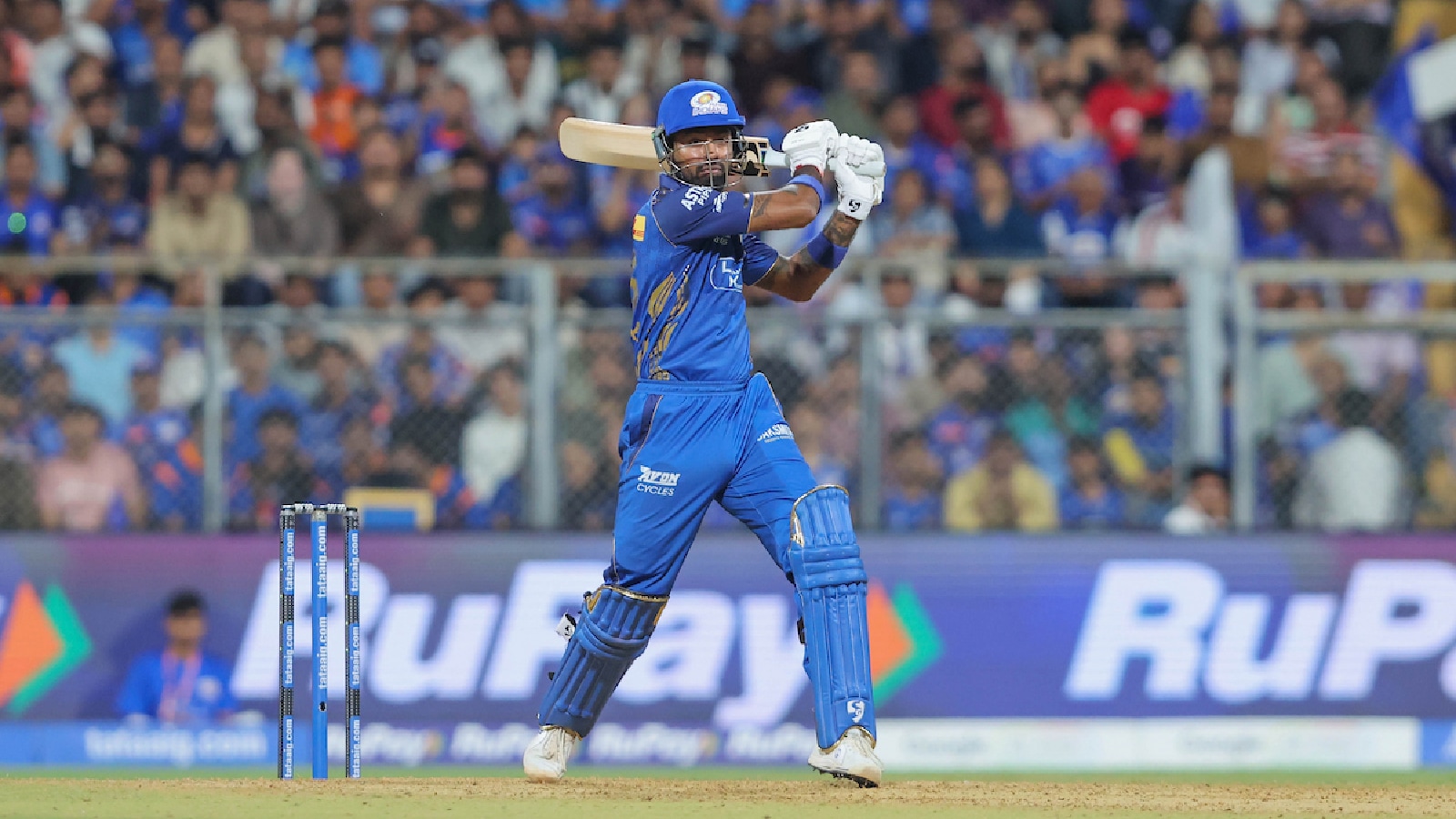
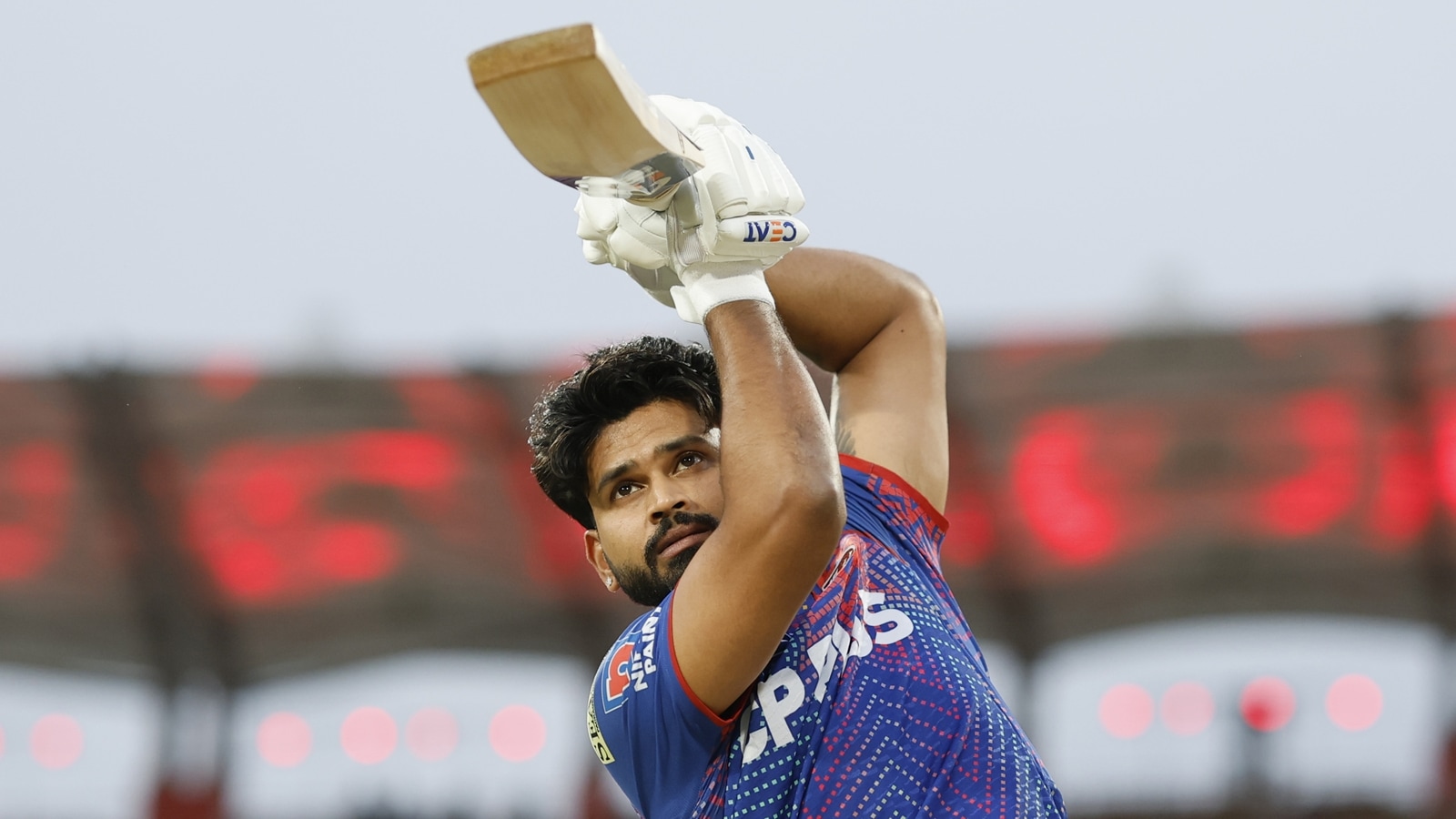
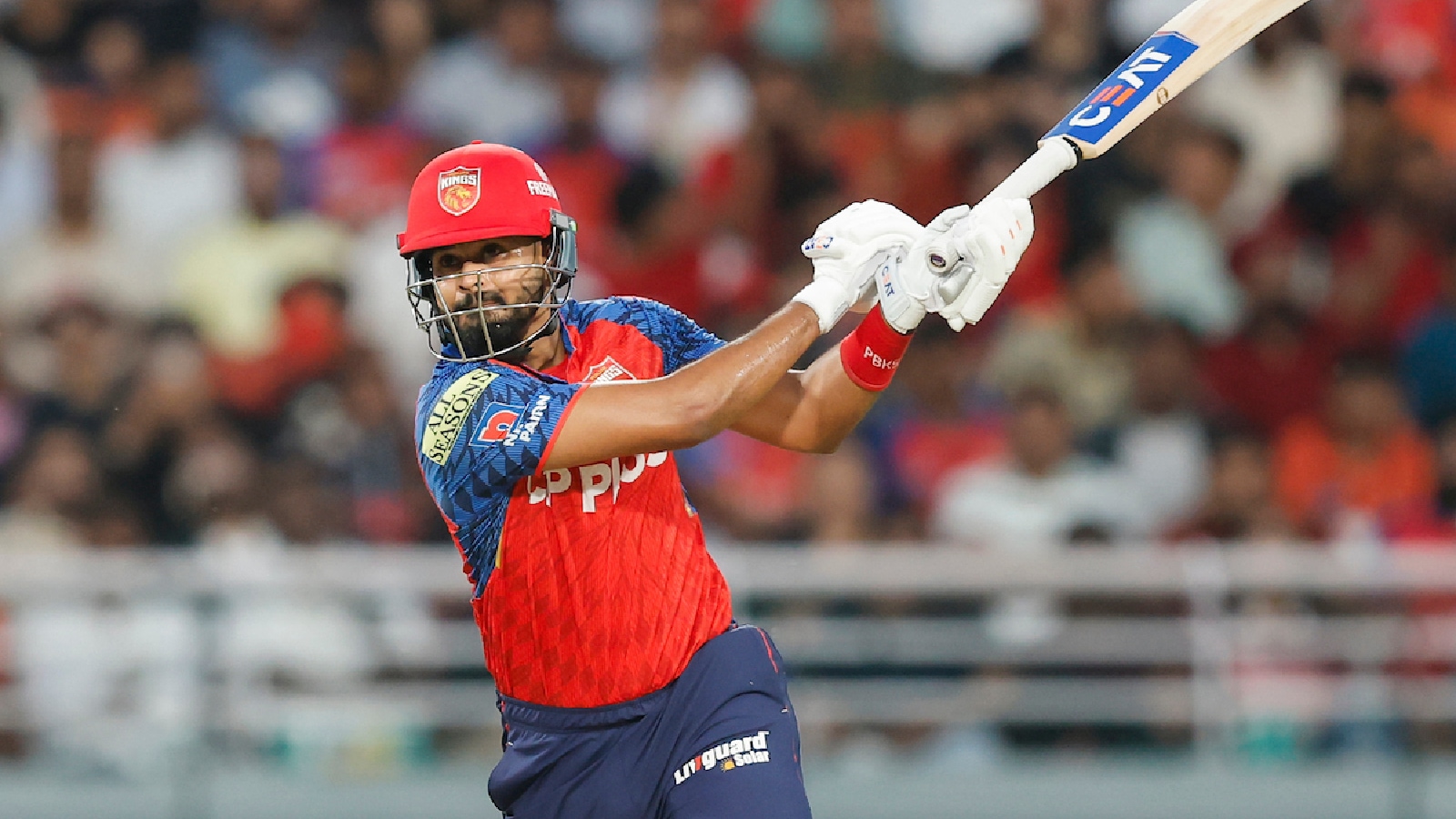
What everyone sees is the bat speed and the arms. But what’s most important in golf-stance hitting, is that maximizing power starts from the lower body. The ground force, as we call it in golf, moves up the torso and finally the upper body adds to the speed.
Before T20, (or in classical long format Test batting, playing along the ground), the lower body was not used as much to generate power. It was used to stabilise the body. Golf has always used ground force to hit high and far. But using ground force needs core strength to hold shape, or what in golf is called ‘maintaining spine angle.’
So, a batsman uses a wide stance (how wide varies among batsmen), slightly sits in a squat, and uses the reaction ground force from the feet, creating a surge of power, using legs and lower body strength. It’s why even those built like Ruturaj Gaikwad and Rinku Singh who is small in stature, can create the same power as Klaasen.
It varies between batsmen who might have stronger left feet or right feet. MS Dhoni is more of a right foot stronger person, creating power from the back leg.
A golf club usually creates a swing of 120 mph. What’s changed in T20 or range hitting in cricket is the lower body ground force that’s created golf-style. The upper body and arms have remained same and existed even before. It’s how Ajit Agarkar, though slightly built, could hit long. He really understands this.
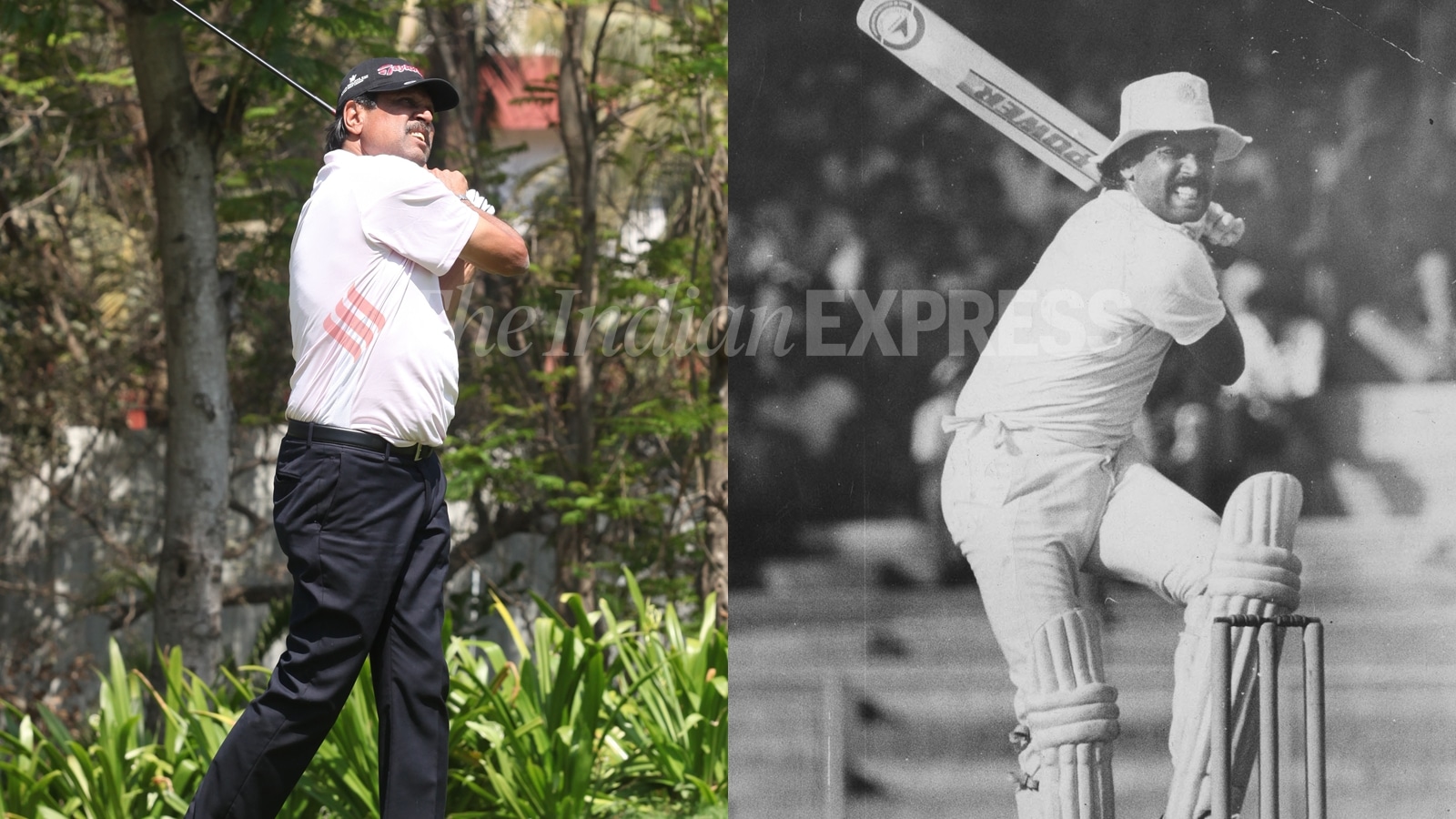
Kapil Dev was the original pioneer in creating power, but Yuvraj is probably the biggest success of harnessing lower body technique. People can hit sixes, but Yuvraj is great. Some of the Aussies – Steve Smith, Ponting and Maxwell have been good at it too.
I have had many conversations with my brother Hrishikesh (former India player with that last ball four at Dhaka and current U19 head coach). We discuss a lot of bat swings and bat speeds and how the two sports blend.
Stay updated with the latest sports news across Cricket, Football, Chess, and more. Catch all the action with real-time live cricket score updates and in-depth coverage of ongoing matches.
Aditya Kanitkar is a former golfer and currently a golf-coach in Pune. He is also the brother of former India cricketer Hrishikesh Kanitkar, and dabbles at Masters tennis besides golf and cricket, playing at Poona Club. Plenty of conversations within the family are about bat swings – at the intersection of golf and power-hitting cricket. It is not just India captain Harmanpreet Kaur that shadow-practices with a golf club before nets. Most bat swing coaching leans on golf to get the elevation and distance akin to driving on the greens.
Aditya Kanitkar breaks down the swing from head to toe:
Vaibhav Sooryavanshi and Heinrich Klaasen are a very good comparison, though both use golf stances in six-hitting. The biggest difference is Klaasen is tall and uses his long levers to create more speed in his bat flow. Vaibhav is shorter, but when he hits down to up, he creates a lot of rotations, that is, his body turns at a faster speed than most. What makes him a freak is, he has unreal, hand-eye coordination to match or sync his rotating body to that bat swing.
The headstart he has in starting that rotation is freakish and natural, though I’m sure his coaches have tuned him for it. Typically others, would create that body rotation to hit one six and get out immediately. He will keep hitting. Put him on a golf course, he will send the ball miles!
The commonality between golf and cricket is in the way the body is used in the rotational way, between upper and lower body. Those who hit big have learnt the art and found the correct sync though we must admit, in cricket the ball is not stationary, but a moving object. So six hitting in cricket is special. But it applies the same mechanics. The same sequence.
What everyone sees is the bat speed and the arms. But what’s most important in golf-stance hitting, is that maximizing power starts from the lower body. The ground force, as we call it in golf, moves up the torso and finally the upper body adds to the speed.
Before T20, (or in classical long format Test batting, playing along the ground), the lower body was not used as much to generate power. It was used to stabilise the body. Golf has always used ground force to hit high and far. But using ground force needs core strength to hold shape, or what in golf is called ‘maintaining spine angle.’
So, a batsman uses a wide stance (how wide varies among batsmen), slightly sits in a squat, and uses the reaction ground force from the feet, creating a surge of power, using legs and lower body strength. It’s why even those built like Ruturaj Gaikwad and Rinku Singh who is small in stature, can create the same power as Klaasen.
It varies between batsmen who might have stronger left feet or right feet. MS Dhoni is more of a right foot stronger person, creating power from the back leg.
A golf club usually creates a swing of 120 mph. What’s changed in T20 or range hitting in cricket is the lower body ground force that’s created golf-style. The upper body and arms have remained same and existed even before. It’s how Ajit Agarkar, though slightly built, could hit long. He really understands this.
Kapil Dev was the original pioneer in creating power, but Yuvraj is probably the biggest success of harnessing lower body technique. People can hit sixes, but Yuvraj is great. Some of the Aussies – Steve Smith, Ponting and Maxwell have been good at it too.
I have had many conversations with my brother Hrishikesh (former India player with that last ball four at Dhaka and current U19 head coach). We discuss a lot of bat swings and bat speeds and how the two sports blend.