

‘We were exceptionally rusty. It wasn’t…’: AFG coach Pybus on DRS blunders
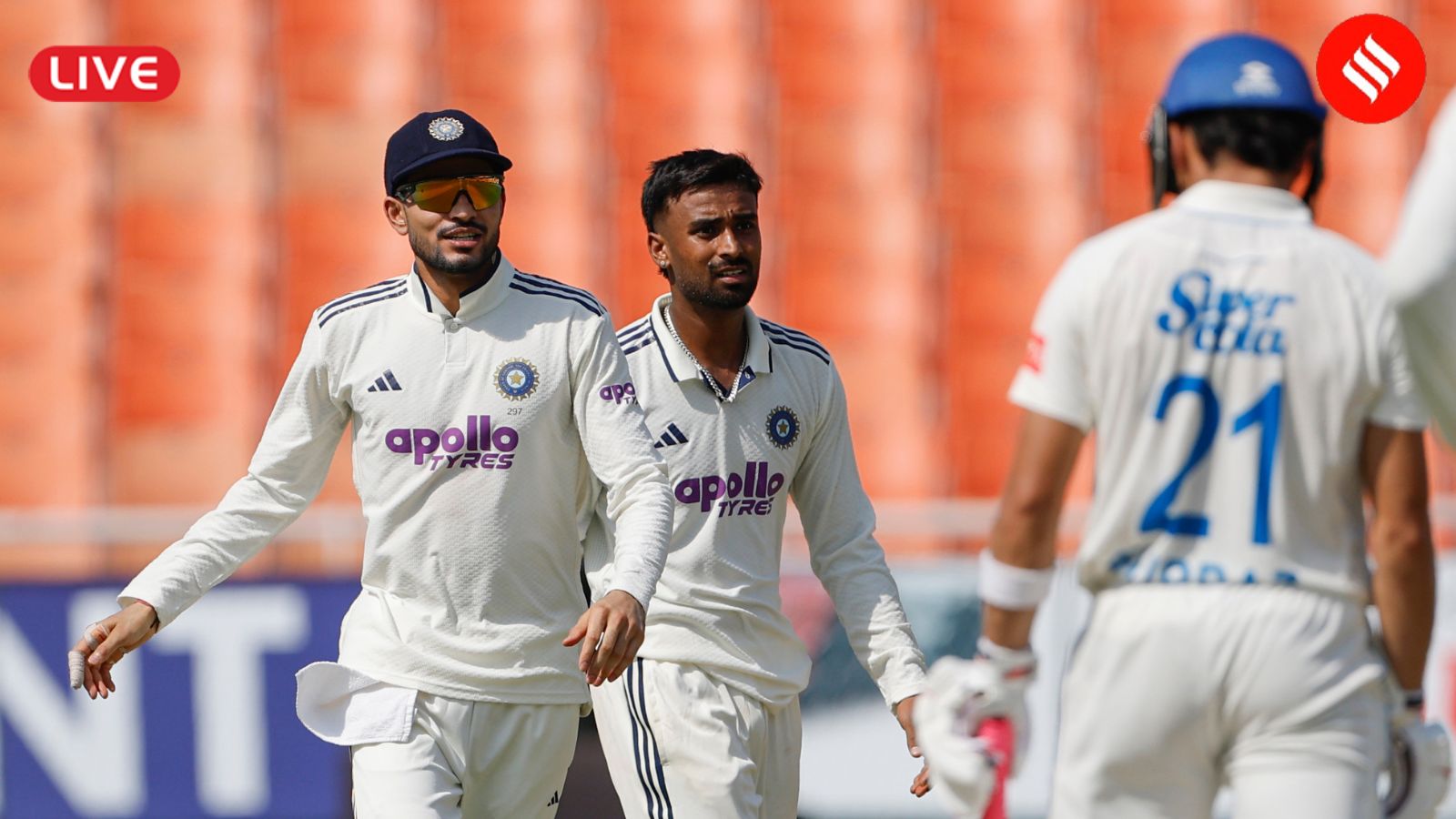
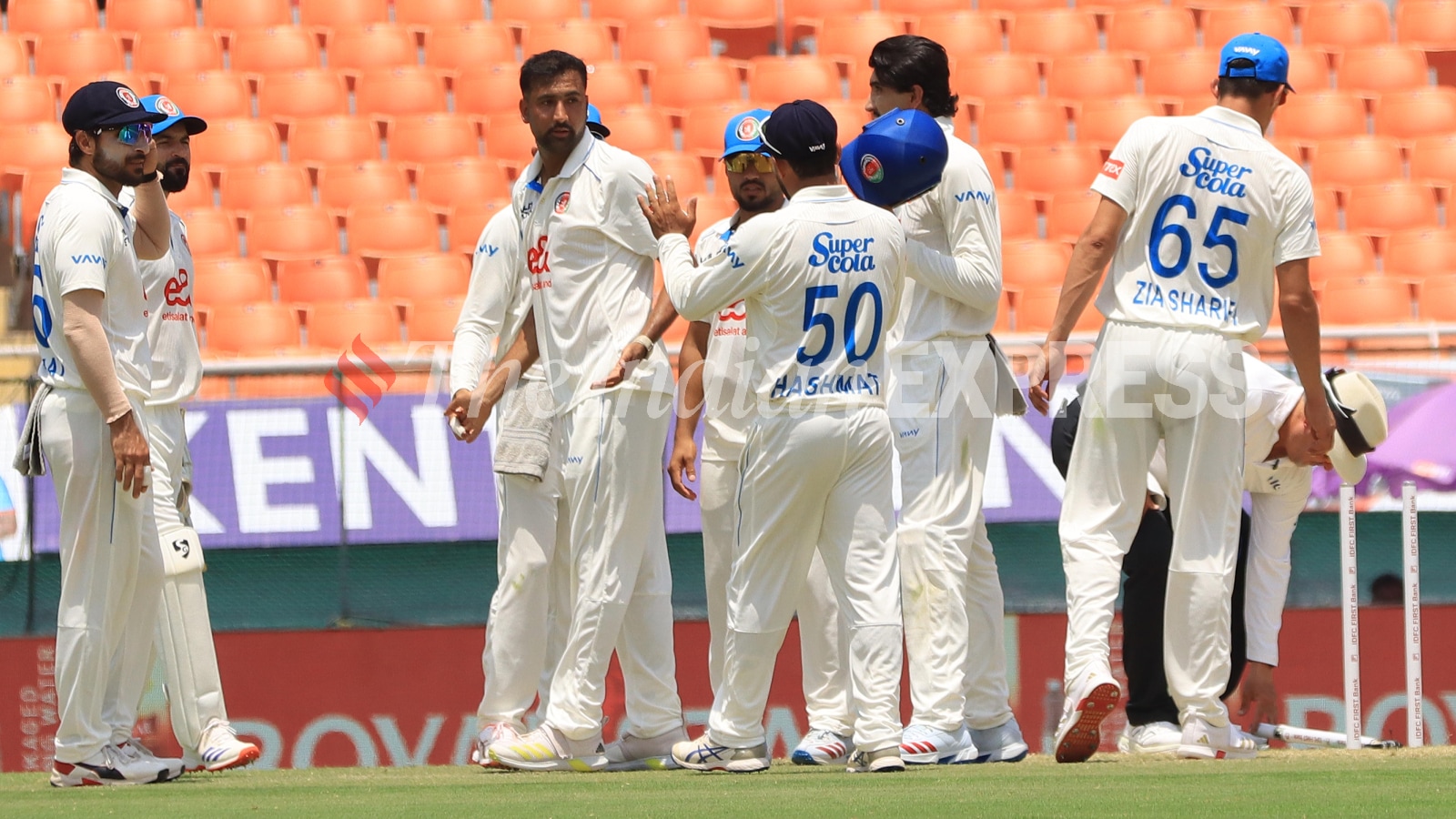
Afghanistan captain Hashamtullah Shahidi struggled with his DRS calls against India in the one-off Test against India at Mullanpur
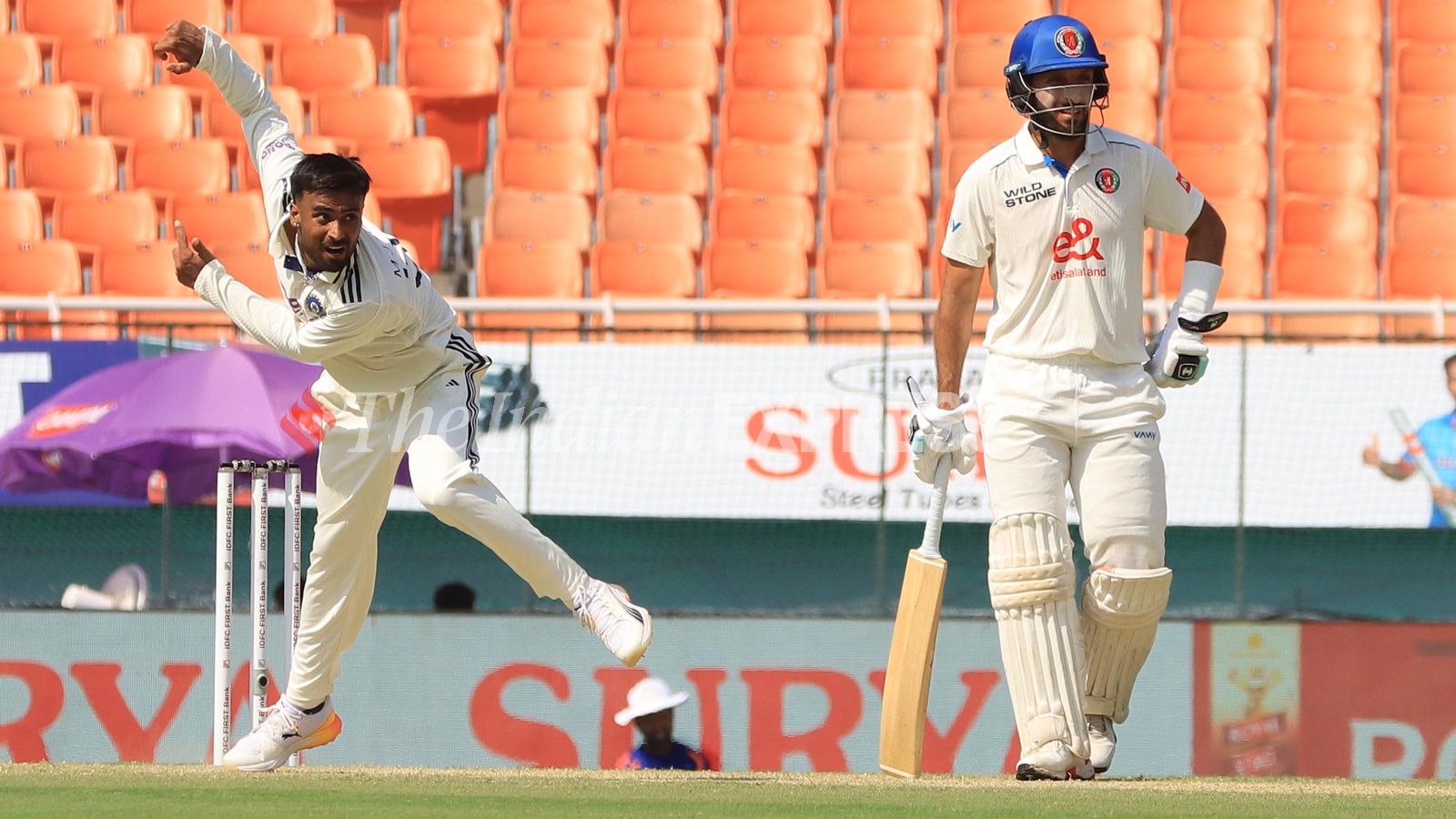
Afghanistan coach Richard Pybus admitted his team paid the price for poor decision-making with the Decision Review System (DRS) after missing several opportunities to dismiss Indian batsmen in the one-off Test against India.
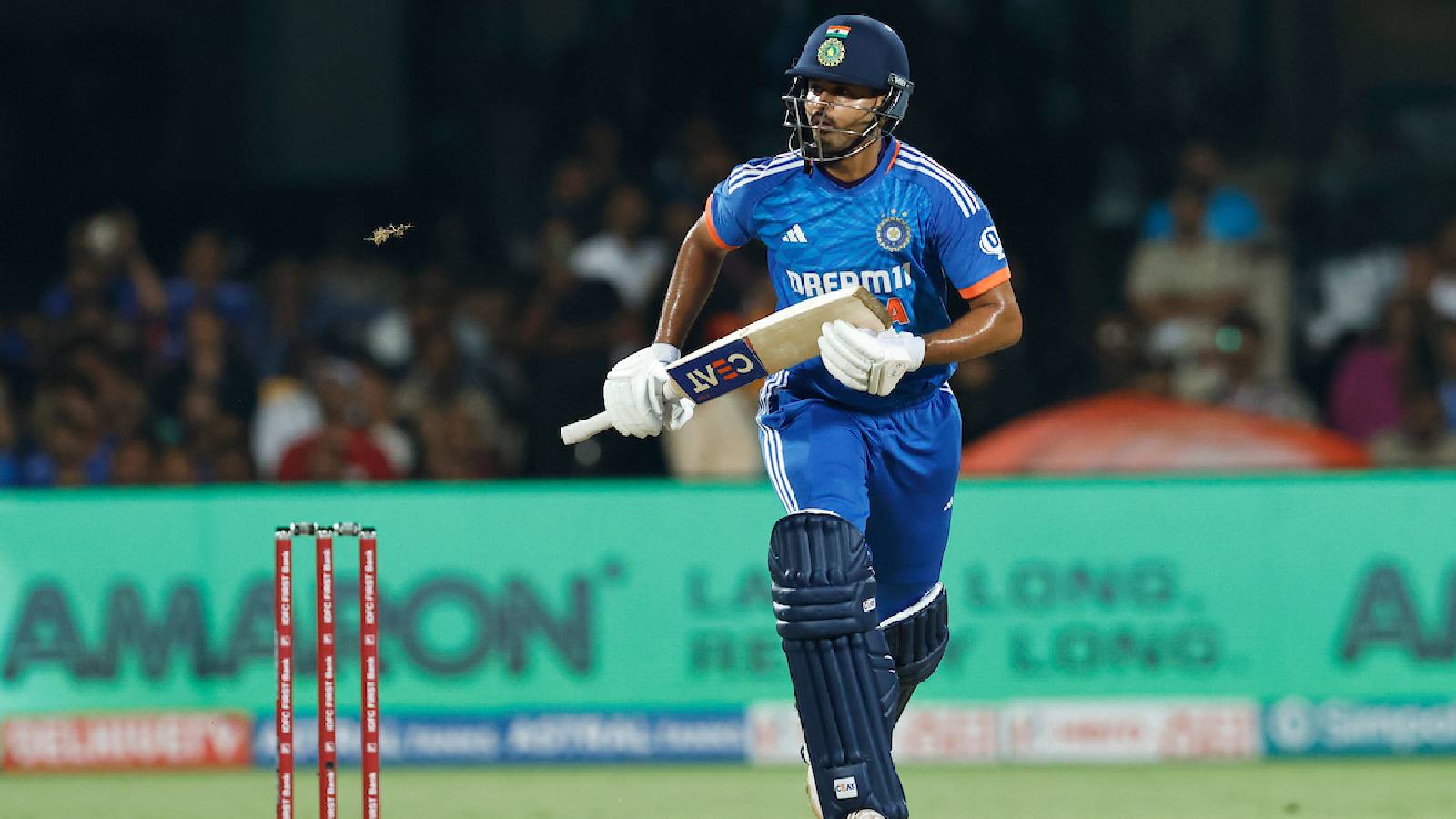
The hosts declared their first innings at 564/8 after dominating the first two days of the match. Afghanistan spent close to two days in the field on a flat surface that offered very little assistance to the bowlers. However, apart from the challenging conditions, the visitors were also left to rue a series of missed DRS opportunities that allowed Indian batsmen to build tall scores.
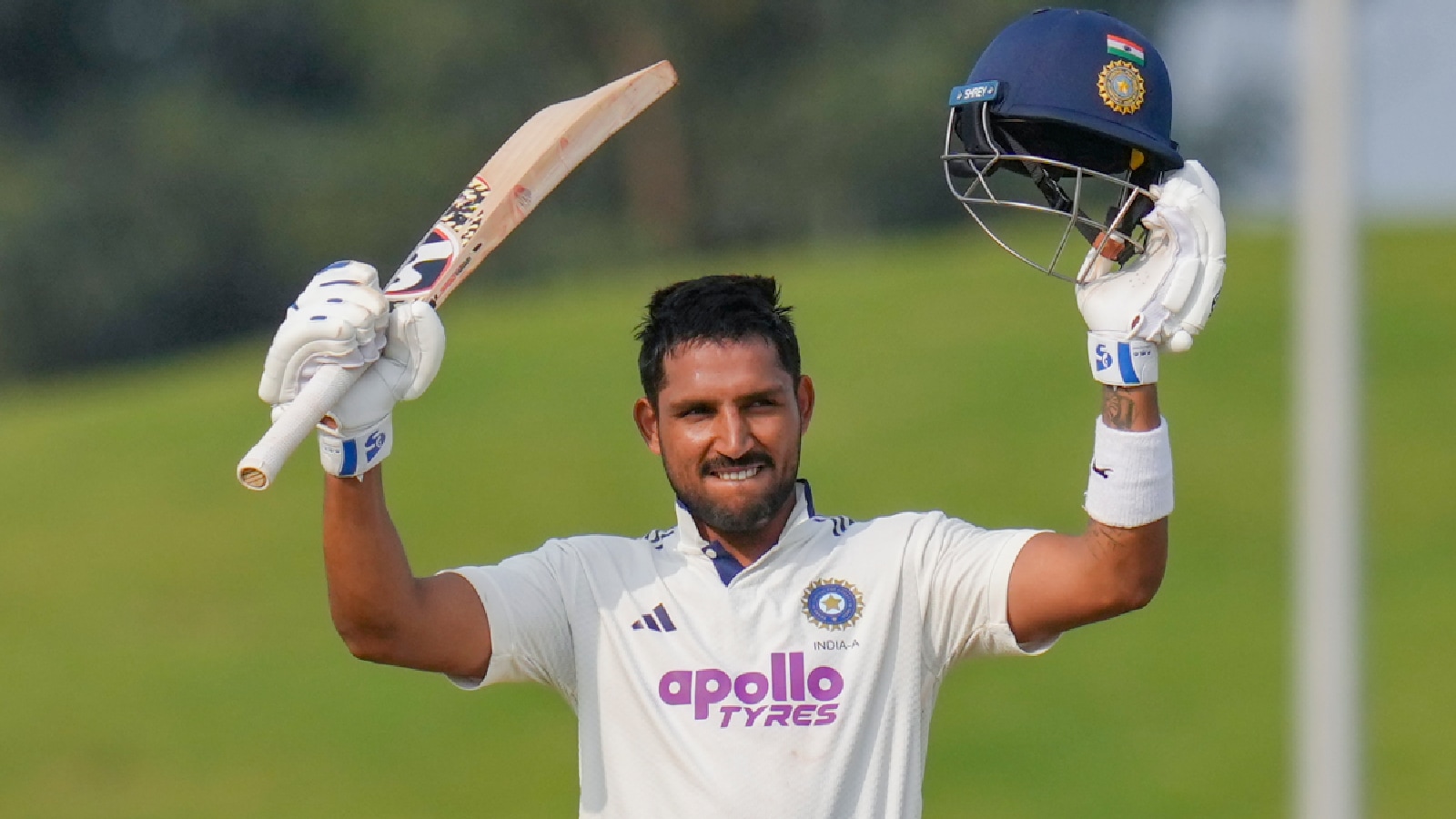
The first chance came on the opening day when KL Rahul, batting on 16, edged a delivery from Azmatullah Omarzai. The on-field umpire did not detect the edge, and Afghanistan captain Hashmatullah Shahidi chose not to review the decision. Rahul went on to score 100.
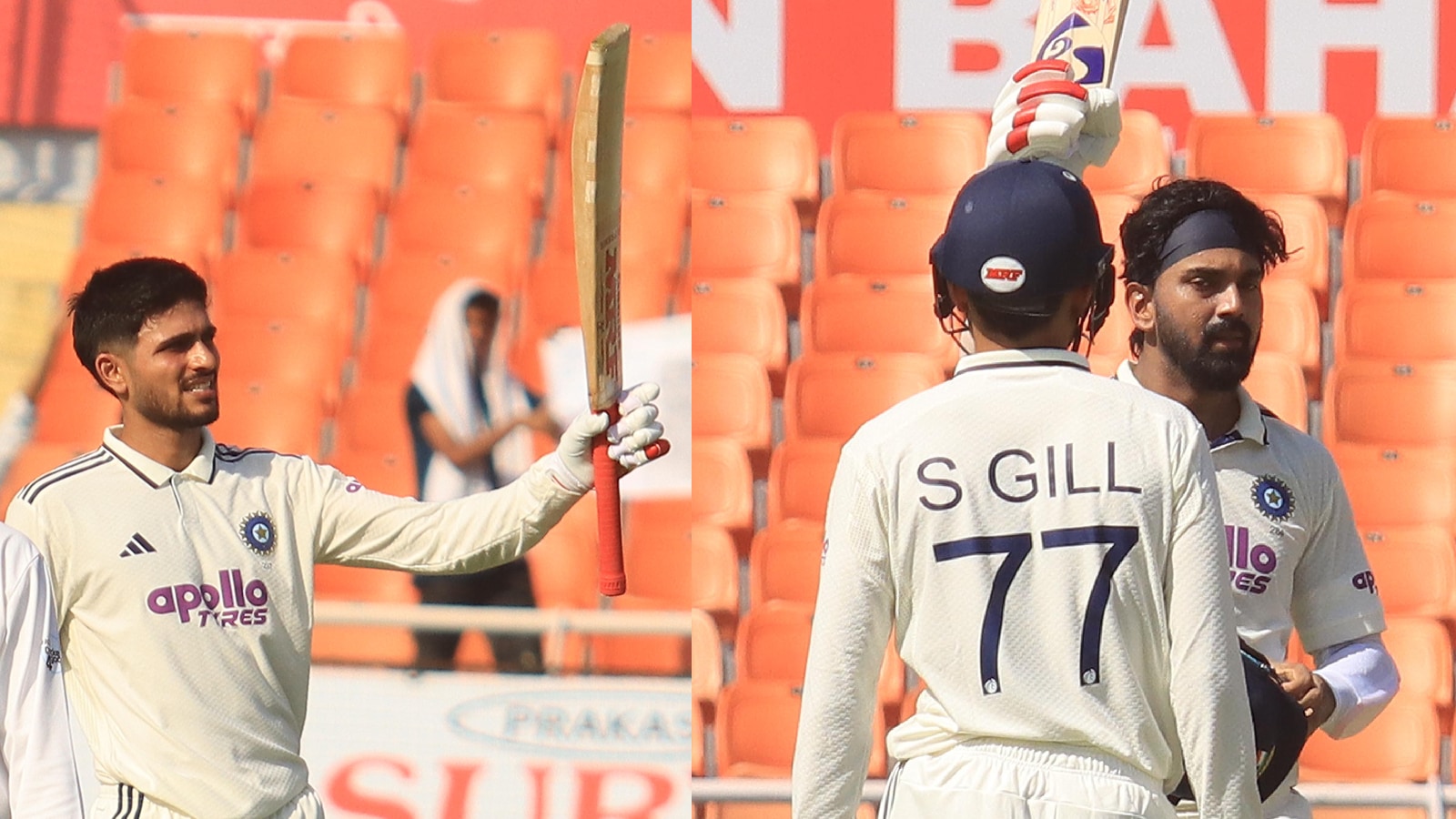
Another opportunity arrived on Sunday morning when Omarzai struck Shubman Gill on the pads during the 89th over. Once again, the umpire ruled the batter not out, and Afghanistan decided against using DRS. Television replays later indicated that the ball would have gone on to hit the stumps.
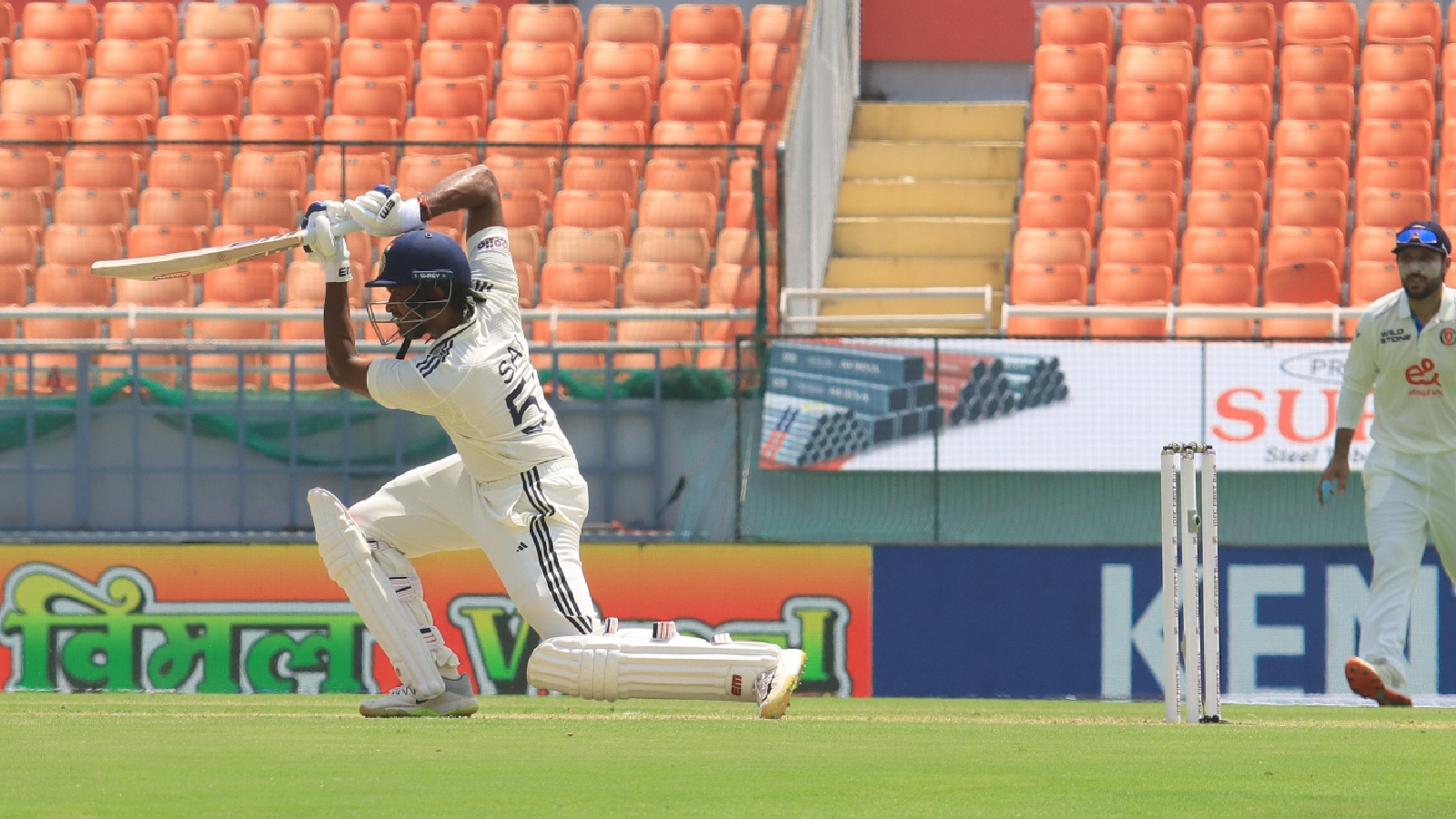
Afghanistan also missed a chance to dismiss Rishabh Pant shortly afterwards. Pant appeared to edge a delivery from Zia-ur-Rehman to first slip, where Rahmanullah Gurbaz completed the catch. The umpire remained unmoved, and Shahidi opted not to challenge the decision. Replays later suggested that Pant had indeed made contact with the ball.
Reflecting on the team’s use of DRS, Pybus admitted Afghanistan lacked clarity and conviction during crucial moments.
“I think the captain’s absolutely reliable, and he’s got a couple of guys that he’s speaking to for the decision-making process. He’s got the wicket-keeper, who has to give him his alignment. He’s got the fielder at point who needs to give him height. He is reliant on the bowler as well in terms of what the bowler is seeing in front of him. We were exceptionally rusty. It wasn’t clear. I think without throwing anybody under the bus, I think there was a lack of conviction and decision-making,” Pybus said after the second day’s play.
Afghanistan’s bowlers showed greater discipline on the second day after a disappointing start to the match. On Saturday, India finished on 368/3 in 85 overs, but they responded better on Sunday, with Mohammad Saleem Safi finishing with 6/140.
Pybus said the bowlers showed improved discipline on Sunday and reserved special praise for Saleem.
“We shared a lot of naivety yesterday with the ball. It wasn’t Test quality bowling, in any conditions, even on a flat wicket against high-quality players. We weren’t bowling channels; we were not building pressure. So we had a conversation around that, and we were much better today. Just consistent, I thought we started really well. We’ve still got some work to do on our review process. And then Saleem came on and was absolutely outstanding,” Pybus said.
“What I enjoyed about him was his consistency today. He’s not a 145-150kph bowler. He’s super consistent. Yesterday, we were just a bit way off from test level bowling. It’s just that consistency. He was just fantastic, and his bowling just held a length. And I think if you hold a length, you’re in the game the whole time,” he added.
Stay updated with the latest sports news across Cricket, Football, Chess, and more. Catch all the action with real-time live cricket score updates and in-depth coverage of ongoing matches.
Afghanistan coach Richard Pybus admitted his team paid the price for poor decision-making with the Decision Review System (DRS) after missing several opportunities to dismiss Indian batsmen in the one-off Test against India.
The hosts declared their first innings at 564/8 after dominating the first two days of the match. Afghanistan spent close to two days in the field on a flat surface that offered very little assistance to the bowlers. However, apart from the challenging conditions, the visitors were also left to rue a series of missed DRS opportunities that allowed Indian batsmen to build tall scores.
The first chance came on the opening day when KL Rahul, batting on 16, edged a delivery from Azmatullah Omarzai. The on-field umpire did not detect the edge, and Afghanistan captain Hashmatullah Shahidi chose not to review the decision. Rahul went on to score 100.
Another opportunity arrived on Sunday morning when Omarzai struck Shubman Gill on the pads during the 89th over. Once again, the umpire ruled the batter not out, and Afghanistan decided against using DRS. Television replays later indicated that the ball would have gone on to hit the stumps.
Afghanistan also missed a chance to dismiss Rishabh Pant shortly afterwards. Pant appeared to edge a delivery from Zia-ur-Rehman to first slip, where Rahmanullah Gurbaz completed the catch. The umpire remained unmoved, and Shahidi opted not to challenge the decision. Replays later suggested that Pant had indeed made contact with the ball.
Reflecting on the team’s use of DRS, Pybus admitted Afghanistan lacked clarity and conviction during crucial moments.
“I think the captain’s absolutely reliable, and he’s got a couple of guys that he’s speaking to for the decision-making process. He’s got the wicket-keeper, who has to give him his alignment. He’s got the fielder at point who needs to give him height. He is reliant on the bowler as well in terms of what the bowler is seeing in front of him. We were exceptionally rusty. It wasn’t clear. I think without throwing anybody under the bus, I think there was a lack of conviction and decision-making,” Pybus said after the second day’s play.
Afghanistan’s bowlers showed greater discipline on the second day after a disappointing start to the match. On Saturday, India finished on 368/3 in 85 overs, but they responded better on Sunday, with Mohammad Saleem Safi finishing with 6/140.
Pybus said the bowlers showed improved discipline on Sunday and reserved special praise for Saleem.
“We shared a lot of naivety yesterday with the ball. It wasn’t Test quality bowling, in any conditions, even on a flat wicket against high-quality players. We weren’t bowling channels; we were not building pressure. So we had a conversation around that, and we were much better today. Just consistent, I thought we started really well. We’ve still got some work to do on our review process. And then Saleem came on and was absolutely outstanding,” Pybus said.
“What I enjoyed about him was his consistency today. He’s not a 145-150kph bowler. He’s super consistent. Yesterday, we were just a bit way off from test level bowling. It’s just that consistency. He was just fantastic, and his bowling just held a length. And I think if you hold a length, you’re in the game the whole time,” he added.
Sports
As Netherlands get slammed for Algeria loss, mathematician predicts World Cup win
07 Jun 2026

Sports
Erling Haaland follows father Alf-Inge into World Cup: ‘Weird, but love his hair’
07 Jun 2026