

Abhishek Sharma and the sightscreen father
Raj Kumar Sharma has watched every match from the stand nearest the sightscreen. His son still looks for him there
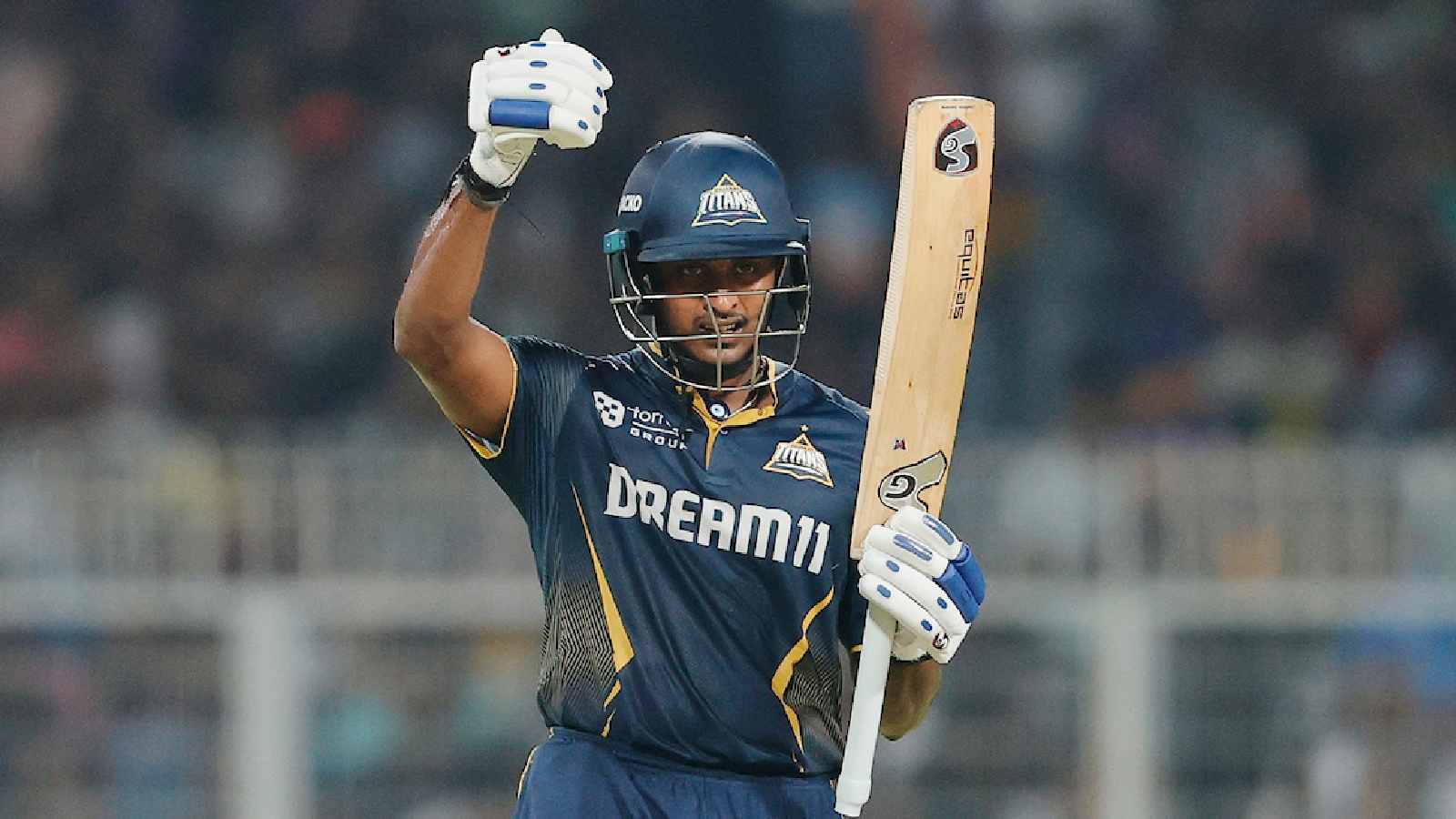
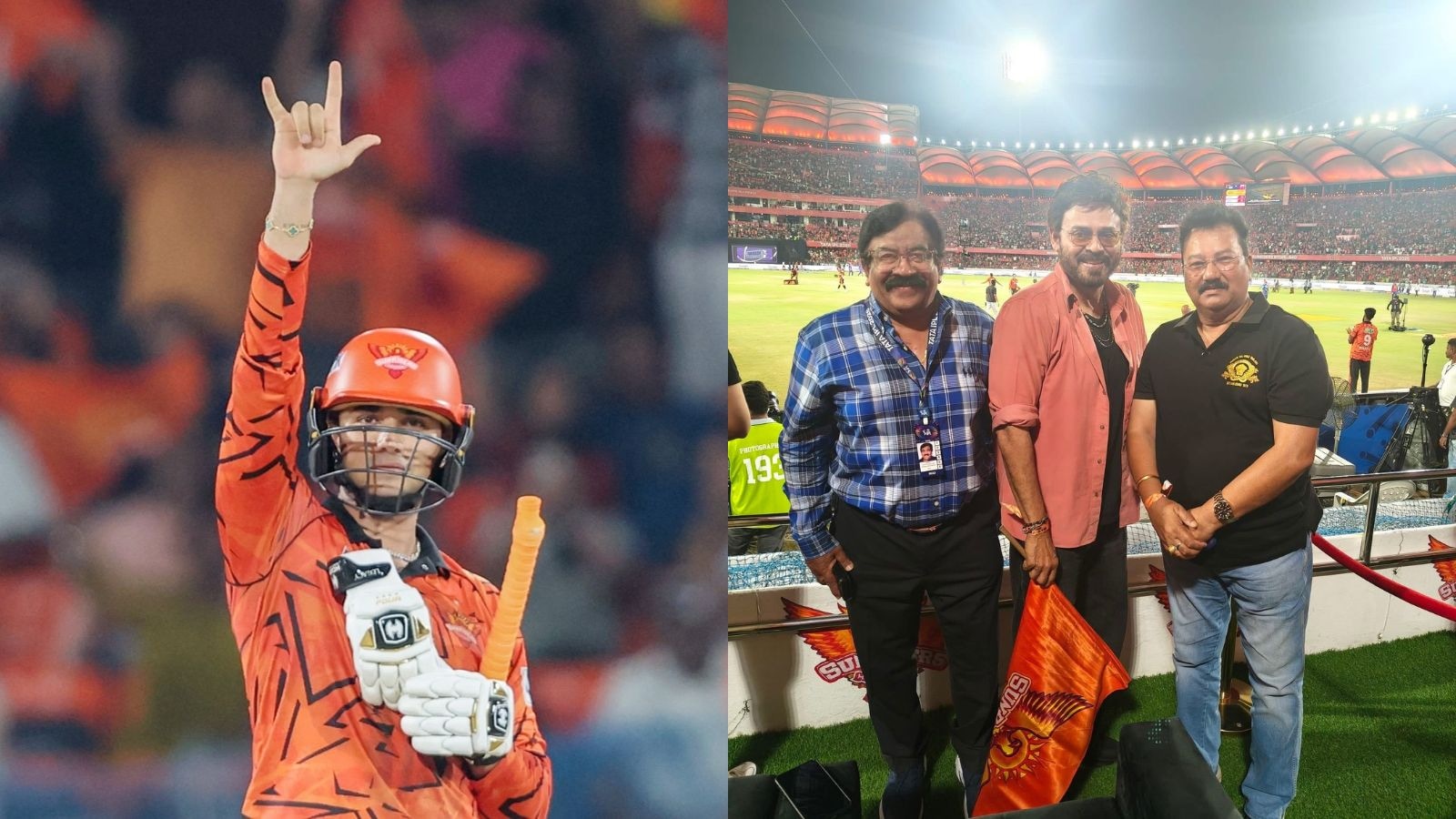
On Tuesday night, Abhishek Sharma had just hit 135 off 68 balls. The stadium in Hyderabad was still making the noise it makes after something like that. The presentation microphone was in his hand. And in that moment, with all of it around him, Abhishek Sharma thought about his father.
“I don’t know how, but since my Under-12 days, my dad has been sitting next to the screen all the time. Whenever I am at the non-striker’s end, he always tells me how to play a certain shot. It’s still going on. I want one of the cameras to go to him next time and just see his reactions.”
Raj Kumar Sharma was near the sightscreen. He is always near the sightscreen.
It started when Abhishek was playing junior cricket in Punjab. Sharma Sr would travel across the state, find the stand nearest the sightscreen, and sit. Not cheer. Sit and watch. From there he could read a bowler’s wrist. He could see the seam position shift, the change-up being loaded, the field setting into a trap. Over years, across hundreds of matches, the two of them built a language across the ground—a sign for he’s tiring, a sign for don’t play that shot now, a sign for wait.
“I would not let him play a bad shot,” he tells The Indian Express. “I would sign to him—a bowler is tiring, or trying variations, and you don’t have to play a wrong shot.”
The conversation has never stopped. Abhishek is 25, has a T20 World Cup medal, holds the highest individual T20I score for India, sits at the top of the ICC T20 rankings. They still talk across the ground in the language they made.
“Abhishek was delighted to see me at the same spot like junior days, ” Sharma Sr says of Tuesday. “And perhaps that was the reason he remained unbeaten till the last over. He wanted to show me.”
Of all the shots this IPL, one in particular stays with him. A six off Matthew Short—Abhishek creaming it so clean the ball landed outside the stadium in the match against Chennai Super Kings last week. “I liked that one,” he says.
***
Almost every IPL match, his father has been there. In early years, Sharma Sr watched his son bat down the order—at six or seven, a position that made no sense for a player of his ability.
“Abhishek nu down the order ghalde sige.” They would send Abhishek down the order. “While I did not say this to anybody, but I would tell myself—they are wasting his talent by sending him at 6-7.”
He did not say it to Abhishek. “I would only tell him: we have to work hard.” He kept travelling. He kept finding the seat by the sightscreen. He kept signalling.
In 2011, Abhishek was ten. India and Pakistan were playing a World Cup semi-final at Mohali. Sharma Sr got Abhishek a spot as a reserve ball boy. The youngster sat on the ground, close enough to watch Shoaib Akhtar running in to Sachin Tendulkar at close to 140 kph.
Sharma Sr asked his ten-year-old son: Putar tu khel layega ini tez ball?—Son, will you play such a fast ball? “He replied: ‘Yes, papa.'”
A father driving home to Amritsar afterward, turning that answer over. “I was thinking about the clarity in his mind.”
***
Last November, Sharma Sr and his wife Manju flew to Australia for Abhishek’s first T20I series there. On the metro to MCG for the second match, fans recognised them and filled the carriage with Abhishek’s name.
After the matches, Waugh, Hayden and Gilchrist told him Abhishek plays like an Australian and will break many records for India.
“What more can a father ask for?” he says. “That was the best thing we brought back from Australia.”
For the T20 World Cup final in Ahmedabad, he booked his seat near the sightscreen. Abhishek had scored 89 runs in seven innings—quiet by his standards.
He didn’t know Abhishek had been ill. His son refused to rest; when Yuvraj Singh played through cancer and won the World Cup, he could play through illness.
Sharma Sr was in the stands when Abhishek scored a fifty off eighteen balls in that final.
***
He is at Jaipur now, with Manju, for the next Sunrisers match. He excuses himself from gatherings with old friends when Abhishek goes to the nets. The coaching mind, he explains, does not switch off.
Muttiah Muralitharan, the SRH bowling coach, finds him almost daily. “Your son is the world’s number one player. Our team is incomplete without Abhishek.”
Sharma Sr does not say this makes him proud. He says: “I don’t get happy when somebody praises Abhishek. I get happy from the fact that I prepared such a player with dedication and talent that the whole world loves him.” The distinction matters to him.
A photograph sits at their Amritsar home—Raj Kumar, long-haired and young, at Headingley during his county cricket days. Next to Abhishek’s trophies.
“Abhishek has not played in England yet,” Sharma Sr says. “But I know people will applaud him too. I wish to see Abhishek score a hundred at Lord’s and help India win.”
He has already decided which stand he will sit in.
Abhishek has scored a 200 in T20 cricket before—203 not out in the DY Patil tournament. His father carries that number. “I know Abhishek can score a 200 in T20, whether it be the IPL or T20Is for India.”
He smiles. “Bus ticket sightscreen de nal di howe.” Only thing is that the ticket should be of stands near sightscreen.
Stay updated with the latest sports news across Cricket, Football, Chess, and more. Catch all the action with real-time live cricket score updates and in-depth coverage of ongoing matches.
On Tuesday night, Abhishek Sharma had just hit 135 off 68 balls. The stadium in Hyderabad was still making the noise it makes after something like that. The presentation microphone was in his hand. And in that moment, with all of it around him, Abhishek Sharma thought about his father.
“I don’t know how, but since my Under-12 days, my dad has been sitting next to the screen all the time. Whenever I am at the non-striker’s end, he always tells me how to play a certain shot. It’s still going on. I want one of the cameras to go to him next time and just see his reactions.”
Raj Kumar Sharma was near the sightscreen. He is always near the sightscreen.
It started when Abhishek was playing junior cricket in Punjab. Sharma Sr would travel across the state, find the stand nearest the sightscreen, and sit. Not cheer. Sit and watch. From there he could read a bowler’s wrist. He could see the seam position shift, the change-up being loaded, the field setting into a trap. Over years, across hundreds of matches, the two of them built a language across the ground—a sign for he’s tiring, a sign for don’t play that shot now, a sign for wait.
“I would not let him play a bad shot,” he tells The Indian Express. “I would sign to him—a bowler is tiring, or trying variations, and you don’t have to play a wrong shot.”
The conversation has never stopped. Abhishek is 25, has a T20 World Cup medal, holds the highest individual T20I score for India, sits at the top of the ICC T20 rankings. They still talk across the ground in the language they made.
“Abhishek was delighted to see me at the same spot like junior days, ” Sharma Sr says of Tuesday. “And perhaps that was the reason he remained unbeaten till the last over. He wanted to show me.”
Of all the shots this IPL, one in particular stays with him. A six off Matthew Short—Abhishek creaming it so clean the ball landed outside the stadium in the match against Chennai Super Kings last week. “I liked that one,” he says.
***
Almost every IPL match, his father has been there. In early years, Sharma Sr watched his son bat down the order—at six or seven, a position that made no sense for a player of his ability.
“Abhishek nu down the order ghalde sige.” They would send Abhishek down the order. “While I did not say this to anybody, but I would tell myself—they are wasting his talent by sending him at 6-7.”
He did not say it to Abhishek. “I would only tell him: we have to work hard.” He kept travelling. He kept finding the seat by the sightscreen. He kept signalling.
In 2011, Abhishek was ten. India and Pakistan were playing a World Cup semi-final at Mohali. Sharma Sr got Abhishek a spot as a reserve ball boy. The youngster sat on the ground, close enough to watch Shoaib Akhtar running in to Sachin Tendulkar at close to 140 kph.
Sharma Sr asked his ten-year-old son: Putar tu khel layega ini tez ball?—Son, will you play such a fast ball? “He replied: ‘Yes, papa.'”
A father driving home to Amritsar afterward, turning that answer over. “I was thinking about the clarity in his mind.”
***
Last November, Sharma Sr and his wife Manju flew to Australia for Abhishek’s first T20I series there. On the metro to MCG for the second match, fans recognised them and filled the carriage with Abhishek’s name.
After the matches, Waugh, Hayden and Gilchrist told him Abhishek plays like an Australian and will break many records for India.
“What more can a father ask for?” he says. “That was the best thing we brought back from Australia.”
For the T20 World Cup final in Ahmedabad, he booked his seat near the sightscreen. Abhishek had scored 89 runs in seven innings—quiet by his standards.
He didn’t know Abhishek had been ill. His son refused to rest; when Yuvraj Singh played through cancer and won the World Cup, he could play through illness.
Sharma Sr was in the stands when Abhishek scored a fifty off eighteen balls in that final.
***
He is at Jaipur now, with Manju, for the next Sunrisers match. He excuses himself from gatherings with old friends when Abhishek goes to the nets. The coaching mind, he explains, does not switch off.
Muttiah Muralitharan, the SRH bowling coach, finds him almost daily. “Your son is the world’s number one player. Our team is incomplete without Abhishek.”
Sharma Sr does not say this makes him proud. He says: “I don’t get happy when somebody praises Abhishek. I get happy from the fact that I prepared such a player with dedication and talent that the whole world loves him.” The distinction matters to him.
A photograph sits at their Amritsar home—Raj Kumar, long-haired and young, at Headingley during his county cricket days. Next to Abhishek’s trophies.
“Abhishek has not played in England yet,” Sharma Sr says. “But I know people will applaud him too. I wish to see Abhishek score a hundred at Lord’s and help India win.”
He has already decided which stand he will sit in.
Abhishek has scored a 200 in T20 cricket before—203 not out in the DY Patil tournament. His father carries that number. “I know Abhishek can score a 200 in T20, whether it be the IPL or T20Is for India.”
He smiles. “Bus ticket sightscreen de nal di howe.” Only thing is that the ticket should be of stands near sightscreen.