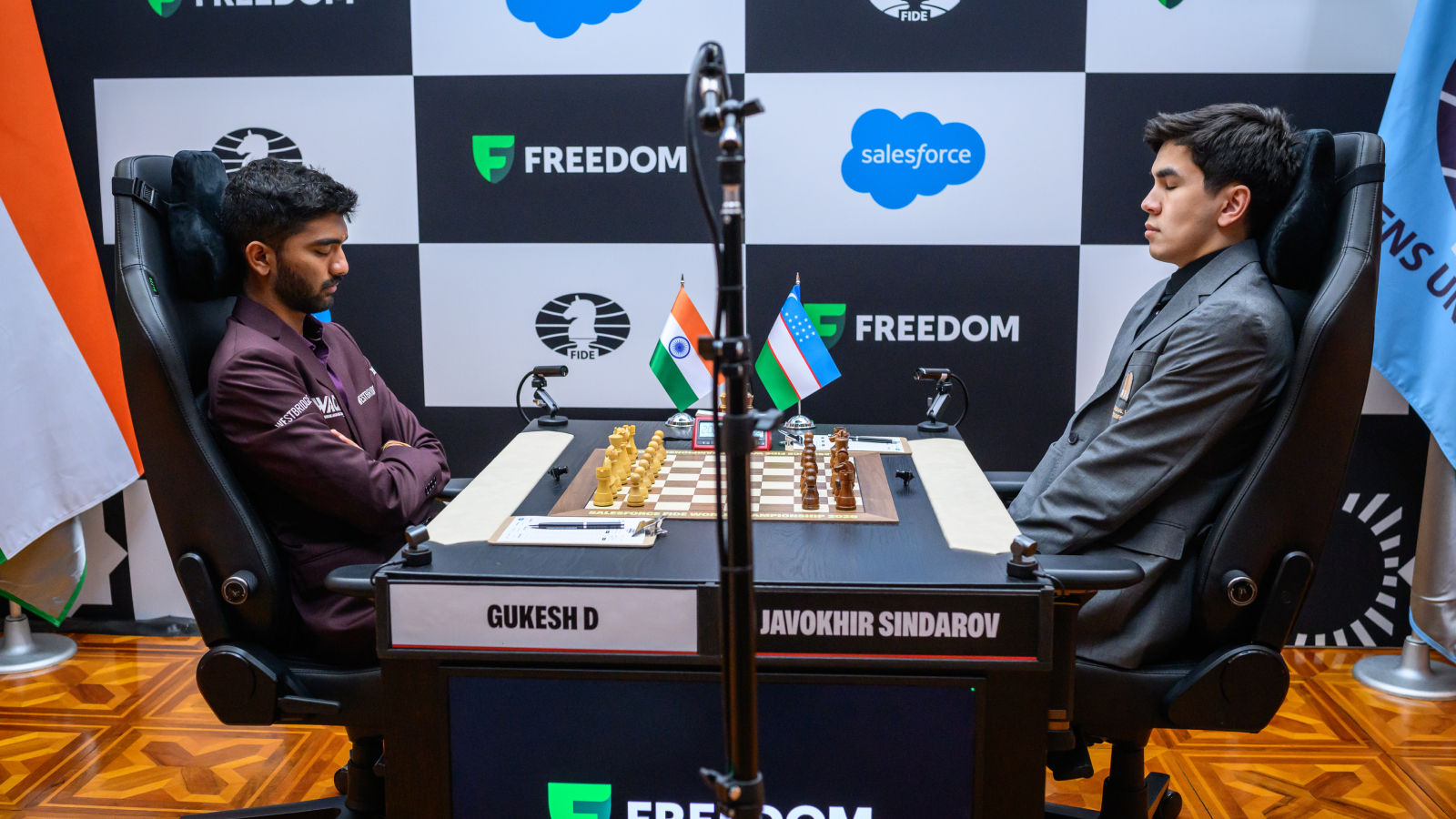


Gukesh-Sindarov play out 3rd draw in row after opening surprise from world champ
The world champion might be the happier of the two players with the sequence of results having nullified two games with black pieces, that too against a player who has been in red-hot form since winning the FIDE World Cup exactly a year ago in Goa.
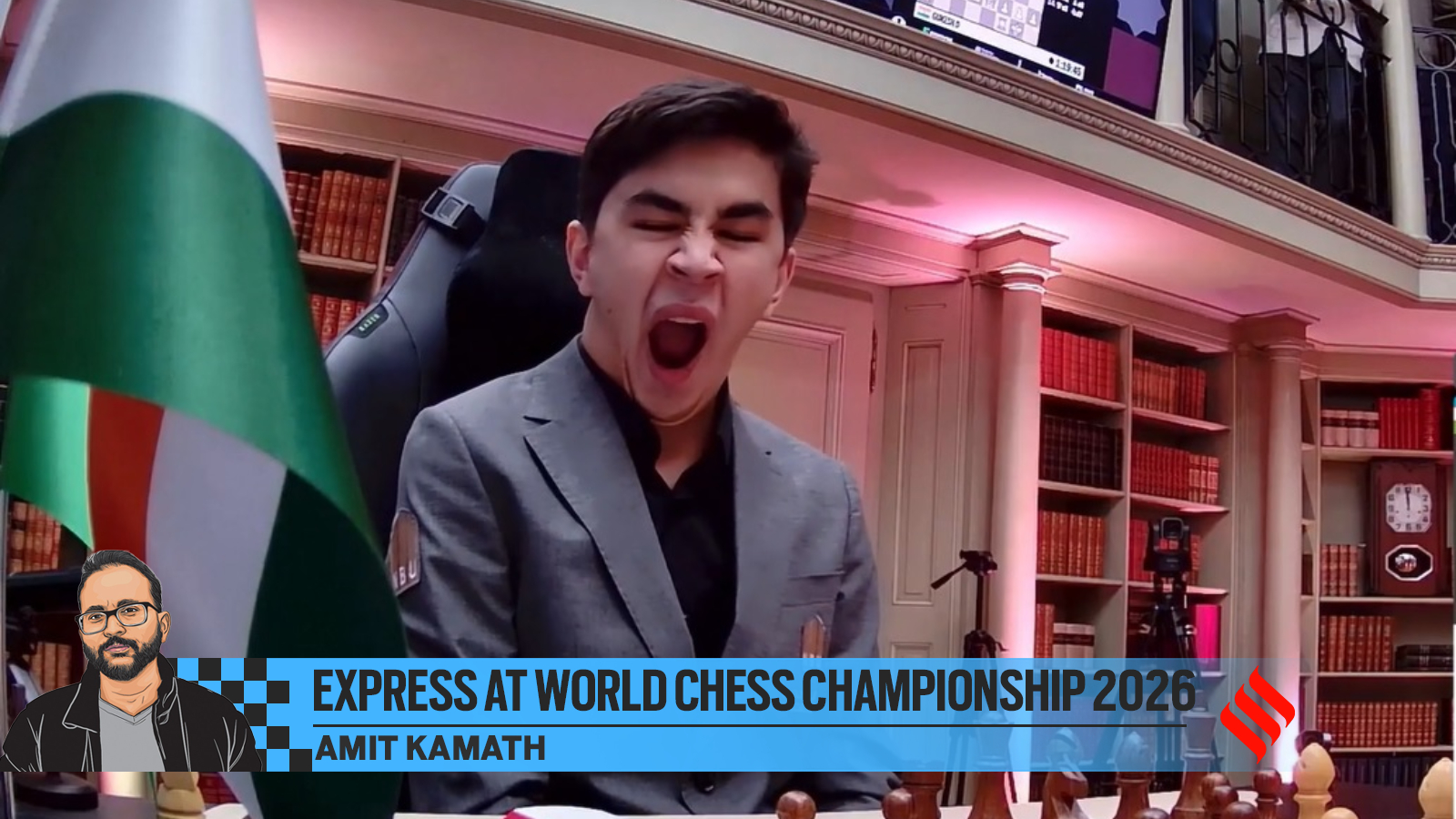
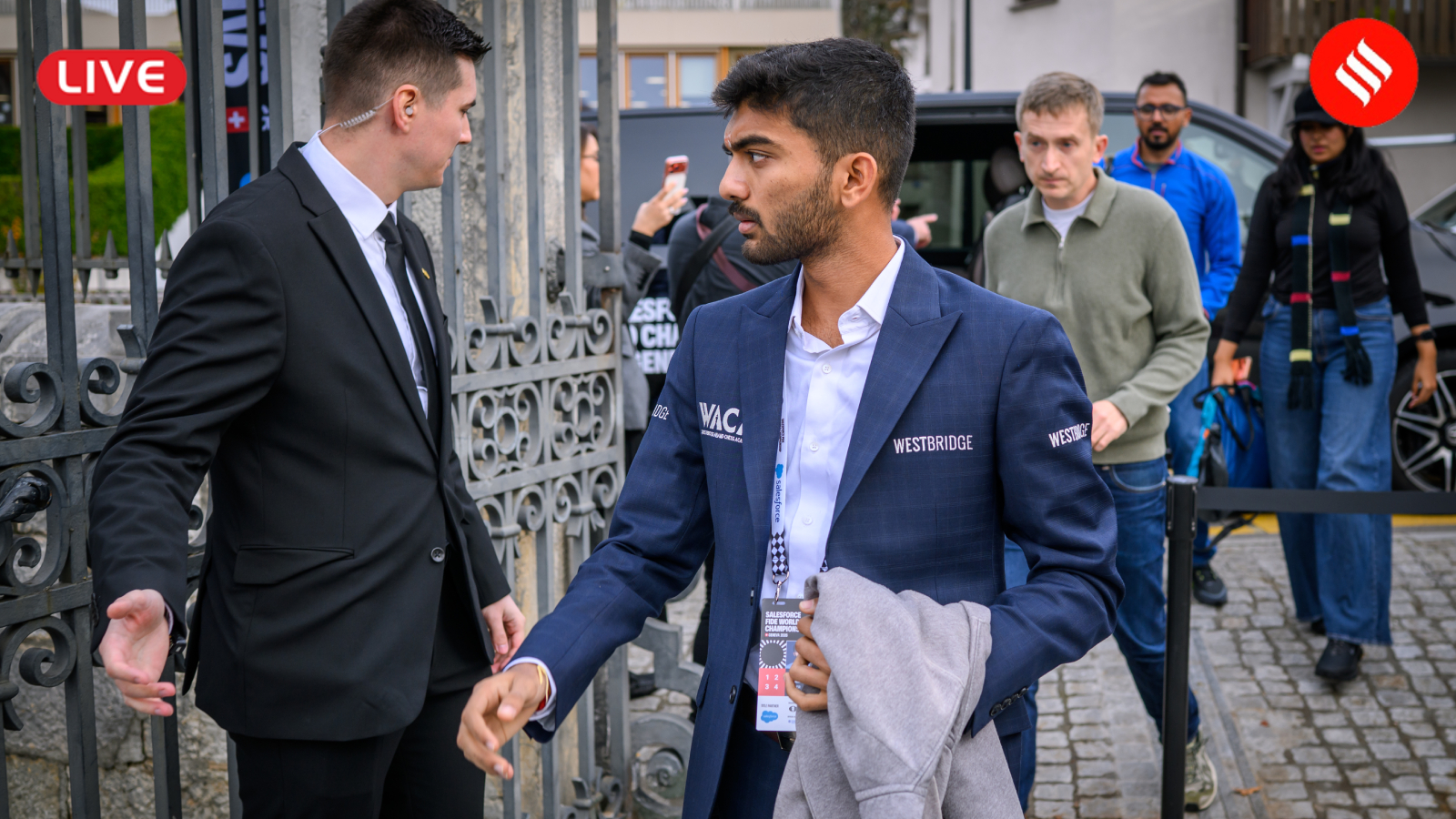
Gukesh and Javokhir Sindarov will head into the first rest day of the World Chess Championship 2026 after a long fought-out, 60-move draw in game 3 on Thursday. The world champion might be the happier of the two players with the sequence of results having nullified two games with black pieces, that too against a player who has been in red-hot form since winning the FIDE World Cup exactly a year ago in Goa.
At the post-match press conference both players were asked how much pressure the three draws put on them to be the first ones to score a point.
Sindarov, playing in his first World Championship match, shrugged off the question: “It’s a very hard question. I don’t know what to say. Really, I don’t think about this.”
Gukesh, playing in his second match, was more eloquent.
“Usually this means we are playing good chess, the quality is high,” the world champion said. “There’s always pressure in every game of the match. Three draws sounds like a big thing, but in the context of 14 games we are nowhere close to the half-way mark. It’s a long match. We both are playing good chess. We’re strong opponents so it’s not easy to win a game whenever you want to. We try to create chances and make the most out of them, but so far none of us have got really big chances.”
After Berlin and London, the 2026 World Chess Championship match took a detour via Rio de Janeiro, thanks to Gukesh playing the Rio de Janeiro line of the Berlin with black pieces. The second game had ended in a quick, 20-move draw, but right before the first rest day of the tournament, both players strapped in for the long haul. In the second game, Gukesh had seen his surprise of playing the London fizzling out. Thursday’s surprise — playing bishop to e7 — was a more potent surprise, one that forced his opponent to burn time on his clock. It led to Gukesh having more time on the clock for the first time in three games.
“There’s always things happening behind the scenes, some mind games in a world championship match. It’s a long match against the same opponent. There’s always a lot of things happening, lot of thinking, lots of trying to outsmart the other,” said Gukesh when asked about trying to get a psychological edge over his opponent with an opening surprise like Be7.
“This is the psychological part of the game,” explained chess legend Judit Polgar on the Chess.com stream after seeing Gukesh play Be7. “It’s not a very trendy move, this last one. Often it’s quite provocative, you’re asking the player with white pieces to hit the knight on e4,” said British GM David Howell to Polgar.
“This is a bit of a shocker,” gasped Peter Svidler on the FIDE commentary. “It’s extremely rare. I wonder if it’s ever been played in a World Championship match.”
Peter Leko, who was contending for the World Championship title in 2004 against Vladimir Kramnik the last time Switzerland hosted the prizefight, said he had contemplated playing the Rio line with black’s dark-squared bishop on e7 against Vladimir Kramnik in the final game 22 years ago.
“There was a rest day before the final game, and we spent the whole rest day preparing the bishop e7 surprise for Kramnik. But finally at the end of the day, I made the decision that I will not play the Rio de Janeiro line, because there was something that kept on bothering me. I thought it was a completely new thing, so we cannot risk it. I should have played it, but I simply had such incredible respect for Kramnik that I thought that even against bishop e7 he would be armed,” lamented Leko.
Leko had been ahead by a point at that stage and Kramnik had needed to win on demand. The rules at that stage dictated that if the reigning world champion — Kramnik, in this case — managed to stay level on points after 14 games, he would retain the title. After aborting the Be7 ploy, Leko had lost the final game to miss out on becoming world champion. Then, a few months later, he had seen bitterly that another player had played the same idea with black in Wijk aan Zee a few months later and taken a quick draw.
What the opening surprise from Gukesh also did was given him an edge on the clock. By the 10th move, Gukesh had a 20-minute advantage on the clock, for the first time in the three-game-old match. In the first two games, Gukesh had perpetually found himself under clock pressure. Not today. Gukesh blitzed out his first 15 moves, using barely two minutes on his clock.
By the time Sindarov made his 16th move, he had almost an hour less than the world champion. By the end, Sindarov had just over eight minutes for the final 10 moves before getting an added 30 minutes on his clock and getting increments of 30 seconds for each move.