

‘Beach Wrestling is a complement to mat wrestling, not a replacement for it’: UWW’s Pedro Silva
After a successful debut at Dakar Youth Olympics, the sport has set sight on a pie of the 2032 Brisbane Games; Pedro Silva, a UWW Bureau Member and President of its Beach Wrestling Committee, sees a great future for India in the discipline
For all its tradition, mat wrestling needs expensive entry-level investments – like a competitive ring set to the tune of Rs 3 lakh. It can prove prohibitive. Like Ed Duncan, a
UWW Beach Wrestling Committee member said, “wrestling started in the sand! And it has really never left.”
Mat wrestling continues to be popular, but the ability to move the sport outdoors and make participation possible without mats, shoes, and other expenses has opened up opportunities for beach wrestling. It will get pitched for inclusion at the 2032 Brisbane Olympics, and open doors for India’s traditional mud wrestlers.
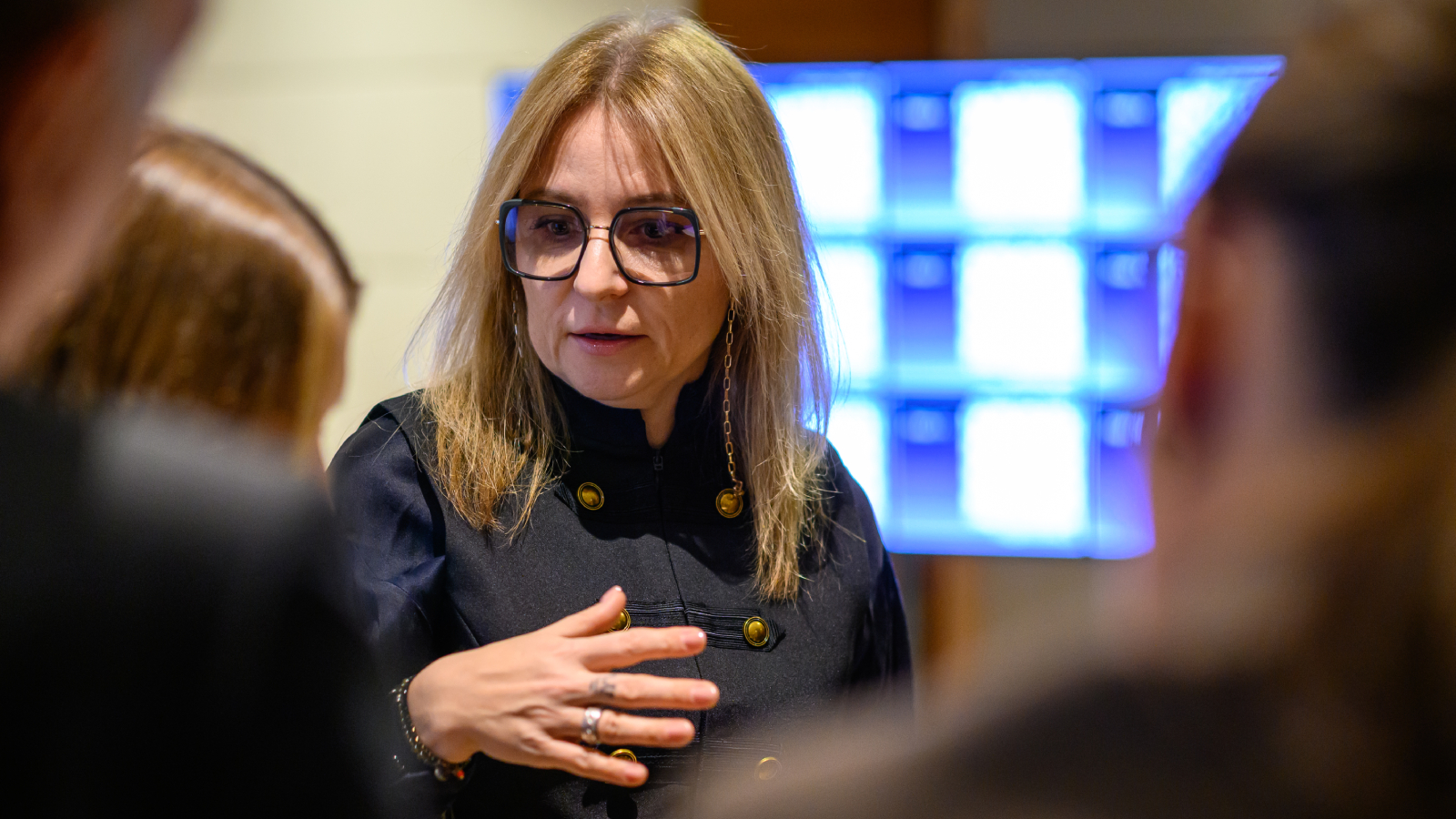
Pedro Silva, a Bureau Member of UWW and President of its Beach Wrestling Committee, helped highlight the sand version at Dakar Youth Olympics, which turned into a sleeper hit of the Games. Silva spoke to The Indian Express about what makes it a strong pitch at the Olympics.
A. Dakar went beyond our expectations. The atmosphere at Saly (beach resort area) was remarkable. We had full stands, music and families, and the sport was easy to follow from the very first bout. Elisabeth Diatta and Maguette Diop won Senegal’s first-ever Youth Olympic gold medals in front of their home crowd, in a country where wrestling is the national sport. Ndeye Diatta added a third gold the next day, making Senegal the top nation in Beach Wrestling. That was one of the defining moments of these Games.
ALSO READ | Beach wrestling, which aced social media at the Youth Olympics, to be pitched for Brisbane 2032
A. The medals were spread widely, with athletes from Senegal to Japan and from Mongolia to the Dominican Republic reaching the podium. We heard the national anthems of five different countries, from Africa, Asia, Europe, and the Americas. Young men and women competed side by side, with four weight categories each. For a discipline making its Olympic debut, we could not have asked for a stronger start.
A. It’s no secret that we want to see Beach Wrestling on the Olympic programme, and Dakar has strengthened our case considerably. The IOC has introduced a new, discipline-based approach to shaping the Olympic programme. United World Wrestling (UWW) is engaging with it fully and constructively. While I can’t comment on specifics, Beach Wrestling fits much of what the Olympic Movement is looking for in the Games of the future. It is universal and gender-equal, it appeals to young people, it costs little to stage, and it needs no permanent venue. All it needs is sand.
A. Wrestling may be the most universal sport there is. Almost every culture has its own traditional form: kushti in the akharas of India, laamb in Senegal, bökh in Mongolia, oil wrestling in Türkiye, and many more. Most of these are wrestled standing, outdoors, on soil or sand. Beach Wrestling is the natural bridge between those traditions and the Olympic Movement. The rules are simple: take your opponent down or push them out of the circle. Bouts are short, and anyone can understand the action straightaway. We saw exactly that in Dakar, where young Senegalese athletes took skills from laamb and turned them into Olympic medals.
A. We see Beach Wrestling as a complement to mat wrestling, not a replacement for it. It is an entry point for children and for new countries, and a way to bring wrestling to beaches, cities and communities that have no mats. That is why we have built a full pathway, from U15 and U17 competitions to continental beach games and our international circuit. At the Asian Beach Games earlier this year, Beach Wrestling drew more participating nations than any other sport.
India shows this potential very clearly. The tradition of kushti on soil gives young Indian wrestlers a natural foundation for the sand. We already saw it in Dakar, where Taniya reached the final in 75kg and came within a point of gold. I would very much like to see India become one of the leading Beach Wrestling nations in the years ahead.