

From ‘curse’ to crown: How Delhi teen Anahat Singh scripted Indian squash history
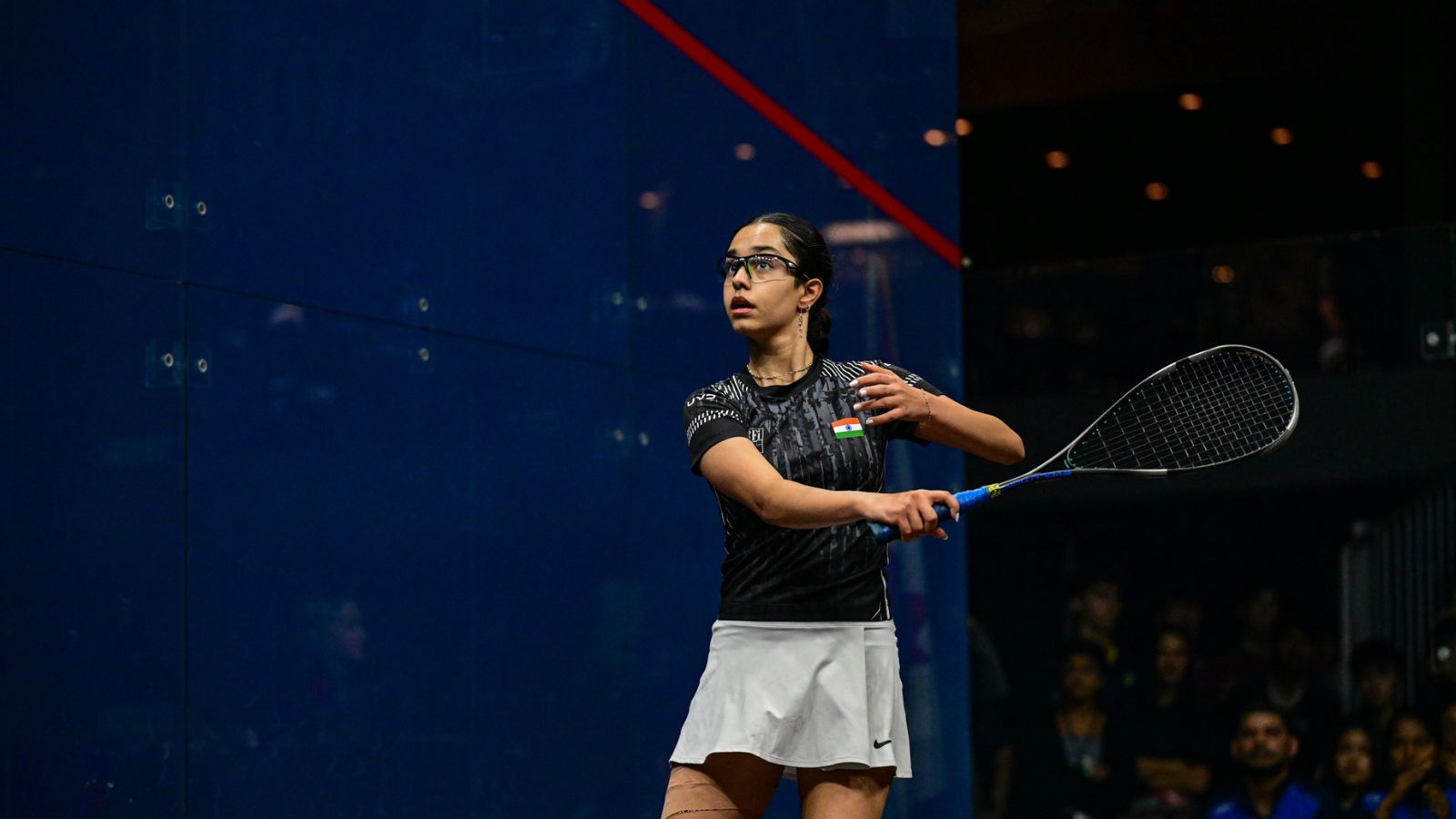
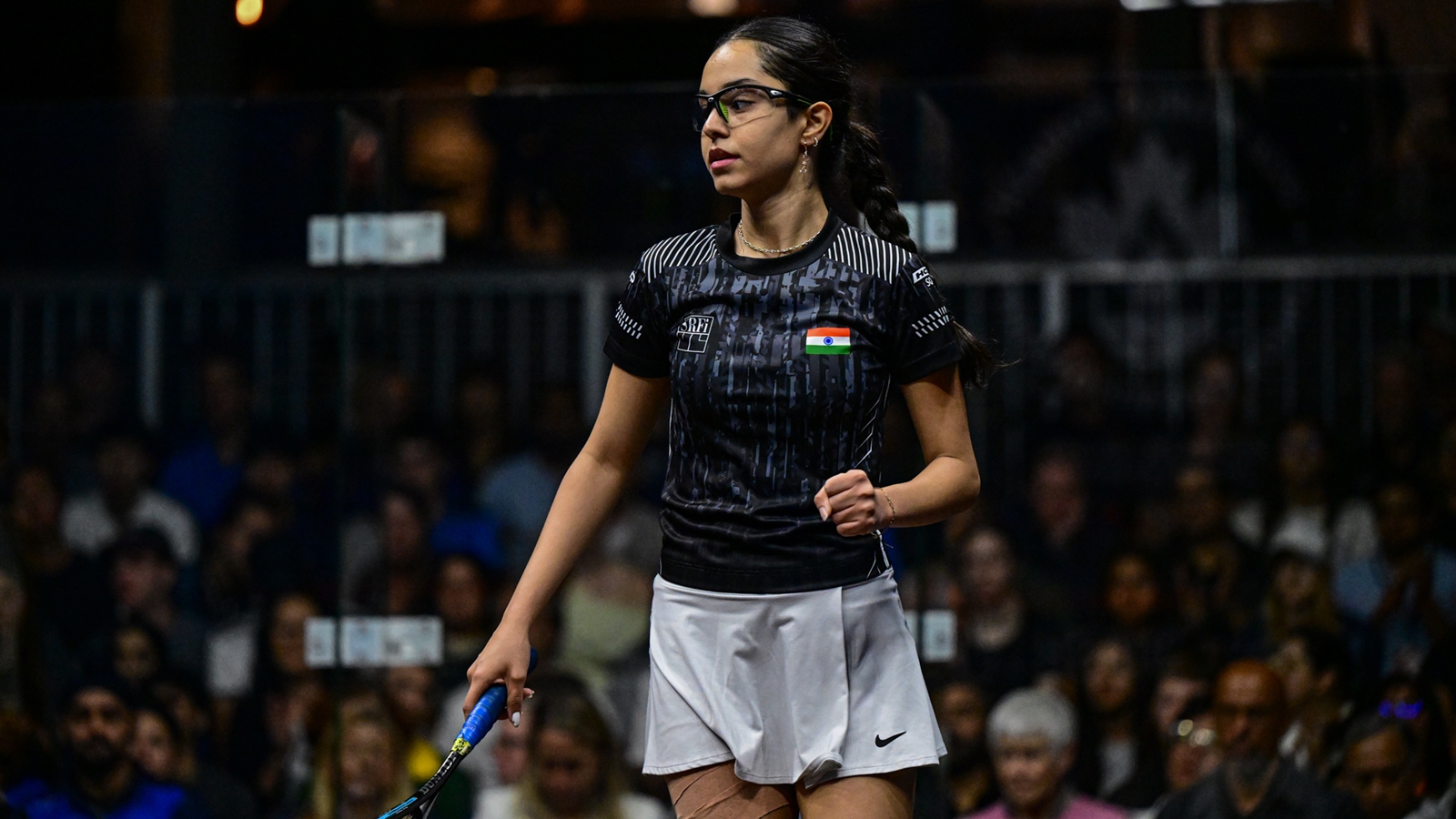
The attacking player with Indian flair and Gregorian gumption defeated Ruqaiyya Salem 11-3, 11-7, 11-9 to ensure a non-Egyptian won the World Juniors for the first time since 2011.
It was Anahat Singh’s fifth and, importantly, final chance to get it right at the World Juniors Championships in Canada.
She had four quarterfinals, one bronze, plenty of deja vu, and even a French coach to match. Gregory Gaultier had been in her tactical corner as coach, the squash legend most famous for losing four Senior World Championship finals before winning the fifth, to teach her precisely how to handle this last week.
The 18-year-old from Delhi, whose father is a lawyer and mother an interior designer, had called the World Juniors a “curse” because she kept missing the title. When she broke the curse, she became India’s first-ever world title holder among women.
On Saturday in Ontario, finally, the teen prodigy made up for all misses and ended Egypt’s run of 13 straight titles, after beating three from the squash powerhouse in the quarters, semis and finals.
The attacking player with Indian flair and Gregorian gumption defeated Ruqaiyya Salem 11-3, 11-7, 11-9 to ensure a non-Egyptian won the World Juniors for the first time since 2011. India’s last finalist was Joshana Chinappa in 2005.
“I still feel like I’m dreaming,” Anahat told World Squash. “This tournament has been the worst tournament for me. I have been losing in the semis and quarters over the last four years. I have always said, if anyone asked, ‘This tournament’s a curse’, and I have never been able to play well in the event. This is my last year [as a junior] and my only chance to win it. It means the world.”
Anahat played badminton in her early years, picked the wristy deception from there and was star-struck by her hero P V Sindhu at the last Commonwealth Games. She is also World No 20 in seniors, and had won her first Professional Squash Association title in Washington earlier. She was preparing for her exams in May. “I’m pushing through school work for exams in May,” she had said. By July, she had passed a bigger test in the glass coliseum.
Multiple title-winner and her predecessor Dipika Pallikal, just like Joshana, tried many times but always came up against the Egyptians. The powerhouse has set the benchmark in world squash for many decades, creating an incredible ecosystem — world-class coaching, fierce domestic competition and a culture where young players grow up believing they belong at the very top.
“So when you play an Egyptian, you are not just playing an individual; you are playing someone who has come through one of the toughest systems in the sport,” Dipika explained.
Breaking that stranglehold was extremely difficult because they are technically gifted, tactically smart and mentally very resilient. “Every win against them is earned. That’s why whenever someone from outside Egypt wins a major title, it’s a significant moment for world squash. So for her to beat that streak of Egyptians winning this title and get one for India is fantastic,” Dipika said.
India’s best squash brain Saurav Ghosal mentors Anahat, while Stephane Galifi runs her day-to-day training and moulded her mindset — stay attacking, but prepare for Plan B, C and D.
“Anahat is a good court mover and likes to dominate the volley,” Gaultier had said earlier, adding that the coaching team would help her identify crucial junctures when to attack Egyptians who were skilled, had no fear, and played with a certain stomp.
After wins over Lily Wilson (Australia), Pui Yin Chloe (Hong Kong) and Douce Ye San Lee (Malaysia), Anahat dropped only two sets to Egyptians Habiba Rizk and Barb Samah. But her dominance was evident in beating three on the trot from Egypt to win the title. “I’m teaching her solutions instead of dwelling on frustrations,” Gaultier, who had experienced the depths of loss, had said, reminding her, “you are doing what you love. So no complaints.”
“She’s gifted, tricky and has a great squash IQ. You can’t fast forward experience, oui?” he had said.
Dipika acknowledged the significance of India’s first title, and Anahat’s resilience.
“Titles are never just about a trophy. They represent years of discipline, sacrifice and the ability to deliver when the pressure is at its highest. Winning a title like this tells you that you are not just talented — you have learned how to handle expectations, adapt through a tournament and finish the job. That’s what separates champions from contenders. This is a huge testament to her ability to become one of the best squash players in the world. So I hope this is just the beginning,” she said.
The Indian was on song and barely realised she was trailing in the third. “I focussed on hitting the lines,” Anahat said.
Dipika, a former Top 10 herself, predicted a strong future. “Anahat has all the ingredients to establish herself among the world’s elite. She has the talent, the temperament and, importantly, the willingness to learn,” she said.
It was Anahat Singh’s fifth and, importantly, final chance to get it right at the World Juniors Championships in Canada.
She had four quarterfinals, one bronze, plenty of deja vu, and even a French coach to match. Gregory Gaultier had been in her tactical corner as coach, the squash legend most famous for losing four Senior World Championship finals before winning the fifth, to teach her precisely how to handle this last week.
The 18-year-old from Delhi, whose father is a lawyer and mother an interior designer, had called the World Juniors a “curse” because she kept missing the title. When she broke the curse, she became India’s first-ever world title holder among women.
On Saturday in Ontario, finally, the teen prodigy made up for all misses and ended Egypt’s run of 13 straight titles, after beating three from the squash powerhouse in the quarters, semis and finals.
The attacking player with Indian flair and Gregorian gumption defeated Ruqaiyya Salem 11-3, 11-7, 11-9 to ensure a non-Egyptian won the World Juniors for the first time since 2011. India’s last finalist was Joshana Chinappa in 2005.
“I still feel like I’m dreaming,” Anahat told World Squash. “This tournament has been the worst tournament for me. I have been losing in the semis and quarters over the last four years. I have always said, if anyone asked, ‘This tournament’s a curse’, and I have never been able to play well in the event. This is my last year [as a junior] and my only chance to win it. It means the world.”
Anahat played badminton in her early years, picked the wristy deception from there and was star-struck by her hero P V Sindhu at the last Commonwealth Games. She is also World No 20 in seniors, and had won her first Professional Squash Association title in Washington earlier. She was preparing for her exams in May. “I’m pushing through school work for exams in May,” she had said. By July, she had passed a bigger test in the glass coliseum.
Multiple title-winner and her predecessor Dipika Pallikal, just like Joshana, tried many times but always came up against the Egyptians. The powerhouse has set the benchmark in world squash for many decades, creating an incredible ecosystem — world-class coaching, fierce domestic competition and a culture where young players grow up believing they belong at the very top.
“So when you play an Egyptian, you are not just playing an individual; you are playing someone who has come through one of the toughest systems in the sport,” Dipika explained.
Breaking that stranglehold was extremely difficult because they are technically gifted, tactically smart and mentally very resilient. “Every win against them is earned. That’s why whenever someone from outside Egypt wins a major title, it’s a significant moment for world squash. So for her to beat that streak of Egyptians winning this title and get one for India is fantastic,” Dipika said.
India’s best squash brain Saurav Ghosal mentors Anahat, while Stephane Galifi runs her day-to-day training and moulded her mindset — stay attacking, but prepare for Plan B, C and D.
“Anahat is a good court mover and likes to dominate the volley,” Gaultier had said earlier, adding that the coaching team would help her identify crucial junctures when to attack Egyptians who were skilled, had no fear, and played with a certain stomp.
After wins over Lily Wilson (Australia), Pui Yin Chloe (Hong Kong) and Douce Ye San Lee (Malaysia), Anahat dropped only two sets to Egyptians Habiba Rizk and Barb Samah. But her dominance was evident in beating three on the trot from Egypt to win the title. “I’m teaching her solutions instead of dwelling on frustrations,” Gaultier, who had experienced the depths of loss, had said, reminding her, “you are doing what you love. So no complaints.”
“She’s gifted, tricky and has a great squash IQ. You can’t fast forward experience, oui?” he had said.
Dipika acknowledged the significance of India’s first title, and Anahat’s resilience.
“Titles are never just about a trophy. They represent years of discipline, sacrifice and the ability to deliver when the pressure is at its highest. Winning a title like this tells you that you are not just talented — you have learned how to handle expectations, adapt through a tournament and finish the job. That’s what separates champions from contenders. This is a huge testament to her ability to become one of the best squash players in the world. So I hope this is just the beginning,” she said.
The Indian was on song and barely realised she was trailing in the third. “I focussed on hitting the lines,” Anahat said.
Dipika, a former Top 10 herself, predicted a strong future. “Anahat has all the ingredients to establish herself among the world’s elite. She has the talent, the temperament and, importantly, the willingness to learn,” she said.