

Trump, Xi and an unsteady balance
The most effective hedge against uncertainty in US-China relations lies in accelerating the growth of India’s own economic strength, technological capabilities and military power
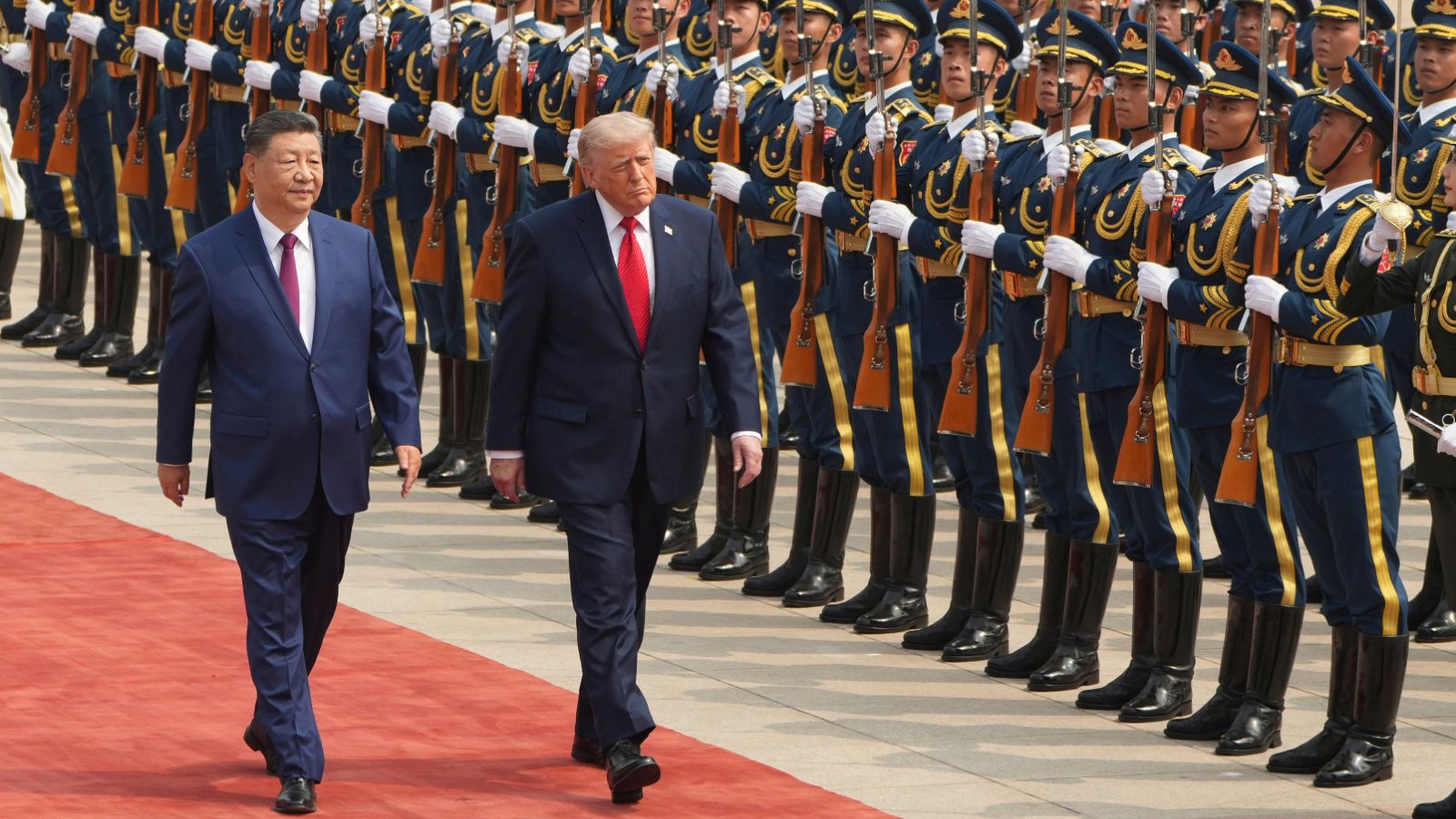
Beyond the effusive words of a fawning US President and the cold political formulations of the stolid Chinese leader at the Beijing summit, what stands out is the difficult quest to build a new equilibrium between the world’s two most consequential powers. Both sides have projected the meeting as a success. Donald Trump highlighted several commercial agreements and China’s support for reopening the Strait of Hormuz. Xi Jinping declared that the two leaders had reached a common understanding on building a framework for “constructive strategic stability”. But the relationship between Washington and Beijing is likely to remain volatile and unpredictable. The differences between the two powers are structural and enduring.
The Beijing meeting will be followed by Xi’s visit to Washington DC in September, and the two leaders are expected to meet again on the margins of multilateral gatherings later this year. The trajectory of US-China relations will remain the defining geopolitical story of 2026. The difficulty of building a stable relationship between Washington and Beijing reflects a simple fact: The balance of power between them has changed significantly. When he last visited Beijing nine years ago, Trump appeared to believe that China could be pressured into making major concessions. Today, his approach is more flexible and respectful, reflecting the reality of China’s increased economic, technological, and military strength. Xi, for his part, approaches the relationship with greater confidence. He appears convinced that the US is in relative decline and that China is now better placed to shape the terms of engagement. Beijing’s objective is to secure greater recognition of its interests and to ensure that Washington respects what China defines as its core concerns, especially on Taiwan.
Xi was blunt in warning Trump at the summit that mishandling Taiwan could lead to military conflict between the two powers. Trump, notably, avoided any public reference to the issue. That silence should not be interpreted as evidence that Washington has abandoned strategic competition with China or accepted Beijing’s primacy in Asia. Nor is Xi likely to be swayed by Trump’s flattery. Chinese leaders have long assumed that competition with the US will remain a durable feature of the international system. For Asia, and for India in particular, the challenge is to recognise that the US-China relationship will continue to combine elements of rivalry and selective cooperation. The most effective hedge against uncertainty in US-China relations lies in accelerating the growth of India’s own economic strength, technological capabilities and military power. In a world shaped by the fluctuating balance between Washington and Beijing, India’s strategic autonomy will rest less on what others do and more on what it is able to build at home.