

PM underlines severity of energy shock, frames India’s challenge
Till now retail prices of petrol and diesel have remained unchanged, with oil companies and the government absorbing the shock. But there are limits to their ability to soak up the losses
Prime Minister Narendra Modi’s appeal to the people, to cut back on the consumption of petroleum products and conserve foreign exchange, underlines the severity of the energy supply shock for the Indian economy. India is now far removed from its recent Goldilocks phase, buffeted by high energy prices and continuing disruptions in supplies, the exit of foreign portfolio investors and a falling currency. PM Modi’s plea, asking people to use public transport and electric vehicles, avoid purchasing gold, and postpone travel abroad, is directed towards curbing the demand for energy, gold and forex. To put this in perspective — in 2025-26, India’s imports of petroleum, crude and products stood at $173 billion and gold imports were at $71.9 billion, while the rupee is now around 95.2 against the dollar. Alongside, the invocation of Covid-era measures such as work from home and virtual meetings — to prevent the spread of the virus then, to reduce fuel consumption now — underscores the gravity of the situation.
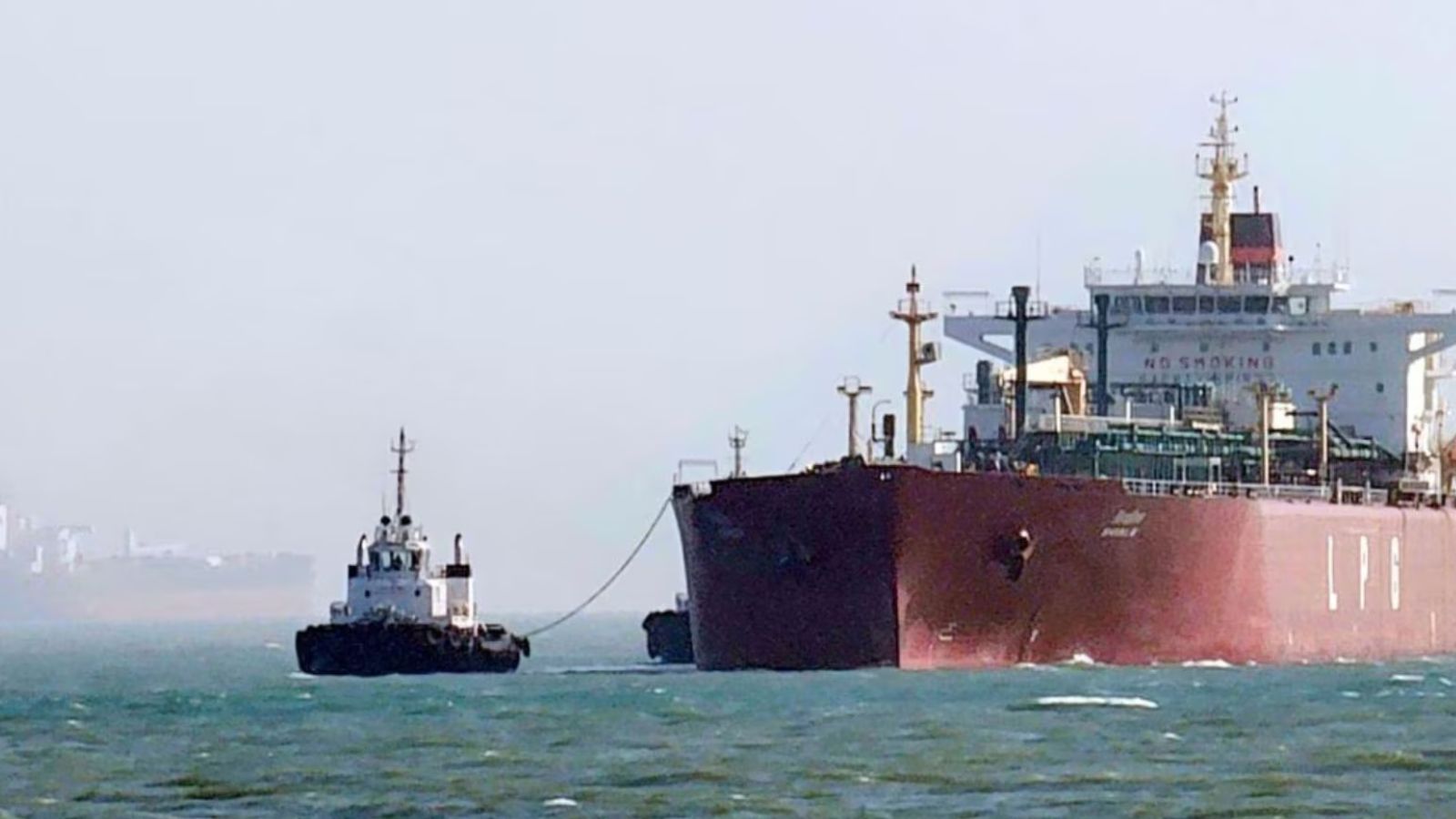
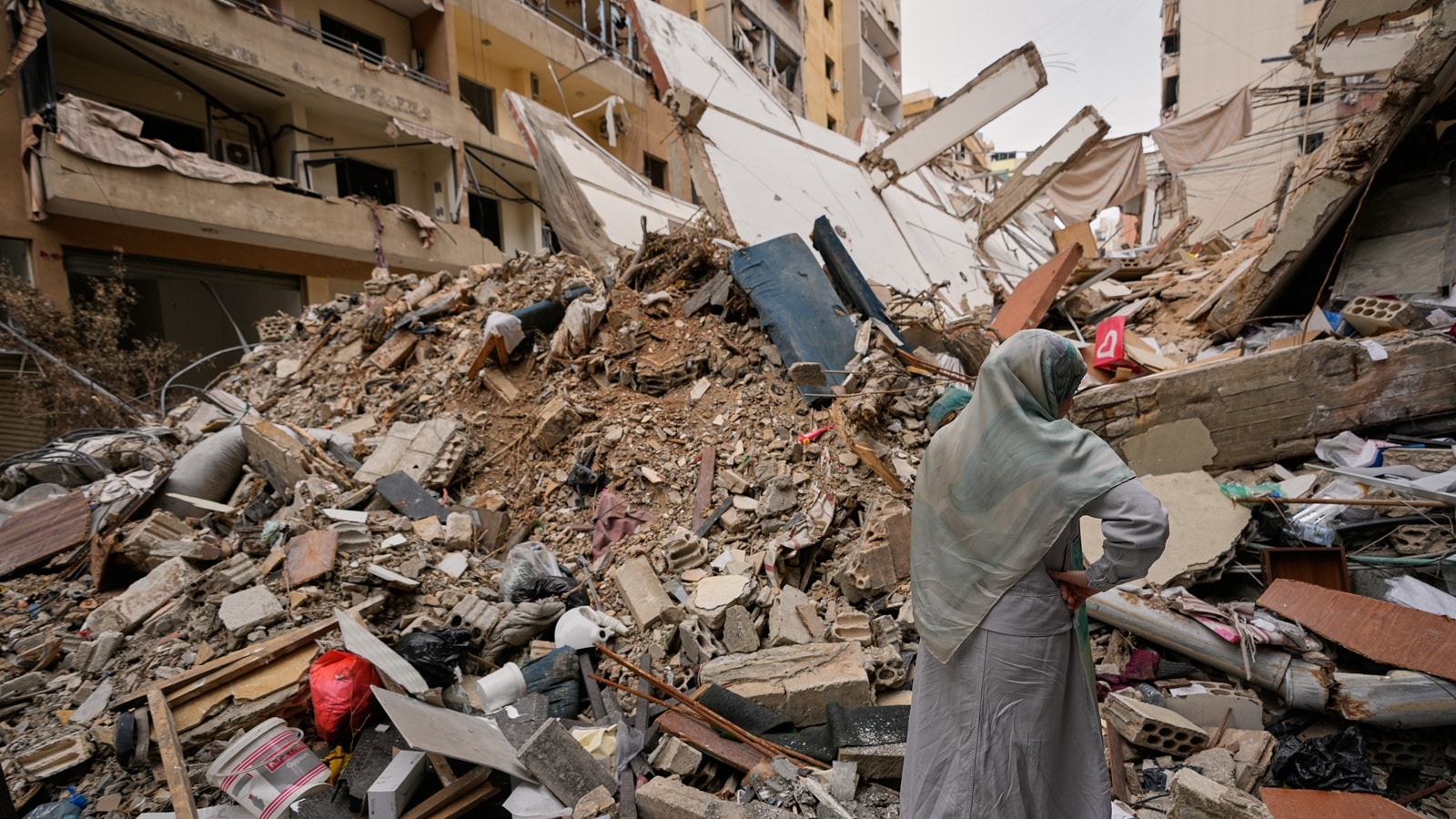
The Iran war has disrupted energy supplies the world over. Countries have responded by raising energy prices and a combination of measures designed to limit demand. For instance, Asian economies like South Korea, Indonesia and Bangladesh have imposed fuel restrictions in order to curtail domestic consumption. In the US, gas prices are inching upwards, touching $4.52 a gallon, up from $3.135 a year ago. In Europe, the average price (Euro-super 95) is reported to have increased from €1.64 to €1.83 per litre between February 23 and April 20, with a marked variation across countries. Fuel prices have also been raised in countries like the UAE.
Over the last few months, the Indian government has taken steps to shield consumers. For instance, it prioritised gas supply to domestic consumers, while cutting back supply to commercial and industrial users. It raised export levies on diesel and aviation fuel to ensure supplies in the domestic market. Indian refiners have also raised their LPG production — in March, LPG production was up 30.8 per cent as per S&P Global. However, till now retail prices of petrol and diesel have remained unchanged, with oil companies and the government absorbing the shock. But there are limits to their ability to soak up the losses — the under-recoveries of Indian Oil, Bharat Petroleum and Hindustan Petrol are estimated to be Rs 30,000 crore per month on petrol, diesel and cooking oil. The process of internal price adjustments must begin. Prices at the pump should reflect the global reality.