

NFHS-VI calls for a nutrition rethink
Government nutrition programmes have tried to provide a corrective. However, these have focused excessively on supply-side interventions without adequately appreciating how the family, especially mothers, influences children's food intake
For close to two decades now, a pattern has been evident in the health profile of Indians. The government’s interventions have succeeded, to some extent, in reducing the toll of several communicable diseases. However, lifestyle-related diseases impair the quality of life of a large section of the country’s population. The National Family Health Survey VI, released at the end of last week, flags the alarming proportions taken by diabetes in the country — one in six Indians reported high sugar levels. The challenges posed by the disease are complicated by the increasing obesity rate. Close to 30 per cent of Indians are obese according to the Survey. The two conditions combine to create a vicious metabolic cycle, increasing the risk of hypertension, cardiovascular diseases, kidney and pancreatic disorders, and even cancers.
Many developing countries have experienced a similar epidemiological shift as incomes rose, urbanisation accelerated, and lifestyles changed. But India’s problem is complicated by the fact that the older challenge of malnutrition has not been completely addressed. The Survey shows that the country is undergoing a double disease burden. Government initiatives have led to substantial improvement in child nutrition. However, more than 31 per cent of children are still underweight. NFHS-VI reveals that more than 80 per cent of infants, between six and 23 months, do not receive an adequate diet. At the same time, childhood obesity is a growing trend in the country.
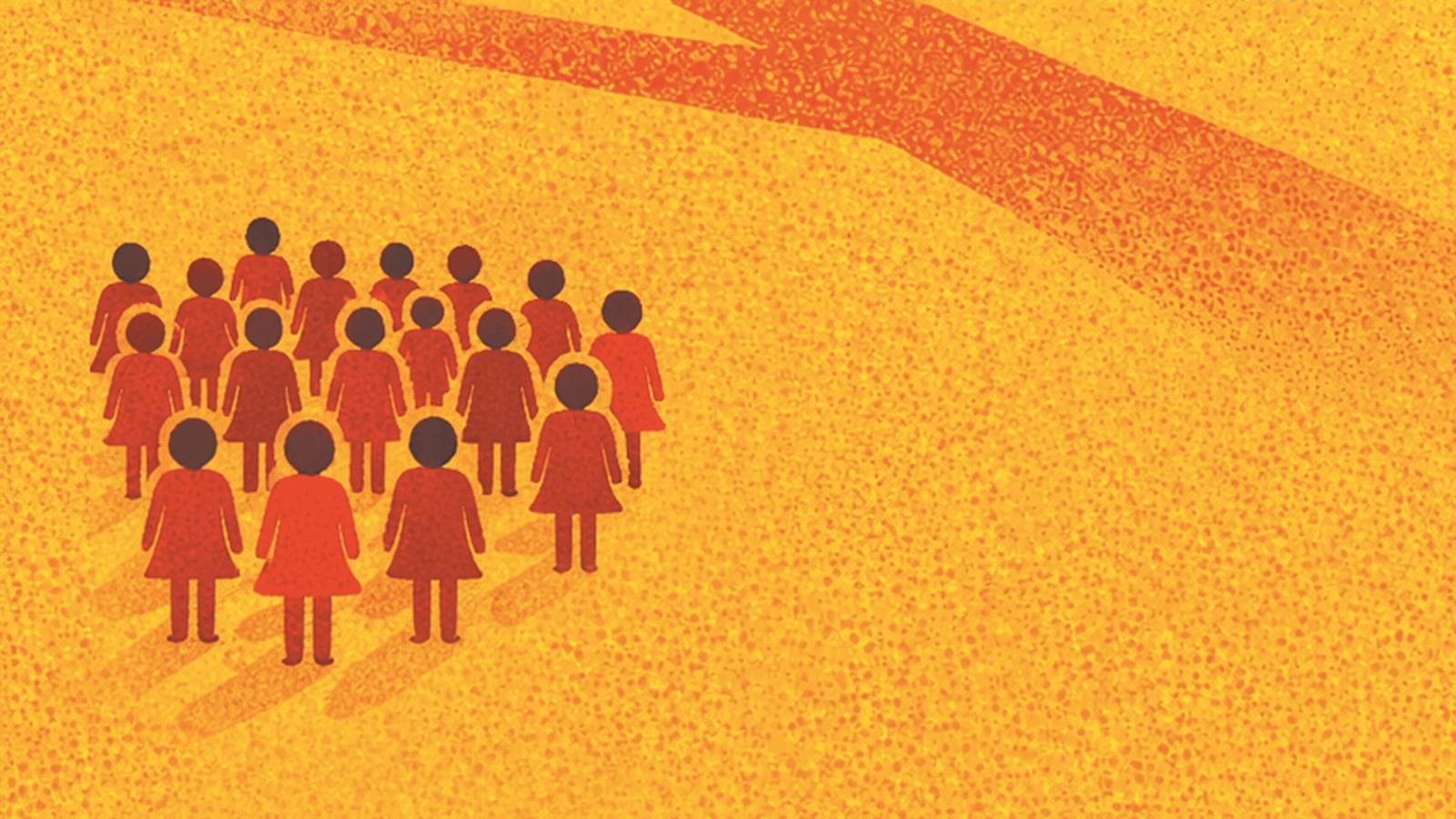
Several Asian economies adopted a sequential approach to tackling the double-disease burden — addressing undernutrition first, and then managing obesity and metabolic disease. In India, however, a combination of government policies and people’s choices has led to a prioritisation of calorie intake at the cost of nutritional diversity. Diets have shifted away from coarse grains, pulses and fibre-rich meals towards refined carbohydrates and processed foods. At the same time, children in marginalised communities lack access to diverse diets. The Comprehensive Nutritional Survey, released last year, showed that close to 35 per cent of children have adult-level triglycerides that predispose them to metabolic and cardiovascular diseases. Government nutrition programmes have tried to provide a corrective. However, these have focused excessively on supply-side interventions without adequately appreciating how the family, especially mothers, influences children’s food intake. In the coming weeks and months, the NFHS data will become more granular. That should push the government towards fine-tuning policies and programmes to reduce India’s disease burden.