

A recurring, preventable tragedy in Lucknow
It’s high time policymakers realised the loss of lives also takes a high toll in terms of eroding the credibility of the country’s institutions.
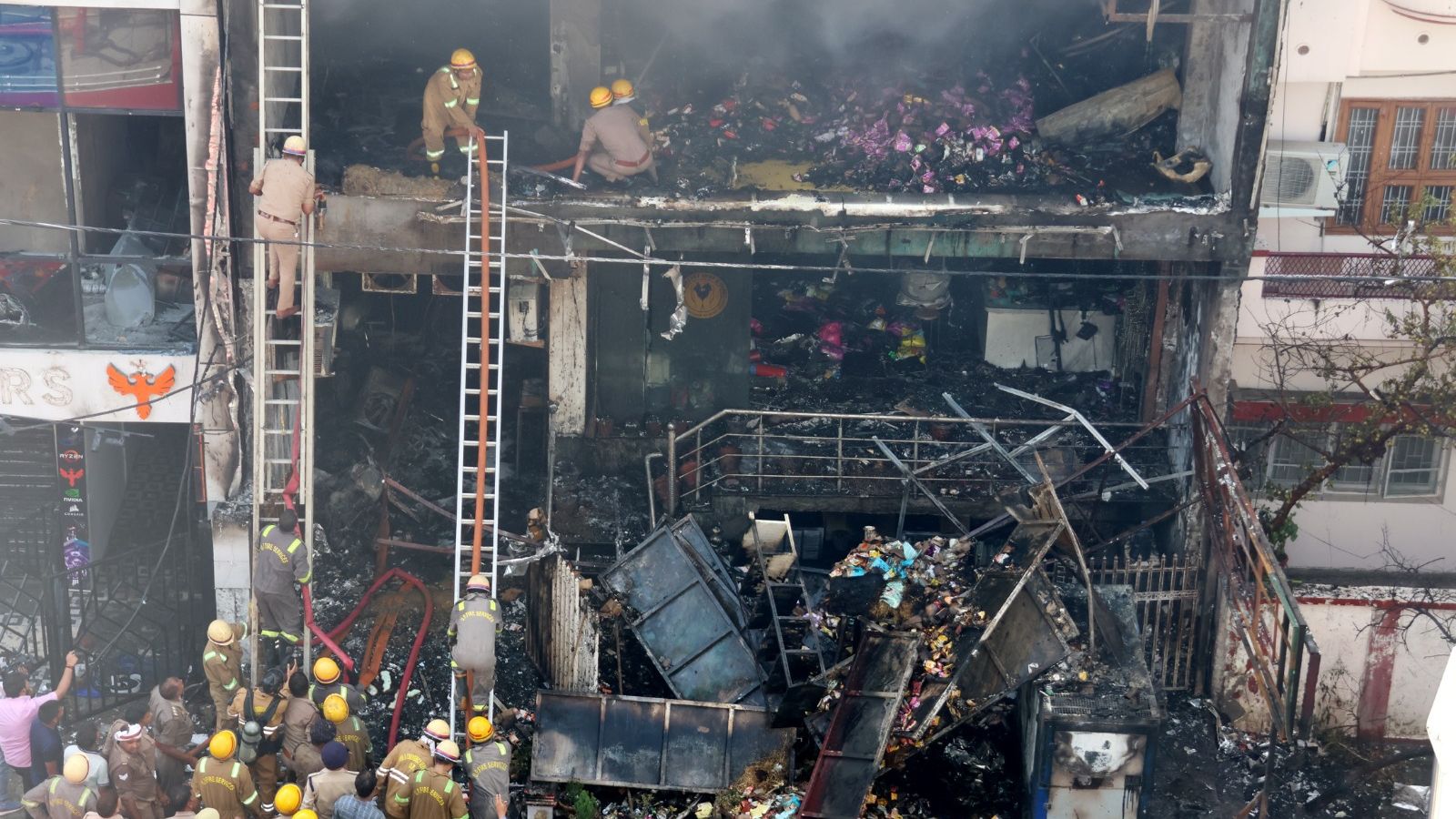
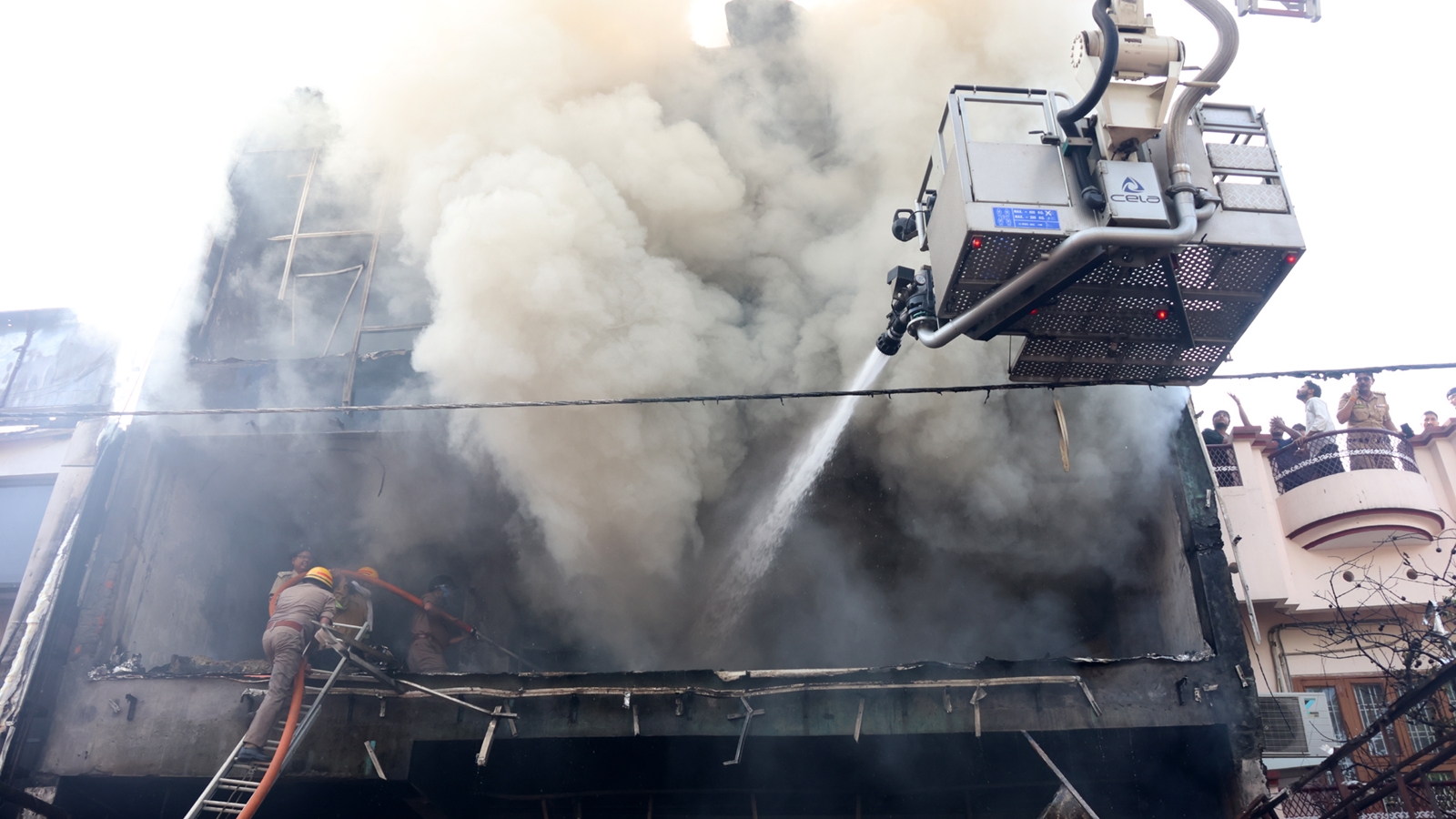
A narrow staircase, which was the sole exit, no emergency doors and scarcely any ventilation in any of the halls or rooms — the details that are emerging about the three-storey building that went up in flames in Lucknow, on Monday, killing at least 15 people, seem strikingly similar to the lapses in hostels, coaching centres, hospitals and business centres that were the sites of recent fire outbreaks. The Uttar Pradesh government has announced a probe into the illegalities. The building’s regulatory history and compliance status have come into focus after the fire, and enforcement actions by local authorities are reportedly being scrutinised. The abdications and failures responsible for the incident should, of course, be identified and the guilty held to account. But the recurring tragedies call for a deeper and more meaningful engagement with the reasons that turn buildings in urban neighbourhoods into tinderboxes.
The Bureau of Indian Standards’ National Building Code, which came into effect 10 years ago, has comprehensive fire-safety guidelines. Several state governments, including UP, have incorporated these provisions into their building codes. The state also has a Fire and Emergency Services Act, which mandates swift action after an outbreak. But in the face of administrative laxity and irregular inspections, even the most robust protocols remain on paper. The Lucknow Development Authority (LDA) and the city’s Fire Services and Power departments were responsible for auditing the safety of the building that caught fire on Monday. The fragmentation of jurisdictions has played a role in stalling action against the errant owners. These lapses are not very different from the failures that came to light in Delhi earlier this month, when 21 people died after a blaze in a bed-and-breakfast in Malviya Nagar. And, like in the case of several other outbreaks, including at a recreation centre in Rajkot two years ago, precious time was wasted in Lucknow because the building’s design impeded rescue operations.
The country’s cities are destinations for millions of job and education seekers. Many property owners compromise on safety to cash in on commercial opportunities from such migration. It’s high time policymakers realised the loss of lives also takes a high toll in terms of eroding the credibility of the country’s institutions. A nation aspiring to be an economic powerhouse cannot allow its cities to become sites of recurring and preventable tragedies.