

In Uttar Pradesh, don’t paint workers’ protest as conspiracy
Be it for workers, students, or civil society activists, the right to free speech and expression, including the right to protest, is guaranteed by the Constitution. When laws that restrict these rights are used wantonly, without what the Allahabad HC called “application of mind”, they have a chilling effect on freedoms.
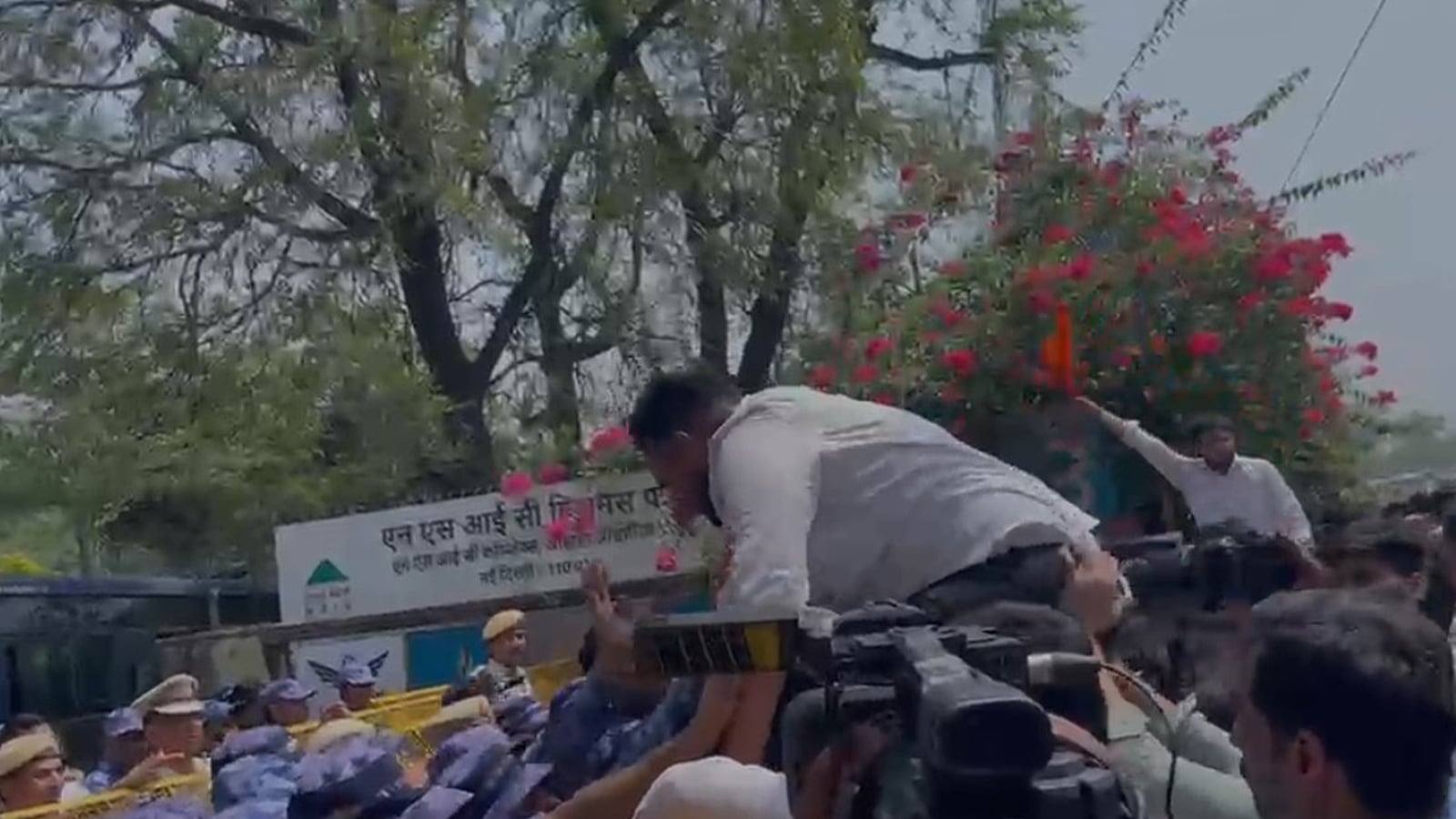
In the aftermath of the workers’ protests in Noida and other parts of Uttar Pradesh last month, the state government’s response has unfolded in two contradictory ways. Chief Minister Yogi Adityanath urged that workers’ dignity be respected, and that “fair wages must be ensured”. A high-level committee was set up, and the Noida police announced a dedicated industrial cell to facilitate dialogue between industry, labour unions and workers. The immediate hike in minimum wages showed that the protests were a way to be heard and that the government could listen. Unfortunately, however, the protests have also invited a heavy-handed crackdown by the state.
At least 60 people are in jail for their alleged role in the violence that occurred at some places during the protests. The UP Police have invoked the stringent National Security Act against a 25-year-old former Delhi University student and an ex-journalist for “inciting violence”. Of course, violence must be investigated, and the guilty punished. But laws like the NSA — which shift the burden of proof onto the accused and make bail the exception, not the rule, inverting the principle underlined by the Supreme Court — must be used in the rarest of rare cases. The political framing of the protests is also disturbing: CM Adityanath linked them to a “larger conspiracy” to “revive Naxalism”, and the police have brought charges of criminal conspiracy against several accused. For many, the long judicial process will become the punishment.
The NSA has been used as a blunt instrument in UP: It has been deployed in cases of alleged cow slaughter, invoked against those allegedly helping students cheat in exams and those accused of selling fake fertiliser. An investigation by this newspaper in 2021 showed how the Allahabad High Court quashed a majority of the detentions under the law, and flagged its overuse by district magistrates. Often, charges under the NSA are framed seemingly to extend custody. Be it for workers, students, or civil society activists, the right to free speech and expression, including the right to protest, is guaranteed by the Constitution. When laws that restrict these rights are used wantonly, without what the Allahabad HC called “application of mind”, they have a chilling effect on freedoms. A state government that seeks to promote industrial growth must be mindful of the message it sends to workers.