

In Manipur, pull back from edge, build trust
The return of an elected government led by Yumnam Khemchand Singh in February had raised cautious hopes of rapprochement in a state exhausted by prolonged conflict.
After months of brittle calm, Manipur could once again be on the edge. The immediate provocation — the ambush and killing of three Kuki church leaders travelling back to the Kuki-Zo majority Kangpokpi district — has degenerated into a broader atmosphere of fear. There have been retaliatory abductions, disappearances and mounting tensions between Kuki and Tangkhul Naga communities across the hill districts. In a state mired in ethnic conflict for the last three years, and burdened by layers of historical grievance, incidents such as these could turn into communal flashpoints.
The present crisis, that began in Ukhrul earlier this year, however, cannot be understood through the lens of the violence between the state’s Meiteis and Kukis that has riven Manipur since May 2023. It can be traced back, instead, to the older, more serrated Naga-Kuki fault line, shaped by decades of territorial contestation, insurgent rivalry and competing visions of political belonging. The Nagas remain among the Northeast’s most politically influential communities, with powerful tribal bodies, longstanding armed networks, and aspirations tied not merely to demands of autonomy within Manipur, but to a wider Naga political settlement that transcends state boundaries. Instability in the hill districts, therefore, echoes far beyond Manipur, intersecting with unresolved questions of autonomy, territory and ethnic representation. The Kukis, meanwhile, carry their own histories of displacement and grievance. In an already militarised landscape, where weapons continue to circulate freely and trust in state authority has eroded sharply, these unresolved antagonisms threaten to pull Manipur back into another cycle of violence.
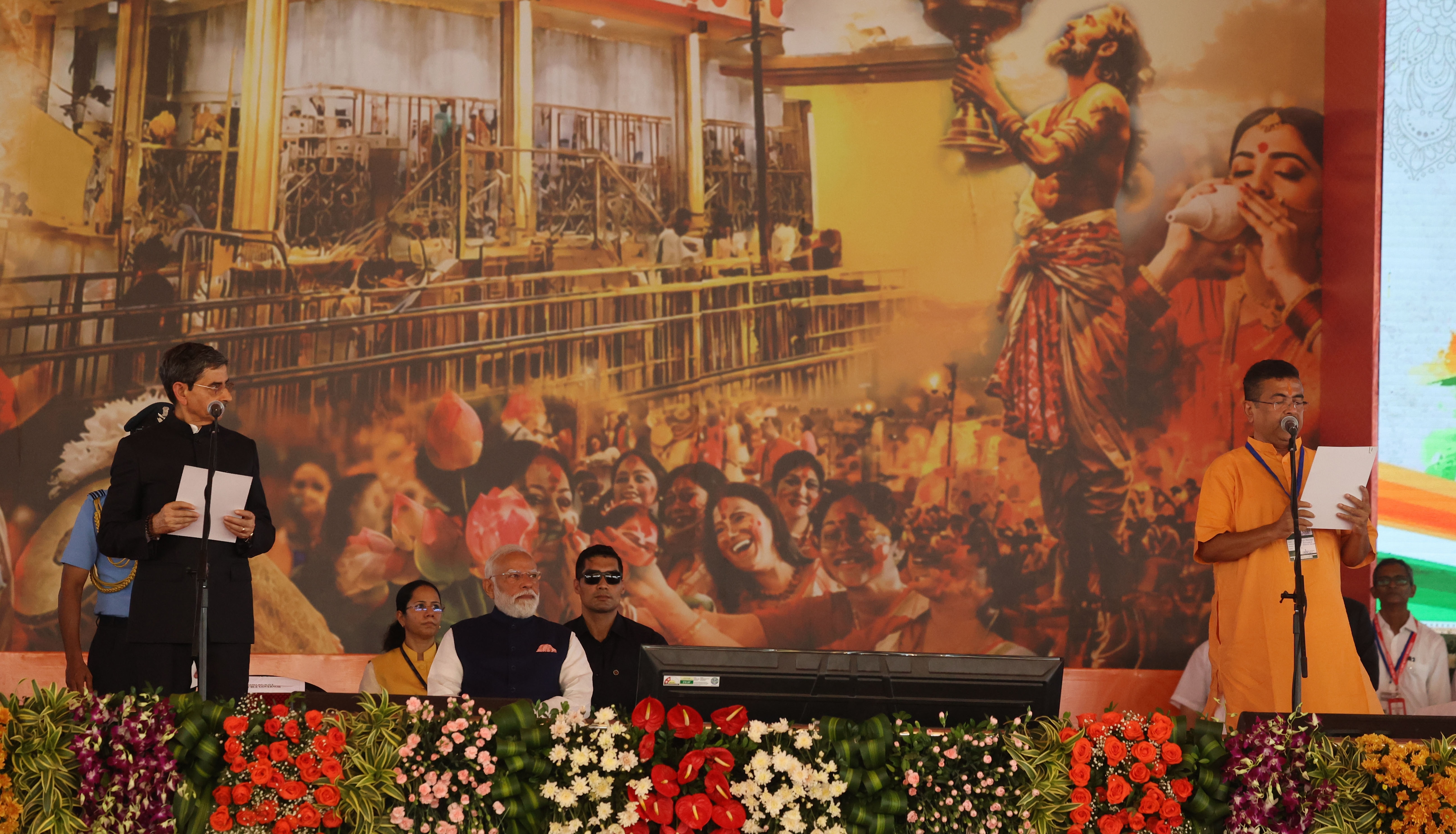
The return of an elected government led by Yumnam Khemchand Singh in February had raised cautious hopes of rapprochement in a state exhausted by prolonged conflict. Presented as a conciliatory figure capable of balancing Meitei, Kuki and Naga interests, Singh cannot afford to fall back on the political equivocations of his predecessor. His inclusion of both Kuki and Naga deputy chief ministers offers an opening, but representation alone cannot substitute for trust. His government must move beyond reactive measures towards sustained political mediation: Securing the unconditional release of hostages, guaranteeing safe movement across districts, prosecuting the guilty and establishing credible inter-community dialogue mechanisms. This moment must be decisively defused, too much is at stake.