

In Britain, Churchill out, badger in
The Bank of England’s proposed shift from historical figures to wildlife in their next series of banknotes has been framed as a design refresh which can also be read as a cultural recalibration
There is something apt about the suggestion that a badger might displace Winston Churchill from Britain’s banknotes. The Bank of England’s proposed shift from historical figures to wildlife in its next series of banknotes has been framed as a design refresh, a nod to biodiversity, a modernisation exercise against the threat of counterfeiting. Yet, it can also be read as a cultural recalibration. For decades, banknotes have elevated a series of eminent figures into a gallery of saints. But the selection has not been without criticism: Non-inclusion of racial or ethnic minorities and a conspicuous absence of women — Queen Elizabeth II and Jane Austen notwithstanding — have raised questions about the narrowness of the pantheon. What the presence of a kingfisher or a badger might force is a reckoning with all that is lost through a myopic engagement with history.
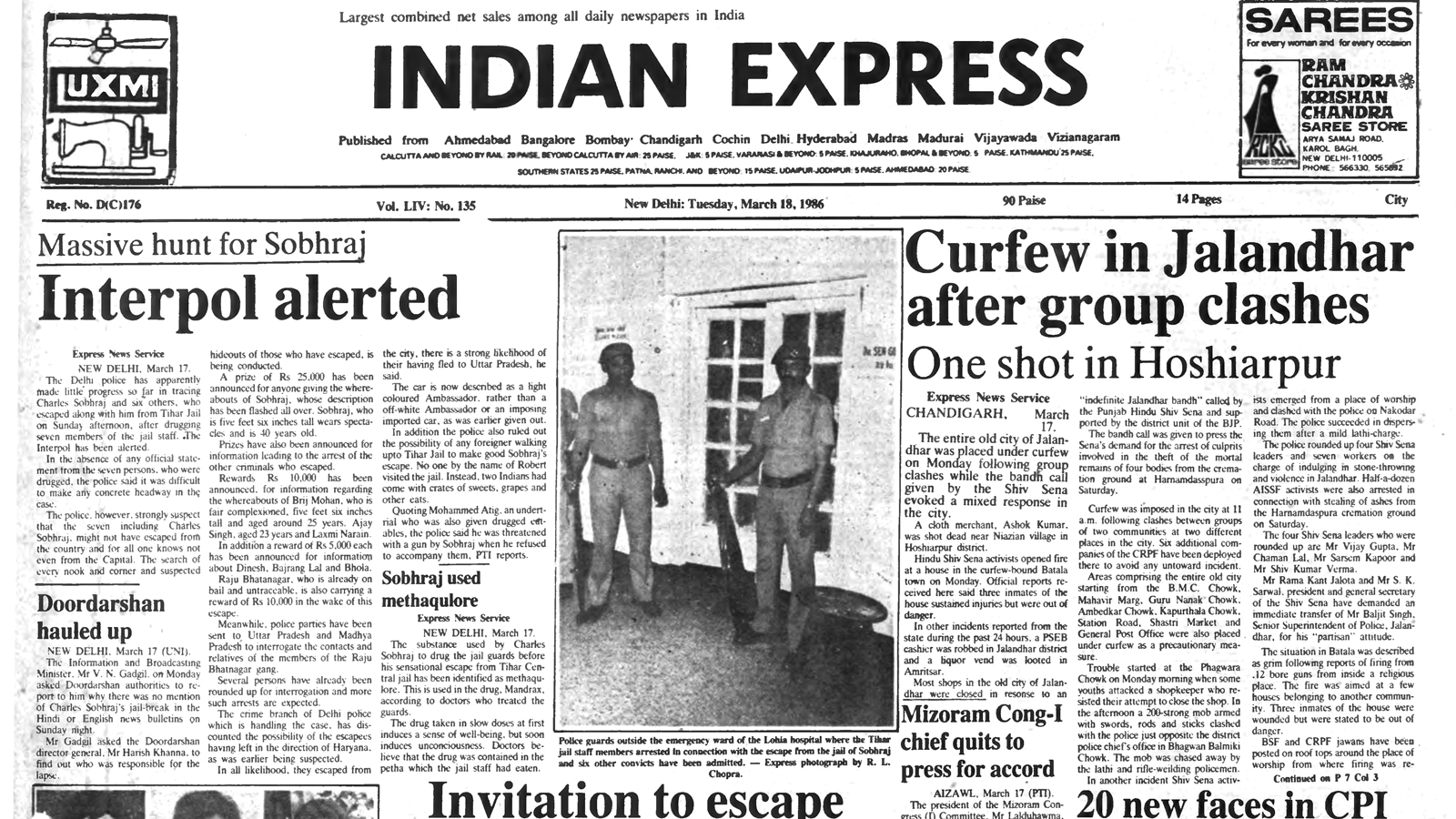
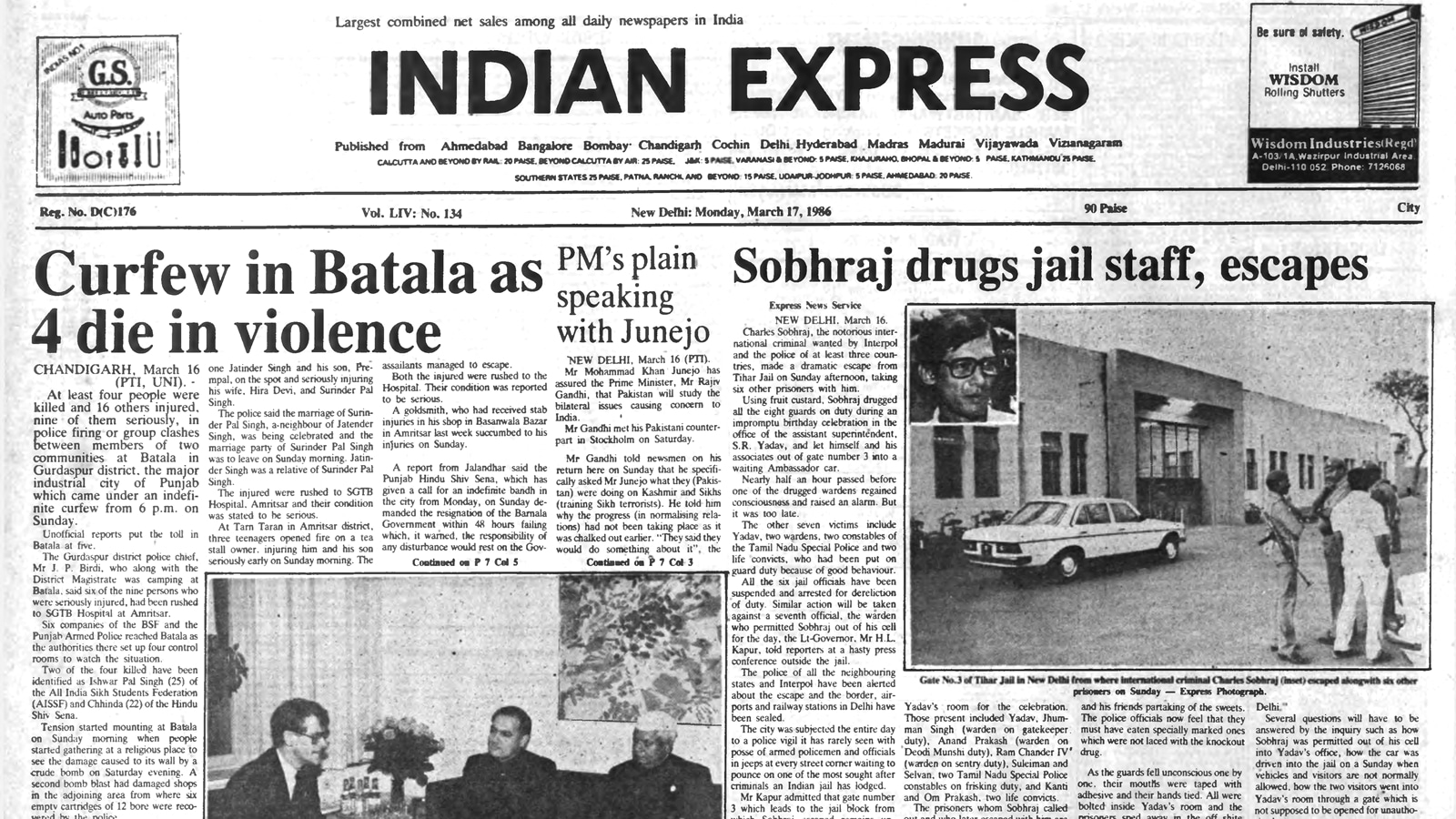
Historical figures have, in recent years, come under a more exacting gaze, their certainties eroded by scrutiny. Churchill remains a notable example. Racial attitudes and the broader ramifications of the Empire have complicated what was once a singular narrative of greatness. His government’s role in the Bengal Famine of 1943, in which nearly 3 million people perished, has come under increasing criticism. Elsewhere, too, the afterlife of the Empire has become harder to ignore. A 2015 movement in South Africa led to the removal of the statue of British mining magnate and politician Cecil Rhodes from the University of Cape Town campus. These episodes highlight that history is dynamic, its study requiring continued accommodation of new evidence and long-marginalised voices.
Against this backdrop, wildlife allows the imagination to rest on a shared inheritance that is less contested and more capacious. Even the grandest narrative, after all, benefits from a little space to breathe.