

EC, SC and a long shadow in West Bengal
The EC, as the neutral umpire, and the Court as the custodian of the citizens' rights and freedoms, have not addressed voters' anxieties about a process that seemed to be, at every stage, making it more onerous for them to exercise their basic right to vote
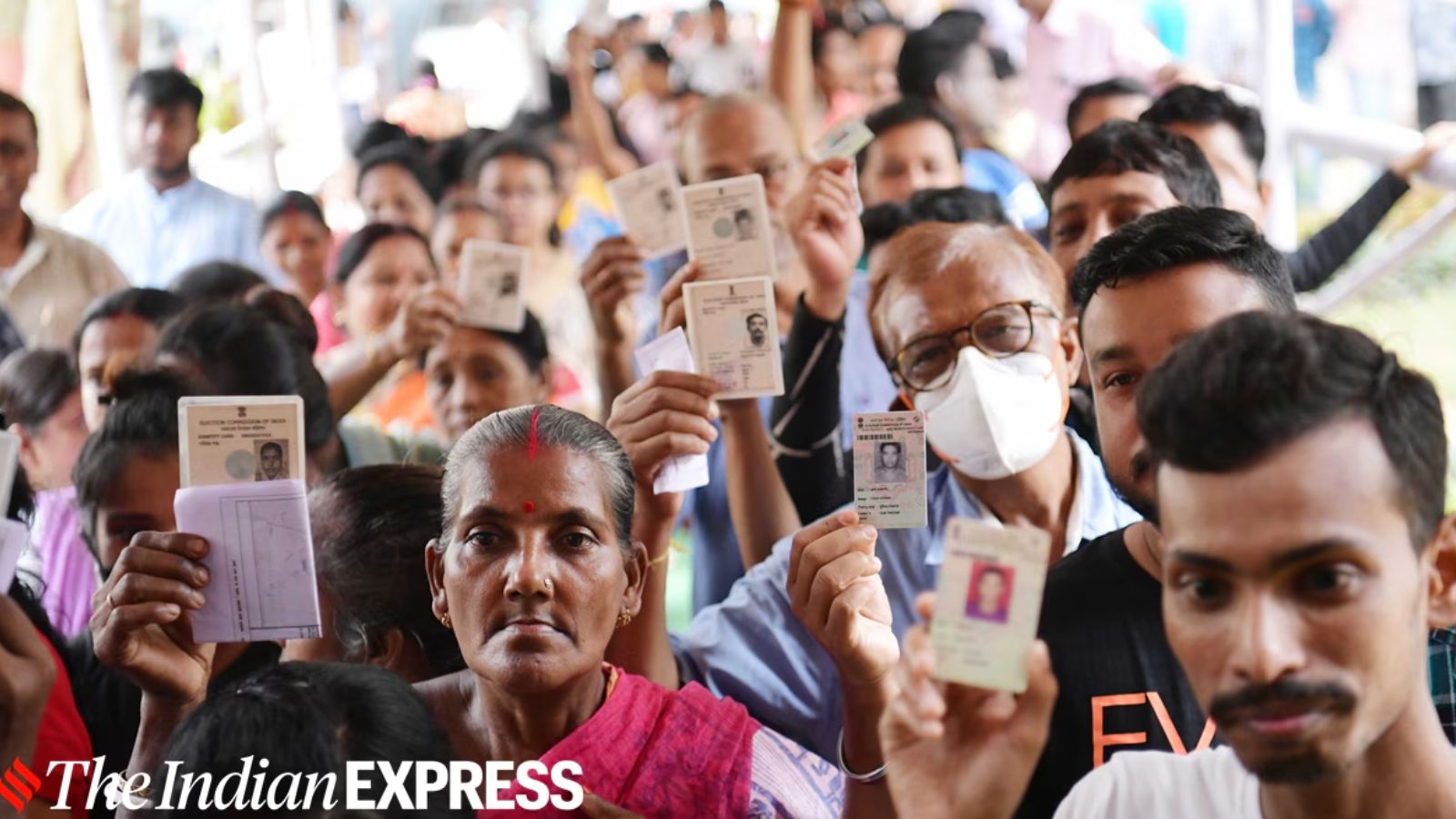
After voting in the West Bengal election drew to a close on Wednesday, the spotlight has shifted to the results on May 4. At the same time, a heavy shadow has settled down on the poll process. It is the shadow of voter disenfranchisement. Eighty-nine lakh names have been deleted from the electoral rolls during the Special Intensive Revision exercise conducted by the Election Commission — the problem, however, lies not in the numbers alone but in an exclusionary process that stretched to the electoral brink, and beyond. About 58 lakh voters were deleted from the draft rolls in the first round, a second set of 60 lakh names were placed “under adjudication”, and about 5 lakh more deleted in between. Of those “under adjudication”, 27 lakh were deleted, the highest numbers in Muslim-dominated constituencies. Thirty-four lakh applied to 19 appellate tribunals set up by the Supreme Court. The tribunals, which were set up late, given no deadline even though an election was looming close, and whose functioning continues to be clouded with confusion, restored 139 names before the first round of voting and 1,468 names before the second, amid a lack of clarity on the total number of cases they took up. More than in any other state, the process of the SIR has been opaque and tortuous in West Bengal. In a representative democracy, where the right to vote is an inalienable part of the promise of a free and fair election, the SIR has taken a high toll.
When it was first rolled out ahead of an election in Bihar, the SIR had touched off similar concerns — that it had morphed into a citizenship test, that it shifted the burden of proof onto the vulnerable voter, that it demanded difficult-to-access documents and set inordinately tight timelines. At that time, the Supreme Court intervened — directing the EC to accept Aadhaar, nudging it to give reasons for deletions. It had seemed after Bihar that the EC would learn its lessons, and these would temper the SIR rollout in other states. But in West Bengal, not only did the EC add daunting new layers — 8,000 micro-observers were sent, overseeing but also disempowering the EROs, and a bulky “under adjudication” list was carved out for special scrutiny — but the SC also gave the EC the benefit of the doubt and contributed to the delay. It deployed judicial officers to oversee the pending verifications, and established the 19 tribunals that have been much too slow. The Court did make noises on the sanctity of a vote in a democracy but these were platitudinous, at best.
Whoever wins in West Bengal, the EC and the Court have raised questions that will linger on. The EC, as the neutral umpire, and the Court as the custodian of the citizen’s rights and freedoms, have not addressed voters’ anxieties about a process that seemed to be, at every stage, making it more onerous for them to exercise their basic right to vote. These questions will have to be reckoned with, long after the poll dust has settled.