

Dancing Girl, meet modest imagination
The Dancing Girl has been significant because it embodies poise, confidence, and unmistakable presence. If the task of education is to equip young people to engage with the world as it is, then NCERT would do better to trust both students and women with a little more agency
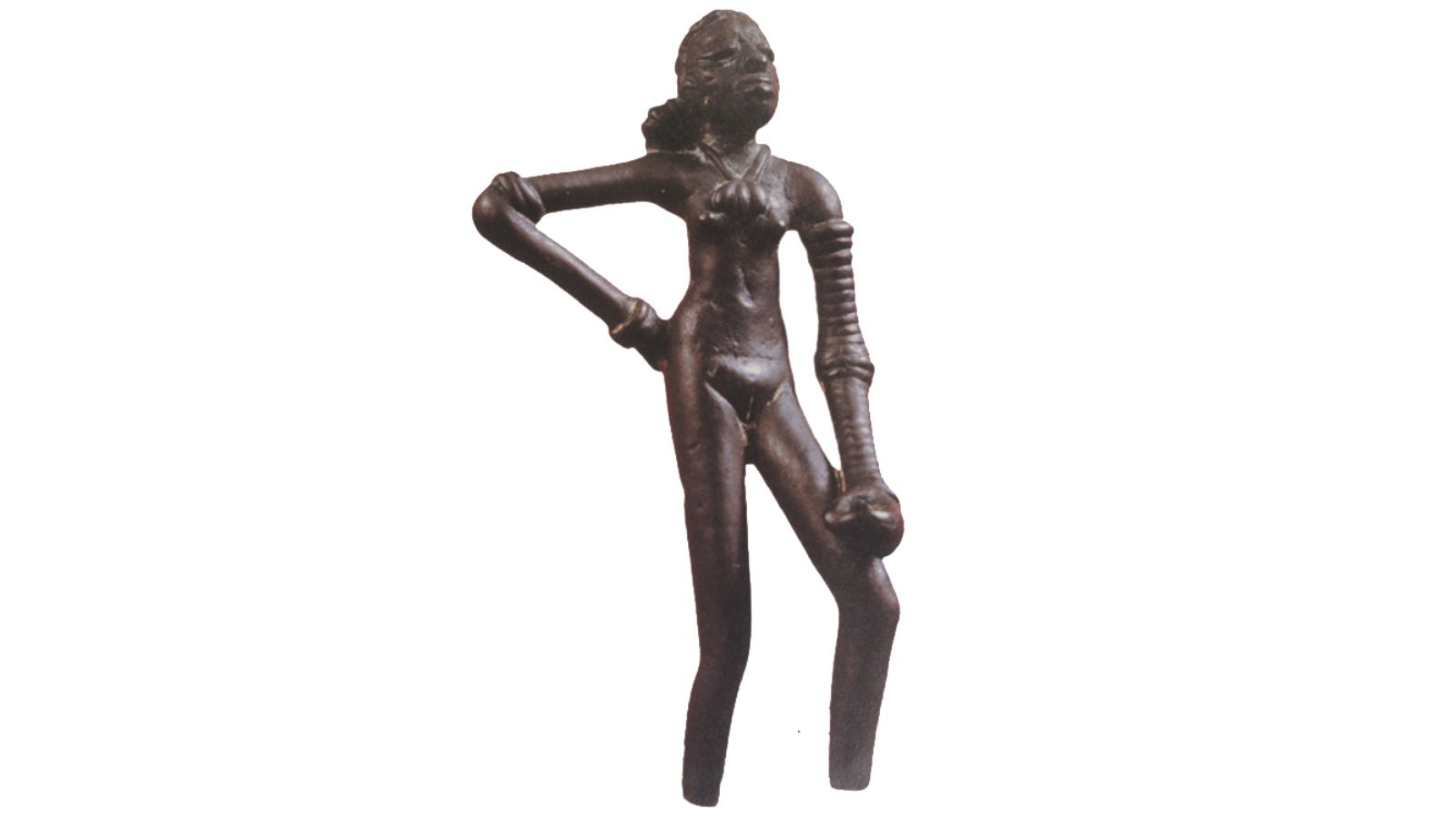
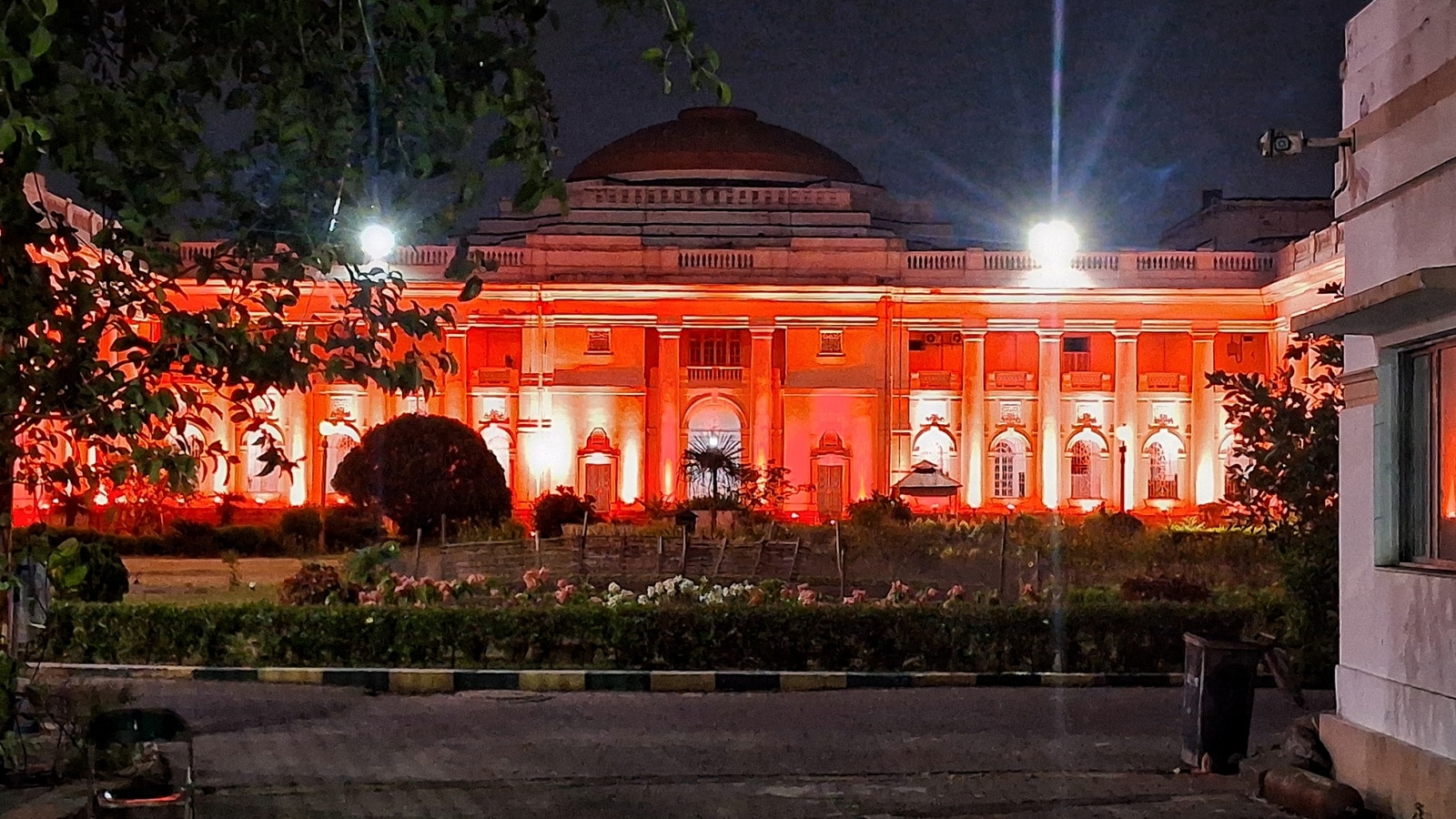
What does the Dancing Girl of Mohenjo-daro — the 4,500-year-old bronze artefact on display at Delhi’s National Museum — denote? The refinement of the Harappan civilisation, of course; its sophisticated knowledge of metallurgy. But also, the NCERT now seems to insist, immodesty. The inaugural Class IX art education textbook features an image of the figurine with its bare torso covered with a sheath, ostensibly to make it age-appropriate. The Dancing Girl has featured in NCERT’s history textbooks for over 25 years before this. The move is remarkable not just for its prudishness but for what it reveals about pedagogical philosophy: That students must be protected from complexity, ambiguity, and the full texture of their own civilisation.
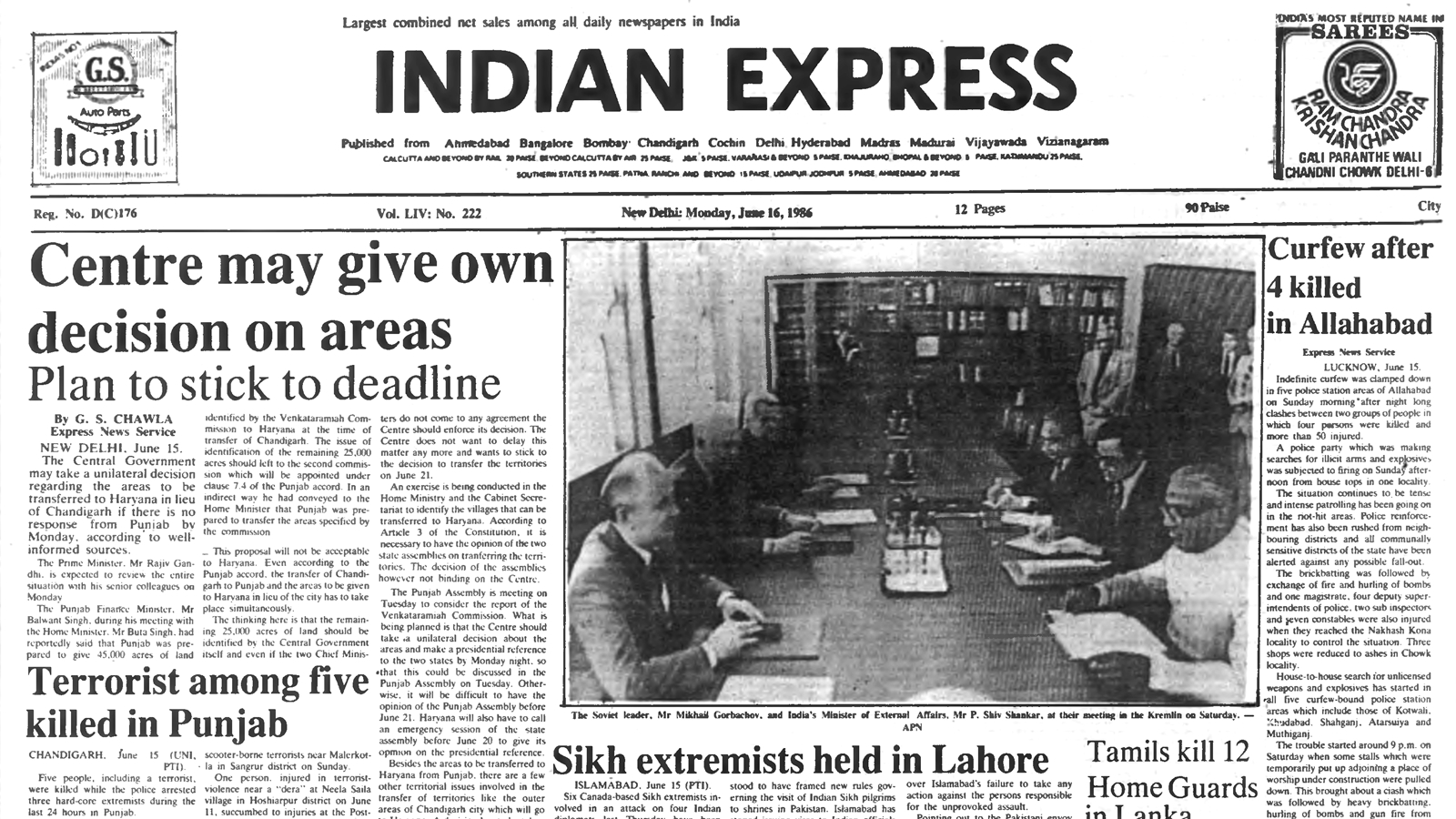
In recent years, through successive revisions, textbooks have been streamlined, historical emphases reordered and contentious subjects pared back. NCERT has cited a need for rationalisation of syllabi, and what its director D P Saklani said in 2024, justifying the deletion of the Gujarat riots and the violence after the Babri Masjid demolition from the Class XII Political Science textbook: “To create positive citizens, not violent and depressed individuals.” The altered Dancing Girl belongs to the same sensibility. Instead of trusting students to understand context — that artistic nudity in an archaeological artefact is neither scandalous nor unusual — it removes the possibility of the encounter altogether. This sits uneasily with the NEP’s ambition of fostering critical thinking: Education that aspires to cultivate independence of thought must make room for knowledge and context, not smoothen out every faultline, conflict and contradiction.
The impulse is also striking for what it communicates about women and their place in public life. At a time when more women than ever before are entering universities, workplaces, politics, and other public institutions, wearing their individuality in thought and attire, claiming spaces that often remain unequal or unwelcoming, the decision to cover up one of the most celebrated examples of ancient South Asian art sends an unfortunate message. The Dancing Girl has been significant not because it conforms to a blindfolded standard of modesty but because it embodies poise, confidence and unmistakable presence. If the task of education is to equip young people to engage with the world as it is, then NCERT would do better to trust both students, and women — both contemporary and millennia old — with a little more agency.