

Both government and industry have to catch up
Both the Centre and states need to pursue deeper reforms and deregulation, provide certainty in policy, and create infrastructure to attract global capital. There is a lot of catching up to do.
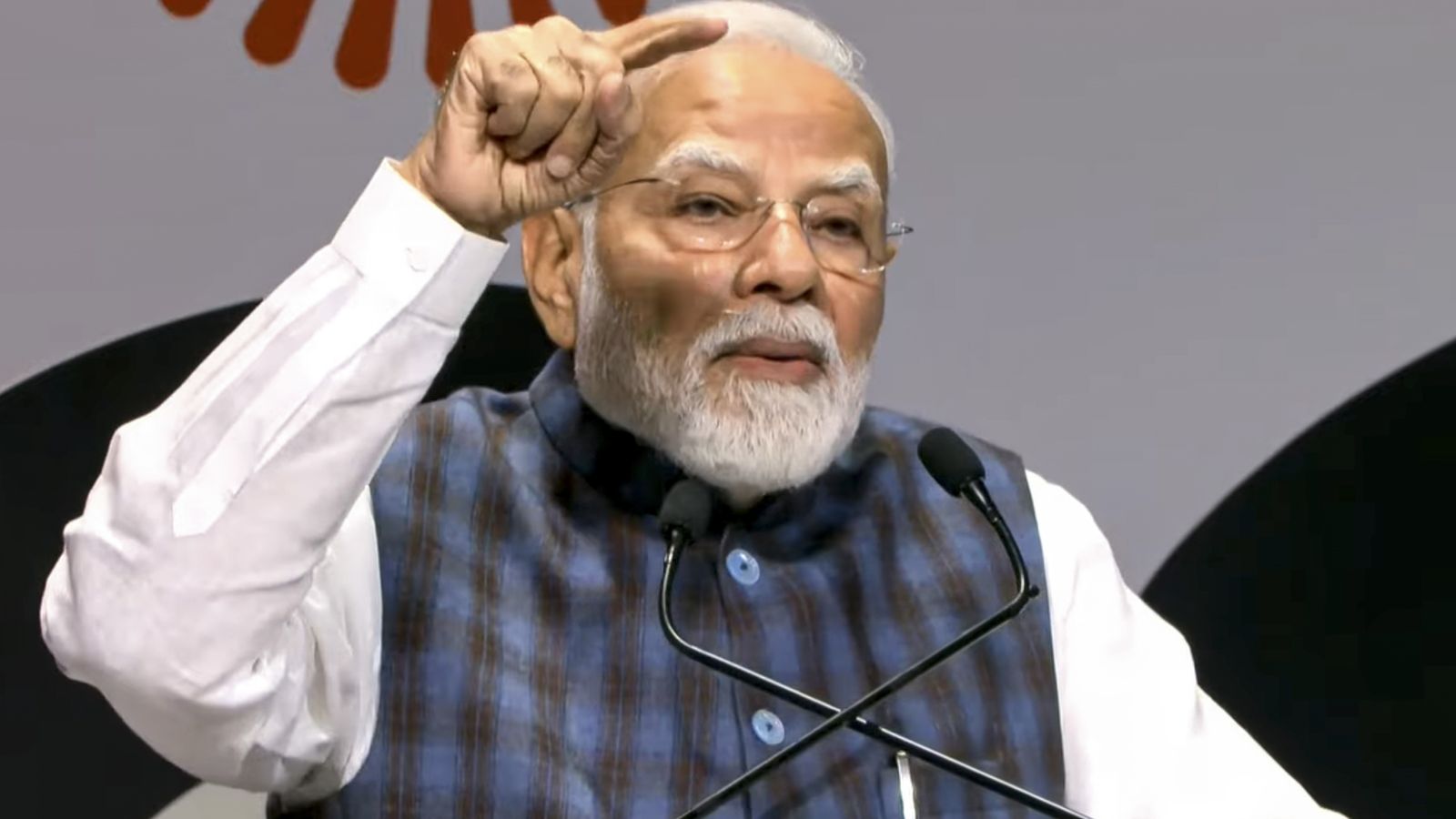
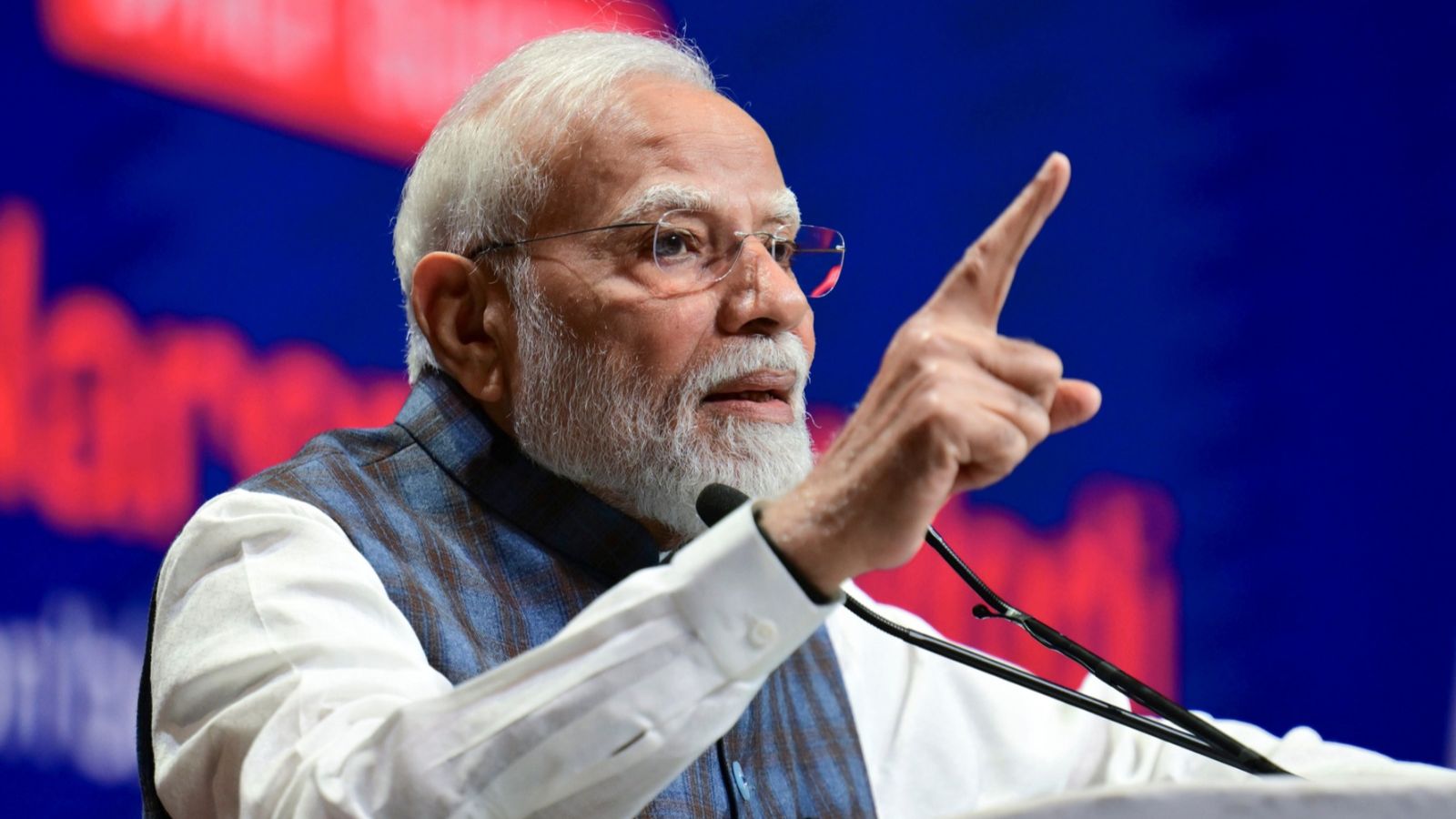
Prime Minister Narendra Modi has questioned India Inc for not passing on the benefits of improved ease of doing business and lower tax rates to the general public. Addressing FICCI, the PM said the government had been bold enough to raise income tax exemption to Rs 12 lakh per annum and cut the corporate tax rate from 30 per cent to 22 per cent. But, he lamented, Indian companies did not respond in the same spirit. “Did you increase the salaries of your employees? Did you increase the number of employees? No. The attitude remains: ‘Modi ji, you do it, we will see,’” he said. He criticised industry for not planning and strategising for the long term, with a view to doing their bit towards making India a developed country by 2047. He pointed out that Indian firms do not make an effort to capture global markets by studying changing export demand trends nor do enough in terms of taking advantage of the several free trade agreements (FTAs) signed by the government.
This is not the first time the government has expressed its dissatisfaction over private investments not picking up and wages remaining stagnant. In September 2022, Finance Minister Nirmala Sitharaman had likened India Inc to Hanuman who is unaware of his own strength. She had complained that despite the government cutting tax rates and giving generous Production Linked Incentives, domestic firms chose to sit on the sidelines. Similarly, in the Economic Survey of 2025, the Chief Economic Advisor pointed out that while corporate profits were at a 15-year high, growth in wages hadn’t kept pace. There are several reasons India Inc should reflect on how it can build on its productivity and efficiency to target newer markets and expand the business; how it can increase capacity, grow the topline and generate higher profits by taking advantage of the improved policy environment, lower tax rates or new FTAs.
It is also a fact, however, that firms are faced with weak consumer demand. The supply disruption during the pandemic, the Trump tariffs, and the different wars have kept the global economic environment uncertain over the last five years. But nobody knows this better than PM Modi, who as Gujarat chief minister cut red tape and went the extra mile to attract industry and investment. Both the Centre and states need to pursue deeper reforms and deregulation, provide certainty in policy, and create infrastructure to attract global capital. There is a lot of catching up to do.