
Banksy is unmasked. And, art is poorer
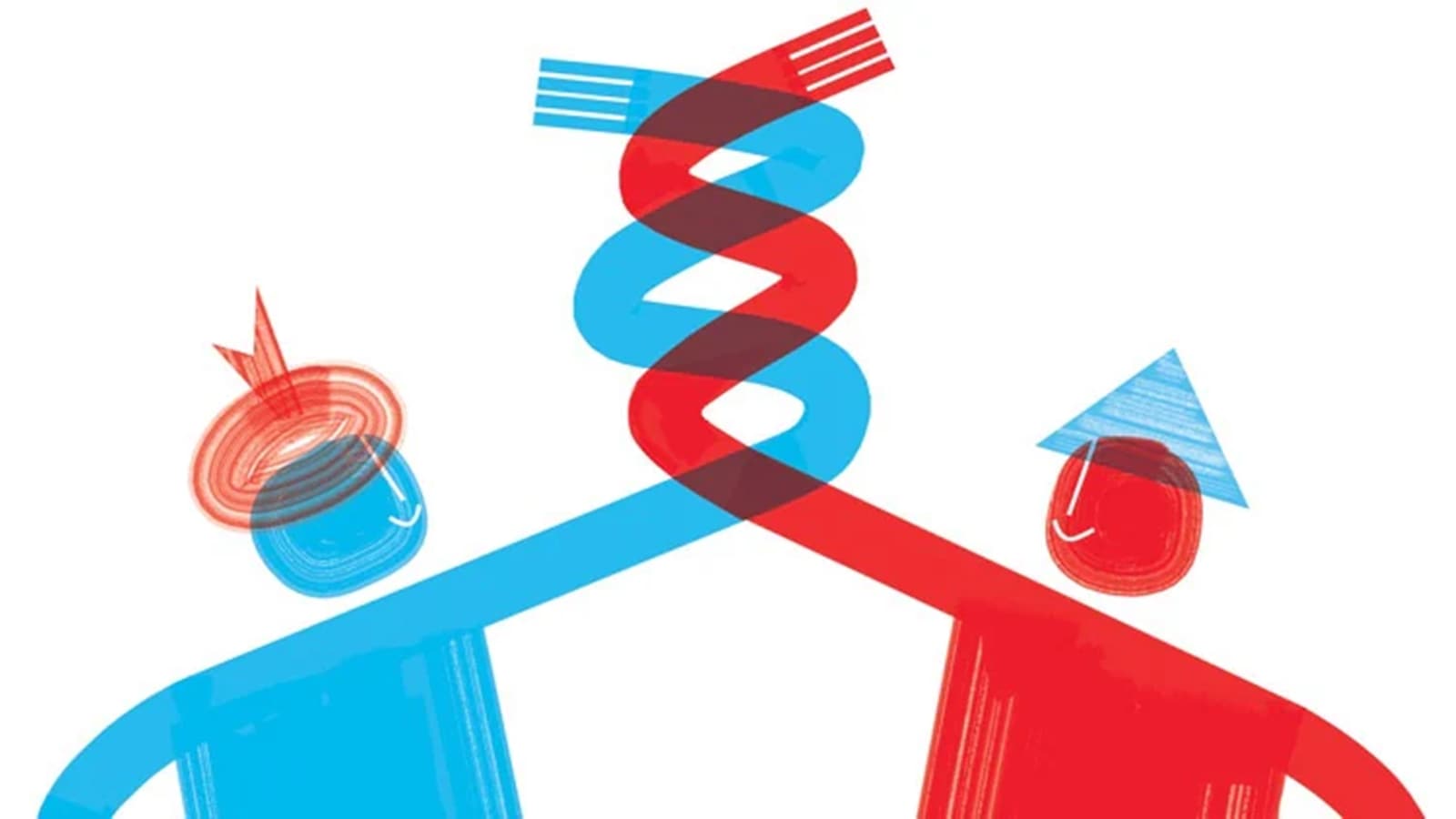
For an artist who uses a pseudonym in order that he may freely create, the unmasking imposes new constraints, and for art lovers, it diminishes the mystery that gives art its power
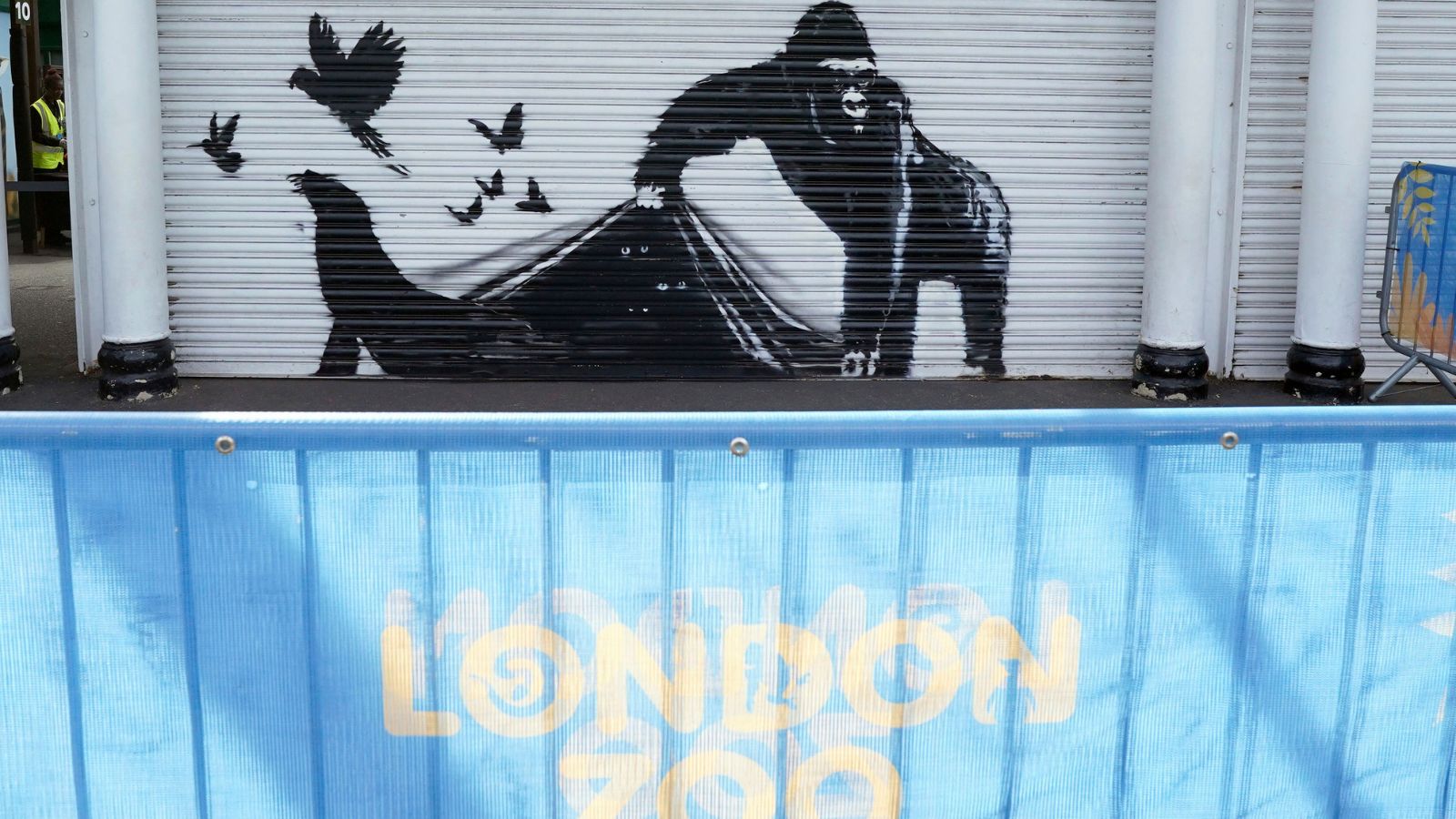
The red balloon of anonymity has finally burst, and the artist known as Banksy has been revealed as one Robin Gunningham from Bristol, England. The elusive figure behind works like ‘Love is in the Air (Flower Thrower)’ and ‘Napalm’ was recently identified in a Reuters investigation, nearly 20 years after the British tabloid, The Mail on Sunday, arrived at the same conclusion. Who got there first, however, is quite beside the point; Banksy’s identity has apparently been one of the art world’s most poorly kept secrets.
The real question is this: What is gained and what is lost by such an unmasking?
The arguments in favour of pulling aside the veil of anonymity are many: That this is a public figure with a great deal of cultural and artistic influence; that knowing who he is can help deepen the authenticity of a work or add context that was missing; that knowing who exactly made a work of art can lead to greater accountability and more transparency about intentions. Publicity, too, is a factor: While much of the immediate anxiety about the Banksy revelation comes down to economics — would his radical, irreverent works command the same price now that the world knows he’s a middle-aged White man? — there are already whispers that the artist himself orchestrated the exposé in the interest of brand-building.
Yet, there is loss too. Anonymity allows a work to remain uncontaminated by biography, with meaning being generated by each viewer through the lens of their own subjectivity. Naming the deliberately unnamed, then, shifts the focus to what the artist intended rather than what the viewer perceived. For an artist who uses a pseudonym in order that he may freely create, the unmasking imposes new constraints, and for art lovers, it diminishes the mystery that gives art its power.