

Assam needs a politics of trust, not suspicion
Himanta Biswa Sarma’s mix of welfare and grievance has made Sarma one of the BJP’s strongest regional leaders, but his second term presents a larger question: Will he continue to govern through division or strive for a more inclusive politics?
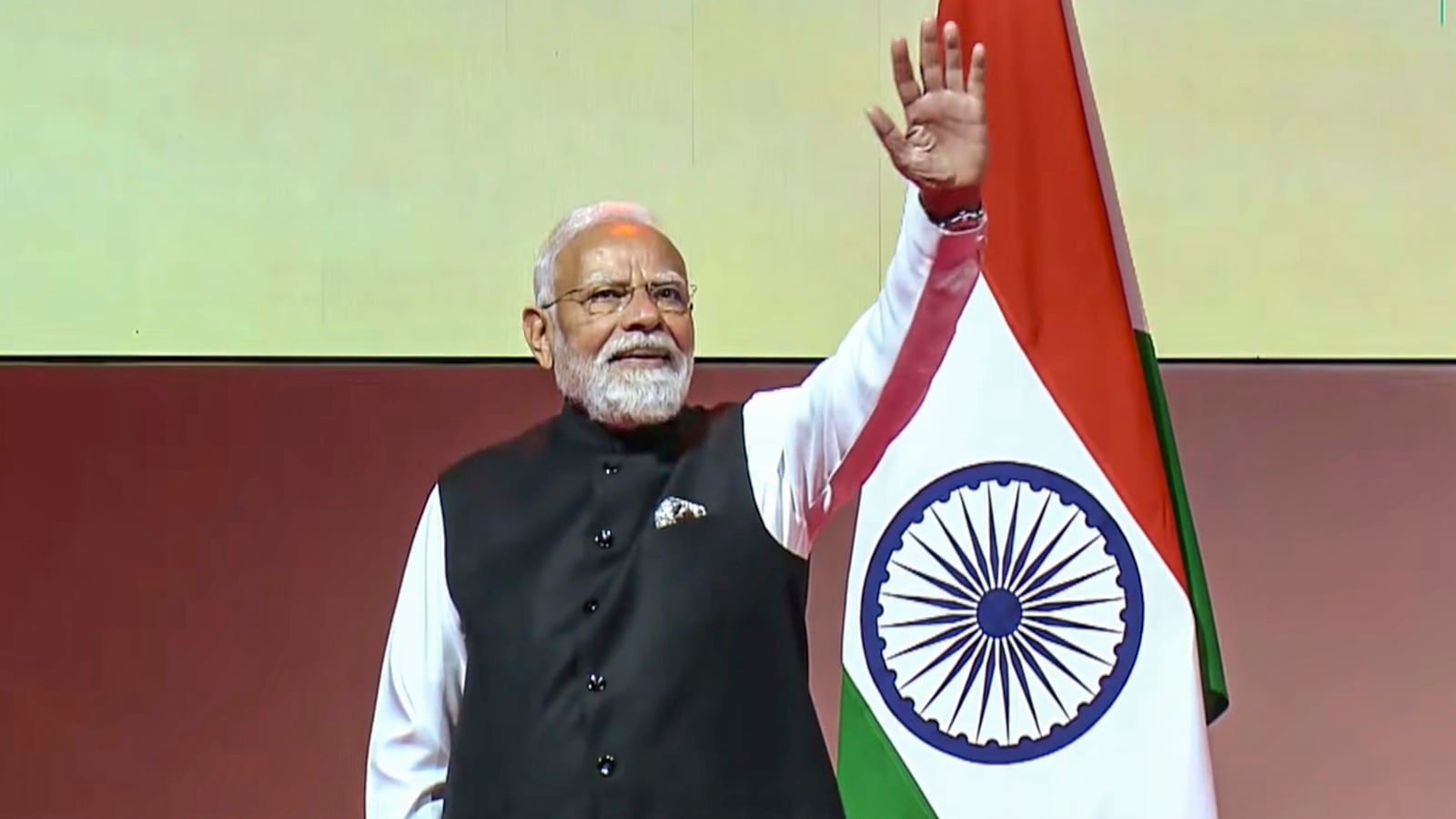
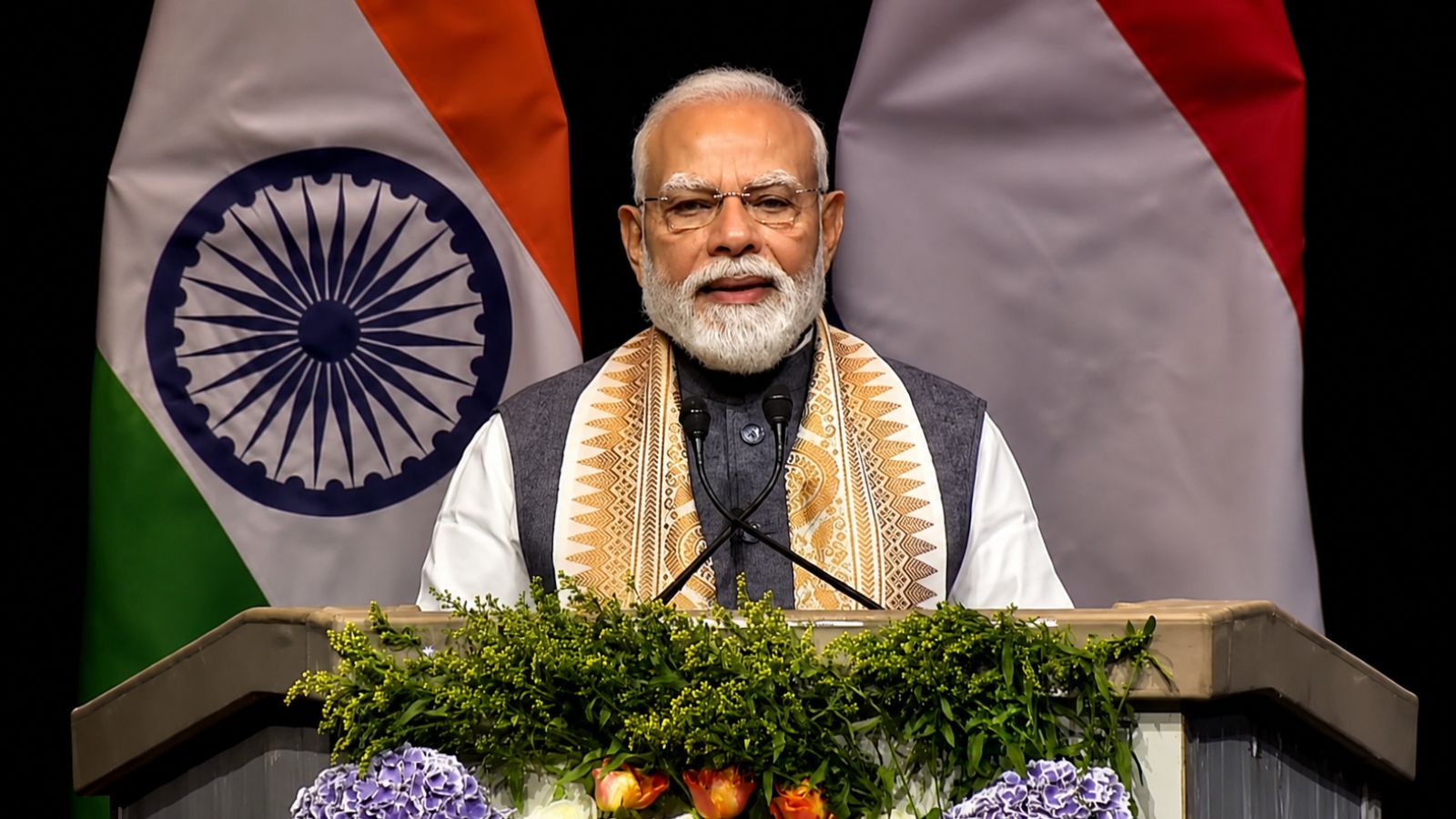
Himanta Biswa Sarma’s swearing-in for a second term as chief minister underlines a political order built in his own image in Assam. If his first tenure was spent consolidating the BJP’s dominance in the state, the 2026 victory has been shaped not merely by the party’s organisational machinery or Prime Minister Narendra Modi’s national appeal, but by Sarma’s own political imprimatur: An aggressive mix of Assamese sub-nationalism, Hindu majoritarianism and welfare measures. The BJP-led alliance won 102 seats in the 126-member Assembly, with the BJP alone winning 82 seats — its biggest mandate in the state — underscoring the resonance of his jati, mati, bheti (community, land, foundation) narrative. In a state of diversities, however, a politics dependent on mobilisation against the Other also carries challenges that the new Himanta government will have to address.
Assam’s long and complex history — from its incorporation into the Bengal Province in the 19th century, to waves of migration from colonial times through the upheavals of Partition and after the formation of Bangladesh, and the violent Assam Aandolan of the 1970s and ’80s over land, language, and identity — has left a society acutely sensitive to questions of belonging. Sarma has proven adept at converting these historical fault lines into a political project. He has invoked spectres of “demographic invasion” by “people of one religion”, of land, flood and fertiliser “jihad” and carried out eviction drives. In this campaign, minority communities, especially Bengali-speaking Muslims, have been cast as perpetual outsiders — the allegedly illegal Bangladeshi Muslim immigrant eating into jobs and opportunity, land and culture. Having returned to power, Sarma must see that what the state needs most is a politics that creates trust, not one that stokes fear.
His government has paired identity politics with an expansive welfare push: Education schemes such as Nijut Moina and Nijut Babu; direct cash transfers to women under Orunodoi; entrepreneurial programmes like Mukhyamantri Mahila Udyamita and Atmanirbhar Asom, and infrastructure projects aimed at linking remote districts to urban centres. Between 2014-15 and 2023-24, Assam has registered a compound annual growth rate of 11.4 per cent. Land rights initiatives — Mission Basundhara that streamlines and makes accessible land revenue services and property rights, for instance — have helped deepen the party’s base in Upper Assam, where indigenous communities are concentrated. This mix of welfare and grievance has made Sarma one of the BJP’s strongest regional leaders, but his second term presents a larger question: Will he continue to govern through division or strive for a more inclusive politics? The answer to that question is important because Assam’s future lies in social cohesion, not in perpetual polarisation and the toll it takes.