

Animal slaughter ban misreads farm economy
Governments, whether of Suvendu Adhikari in West Bengal or of Yogi Adityanath in Uttar Pradesh, should realise that Indian agriculture, like the rest of the economy, is no longer in the age of the bullock cart
West Bengal is India’s largest meat producer, accounting for roughly 12.5 per cent of the country’s estimated output of 10.5 million tonnes (mt) in 2024-25. It is also India’s second-biggest fish producer, next to Andhra Pradesh. That makes the state significantly “non-vegetarian” and one of the few — Kerala, Tamil Nadu, Meghalaya, Arunachal Pradesh, Manipur, Nagaland, Mizoram, Sikkim and Assam are the others — to permit consumption of beef and slaughter of cattle. The fact that West Bengal’s milk production has increased from 5.6 mt in 2018-19 to nearly 8 mt in 2024-25, alongside a 25 per cent rise in its in-milk cow population during this period, is proof of the meat sector’s growth not being at the expense of dairying either.
It is against this background that one must examine the implications of the Suvendu Adhikari-led BJP government’s decision to “strictly” enforce the West Bengal Animal Slaughter Control Act. The 1950 law does not allow slaughter of any animal unless it is over 14 years of age and certified as “fit for slaughter” by the head of a municipality or panchayat samiti and a government veterinary surgeon. Given that the normal lifespan of a cow or bull is about 15 years and no farmer rears them beyond 10 years, it practically bans any slaughter. The Act, moreover, only mentions “certain animals” without specifying cattle or buffalo, and male or female. With most farmers having no means to prove the age of their bovines, nor access to veterinarians for issuing fit-for-slaughter certificates, it leaves them with two options. The first is to maintain unproductive animals by diverting scarce fodder, feed and water even if these stop giving enough milk — typically after five-six calvings when they are eight-nine years old — or are incapable of working the fields. The second option is to stop keeping animals and exit dairying.
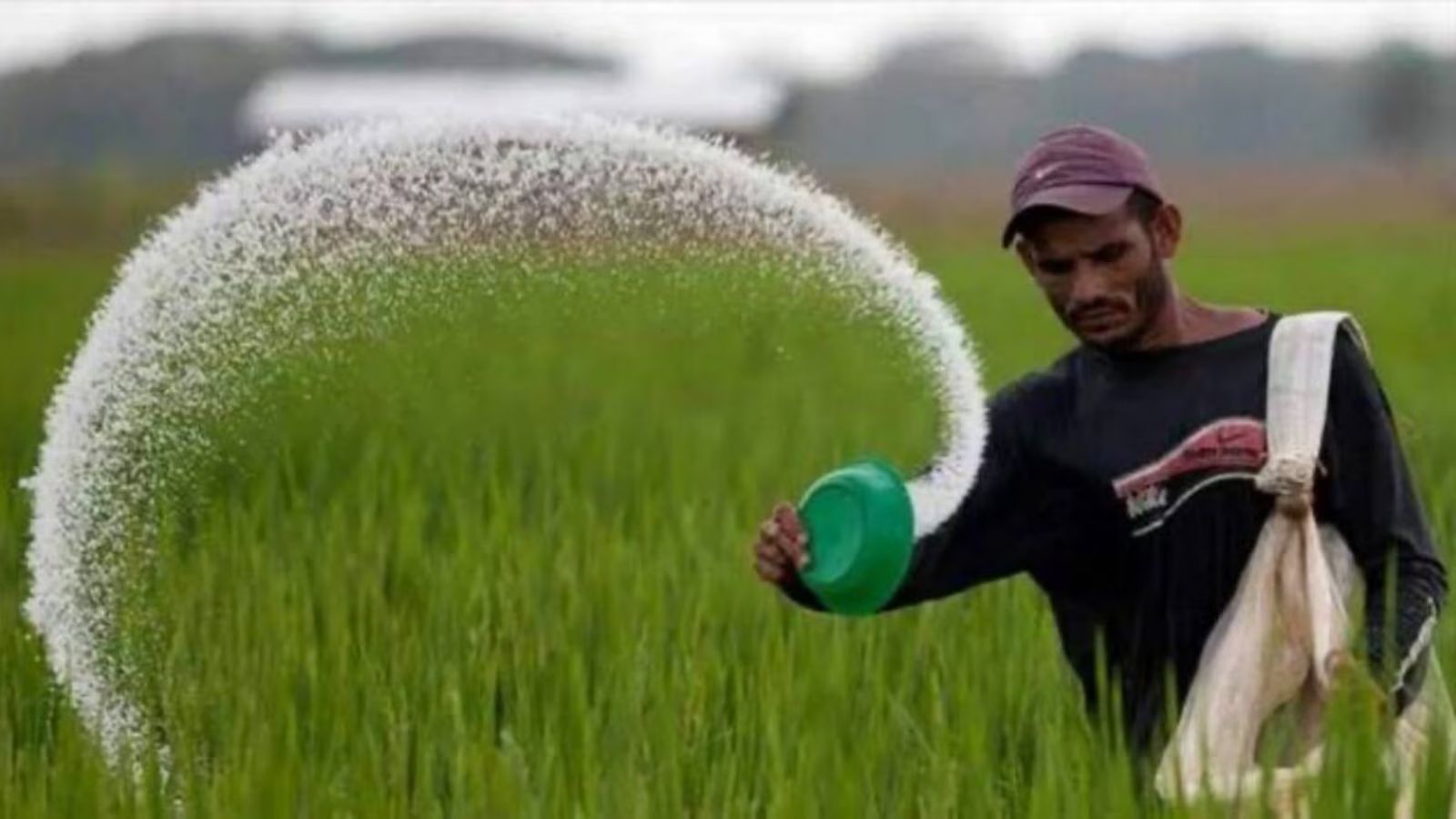
The Adhikari government can claim that it is merely implementing an existing law. The previous Trinamool and Left Front administrations should, indeed, have done away with the Act’s provisions that have no place in today’s farming environment. In 1950, India had hardly 5,000 tractors, as against over 12 million now. Bullocks have increasingly yielded to tractors, combines and electric pumpsets for ploughing and irrigating fields and harvesting, threshing and hauling produce to mandis. With chemical fertilisers and artificial insemination, too, replacing organic manure and natural breeding, farmers have incentive to rear bovines only for milk. Governments, whether of Adhikari or of Yogi Adityanath in UP, should realise that Indian agriculture, like the rest of the economy, is no longer in the age of the bullock cart.