

In recent assembly elections, don’t ignore the majoritarianism in the frame
The politics witnessed in Assam and West Bengal is both an explanation of electoral outcomes there and also the foreboding of the Hindutva pathway that may unfold in the states that claim to be distant from the east.
From anti-incumbency to the nebulous desires of Gen Z, many factors appear to be in demand for explaining what happened in Assam, West Bengal, Kerala and Tamil Nadu. Besides these factors, there is the argument that each state tells its own story. So, the analytical challenge is to make sense of the overall outcome. Recognising the political force and analytical relevance of Hindutva majoritarianism alone can explain the recent outcome and also connect it to the future course of politics.
For starters, it is necessary to situate the assembly elections in the context of the unprecedented disenfranchisement and accusations of gerrymandering — so much so that political parties may feel compelled to ask why they are participating in a contest where the outcome seems predetermined. But it is also necessary to look beyond and understand the broader rigging of the competition that majoritarianism causes.
But what about the state-wise variation? Election outcomes always have a local-regional dimension. Therefore, when looking at the four state assembly elections, it is only natural that state-specific factors will be searched by way of explanation. This is not really a wrong approach. And yet, there come moments when this state-specificity comes into sharp interface with larger, cross-state processes that put to test the uniqueness of the state. This does not necessarily bury state-specificity but it surely blurs that specificity under the weight of the cross-state phenomena.
For some time now, India is witnessing this dynamic of state-specificity competing with all-India phenomena as an explanatory factor for electoral outcomes. The outcomes of the latest round of assembly elections show the tensions emerging from this interface between the state level and the all-India level. The steady spread of dominance of the BJP, the shaping of India’s second dominant-party system, constitutes this current interface. But it is more than mere single-party dominance.
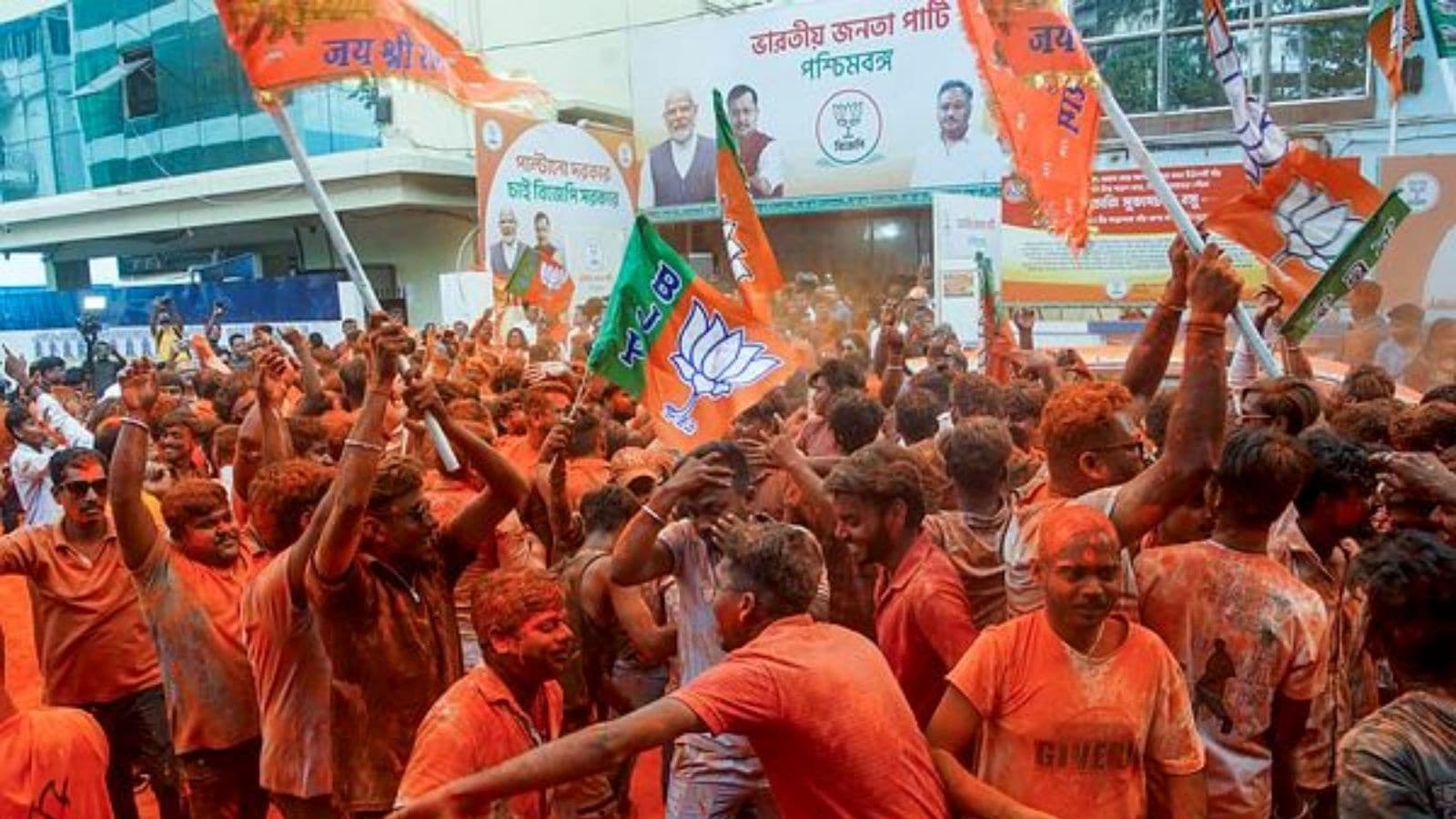
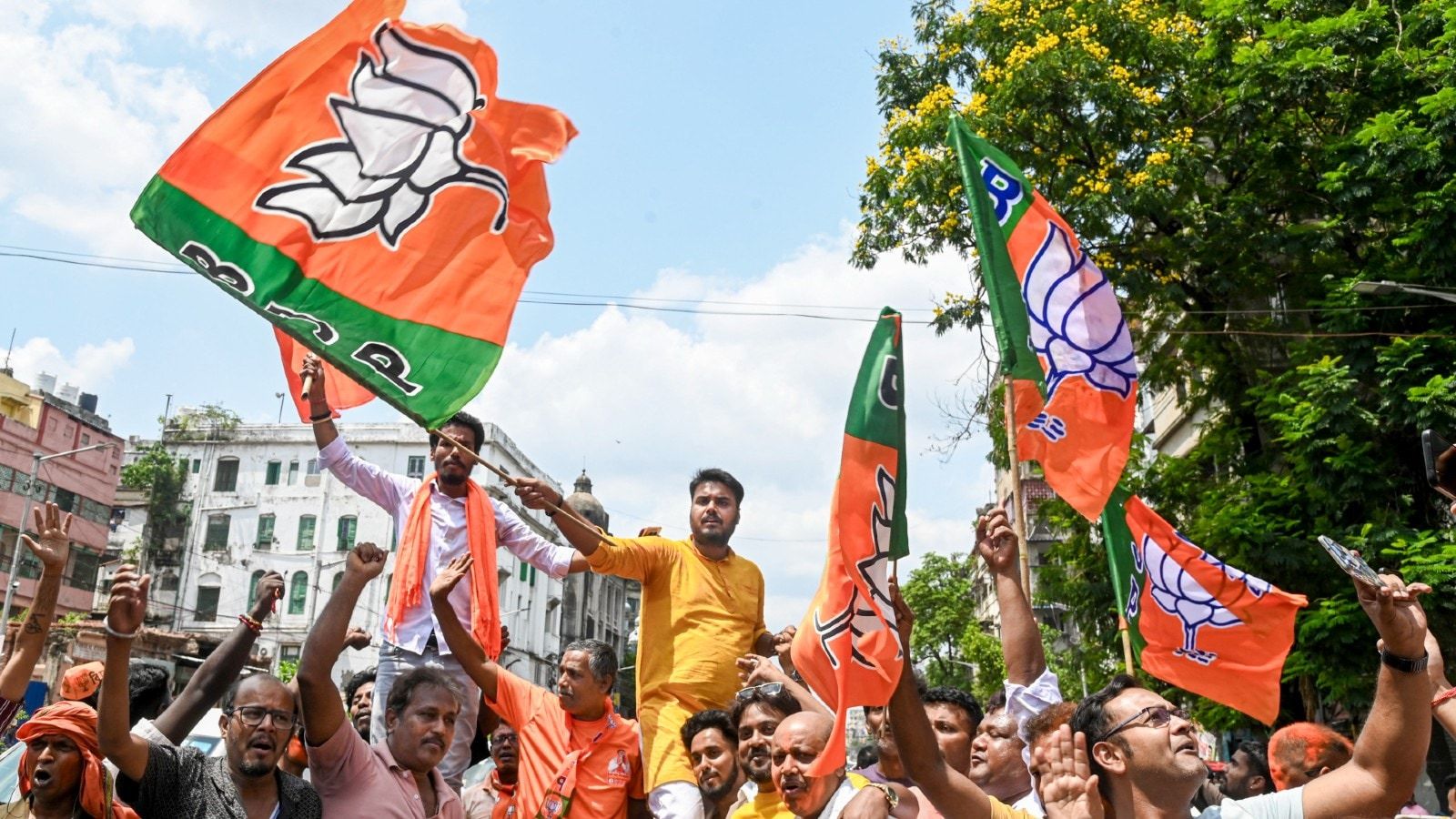
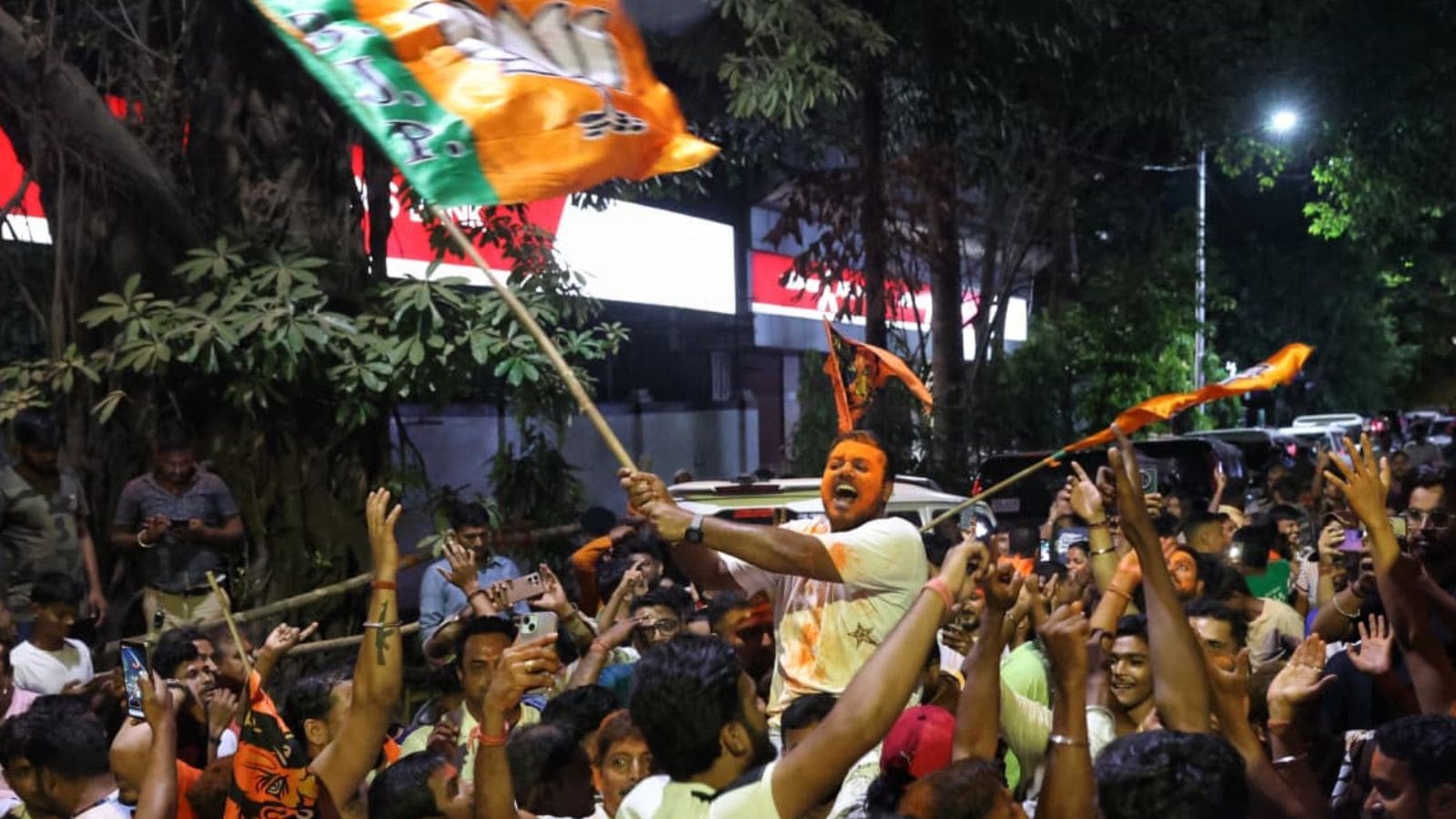
This dominance is predicated on an increasing consolidation of Hindu vote in such a manner that conventional analytical tropes like anti-incumbency or the currently more popular frame of welfare delivery pale into insignificance. The last three parliamentary elections have seen a consistent mobilisation of anxieties, suspicions and othering based on Hindu religious identity vis-à-vis the non-Hindus, particularly the Muslims. It is ironical that the Hindutva forces both gloat over the fact that Hindus are now coming together and refuse to concede that electoral outcomes mainly emerge from the anti-Muslim sensibility that characterises the politics of Hindutva. In Assam and West Bengal, the BJP has managed to consolidate nearly half — in West Bengal, it is probably more than half — of the Hindu votes behind it.
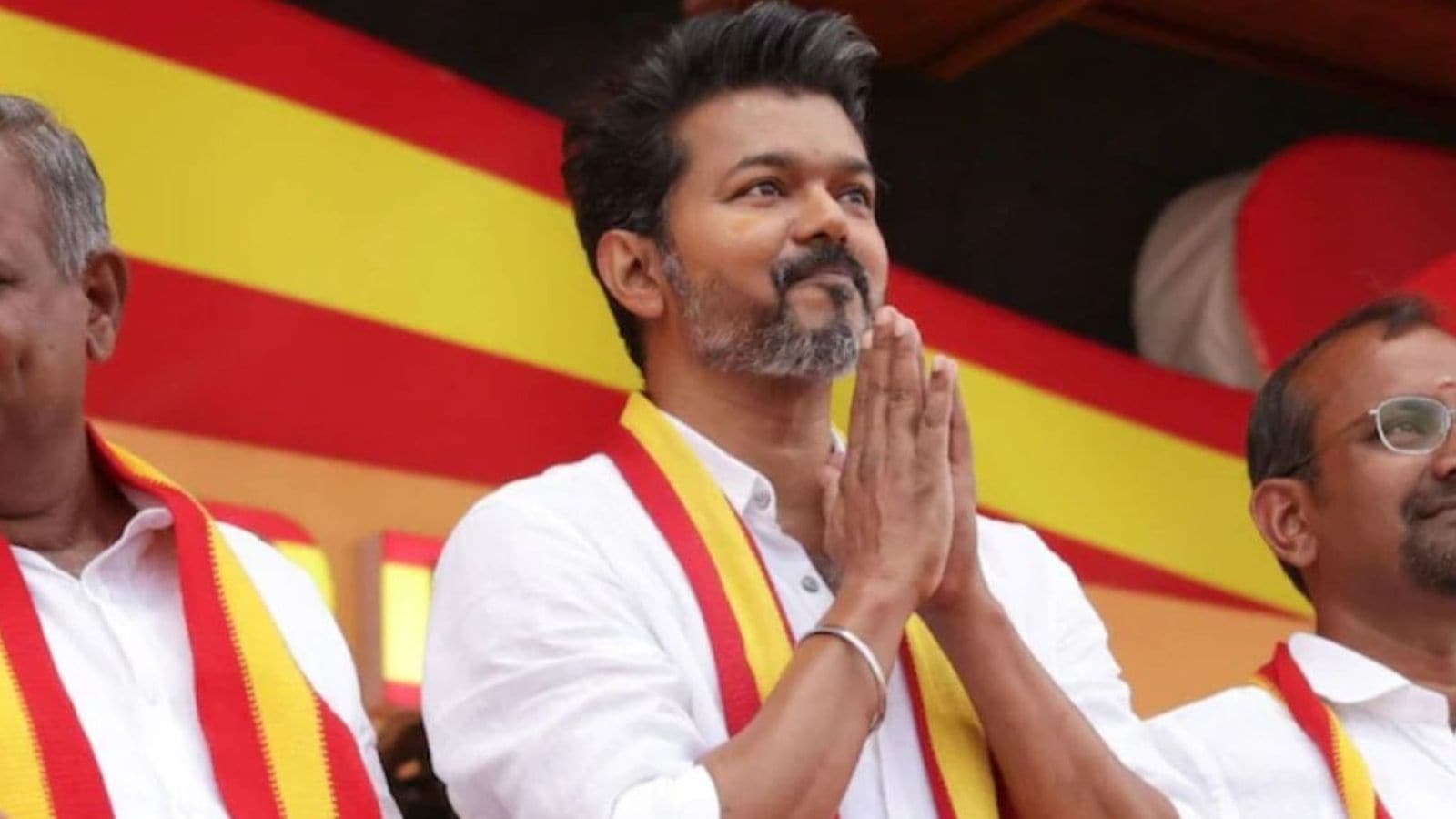
This may not have happened in Kerala and Tamil Nadu today, which is where the state-specificity argument comes up. But in both states, the uniqueness of the political competition and long-standing features that characterise their public domain have come under strain. Through the rise of the TVK, the state-specific structure of competition and perhaps even the ideological framework of that state is breached in Tamil Nadu.
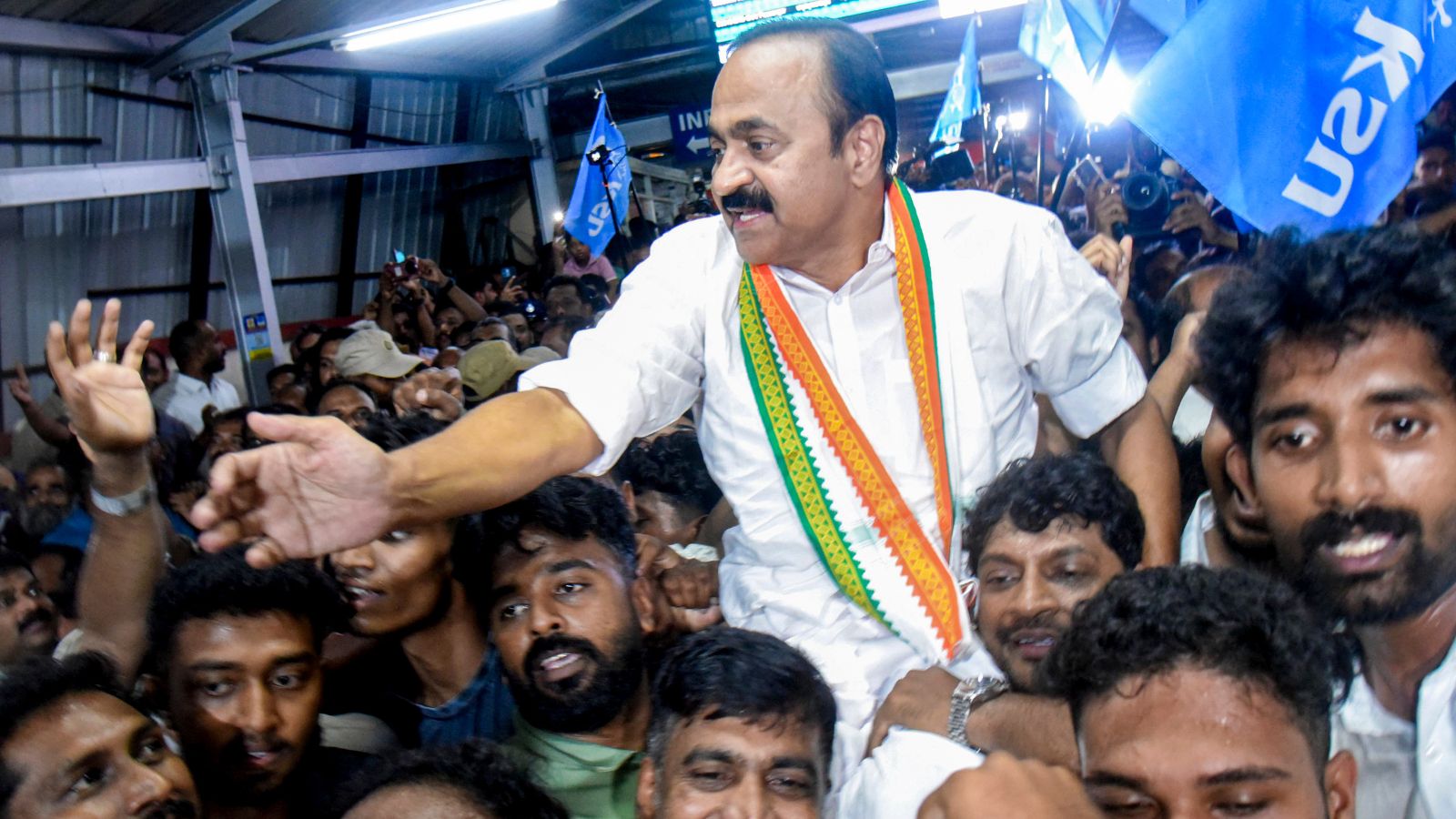
Similarly, the fact that in Kerala, already at least 15 per cent of the Hindu vote may have begun to consolidate behind the BJP indicates that the Hindutva factor might be on the verge of breaching the decades-old nature of Kerala politics, too. Karnataka has long back shown that there is no automatic guarantee that states of the South are insulated from Hindutva. It may also be worth remembering that in Andhra Pradesh, the state-level ally of the BJP is handsomely helping it consolidate Hindutva sentiment. So, what Bengal has accepted today could well be the route the South will straddle in the coming decade.
What does this turn of party politics into a Hindu-Muslim division tell us about the politics of dominance that the BJP represents? It represents a turn of India’s democracy toward a majoritarian socio-political order. Electoral dominance is the effect of that turn and at the same time, it is an instrument of further consolidating that shift through the use of state power. If only critical analyses of the BJP avoided the temptation to fit India into the globally circulating frameworks of populism and democratic backsliding, this turn would become more easily comprehensible.
In this sense, there is a fundamental difference between the two epochs of single-party dominance India has had: The first one under Congress was based on a thin electoral majority often cobbled through compromises, gimmicks and advantages accruing through the control of the state. These, indeed, are also the paraphernalia contemporary dominance uses smartly; what the previous dominance lacked and the current one excels in is the building of a formidable social constituency, which will not only elect the dominant party but also shape societal dominance as an autonomous force.
Since the 1990s, the BJP has steadily acquired a critical base among Hindus in a majority of states. In 2014, its Hindutva appeared politically distant from the states of east. Today, the BJP has managed to consolidate large sections of the Hindu population from these states. This majoritarian politics has two contradictory dimensions. On the one hand, it adapts the meaning of Hindu religious identity to regional contexts. This allows the BJP to breach the fortresses of state-specificity. On the other hand, the BJP’s majoritarian politics also homogenises the meaning of Hindu religious identity through the imposition of a north Indian Hindi-heartland ideology and the common glue of anti-Muslim politics.
The politics witnessed in Assam and West Bengal is thus both an explanation of electoral outcomes there and also the foreboding of the Hindutva pathway that may unfold in the states that claim to be distant from the east. Ignoring this broader analytical umbrella of Hindutva majoritarianism can cause both intellectual damage and political closure.
The writer, based at Pune, taught political science.