

Women’s reservation and the flattening of Indian democracy into easy binaries
The debate on women’s reservation shows how constitutional questions are reduced to moral choices, even as courts drift into interpretive excess
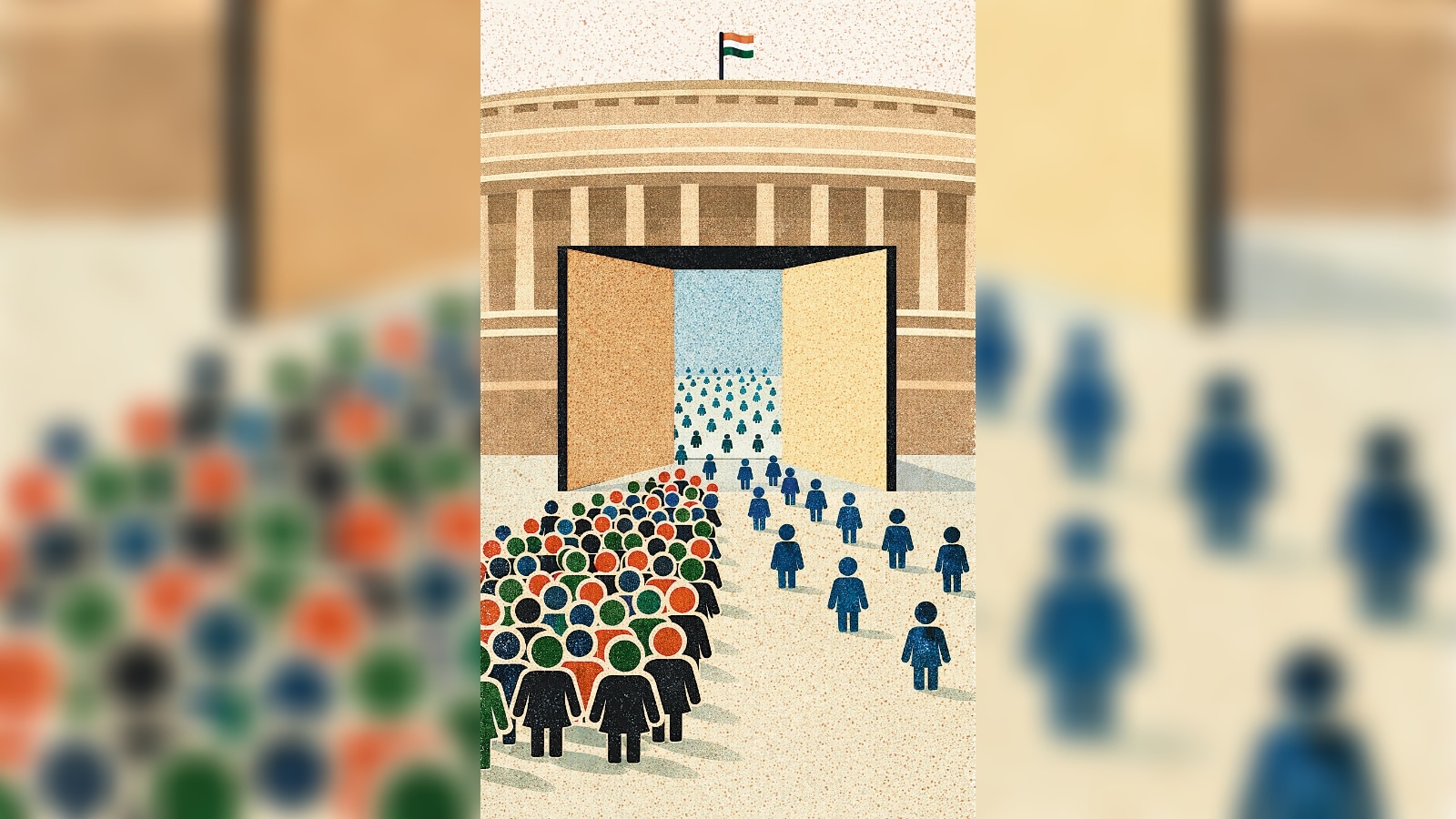
The debate around women’s reservation has once again revealed a deeper shift in our democratic culture. Questions that require layered constitutional engagement are increasingly being framed as moral binaries, where disagreement itself becomes suspect.
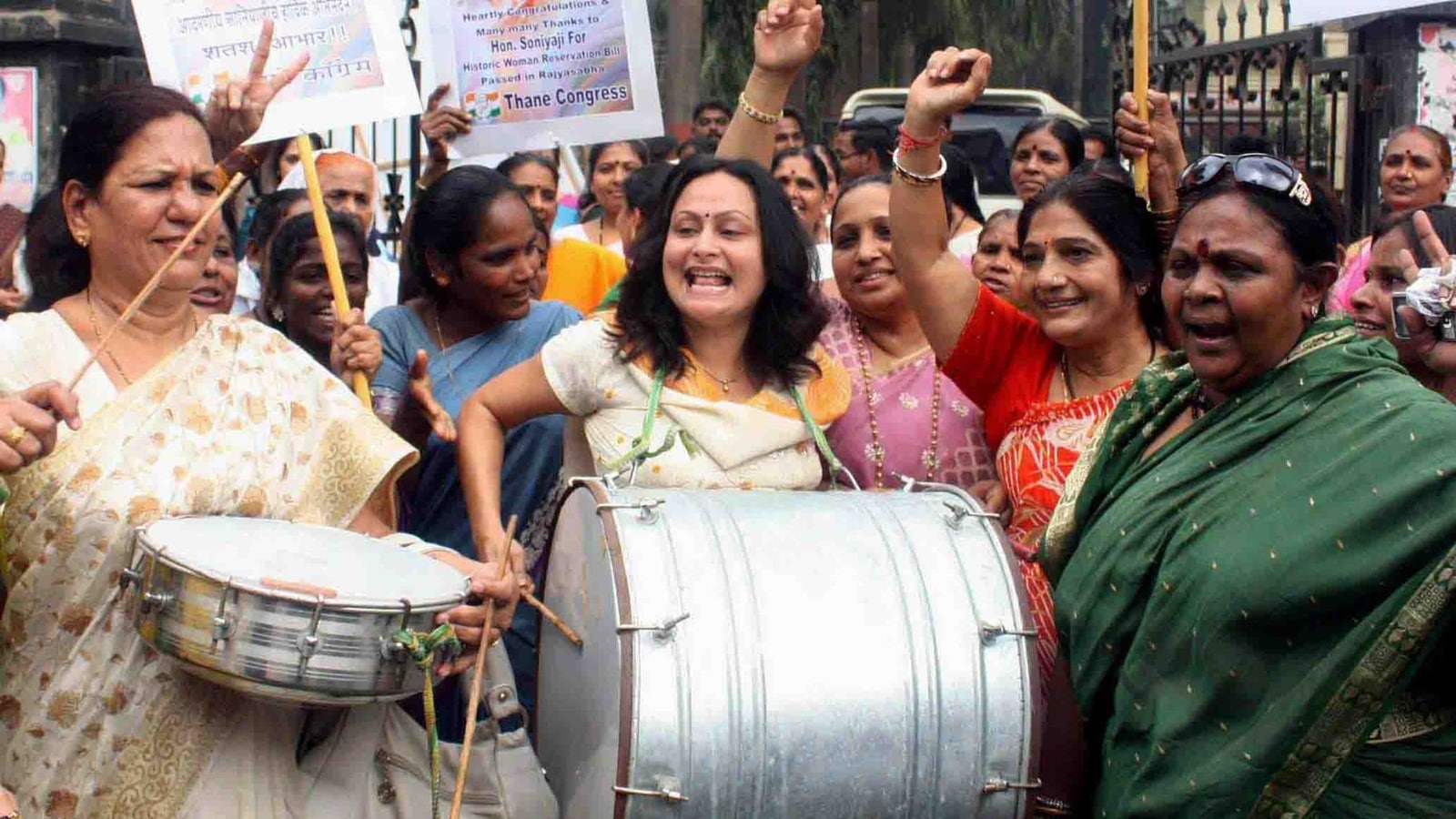
Few would contest that women remain under-represented in India’s legislative institutions. Expanding women’s participation in Parliament and State Assemblies has been a long-standing democratic aspiration. Yet the current discussion is not about whether women deserve representation. It is about how representation is structured, and whether linking the implementation of reservation to a future delimitation exercise risks postponing equality indefinitely.
Delimitation is not a routine administrative step. It is a constitutional process that reshapes political representation across states based on population changes. It has implications for federal balance, political voice, and institutional equilibrium. Linking women’s reservation to this exercise raises legitimate questions of sequencing and design.
Yet public discourse increasingly compresses these structural questions into simplified positions. Support the Bill, or oppose women’s empowerment. Ask questions, and risk being misunderstood as resisting reform.
This is not the first time constitutional debate has been reduced to binaries. Complex policy questions are routinely presented as choices between loyalty and dissent, development and obstruction, nationalism and criticism. Political communication increasingly rewards clarity over complexity, certainty over reflection.
Simplification is politically efficient. It travels quickly. It mobilises support. It converts structural institutional questions into emotionally legible positions.
But constitutional democracy is not designed to operate through rhetorical efficiency alone.
At the same time, a parallel development can be observed in constitutional adjudication. While public discourse is becoming increasingly simplified, constitutional litigation often moves in the opposite direction — towards hyper-technical engagement with doctrine, text and interpretive frameworks.
The ongoing Sabarimala litigation illustrates this tendency. The constitutional questions involved are undoubtedly significant, engaging issues of equality, religious freedom, and institutional autonomy. Yet the manner in which constitutional litigation can sometimes unfold with prolonged hearings focused on the meaning of individual doctrinal tests or textual formulations raises its own institutional questions.
Courts are guardians of rights. But courts are also institutions with finite time.
Every hour spent on extended constitutional interpretation is time not spent hearing bail applications, civil disputes, service matters, or cases involving immediate questions of liberty and livelihood. India’s courts carry an enormous backlog, and access to timely justice remains a constitutional concern in itself.
These two tendencies — political oversimplification and judicial hyper-technicality — risk creating two parallel constitutional cultures.
One part of India is increasingly encouraged to view public questions through simplified narratives that admit only two positions. Another part of India continues to engage in deeply layered interpretive debates that consume significant institutional time. Neither extreme fully serves the constitutional project.
The Constitution was never intended to function as a slogan. Nor was it meant to become a purely semantic exercise detached from social realities. It was designed as a framework capable of accommodating complexity while remaining responsive to lived needs.
Women’s reservation is a good illustration of why balance matters.
The principle of greater representation for women commands broad democratic support. But institutional design questions cannot be treated as obstacles to reform. Sequencing, federal implications and representational fairness are constitutional concerns, not political inconveniences.
Similarly, constitutional adjudication must remain attentive to the practical consequences of institutional delay. Doctrinal clarity is important, but so is timely justice.
Democracy does not require that every question be answered in identical terms. It requires that institutions remain capable of engaging complexity without collapsing into either populist simplification or procedural paralysis.
Political majorities have the power to legislate. But constitutionalism requires that such power be exercised with institutional responsibility. The Constitution anticipates majority rule, but it also places structural limits on how majorities shape public institutions.
Reducing complex constitutional questions into binaries may offer short-term political clarity, but it weakens the habits of democratic reasoning.
At the same time, allowing constitutional adjudication to become consumed by interpretive excess risks distancing citizens from the justice system itself.
Oversimplification and over-technicality, though seemingly opposite tendencies, produce similar consequences. Both create distance between citizens and constitutional institutions.
India’s constitutional culture has historically drawn strength from its ability to sustain disagreement without abandoning reason.
The present moment calls for recovering that balance.
Women’s reservation deserves careful institutional conversation, not because its objective is disputed, but because constitutional legitimacy depends on thoughtful design.
The Constitution does not function through convenience. Nor does it operate through brute majority alone. It requires restraint, balance, and a willingness to engage with complexity. Democracy cannot be reduced to a series of binaries. And constitutional questions cannot be answered through slogans.
If nuance disappears from public reasoning, constitutional democracy gradually loses the very quality that allows it to accommodate diversity, disagreement, and change.
The Constitution was built for complexity. Our democratic culture must remain capable of sustaining it.
The writer is an Advocate in the Supreme Court and National Spokesperson, Congress